Agrochemistry and Biochemistry Department, Biochemistry and Molecular Biology Area, Faculty of Science, University of Alicante, Ap 99, 03080 Alicante, Spain.
Biomolecules. 2020 Sep 29;10(10):1390. doi: 10.3390/biom10101390.
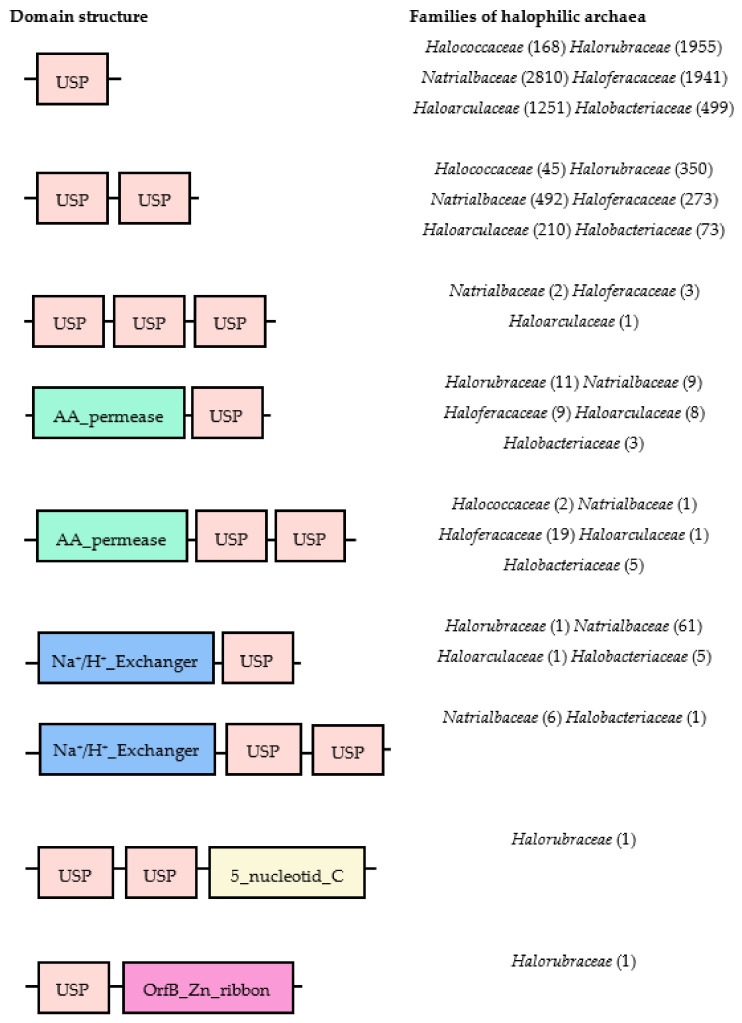
Over the years, in order to survive in their natural environment, microbial communities have acquired adaptations to nonoptimal growth conditions. These shifts are usually related to stress conditions such as low/high solar radiation, extreme temperatures, oxidative stress, pH variations, changes in salinity, or a high concentration of heavy metals. In addition, climate change is resulting in these stress conditions becoming more significant due to the frequency and intensity of extreme weather events. The most relevant damaging effect of these stressors is protein denaturation. To cope with this effect, organisms have developed different mechanisms, wherein the stress genes play an important role in deciding which of them survive. Each organism has different responses that involve the activation of many genes and molecules as well as downregulation of other genes and pathways. Focused on salinity stress, the archaeal domain encompasses the most significant extremophiles living in high-salinity environments. To have the capacity to withstand this high salinity without losing protein structure and function, the microorganisms have distinct adaptations. The haloarchaeal stress response protects cells against abiotic stressors through the synthesis of stress proteins. This includes other heat shock stress proteins (Hsp), thermoprotectants, survival proteins, universal stress proteins, and multicellular structures. Gene and family stress proteins are highly conserved among members of the halophilic archaea and their study should continue in order to develop means to improve for biotechnological purposes. In this review, all the mechanisms to cope with stress response by haloarchaea are discussed from a global perspective, specifically focusing on the role played by universal stress proteins.
多年来,为了在自然环境中生存,微生物群落已经适应了非最适生长条件。这些变化通常与应激条件有关,如低/高光辐射、极端温度、氧化应激、pH 值变化、盐度变化或重金属浓度高。此外,气候变化导致这些应激条件变得更加显著,因为极端天气事件的频率和强度增加。这些胁迫因素最相关的破坏性影响是蛋白质变性。为了应对这种影响,生物体已经开发了不同的机制,其中应激基因在决定哪些基因存活方面起着重要作用。每个生物体都有不同的反应,涉及许多基因和分子的激活以及其他基因和途径的下调。聚焦于盐度应激,古菌域包含了生活在高盐环境中的最重要的极端微生物。为了在不失去蛋白质结构和功能的情况下承受这种高盐度,微生物具有独特的适应能力。盐杆菌的应激反应通过合成应激蛋白来保护细胞免受非生物胁迫。这包括其他热休克应激蛋白(Hsp)、耐热保护剂、生存蛋白、普遍应激蛋白和多细胞结构。嗜盐古菌成员之间的基因和家族应激蛋白高度保守,应该继续研究它们,以便开发用于生物技术目的的改进方法。在这篇综述中,从全球角度讨论了盐杆菌应对应激反应的所有机制,特别是重点讨论了普遍应激蛋白所扮演的角色。