Vieira Leonardo
Osteopathy, Brazilian Academy of Fascias, Belo Horizonte, BRA.
Cureus. 2020 Aug 30;12(8):e10134. doi: 10.7759/cureus.10134.
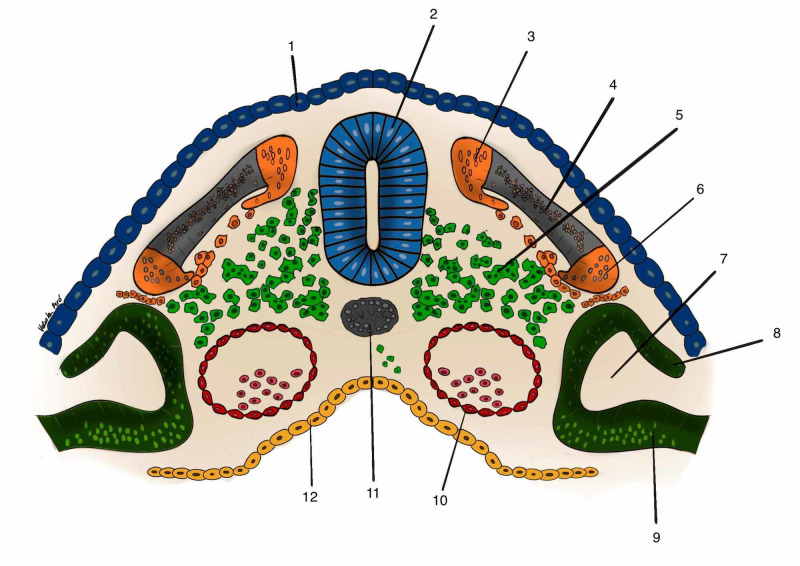
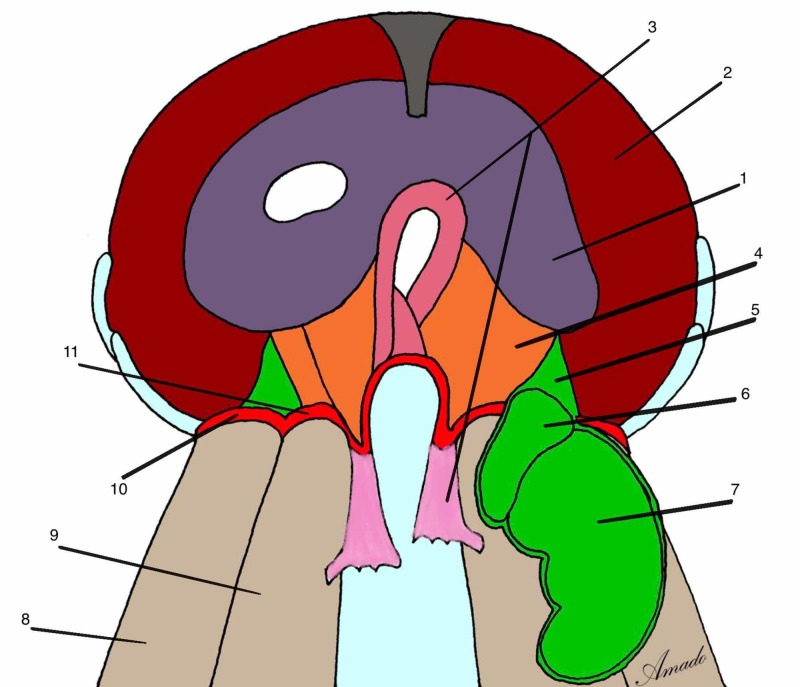
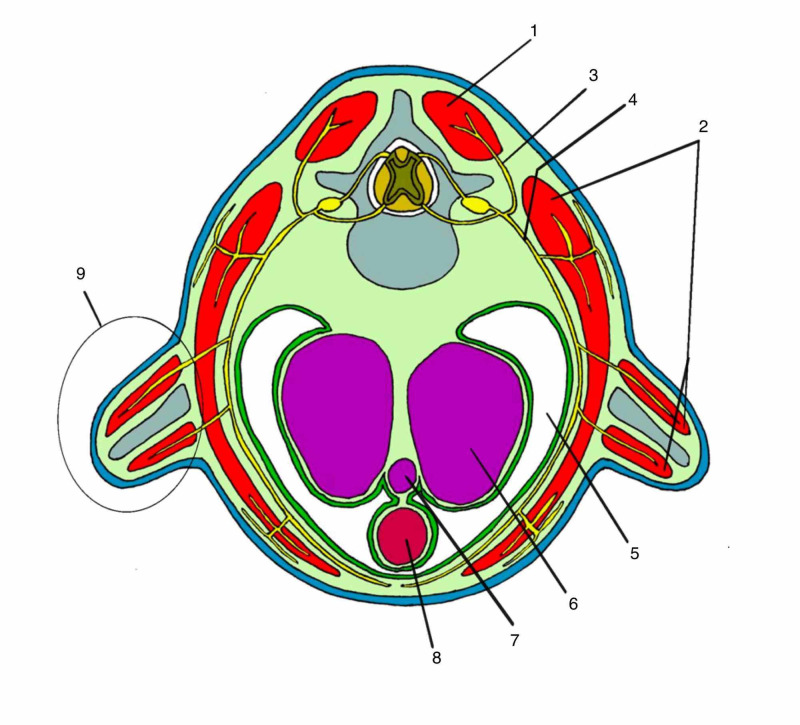
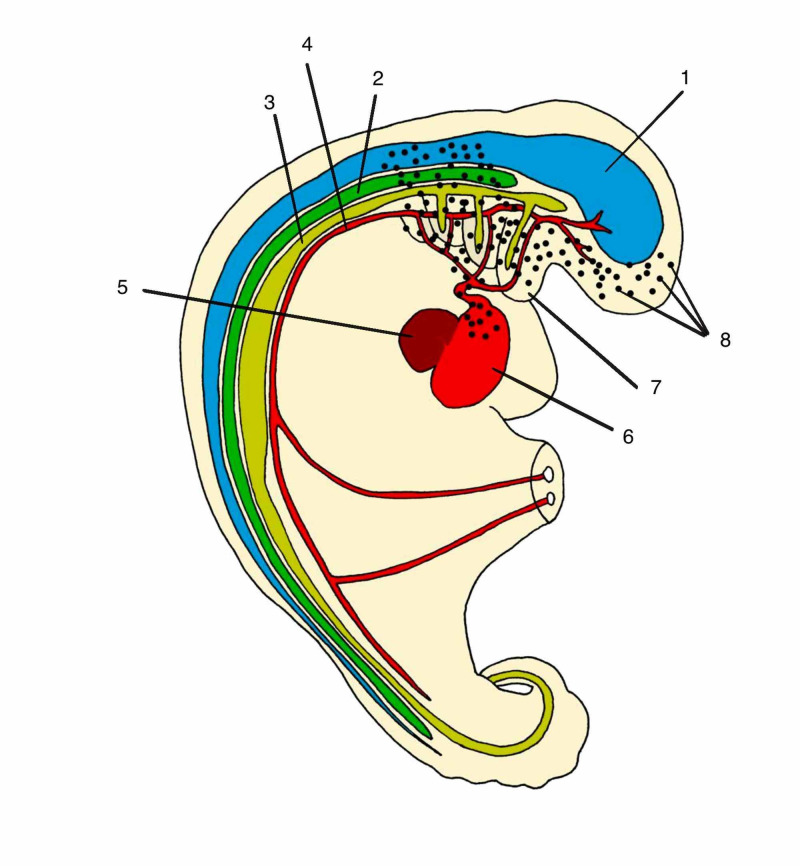
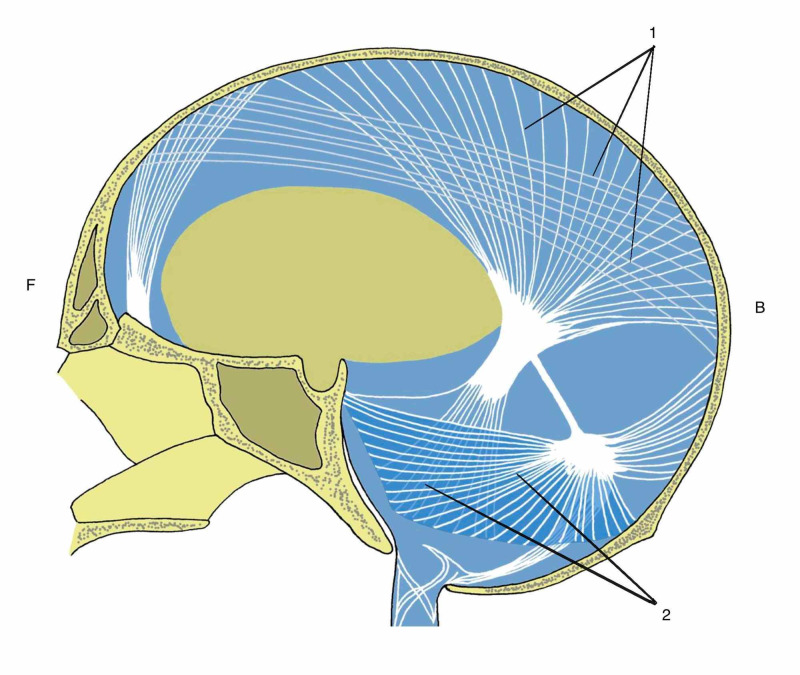
The fascial system is a link between the various body systems. Understanding the embryonic formation of the fascial system contributes to understanding the development of the whole body, helping to understand clinical phenomena. The text presents the concept of the fascial system and its interactions with the neural system. We describe the formation of musculoskeletal fascia from somites and mesenchymal cells of the cranial neural crest. Differences in the formation of the head, neck, trunk, and limbs and their respective embryonic relationships are presented. We detail the formation of visceral fascia and their corresponding innervations, from the tongue to the final portion of the digestive tract; the development of the genitourinary system that occurs later in the celomic cavity; and the formation of the cardiocirculatory and respiratory systems, with the development of their respective envelopes, associated with the corresponding innervation. The text covers the embryology of neural fasciae, both at the level of the central and peripheral nervous system. Finally, the development of derme and pannicular fascia is presented.
筋膜系统是身体各系统之间的一个连接。了解筋膜系统的胚胎形成有助于理解整个身体的发育,从而有助于理解临床现象。本文介绍了筋膜系统的概念及其与神经系统的相互作用。我们描述了由体节和颅神经嵴的间充质细胞形成的肌肉骨骼筋膜。阐述了头、颈、躯干和四肢形成的差异及其各自的胚胎学关系。我们详细介绍了从舌到消化道末端的内脏筋膜的形成及其相应的神经支配;体腔中稍后发生的泌尿生殖系统的发育;以及心血管和呼吸系统的形成,及其各自包膜的发育,并伴有相应的神经支配。本文涵盖了中枢和外周神经系统层面的神经筋膜的胚胎学。最后,介绍了真皮和皮下筋膜的发育。