Department of Psychology, Harvard University, Cambridge, MA 02138;
Department of Brain and Cognitive Sciences, Massachusetts Institute of Technology, Cambridge, MA 02139.
Proc Natl Acad Sci U S A. 2020 Oct 20;117(42):26158-26169. doi: 10.1073/pnas.2014505117. Epub 2020 Oct 2.
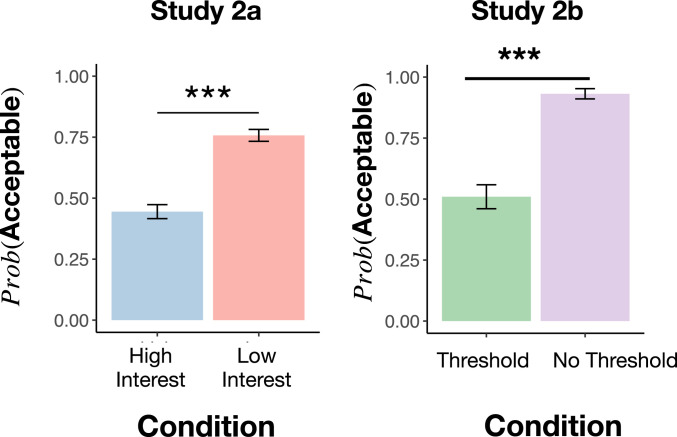
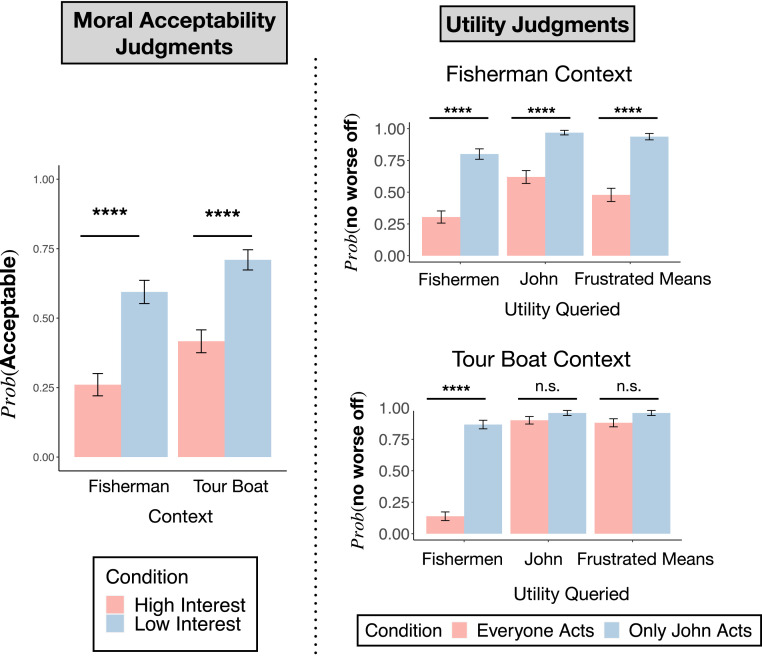
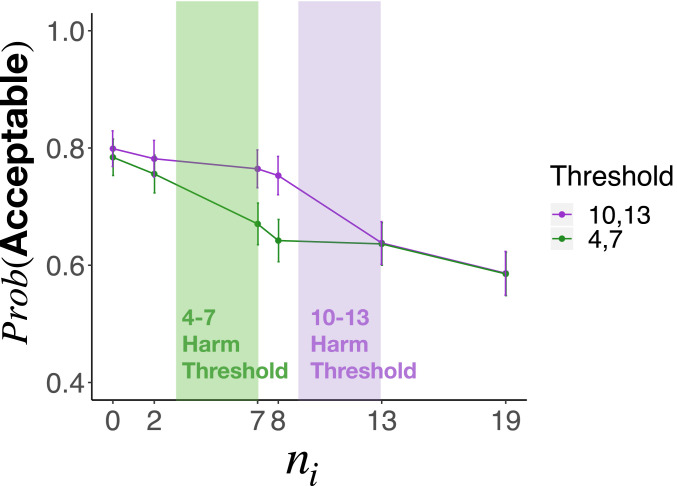
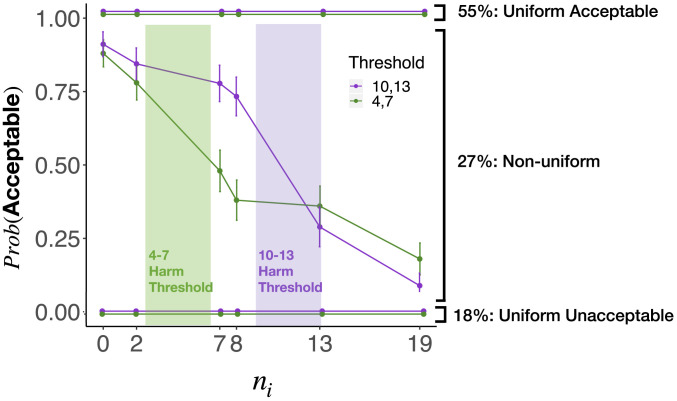
To explain why an action is wrong, we sometimes say, "What if everybody did that?" In other words, even if a single person's behavior is harmless, that behavior may be wrong if it would be harmful once universalized. We formalize the process of universalization in a computational model, test its quantitative predictions in studies of human moral judgment, and distinguish it from alternative models. We show that adults spontaneously make moral judgments consistent with the logic of universalization, and report comparable patterns of judgment in children. We conclude that, alongside other well-characterized mechanisms of moral judgment, such as outcome-based and rule-based thinking, the logic of universalizing holds an important place in our moral minds.
为了解释为什么某个行为是错误的,我们有时会说:“如果每个人都那样做会怎样?”换句话说,即使一个人的行为是无害的,但如果这种行为一旦普及化,就可能是错误的。我们在一个计算模型中形式化了这个普遍化的过程,在对人类道德判断的研究中检验了它的定量预测,并将其与其他替代模型区分开来。我们发现,成年人会自发地做出与普遍化逻辑一致的道德判断,并在儿童中报告出类似的判断模式。我们的结论是,除了其他特征明显的道德判断机制,如基于结果和基于规则的思维,普遍化逻辑在我们的道德思维中占据着重要地位。