Videira Raquel Figuinha, da Costa Martins Paula A
CARIM School for Cardiovascular Diseases, Faculty of Health, Medicine and Life Sciences, Maastricht University, Maastricht, Netherlands.
Department of Molecular Genetics, Faculty of Science and Engineering, Maastricht University, Maastricht, Netherlands.
Front Physiol. 2020 Sep 9;11:738. doi: 10.3389/fphys.2020.00738. eCollection 2020.
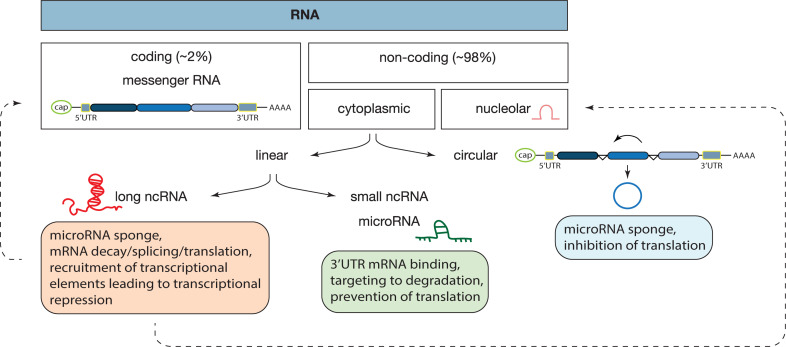
Intercellular communication allows for molecular information to be transferred from cell to cell, in order to maintain tissue or organ homeostasis. Alteration in the process due to changes, either on the vehicle or the cargo information, may contribute to pathological events, such as cardiac pathological remodeling. Extracellular vesicles (EVs), namely exosomes, are double-layer vesicles secreted by cells to mediate intercellular communication, both locally and systemically. EVs can carry different types of cargo, including non-coding RNAs (ncRNAs), which, are major regulators of physiological and pathological processes. ncRNAs transported in EVs are functionally active and trigger a cascade of processes in the recipient cells. Upon cardiac injury, exosomal ncRNAs can derive from and target different cardiac cell types to initiate cellular and molecular remodeling events such as hypertrophic growth, cardiac fibrosis, endothelial dysfunction, and inflammation, all contributing to cardiac dysfunction and, eventually, heart failure. Exosomal ncRNAs are currently accepted as crucial players in the process of cardiac pathological remodeling and alterations in their presence profile in EVs may attenuate cardiac dysfunction, suggesting that exosomal ncRNAs are potential new therapeutic targets. Here, we review the current research on the role of ncRNAs in intercellular communication, in the context of cardiac pathological remodeling.
细胞间通讯允许分子信息在细胞间传递,以维持组织或器官的稳态。由于载体或货物信息的变化而导致的这一过程的改变,可能会促成诸如心脏病理重塑等病理事件。细胞外囊泡(EVs),即外泌体,是细胞分泌的双层囊泡,可在局部和全身介导细胞间通讯。EVs可以携带不同类型的货物,包括非编码RNA(ncRNAs),它们是生理和病理过程的主要调节因子。在EVs中运输的ncRNAs具有功能活性,并在受体细胞中引发一系列过程。心脏损伤后,外泌体ncRNAs可以来源于不同的心脏细胞类型并作用于这些细胞,从而引发细胞和分子重塑事件,如肥大生长、心脏纤维化、内皮功能障碍和炎症,所有这些都导致心脏功能障碍,并最终导致心力衰竭。目前,外泌体ncRNAs被认为是心脏病理重塑过程中的关键参与者,其在EVs中的存在情况的改变可能会减轻心脏功能障碍,这表明外泌体ncRNAs是潜在的新治疗靶点。在此,我们结合心脏病理重塑的背景,综述了目前关于ncRNAs在细胞间通讯中作用的研究。