One Health Center for Zoonoses and Tropical Veterinary Medicine, Ross University School of Veterinary Medicine, Basseterre, St Kitts and Nevis.
Institute of Biotechnology, Biochemistry and Molecular Parasitology Group; Department of Parasitology, University of Granada, Granada, Spain.
PLoS Negl Trop Dis. 2021 Mar 24;15(3):e0009221. doi: 10.1371/journal.pntd.0009221. eCollection 2021 Mar.
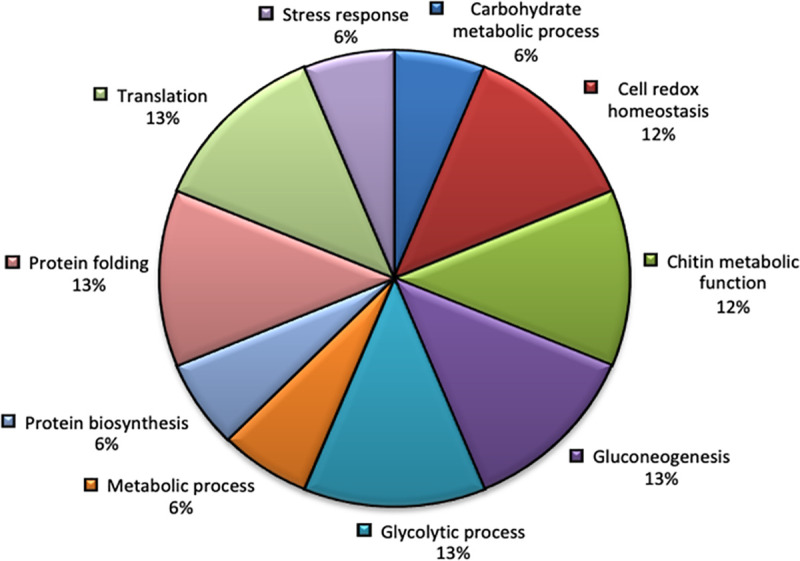
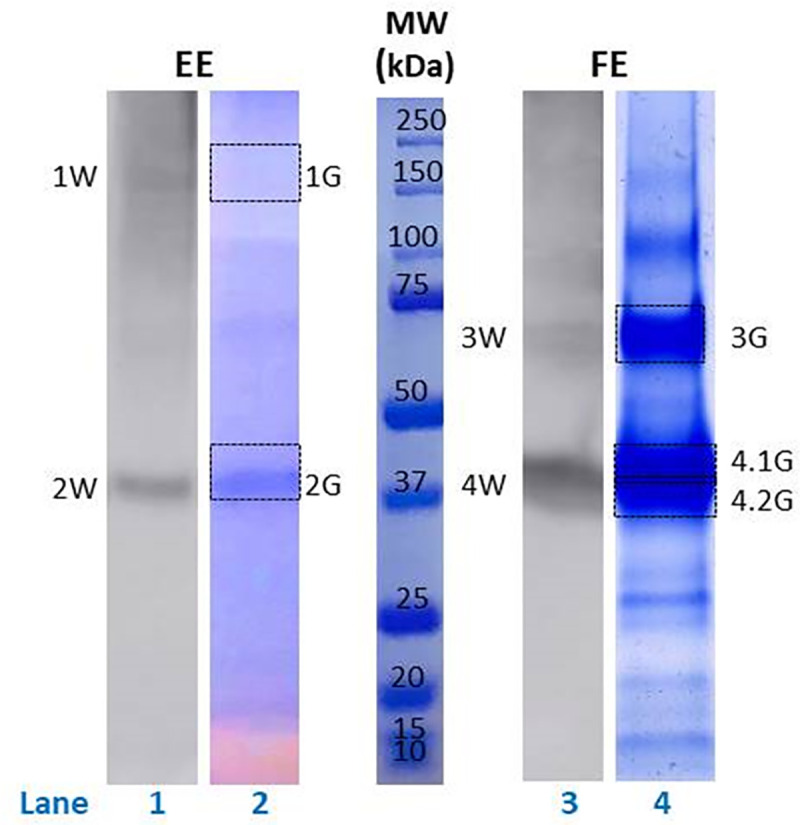
Embryonated eggs are the infectious developmental stage of Trichuris trichiura and are the primary stimulus for the immune system of the definitive host. The intestinal-dwelling T. trichiura affects an estimated 465 million people worldwide with an estimated global burden of disease of 640 000 DALYs (Disability Adjusted Life Years). In Latin America and the Caribbean, trichuriasis is the most prevalent soil transmitted helminthiasis in the region (12.3%; 95% CI). The adverse health consequences impair childhood school performance and reduce school attendance resulting in lower future wage-earning capacity. The accumulation of the long-term effects translates into poverty promoting sequelae and a cycle of impoverishment. Each infective T. trichiura egg carries the antigens needed to face the immune system with a wide variety of proteins present in the shell, larvae's surface, and the accompanying fluid that contains their excretions/secretions. We used a proteomic approach with tandem mass spectrometry to investigate the proteome of soluble non-embryonated egg extracts of T. trichiura obtained from naturally infected African green monkeys (Chlorocebus sabaeus). A total of 231 proteins were identified, 168 of them with known molecular functions. The proteome revealed common proteins families which are known to play roles in energy and metabolism; the cytoskeleton, muscle and motility; proteolysis; signaling; the stress response and detoxification; transcription and translation; and lipid binding and transport. In addition to the study of the T. trichiura non-embryonated egg proteome, the antigenic profile of the T. trichiura non-embryonated egg and female soluble proteins against serum antibodies from C. sabaeus naturally infected with trichuriasis was investigated. We used an immunoproteomic approach by Western blot and tandem mass spectrometry from the corresponding SDS-PAGE gels. Vitellogenin N and VWD and DUF1943 domain containing protein, poly-cysteine and histidine tailed protein isoform 2, heat shock protein 70, glyceraldehyde-3-phosphate dehydrogenase, actin, and enolase, were among the potential immunoactive proteins. To our knowledge, this is the first study on the T. trichiura non-embryonated egg proteome as a novel source of information on potential targets for immunodiagnostics and immunomodulators from a neglected tropical disease. This initial list of T. trichiura non-embryonated egg proteins (proteome and antigenic profile) can be used in future research on the immunobiology and pathogenesis of human trichuriasis and the treatment of human intestinal immune-related diseases.
鸡胚是旋毛虫的感染性发育阶段,是终宿主免疫系统的主要刺激物。估计全世界有 4.65 亿人感染旋毛虫,全球疾病负担约为 640,000 DALYs(伤残调整生命年)。在拉丁美洲和加勒比地区,鞭虫病是该地区最普遍的土壤传播性蠕虫病(12.3%;95%置信区间)。不良健康后果会影响儿童的学业表现,并降低入学率,从而降低未来的工资收入能力。长期影响的积累导致了促进贫困的后遗症和贫困的循环。每个感染性旋毛虫卵都携带与免疫系统对抗所需的抗原,卵壳、幼虫表面和伴随的液体中存在多种蛋白质,这些蛋白质包含它们的排泄物/分泌物。我们使用串联质谱的蛋白质组学方法来研究从自然感染的非洲绿猴(Chlorocebus sabaeus)中获得的旋毛虫可溶性非胚胎卵提取物的蛋白质组。总共鉴定了 231 种蛋白质,其中 168 种具有已知的分子功能。蛋白质组揭示了常见的蛋白质家族,这些家族已知在能量和代谢、细胞骨架、肌肉和运动、蛋白水解、信号转导、应激反应和解毒、转录和翻译以及脂质结合和运输中发挥作用。除了研究旋毛虫非胚胎卵的蛋白质组外,我们还研究了旋毛虫非胚胎卵和雌性可溶性蛋白的抗原谱,以对抗自然感染鞭虫病的 C.sabaeus 血清抗体。我们使用 Western blot 和串联质谱的免疫蛋白质组学方法,从相应的 SDS-PAGE 凝胶中进行分析。卵黄原蛋白 N 和 VWD 和 DUF1943 结构域包含蛋白、多半胱氨酸和组氨酸尾蛋白同工型 2、热休克蛋白 70、甘油醛-3-磷酸脱氢酶、肌动蛋白和烯醇化酶是潜在的免疫活性蛋白。据我们所知,这是旋毛虫非胚胎卵蛋白质组的第一项研究,为免疫诊断和免疫调节剂提供了一个新的信息来源,这些信息来自被忽视的热带病。旋毛虫非胚胎卵蛋白(蛋白质组和抗原谱)的这一初始列表可用于未来对人类鞭虫病的免疫生物学和发病机制以及人类肠道免疫相关疾病的治疗的研究。