Laboratory of Food Chemistry and Technology, Department of Chemical Engineering, National Technical University of Athens, 5 Iroon Polytechniou, Zografou, 15780 Athens, Greece.
Vioryl, Agricultural and Chemical Industry, Research S.A., 28th km National Road Athens-Lamia, Afidnes, 19014 Attiki, Greece.
Molecules. 2020 Oct 2;25(19):4520. doi: 10.3390/molecules25194520.
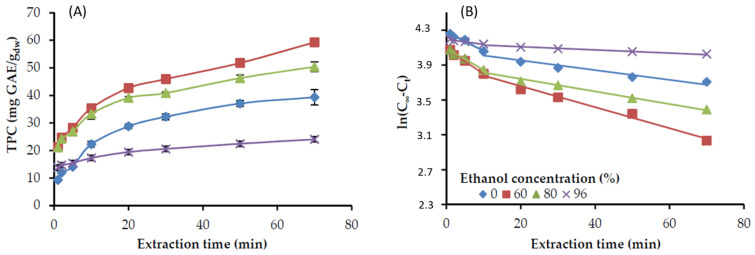
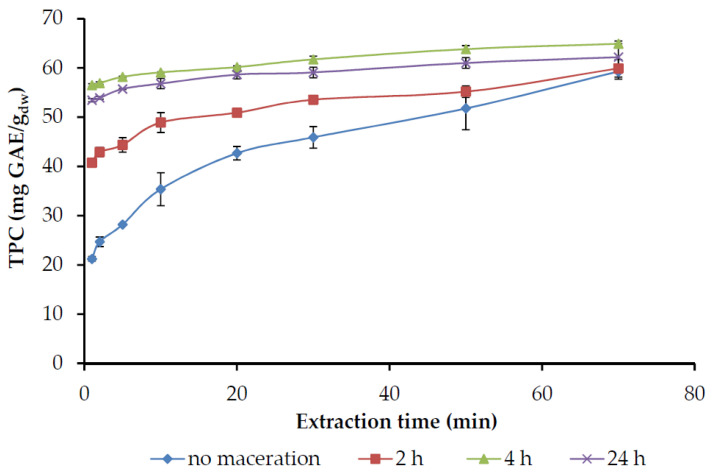
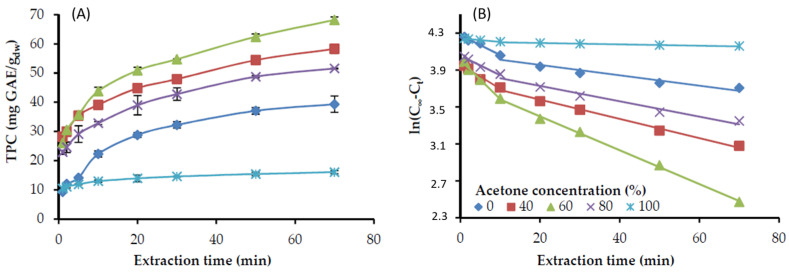
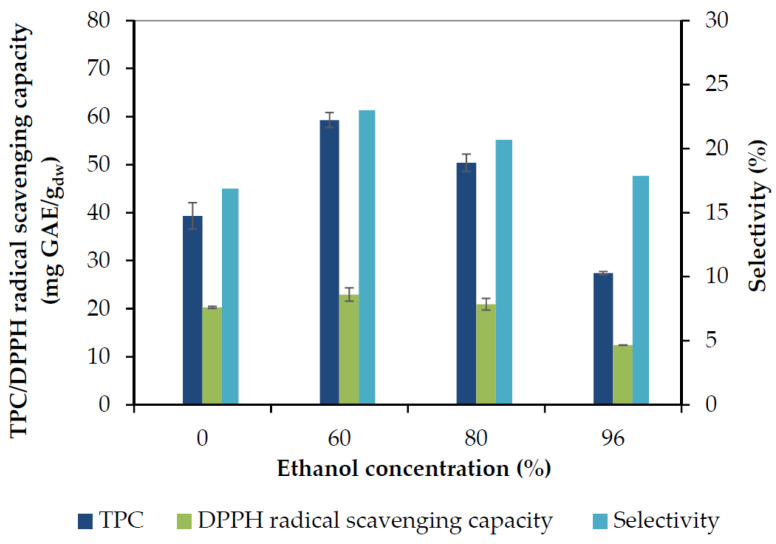
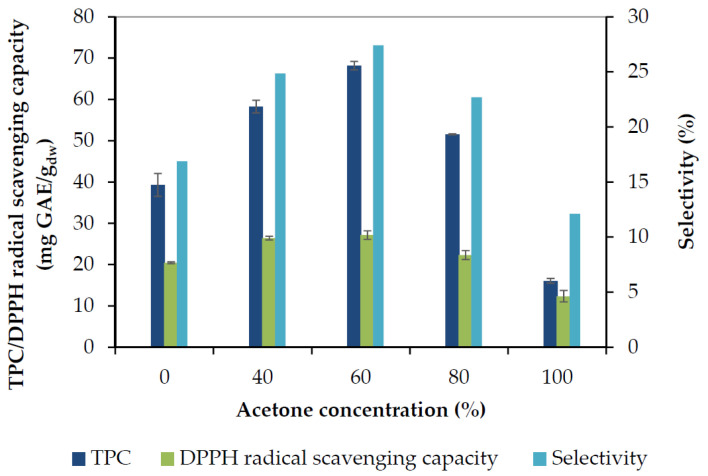
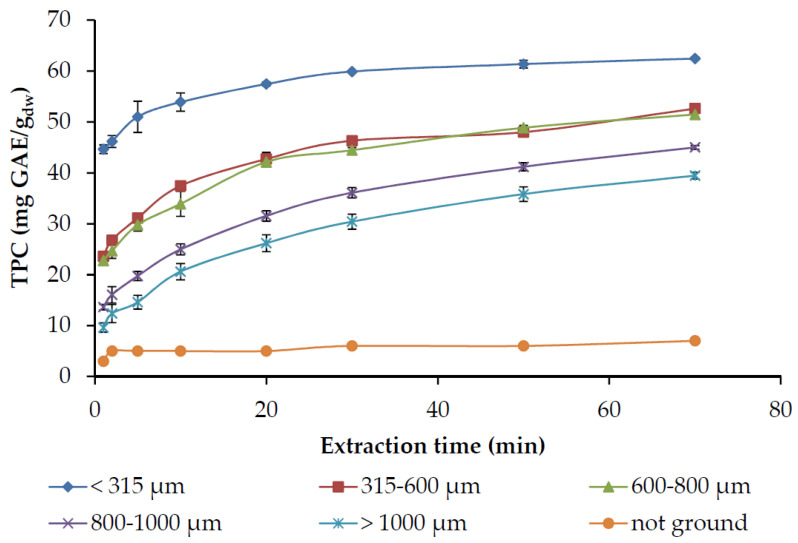
Rosemary residue, remaining after the distillation of essential oil, is currently unexploited, while it is a source of phenolic antioxidant components. This raw material was used for the extraction of phenolic compounds by aqueous ethanol or acetone in a continuously stirred reactor. The experimental results were fitted with a two-stage diffusion model. The highest extraction rates, total phenolic content (TPC) recovery, and 2,2-diphenyl-1-picrylhydrazyl (DPPH) radical scavenging capacity were obtained by acetone 60% and ethanol 60%. Grinding of the raw material enhanced the extraction rate and increased TPC yield and antioxidant capacity as the particle size decreased. Pre-treatment by maceration in water (4 h) dissolved a high amount of TPC and shortened the extraction time, while the combination with the pulsed electric field process did not provide further improvement. The use of ultrasound increased the efficiency of the extraction.
迷迭香残渣是在提炼精油后剩余的部分,目前尚未得到充分利用,但它是酚类抗氧化成分的来源。本研究使用水乙醇或丙酮在连续搅拌反应器中从该原料中提取酚类化合物。实验结果与两段式扩散模型拟合。用 60%的丙酮和 60%的乙醇提取,可获得最高的提取率、总酚含量(TPC)回收率和 2,2-二苯基-1-苦基肼基(DPPH)自由基清除能力。原料的粉碎可提高提取率,并随着粒径的减小增加 TPC 的产率和抗氧化能力。在水中(4 小时)浸渍预处理可溶解大量的 TPC 并缩短提取时间,而与脉冲电场过程相结合并不能提供进一步的改善。超声的使用提高了提取效率。