
基于动力学和计算研究发现萝卜硫素是一种强效的 BACE1 抑制剂。
Discovery of Sulforaphane as a Potent BACE1 Inhibitor Based on Kinetics and Computational Studies.
机构信息
Department of Food Science and Nutrition, College of Health Sciences, Dong-A University, Busan 49315, Korea.
Center for Silver-Targeted Biomaterials, Brain Busan 21 Plus Program, Graduate School Dong-A University, Busan 49315, Korea.
出版信息
Nutrients. 2020 Oct 2;12(10):3026. doi: 10.3390/nu12103026.
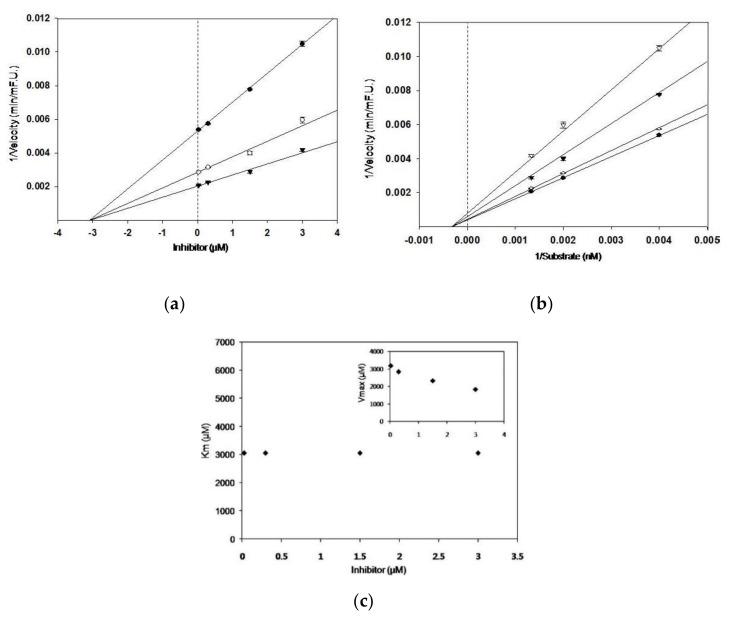
BACE1 is the rate-limiting enzyme involved in the production and deposition of β-amyloid (Aβ). Since neurotoxic Aβ plays a critical role in Alzheimer's disease (AD) pathogenesis, BACE1 has emerged as a key target for preventing AD. In the present study, the potential of sulforaphane, an isothiocyanate found in cruciferous vegetables, as a BACE1 inhibitor has been investigated. Sulforaphane exhibited six times more potent activity against BACE1 compared to well-known positive controls including resveratrol and quercetin. Sulforaphane presented selective and non-competitive BACE1 inhibitory activity with low off-target inhibition of BACE2 and other aspartic and serine proteases. In addition, sulforaphane presented negative binding energy, suggesting that the compound had a high affinity for BACE1. It interacted with locations other than the active binding sites of BACE1 through van der Waals forces. Overall, sulforaphane appeared to be a promising candidate with potent and selective BACE1 inhibitory properties that play an important role in AD prevention.
BACE1 是β-淀粉样蛋白(Aβ)产生和沉积过程中涉及的限速酶。由于神经毒性 Aβ 在阿尔茨海默病(AD)发病机制中起着关键作用,BACE1 已成为预防 AD 的关键靶点。在本研究中,研究了十字花科蔬菜中发现的异硫氰酸酯——萝卜硫素作为 BACE1 抑制剂的潜力。与白藜芦醇和槲皮素等知名阳性对照物相比,萝卜硫素对 BACE1 的抑制活性要强六倍。萝卜硫素对 BACE1 表现出选择性和非竞争性抑制活性,对 BACE2 和其他天冬氨酸蛋白酶和丝氨酸蛋白酶的抑制作用较低。此外,萝卜硫素表现出负的结合能,表明该化合物与 BACE1 具有高亲和力。它通过范德华力与 BACE1 的活性结合位点以外的位置相互作用。总的来说,萝卜硫素似乎是一种很有前途的候选药物,具有强大而选择性的 BACE1 抑制特性,在预防 AD 中发挥着重要作用。

 Zotero 插件