Guo Runzhi, Huang Yiping, Liu Hao, Zheng Yunfei, Jia Lingfei, Li Weiran
Department of Orthodontics, Peking University School and Hospital of Stomatology, Beijing 100081, People's Republic of China.
Central Laboratory, Peking University School and Hospital of Stomatology, Beijing 100081, People's Republic of China.
J Inflamm Res. 2020 Sep 30;13:635-646. doi: 10.2147/JIR.S276619. eCollection 2020.
Periodontitis is the leading cause of tooth loss. The role of long non-coding RNA (lncRNA) in periodontal inflammation remains unclear. The aim of this study was to investigate the role of lncRNA H19 in periodontitis and its possible regulation of autophagy in periodontitis.
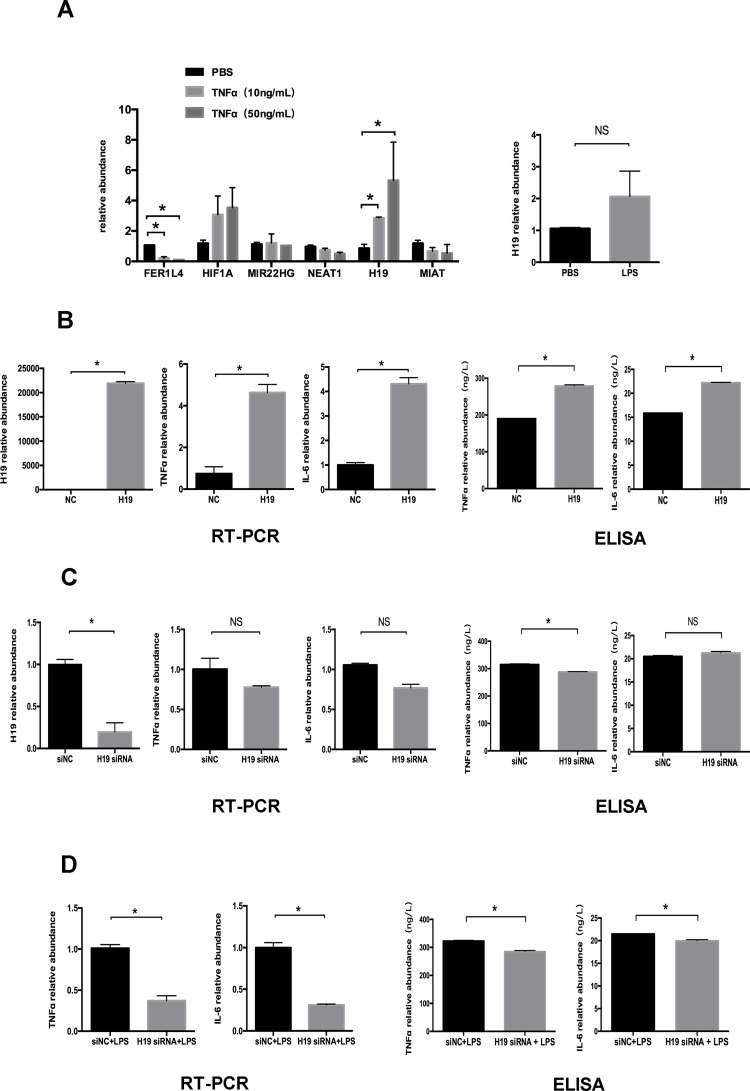
Inflammation level was determined by quantitative reverse-transcription polymerase chain reaction (qRT-PCR) and enzyme-linked immunosorbent assay (ELISA) in periodontal ligament cells (PDLCs). Western blotting, flow cytometric analysis, and immunofluorescence staining were used to detect the autophagy flux. Overexpression or knockdown of H19 was used to confirm its function. Ligature-induced periodontitis model in mice and periodontitis-affected human gingival tissue were used in vivo. RNA sequencing was performed to determine the differentially expressed genes.
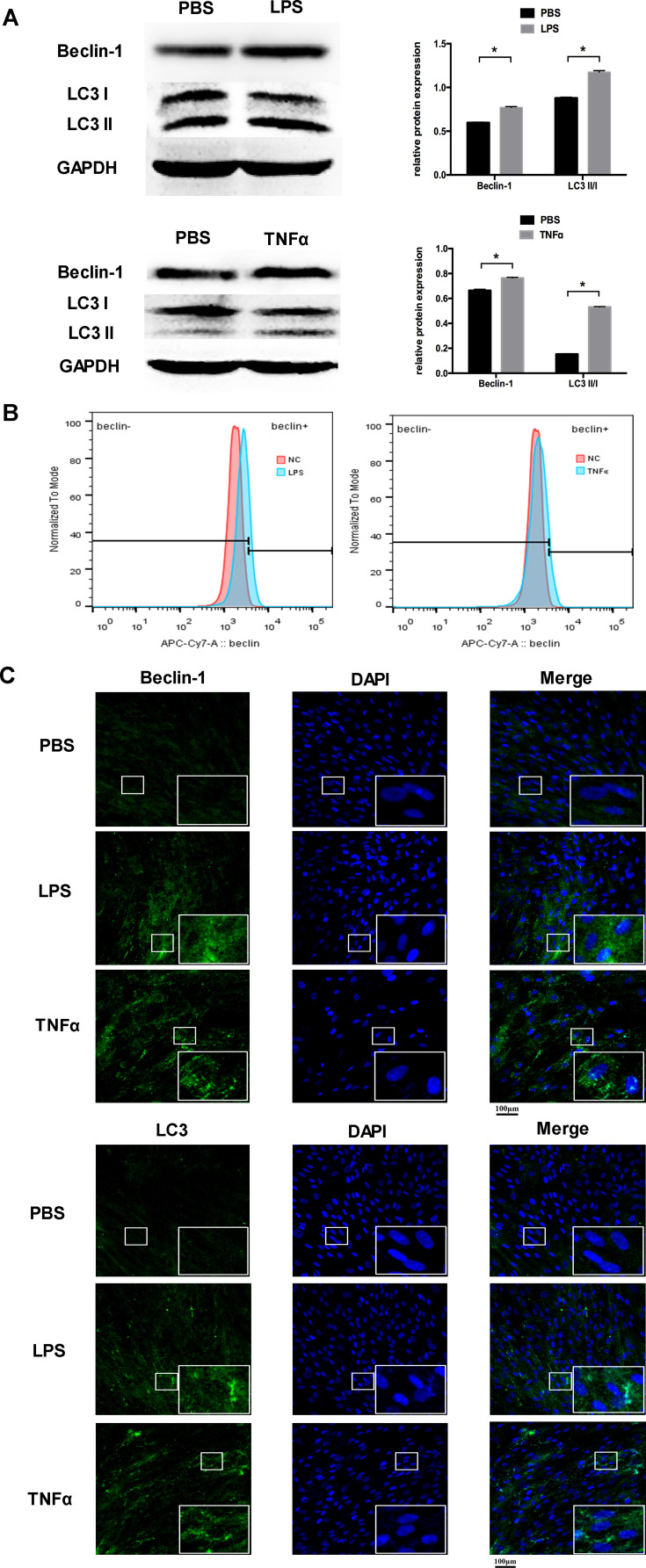
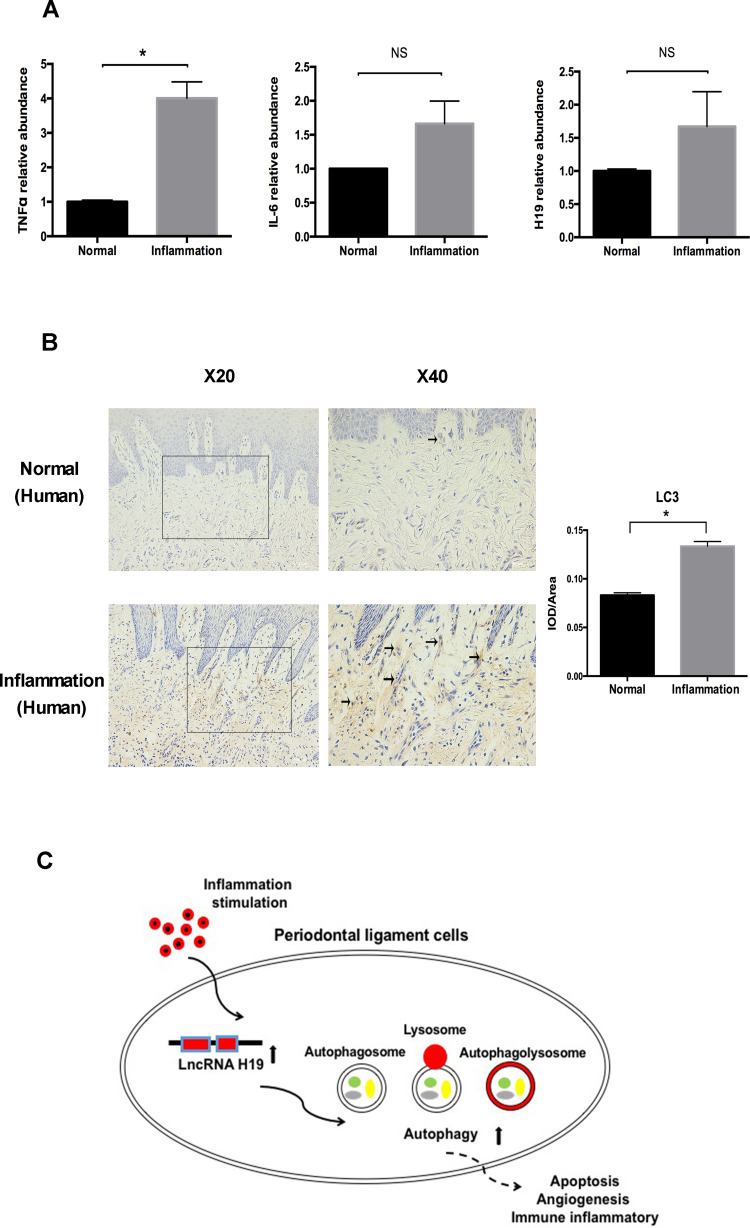
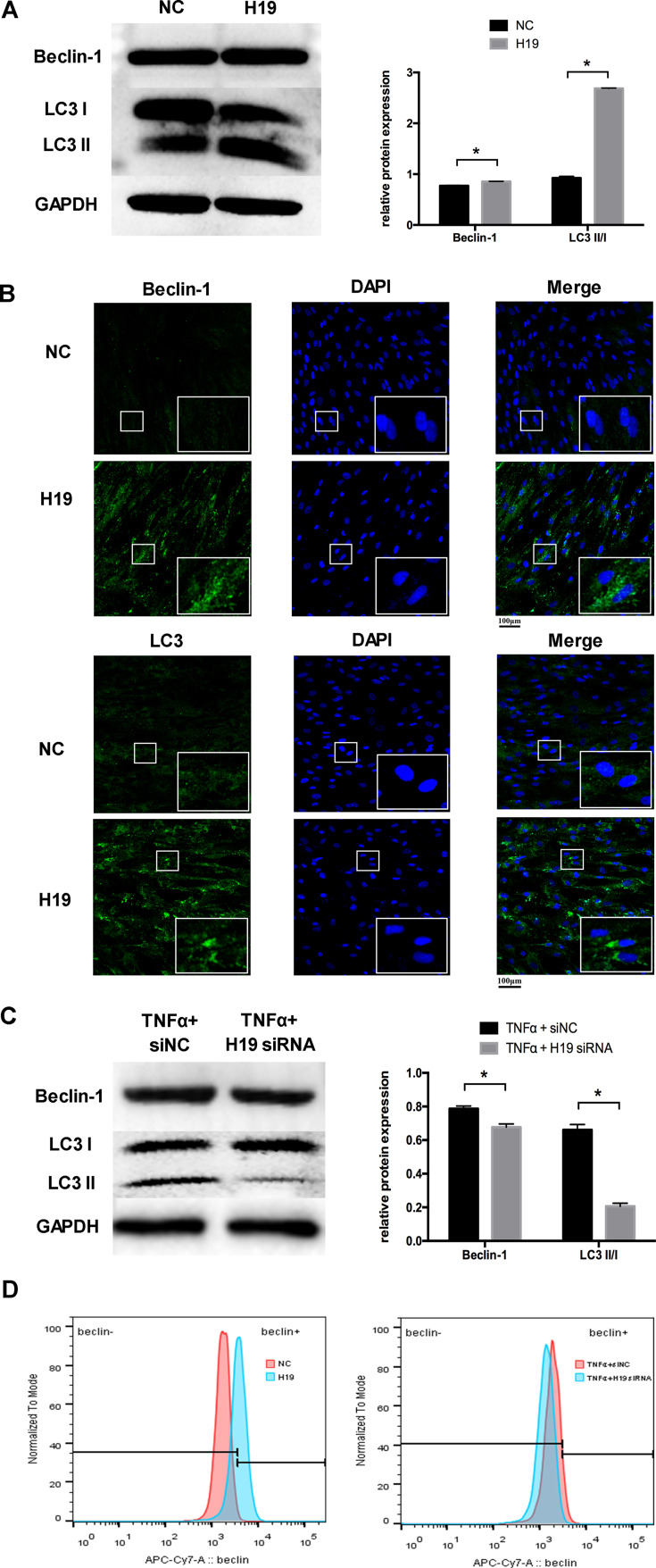
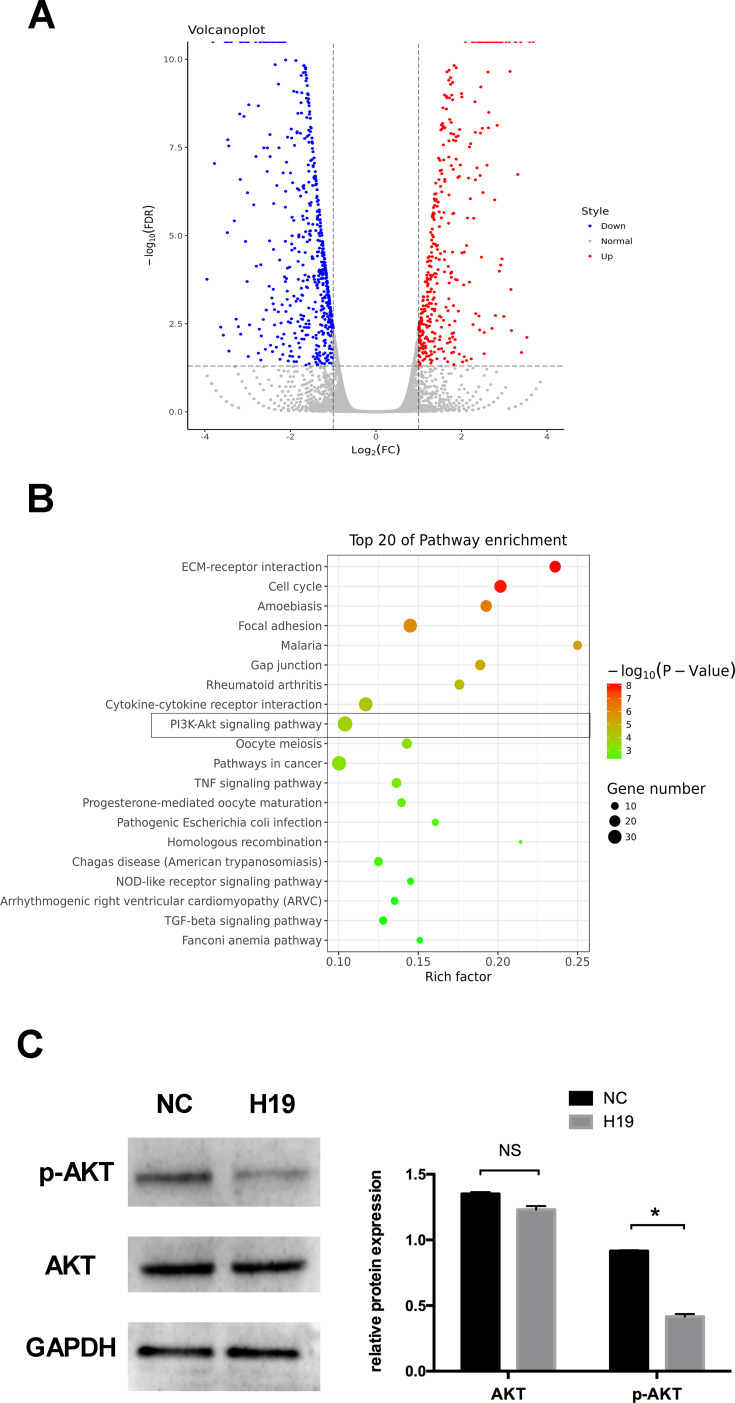
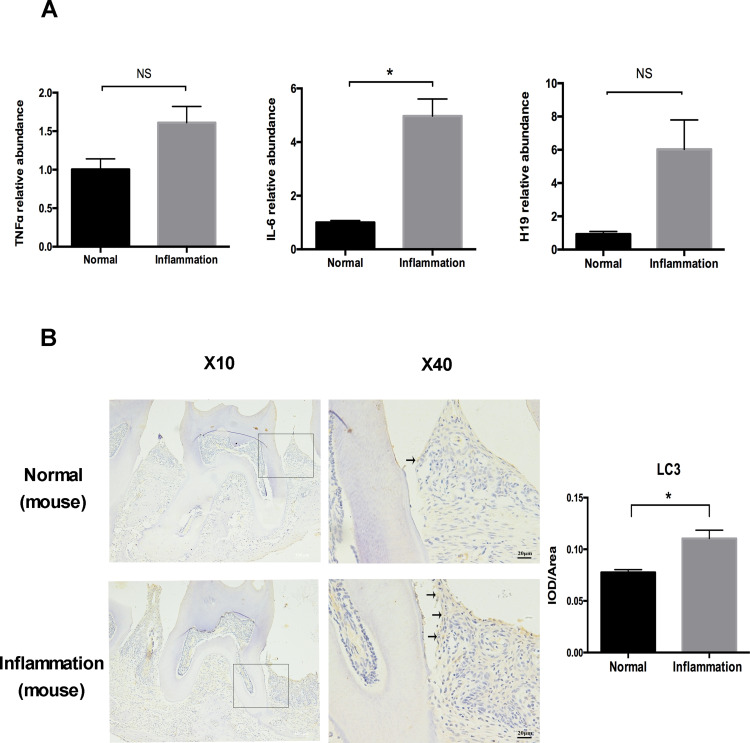
Autophagy was significantly increased in PDLCs after inflammatory stimulation as well as in a ligature-induced periodontitis model in mice and periodontitis-affected human gingival tissue. During the inflammatory process, H19 expression was also significantly upregulated. Further, the levels of autophagic markers were significantly upregulated after overexpressing H19 in PDLCs, and the increased autophagic activity induced by inflammatory stimulation was reversed by H19 knockdown. RNA sequencing showed that the expression profiles of mRNAs were significantly altered after H19 overexpression, and the differentially expressed genes were enriched in the PI3K/AKT signaling pathway, which was confirmed by the decreased p-AKT protein expression in the H19 overexpression group.
Periodontal inflammation activates autophagy flux, and H19 mediates the activation of autophagy via AKT pathway in periodontitis. This study expands our understanding of molecular regulation in periodontitis.
牙周炎是牙齿缺失的主要原因。长链非编码RNA(lncRNA)在牙周炎症中的作用仍不清楚。本研究旨在探讨lncRNA H19在牙周炎中的作用及其对牙周炎自噬的可能调控作用。
采用定量逆转录聚合酶链反应(qRT-PCR)和酶联免疫吸附测定(ELISA)检测牙周膜细胞(PDLCs)中的炎症水平。采用蛋白质免疫印迹法、流式细胞术分析和免疫荧光染色检测自噬通量。通过过表达或敲低H19来证实其功能。在小鼠中建立结扎诱导的牙周炎模型,并使用患牙周炎的人牙龈组织进行体内实验。进行RNA测序以确定差异表达基因。
炎症刺激后PDLCs中的自噬显著增加,在小鼠结扎诱导的牙周炎模型和患牙周炎的人牙龈组织中也是如此。在炎症过程中,H19表达也显著上调。此外,在PDLCs中过表达H19后,自噬标志物水平显著上调,敲低H19可逆转炎症刺激诱导的自噬活性增加。RNA测序显示,H19过表达后mRNA表达谱发生显著改变,差异表达基因富集于PI3K/AKT信号通路,H19过表达组中p-AKT蛋白表达降低证实了这一点。
牙周炎症激活自噬通量,H19在牙周炎中通过AKT途径介导自噬激活。本研究扩展了我们对牙周炎分子调控的理解。