Tu Zhonghua, Shen Yufang, Wen Shaoying, Zong Yaxian, Li Huogen
Key Laboratory of Forest Genetics & Biotechnology of Ministry of Education, Nanjing Forestry University, Nanjing, China.
Co-Innovation Center for Sustainable Forestry in Southern China, Nanjing Forestry University, Nanjing, China.
Front Plant Sci. 2020 Sep 23;11:578100. doi: 10.3389/fpls.2020.578100. eCollection 2020.
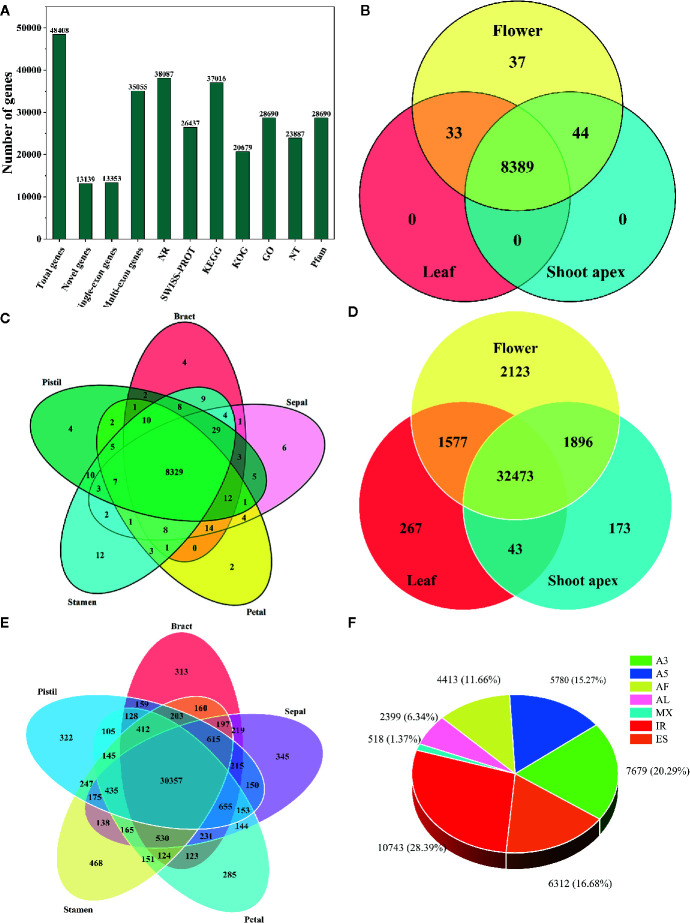
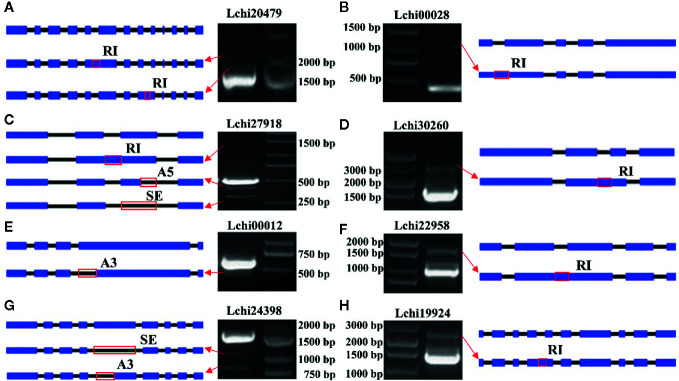
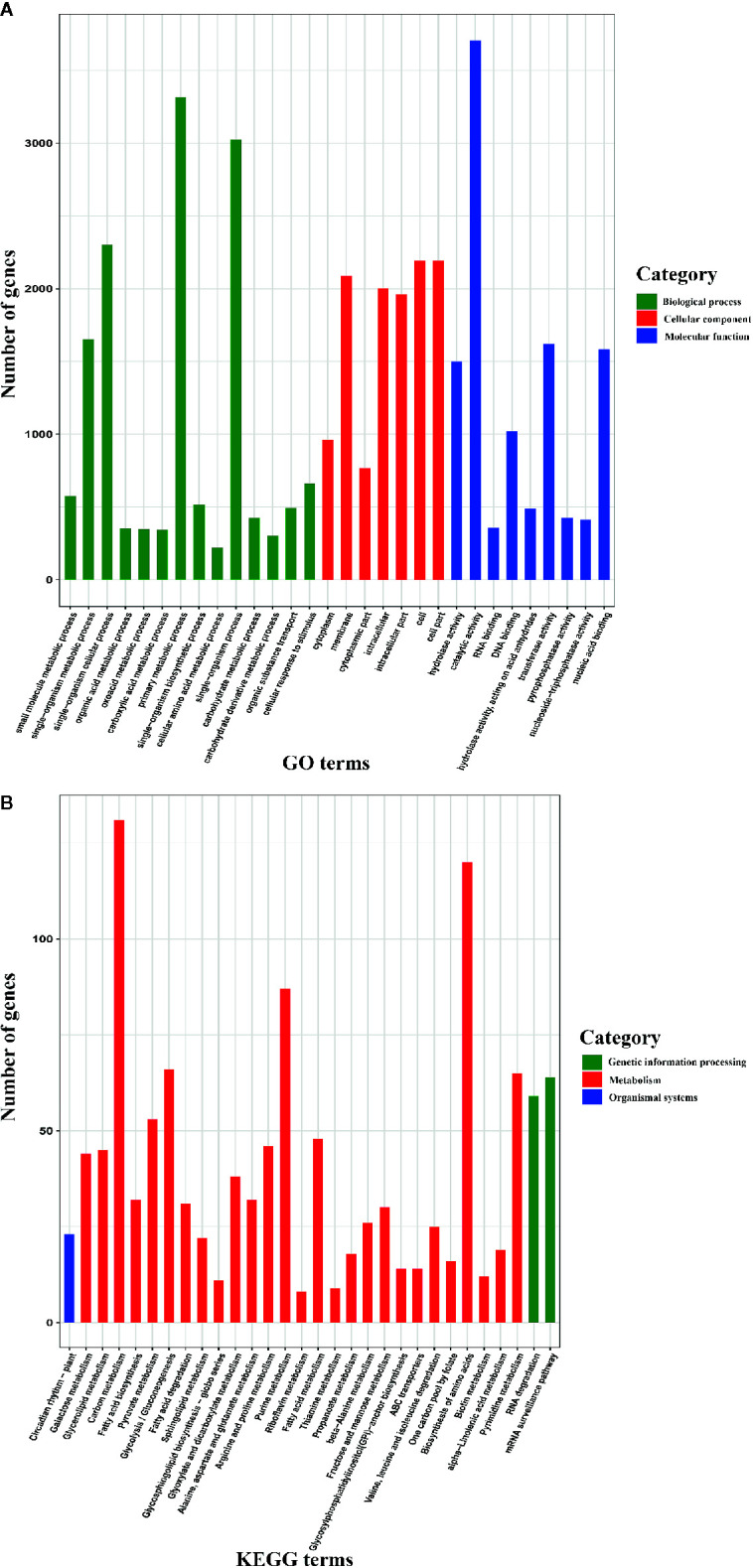
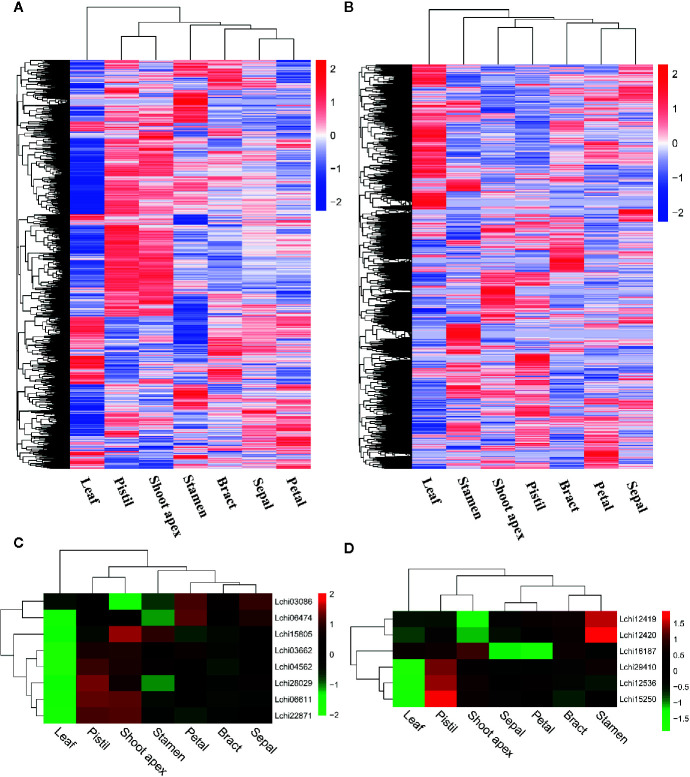
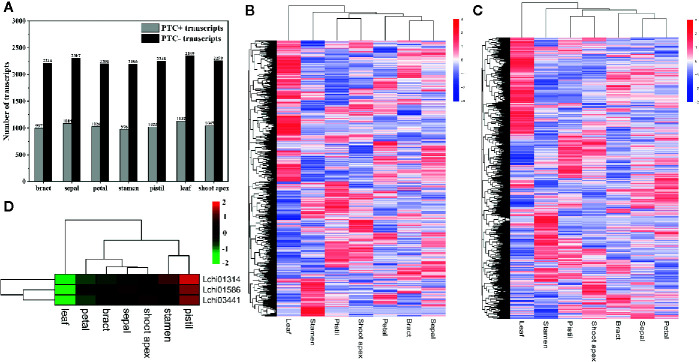
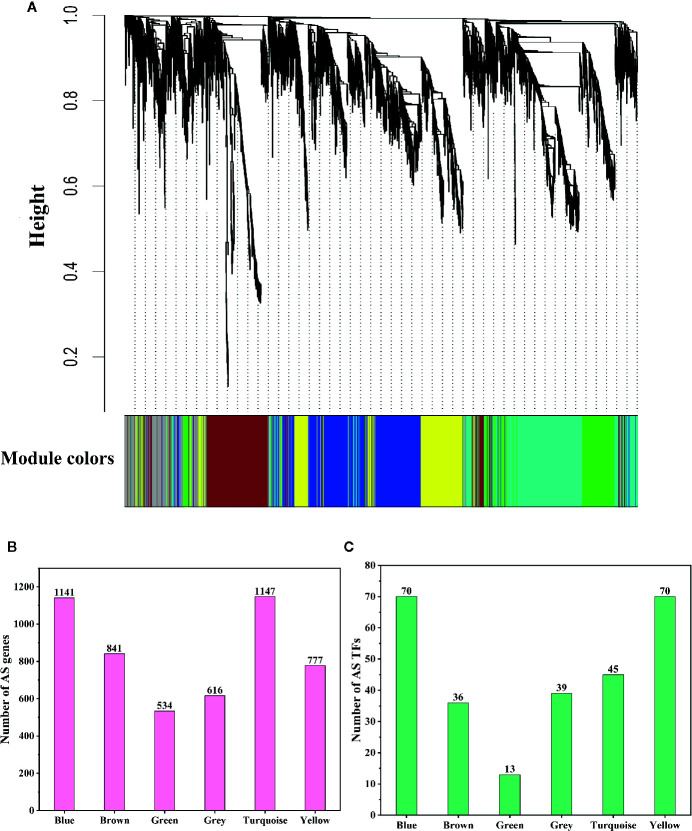
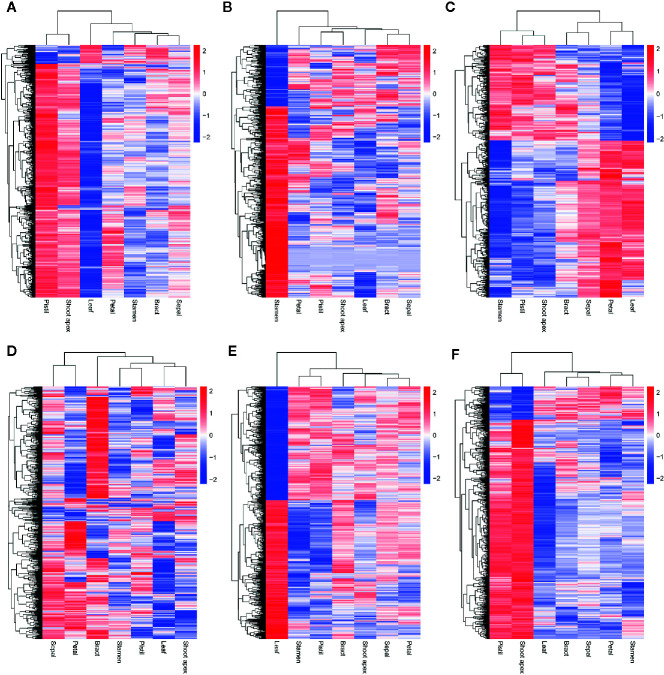
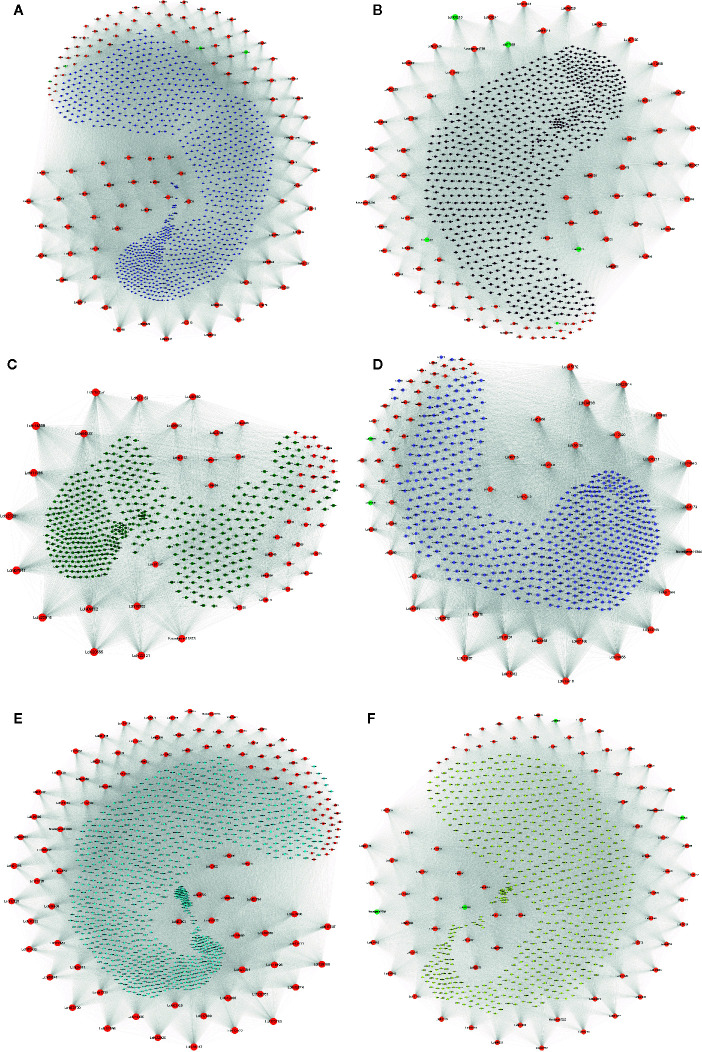
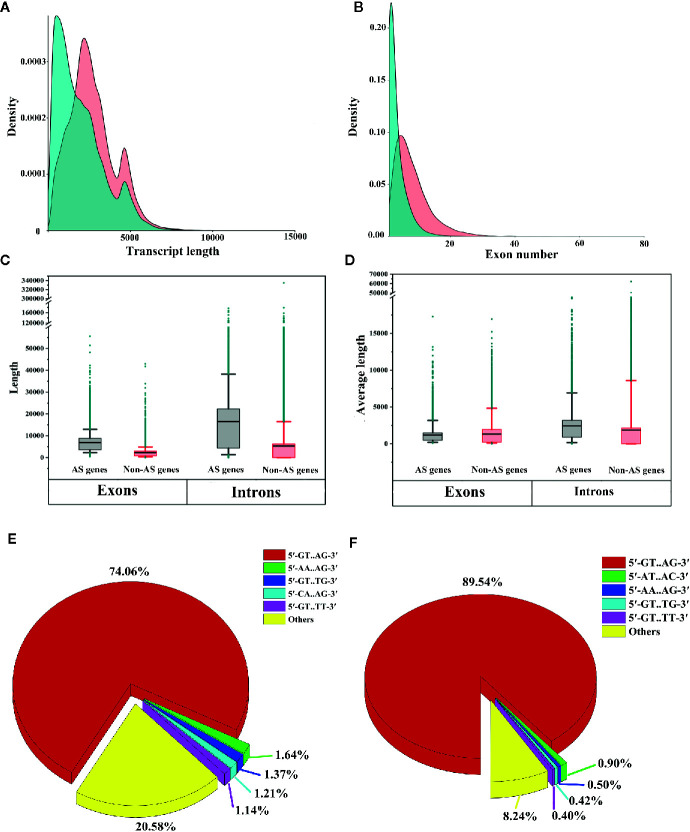
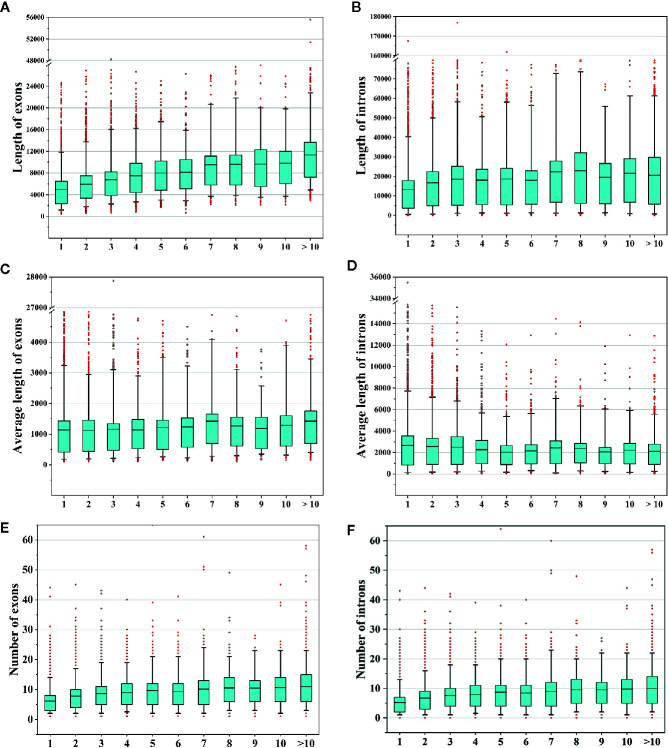
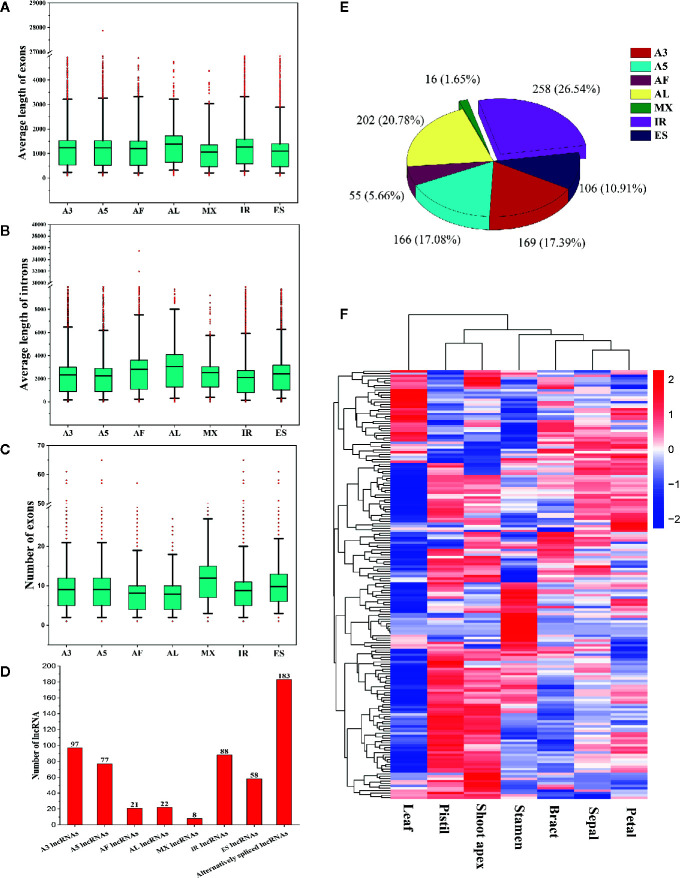
Alternative splicing (AS) plays pivotal roles in regulating plant growth and development, flowering, biological rhythms, signal transduction, and stress responses. However, no studies on AS have been performed in , a deciduous tree species that has high economic and ecological value. In this study, we used multiple tools and algorithms to analyze transcriptome data derived from seven tissues hybrid sequencing. Although only 17.56% (8,503/48,408) of genes in were alternatively spliced, these AS genes occurred in 37,844 AS events. Among these events, intron retention was the most frequent AS event, producing 1,656 PTC-containing and 3,310 non-PTC-containing transcripts. Moreover, 183 long noncoding RNAs (lncRNAs) also underwent AS events. Furthermore, weighted gene coexpression network analysis (WGCNA) revealed that there were great differences in the activities of transcription and post-transcriptional regulation between pistils and leaves, and AS had an impact on many physiological and biochemical processes in , such as photosynthesis, sphingolipid metabolism, fatty acid biosynthesis and metabolism. Moreover, our analysis showed that the features of genes may affect AS, as AS genes and non-AS genes had differences in the exon/intron length, transcript length, and number of exons/introns. In addition, the structure of AS genes may impact the frequencies and types of AS because AS genes with more exons or introns tended to exhibit more AS events, and shorter introns tended to be retained, whereas shorter exons tended to be skipped. Furthermore, eight AS genes were verified, and the results were consistent with our analysis. Overall, this study reveals that AS and gene interaction are mutual-on one hand, AS can affect gene expression and translation, while on the other hand, the structural characteristics of the gene can also affect AS. This work is the first to comprehensively report on AS in , and it can provide a reference for further research on AS in .
可变剪接(AS)在调节植物生长发育、开花、生物节律、信号转导和应激反应中起着关键作用。然而,对于具有高经济和生态价值的落叶树种[树种名称未给出],尚未开展关于可变剪接的研究。在本研究中,我们使用多种工具和算法分析了来自七个组织的转录组数据(杂交测序)。尽管在[树种名称未给出]中只有17.56%(8,503/48,408)的基因发生可变剪接,但这些可变剪接基因出现了37,844次可变剪接事件。在这些事件中,内含子保留是最常见的可变剪接事件,产生了1,656个含PTC的转录本和3,310个不含PTC的转录本。此外,183个长链非编码RNA(lncRNAs)也经历了可变剪接事件。此外,加权基因共表达网络分析(WGCNA)表明,雌蕊和叶片之间在转录和转录后调控活性方面存在很大差异,可变剪接对[树种名称未给出]中的许多生理生化过程有影响,如光合作用、鞘脂代谢、脂肪酸生物合成和代谢。此外,我们的分析表明基因特征可能影响可变剪接,因为可变剪接基因和非可变剪接基因在外显子/内含子长度、转录本长度以及外显子/内含子数量上存在差异。此外,可变剪接基因的结构可能影响可变剪接的频率和类型,因为具有更多外显子或内含子的可变剪接基因倾向于表现出更多的可变剪接事件,较短的内含子倾向于被保留,而较短的外显子倾向于被跳过。此外,对八个可变剪接基因进行了验证,结果与我们的分析一致。总体而言,本研究表明可变剪接与基因相互作用是相互的——一方面,可变剪接可以影响基因表达和翻译,另一方面,基因的结构特征也可以影响可变剪接。这项工作首次全面报道了[树种名称未给出]中的可变剪接情况,可为[树种名称未给出]中可变剪接的进一步研究提供参考。