Fathi Farzaneh, Rashidi Mohammad-Reza, Pakchin Parvin Samadi, Ahmadi-Kandjani Sohrab, Nikniazi Arash
Pharmaceutical Sciences Research Center, Ardabil University of Medical Sciences, Ardabil, Iran.
Faculty of Pharmacy, Tabriz University of Medical Sciences, Tabriz, Iran.
Talanta. 2021 Jan 1;221:121615. doi: 10.1016/j.talanta.2020.121615. Epub 2020 Sep 2.
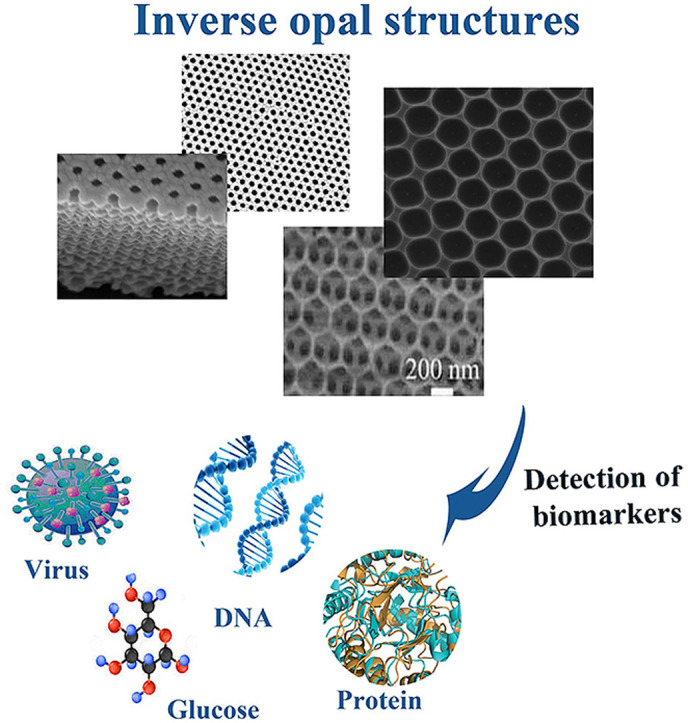
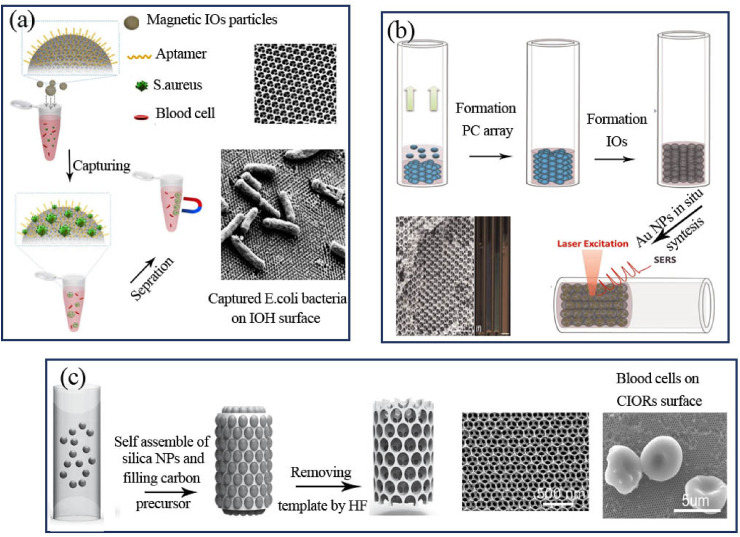
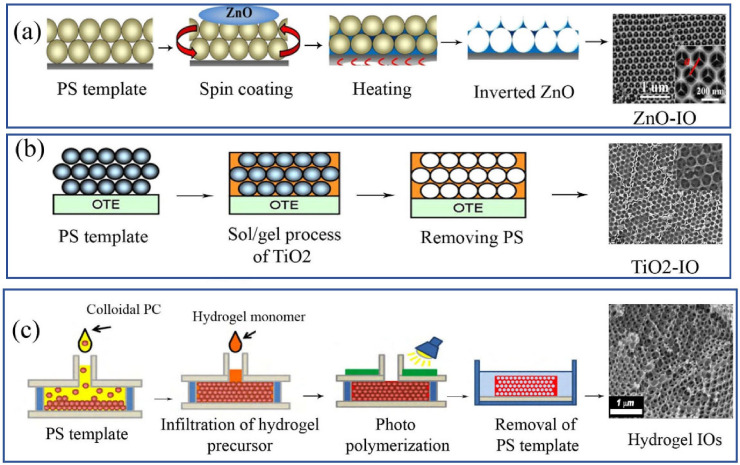
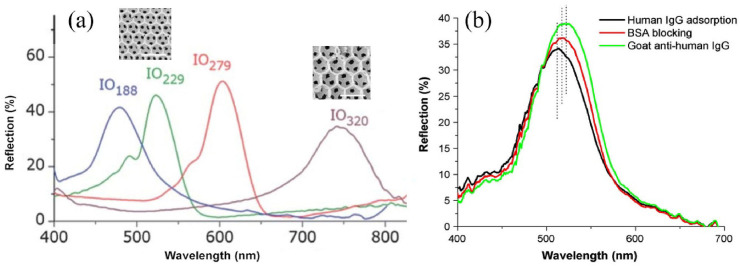
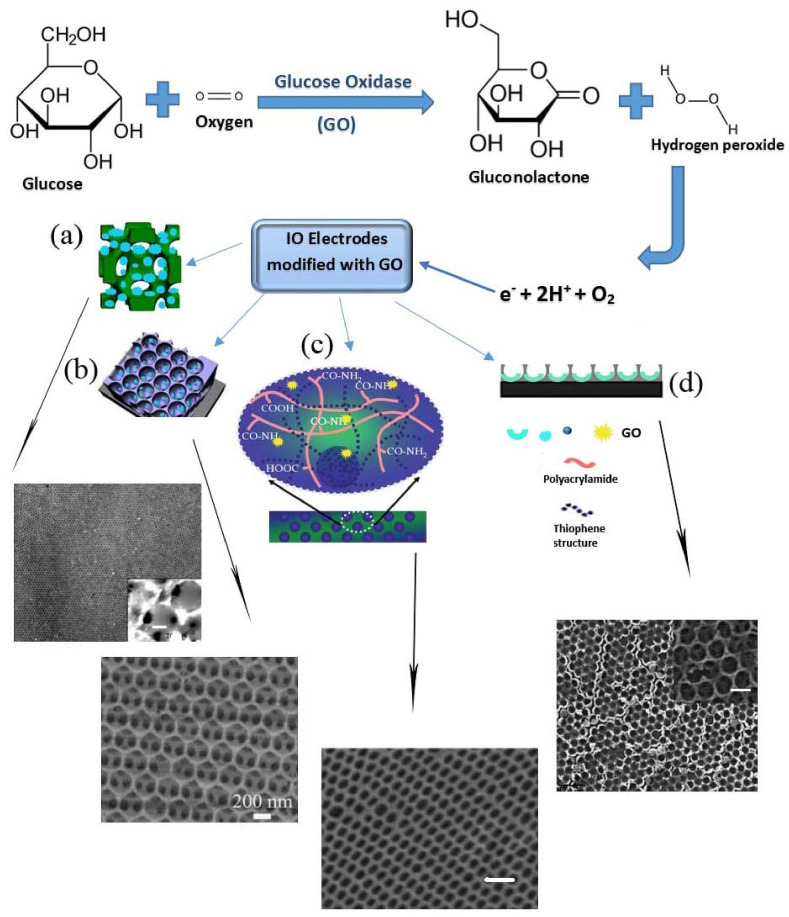
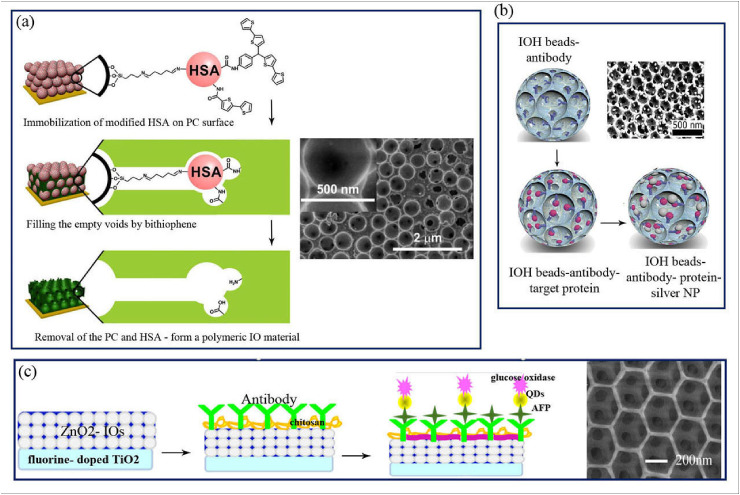
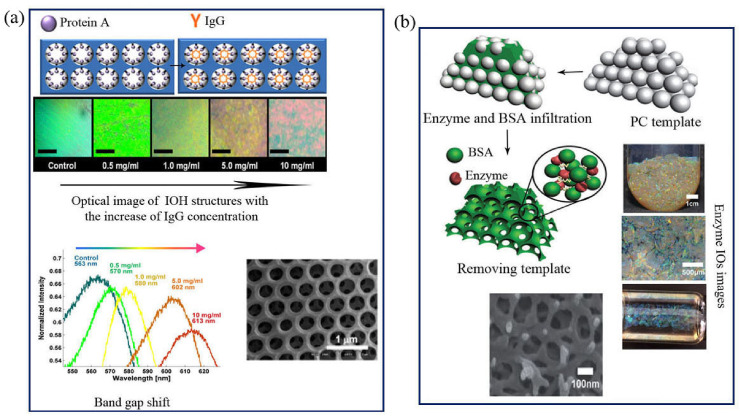
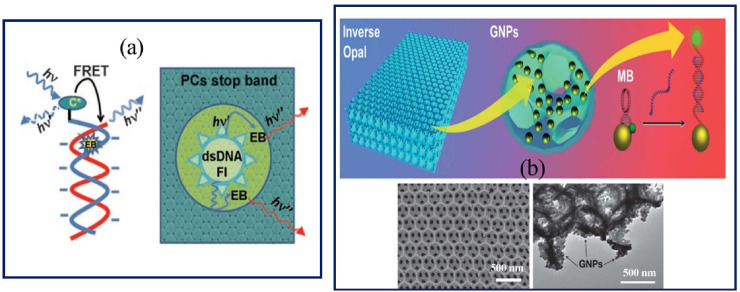
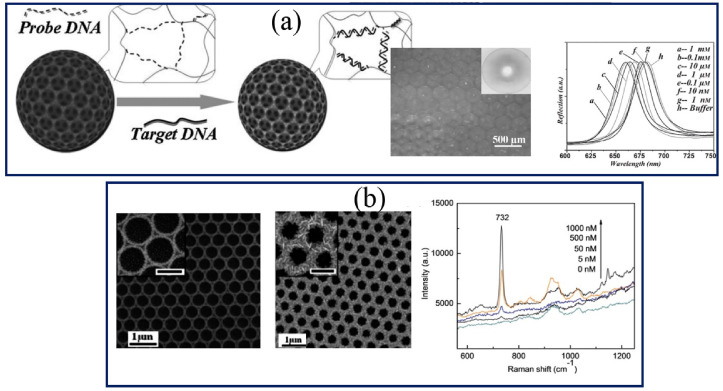
Photonic crystal (PC)-based inverse opal (IO) arrays are one of the substrates for label-free sensing mechanism. IO-based materials with their advanced and ordered three-dimensional microporous structures have recently found attractive optical sensor and biological applications in the detection of biomolecules like proteins, DNA, viruses, etc. The unique optical and structural properties of IO materials can simplify the improvements in non-destructive optical study capabilities for point of care testing (POCT) used within a wide variety of biosensor research. In this review, which is an interdisciplinary investigation among nanotechnology, biology, chemistry and medical sciences, the recent fabrication methodologies and the main challenges regarding the application of (inverse opals) IOs in terms of their bio-sensing capability are summarized.
基于光子晶体(PC)的反蛋白石(IO)阵列是无标记传感机制的基底之一。具有先进且有序三维微孔结构的基于IO的材料,最近在蛋白质、DNA、病毒等生物分子检测方面展现出极具吸引力的光学传感器及生物学应用。IO材料独特的光学和结构特性,能够简化用于各种生物传感器研究中的即时检测(POCT)的无损光学研究能力的提升。在这篇涉及纳米技术、生物学、化学和医学的跨学科综述中,总结了近期关于(反蛋白石)IO在生物传感能力应用方面的制备方法及主要挑战。