School of Chemistry and Chemical Engineering, Shandong University of Technology, 266 Xincun Road, Zibo 255000, China.
Molecules. 2020 Oct 15;25(20):4738. doi: 10.3390/molecules25204738.
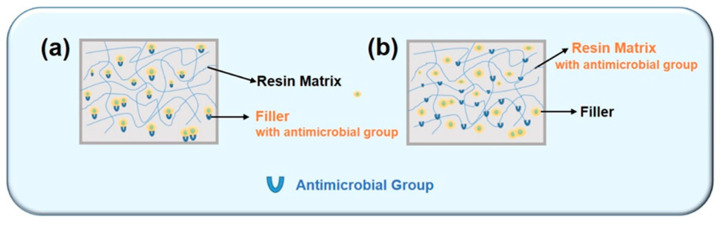
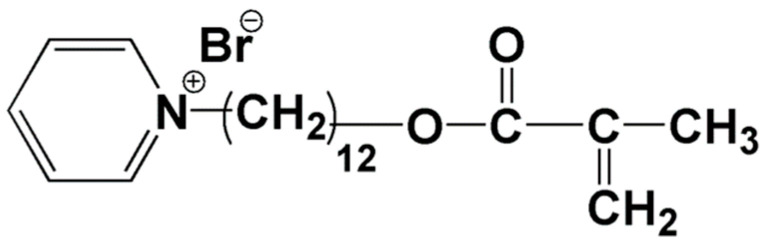
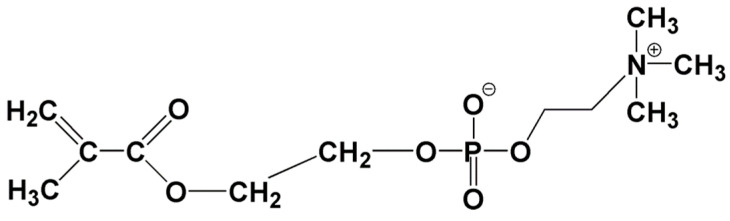
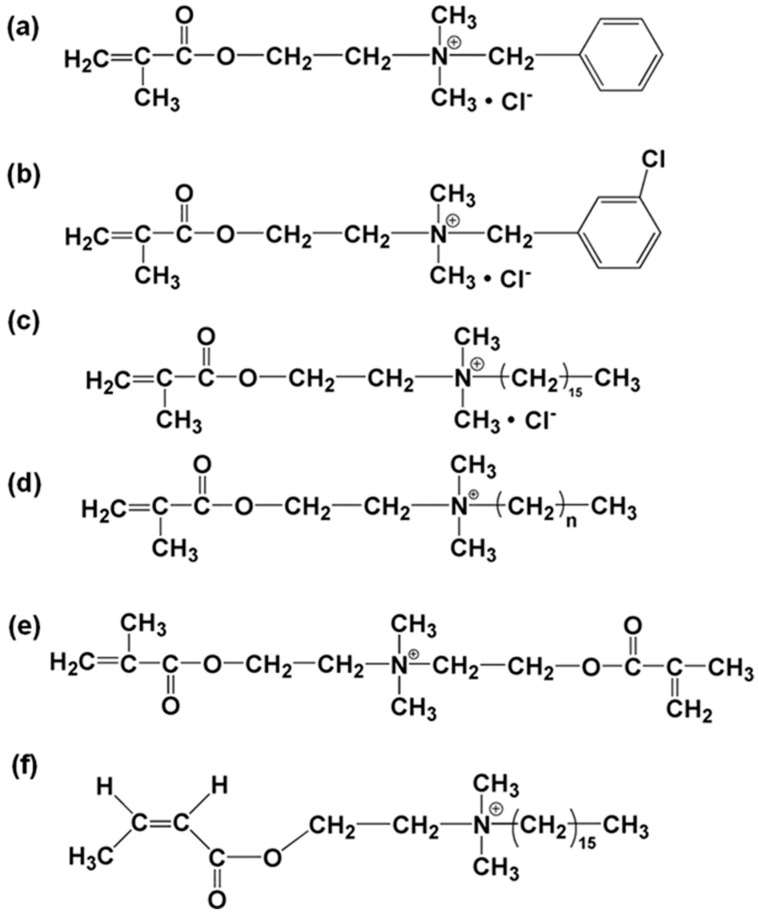
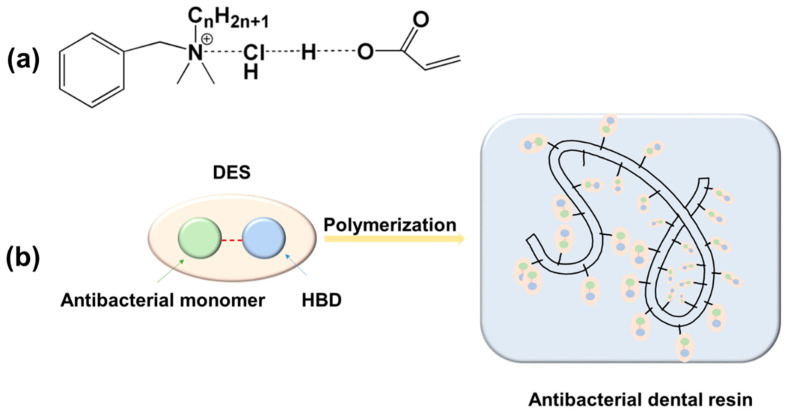
Dental resin composites have been widely used in a variety of direct and indirect dental restorations due to their aesthetic properties compared to amalgams and similar metals. Despite the fact that dental resin composites can contribute similar mechanical properties, they are more likely to have microbial accumulations leading to secondary caries. Therefore, the effective and long-lasting antimicrobial properties of dental resin composites are of great significance to their clinical applications. The approaches of ascribing antimicrobial properties to the resin composites may be divided into two types: The filler-type and the resin-type. In this review, the resin-type approaches were highlighted. Focusing on the antimicrobial polymers used in dental resin composites, their chemical structures, mechanical properties, antimicrobial effectiveness, releasing profile, and biocompatibility were included, and challenges, as well as future perspectives, were also discussed.
牙科树脂复合材料由于其美观性能,与汞合金和类似金属相比,已广泛应用于各种直接和间接的牙科修复。尽管牙科树脂复合材料可以提供相似的机械性能,但它们更容易积聚微生物,导致继发龋。因此,牙科树脂复合材料具有有效且持久的抗菌性能对其临床应用具有重要意义。赋予树脂复合材料抗菌性能的方法可分为两种类型:填料型和树脂型。本综述重点介绍了树脂型方法。关注牙科树脂复合材料中使用的抗菌聚合物,包括其化学结构、机械性能、抗菌效果、释放特性和生物相容性,并讨论了挑战和未来展望。