School of Nutrition and Health Sciences, College of Nutrition, Taipei Medical University, Taipei 11031, Taiwan.
Nutrition Research Center, Taipei Medical University Hospital, Taipei 11031, Taiwan.
Nutrients. 2020 Oct 19;12(10):3192. doi: 10.3390/nu12103192.
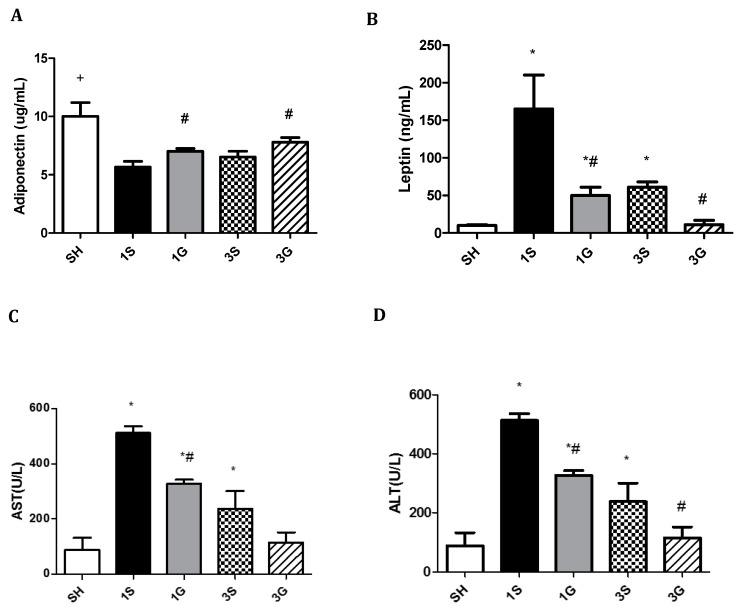
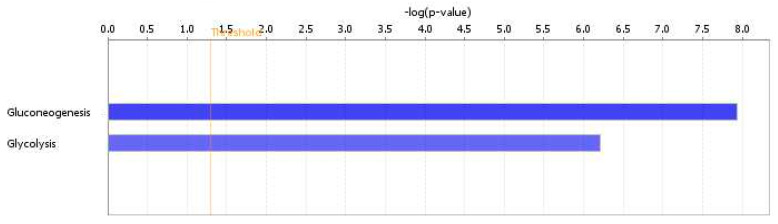
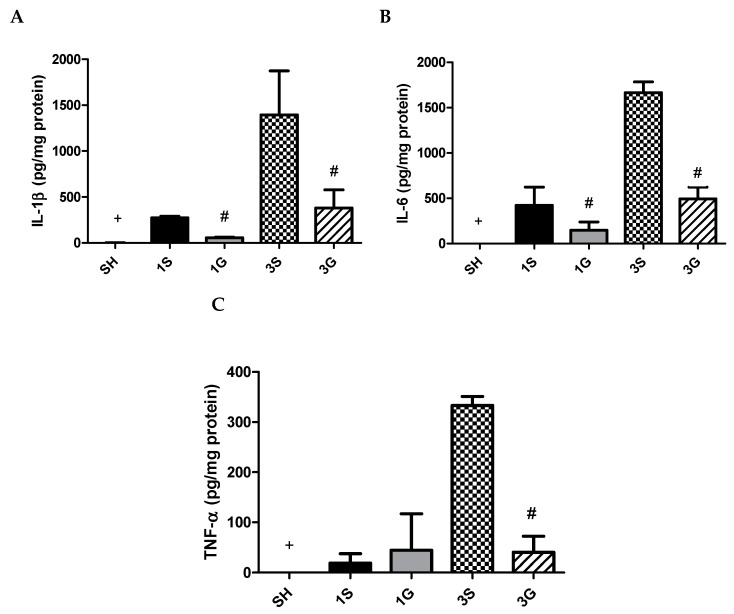
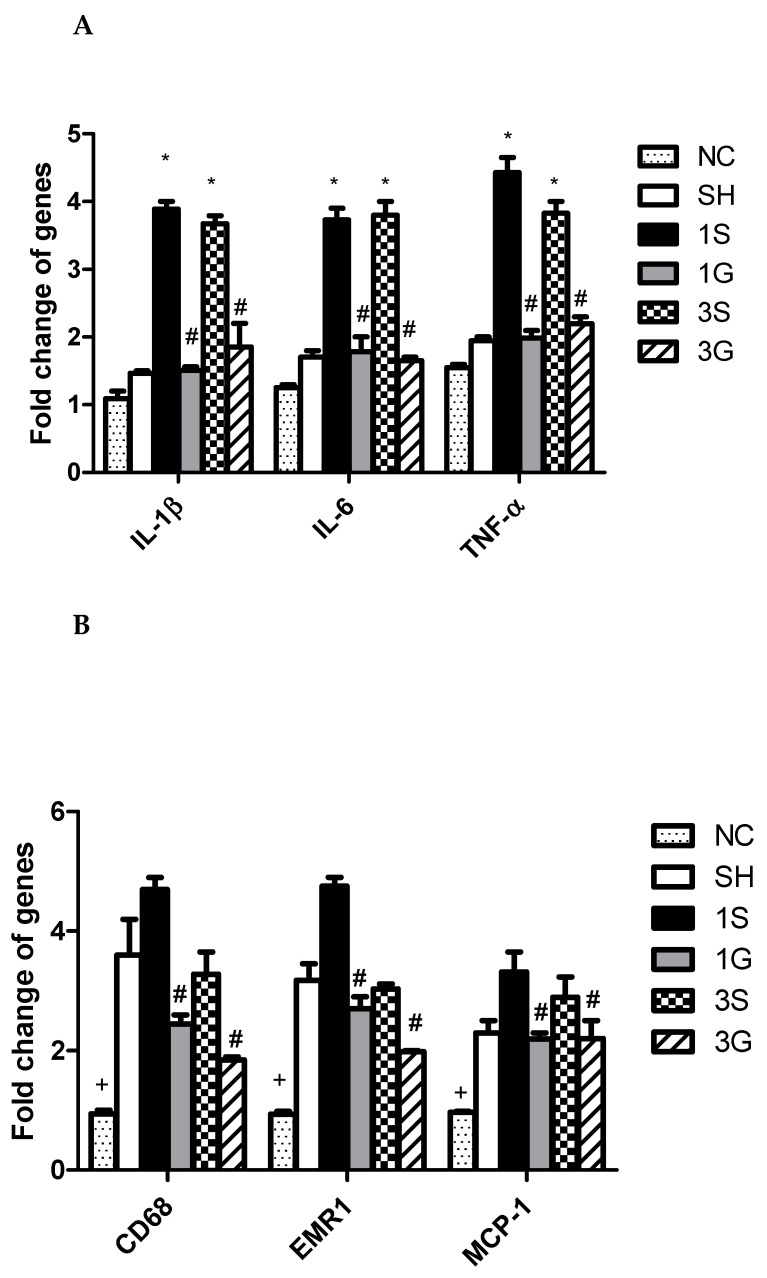
Obesity is a health problem associated with many metabolic disorders. Weight reduction can effectively alleviate obesity-associated complications. Sleeve gastrectomy is a commonly used bariatric surgery and is considered safe and effective for improving outcomes. Glutamine (GLN) is an amino acid with anti-oxidative and anti-inflammatory properties. This study used a mouse model of sleeve gastrectomy to investigate the impacts of intravenous GLN administration on glucose tolerance and adipocyte inflammation short-term after surgery. C57BL6 male mice were divided into normal control (NC) and high-fat diet groups. The high-fat diet provided 60% of energy from fat for 10 weeks to induce obesity. Mice fed the high-fat diet were then assigned to a sham (SH) or sleeve gastrectomy with saline (S) or GLN (G) groups. The S group was intravenously injected with saline, while the G group was administered GLN (0.75 g/kg body weight) via a tail vein postoperatively. Mice in the experimental groups were sacrificed on day 1 or 3 after the surgery. Results showed that obesity resulted in fat accumulation, elevated glucose levels, and adipokines production. Sleeve gastrectomy aggravated expressions of inflammatory cytokine and macrophage infiltration markers, cluster of differentiation 68 (CD68), epidermal growth factor-like module-containing mucin-like hormone receptor-like 1 (EMR-1), and macrophage chemoattractant protein-1, in adipose tissues. Treatment of obese mice with GLN downregulated hepatic proteomic profiles associated with the gluconeogenesis pathway and improved glucose tolerance. Moreover, macrophage infiltration and adipose tissue inflammation were attenuated after the sleeve gastrectomy. These findings imply that postoperative intravenous GLN administration may improve glucose tolerance and attenuate inflammation shortly after the bariatric surgery in subjects with obesity.
肥胖是一种与多种代谢紊乱相关的健康问题。减轻体重可以有效缓解肥胖相关并发症。袖状胃切除术是一种常用的减重手术,被认为是安全有效的,可以改善手术结果。谷氨酰胺(GLN)是一种具有抗氧化和抗炎特性的氨基酸。本研究使用袖状胃切除术的小鼠模型,探讨术后短期内静脉注射 GLN 对葡萄糖耐量和脂肪细胞炎症的影响。C57BL6 雄性小鼠分为正常对照组(NC)和高脂肪饮食组。高脂肪饮食提供 60%的能量来自脂肪,持续 10 周以诱导肥胖。然后将高脂肪饮食喂养的小鼠分为假手术(SH)或袖状胃切除术加生理盐水(S)或 GLN(G)组。S 组静脉注射生理盐水,而 G 组术后经尾静脉给予 GLN(0.75 g/kg 体重)。实验组小鼠于术后第 1 天或第 3 天处死。结果显示,肥胖导致脂肪堆积、血糖升高和脂肪因子产生。袖状胃切除术加重了炎症细胞因子和巨噬细胞浸润标志物,包括 CD68、表皮生长因子样模块包含粘蛋白样激素受体样 1(EMR-1)和巨噬细胞趋化蛋白-1,在脂肪组织中的表达。肥胖小鼠接受 GLN 治疗后,下调了与糖异生途径相关的肝蛋白质组谱,改善了葡萄糖耐量。此外,袖状胃切除术后巨噬细胞浸润和脂肪组织炎症减轻。这些发现表明,肥胖患者术后静脉内给予 GLN 可能在减重手术后短期内改善葡萄糖耐量并减轻炎症。