Saraswat Nikita, Sachan Neetu, Chandra Phool
Institute of Pharmacy, Pranveer Singh Institute of Technology, Kanpur-Agra-Delhi National Highway-2, Bhauti, Kanpur (UP), 209 305, India.
School of Pharmaceutical Sciences, IFTM University, Lodhipur Rajput, Delhi Road (NH-24), Moradabad (UP), 244 102, India.
Heliyon. 2020 Oct 12;6(10):e05137. doi: 10.1016/j.heliyon.2020.e05137. eCollection 2020 Oct.
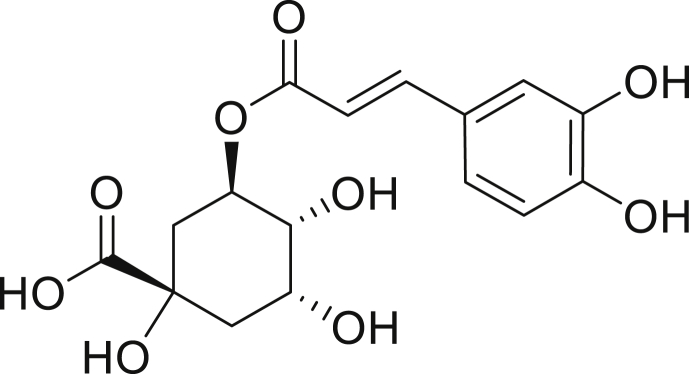
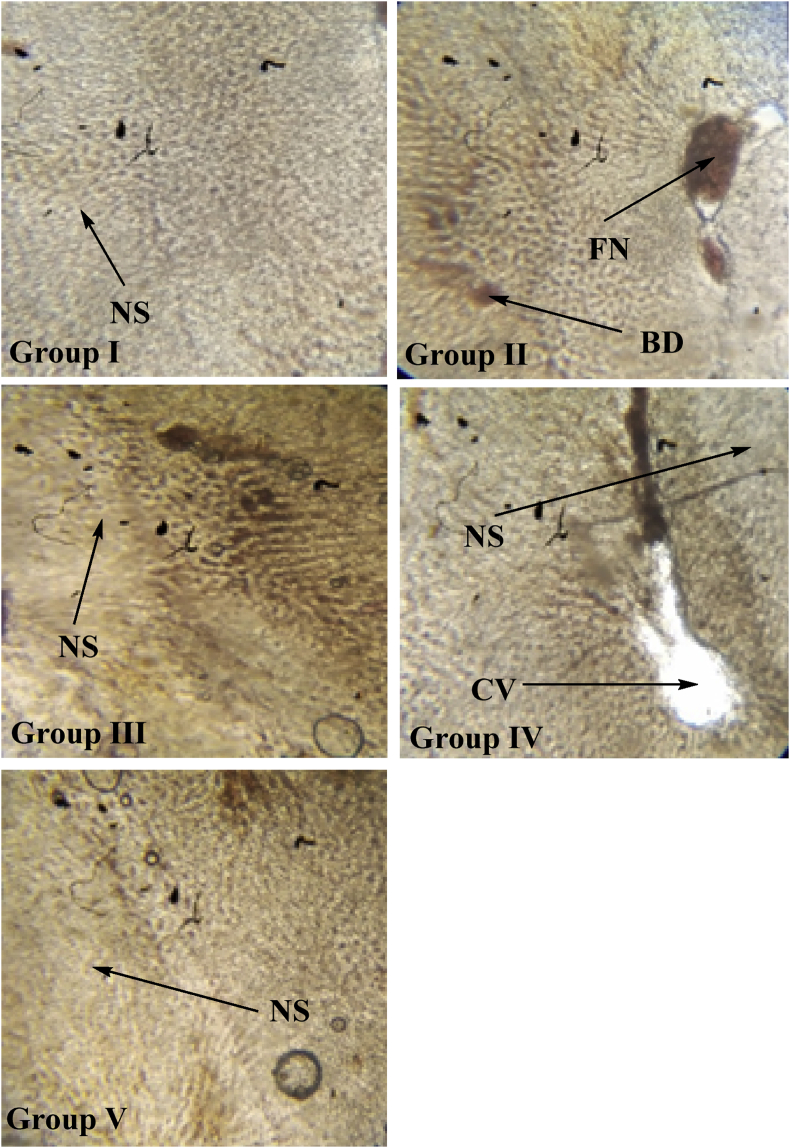
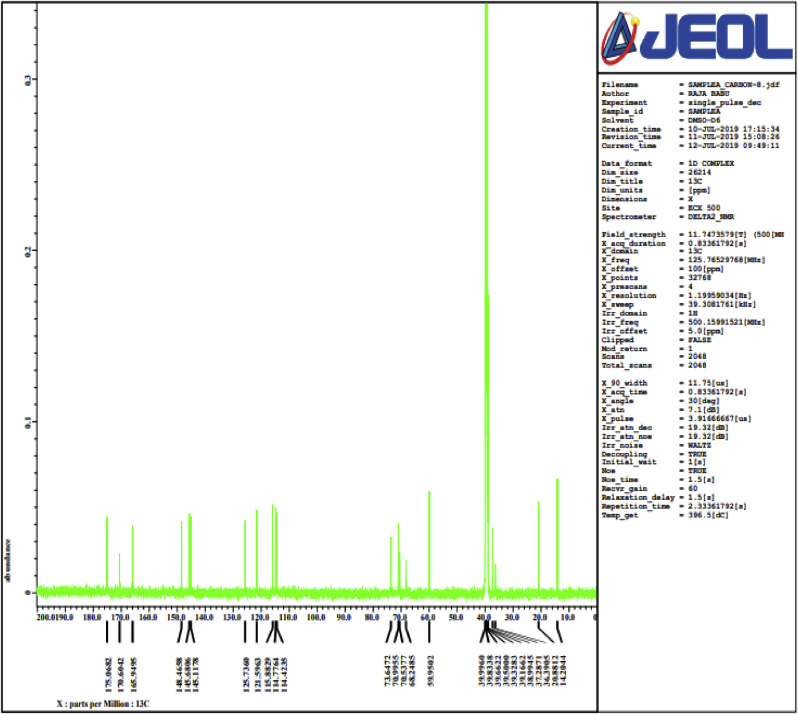
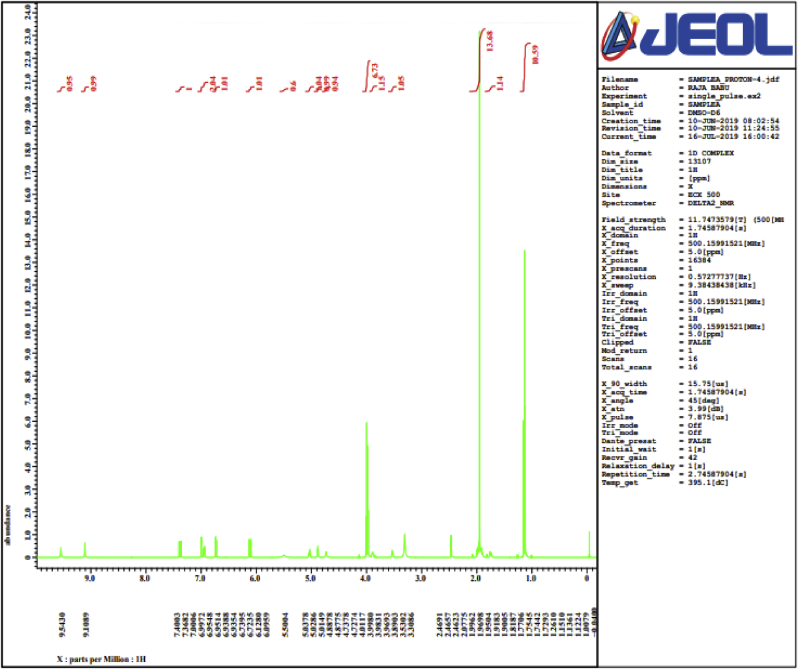
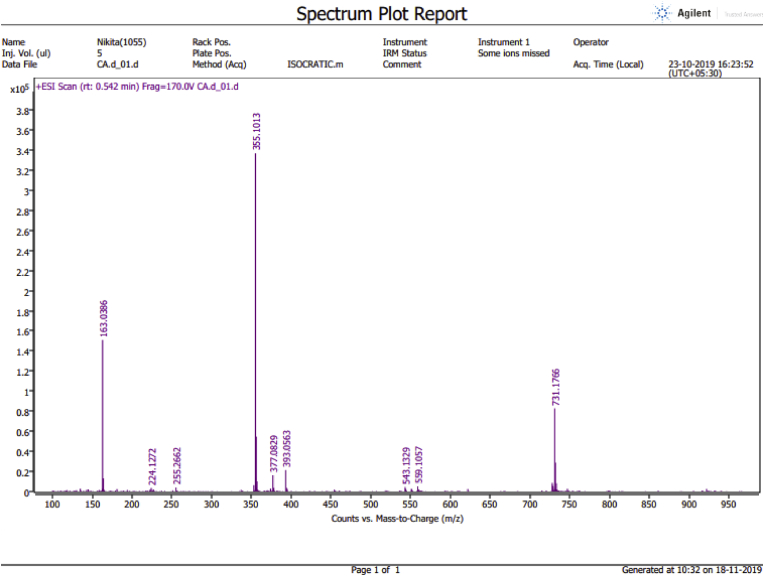
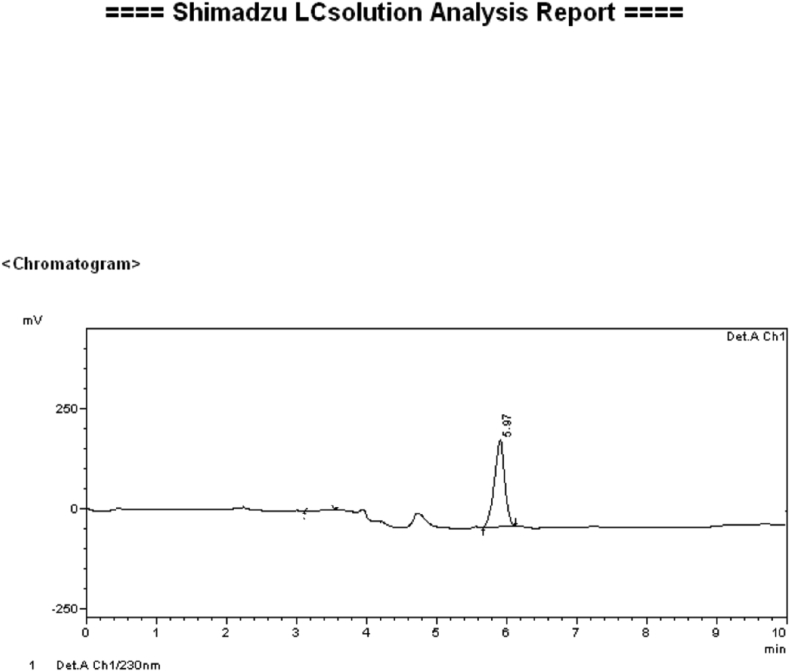
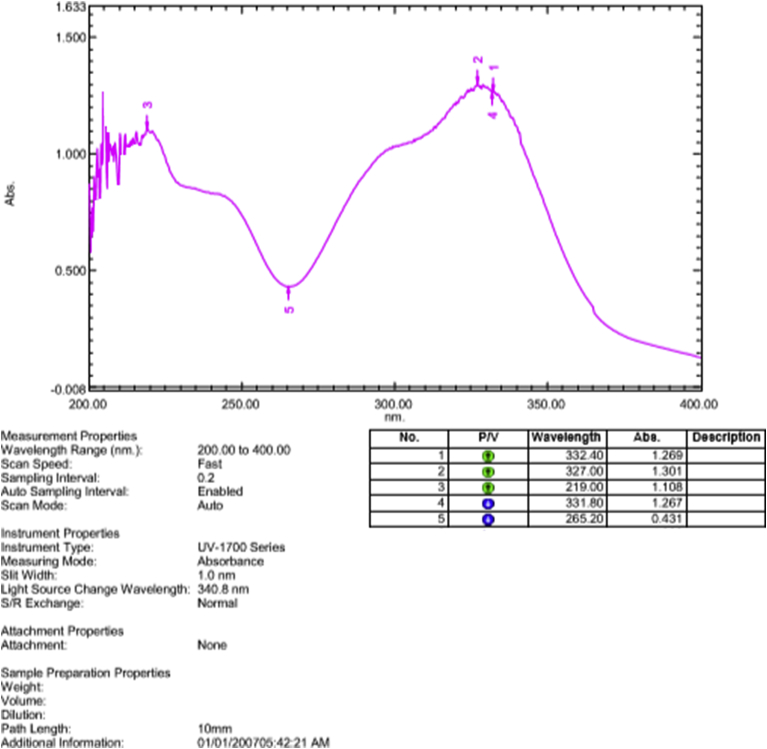
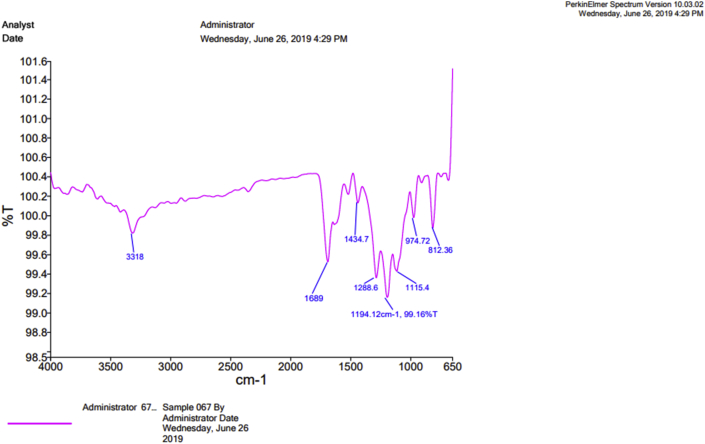
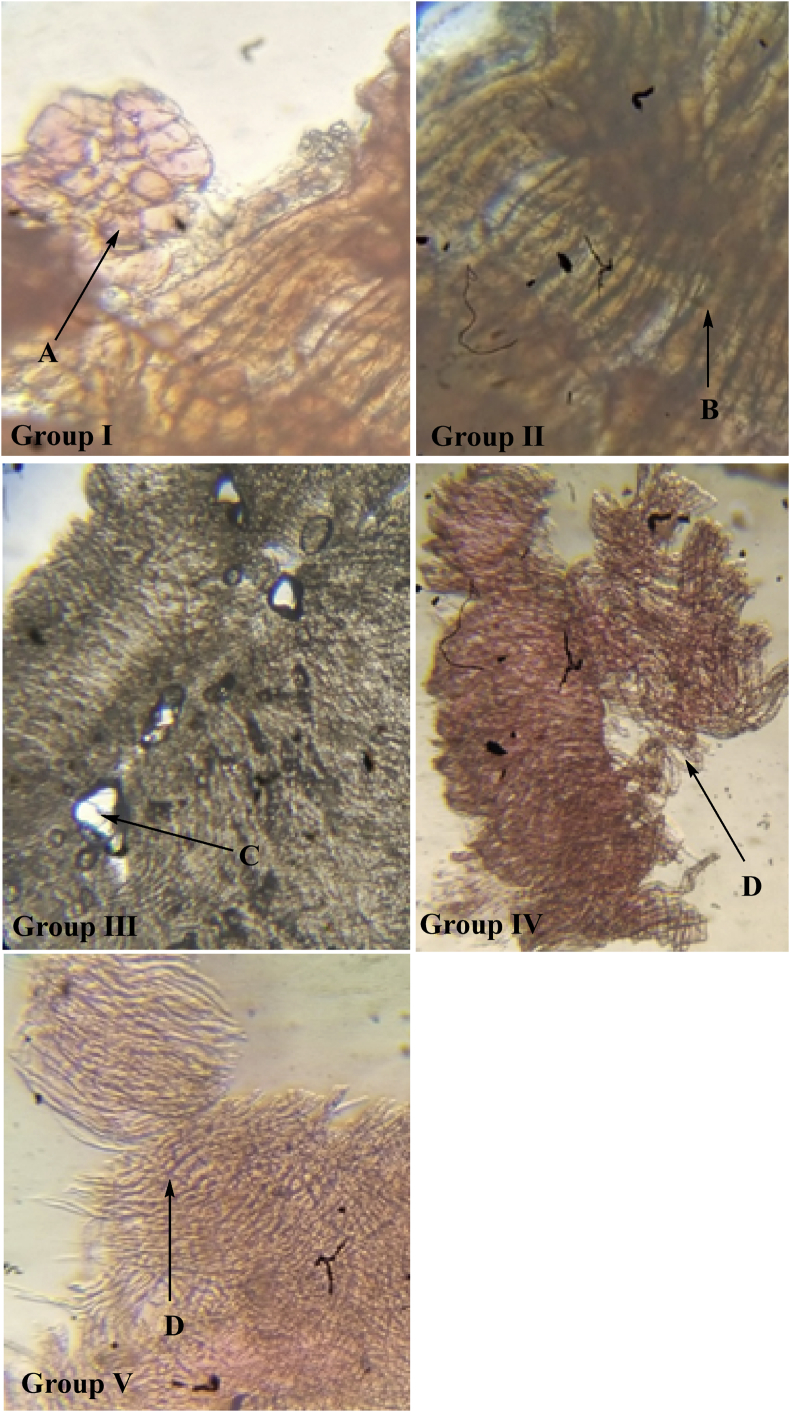
Phytopharmaceuticals have always reported vital roles in the field of medicine hence the need to investigate safe and efficient drugs for treating metabolic disorders is very significant. Roots of have therapeutic benefits and are widely used by the people of the Rohtang region for treating diabetes and its associated complications. The present study focusses on the isolation of the bioactive from the roots for estimating acute toxicity studies, anti-diabetic and diabetic neuropathy protective action along with the mechanism of action in STZ induced Wistar rats. The roots were collected from the Rohtang region, Himalayas. Chlorogenic acid was isolated and underwent identification by UV, HPLC, H NMR, C13 NMR, Mass, and FTIR spectroscopy methods. Chlorogenic acid was dosed at 10 and 20 mg/kg to observe the effects on experimentally induced diabetes and with time generated diabetic neuropathic complications. Biomarkers TNF-α, superoxide dismutase, nitrosative stress, lipid peroxide profile, and membrane-bound inorganic phosphate were analyzed. Histopathological evaluation of the liver and sciatic nerve was performed for all groups. Parameters like blood glucose levels, body weight, food intake, Thermal Hyperalgesia, Writhing, Cold Hyperalgesia Responses, Mechanical hyperalgesia, Grip Strength, Spontaneous Locomotor (Exploratory) Test, Neuromuscular Coordination tests, and lipid profile analysis showcased the anti-diabetic and diabetic neuropathy protective action of the drug. Inflammation, degradation, and necrosis were found to be reduced in the liver and sciatic nerve cells of treated groups. All the biomarkers used to analyze the oxidative pathway were significantly replenished indicates that chlorogenic acid produces these effects through this pathway.
植物药在医学领域一直发挥着重要作用,因此研究用于治疗代谢紊乱的安全有效药物具有重要意义。某植物的根具有治疗功效,罗塘地区的人们广泛使用其来治疗糖尿病及其相关并发症。本研究聚焦于从该植物根中分离生物活性成分,以评估急性毒性研究、抗糖尿病和糖尿病神经病变保护作用以及在链脲佐菌素诱导的Wistar大鼠中的作用机制。该植物的根采自喜马拉雅山脉的罗塘地区。分离出绿原酸,并通过紫外、高效液相色谱、氢核磁共振、碳-13核磁共振、质谱和傅里叶变换红外光谱法进行鉴定。以10和20毫克/千克的剂量给予绿原酸,以观察其对实验性诱导糖尿病的影响以及随着时间产生的糖尿病神经病变并发症。分析了生物标志物肿瘤坏死因子-α、超氧化物歧化酶、亚硝化应激、脂质过氧化物谱和膜结合无机磷酸盐。对所有组进行了肝脏和坐骨神经的组织病理学评估。血糖水平、体重、食物摄入量、热痛觉过敏、扭体反应、冷痛觉过敏反应、机械性痛觉过敏、握力、自发运动(探索性)试验、神经肌肉协调试验和血脂分析等参数展示了该药物的抗糖尿病和糖尿病神经病变保护作用。在治疗组的肝脏和坐骨神经细胞中发现炎症、降解和坏死减少。用于分析氧化途径的所有生物标志物均得到显著补充,表明绿原酸通过该途径产生这些作用。