Schnaubelt Sebastian, Breyer Marie-Kathrin, Siller-Matula Jolanta, Domanovits Hans
Department of Emergency Medicine, Medical University of Vienna, Vienna, Austria.
Pulmonary Intensive Care Unit, Otto-Wagner Spital Vienna, Vienna, Austria.
Eur Heart J Case Rep. 2020 Jun 24;4(FI1):1-6. doi: 10.1093/ehjcr/ytaa166. eCollection 2020 Oct.
Fulminant cardiac involvement in COVID-19 patients has been reported; the underlying suspected mechanisms include myocarditis, arrhythmia, and cardiac tamponade. In parallel, atrial fibrillation is common in the elderly population which is at particularly high risk for COVID-19 morbidity and mortality.
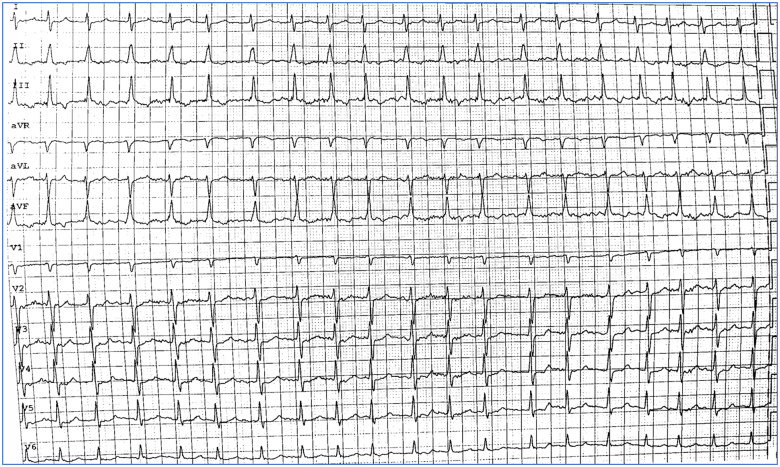
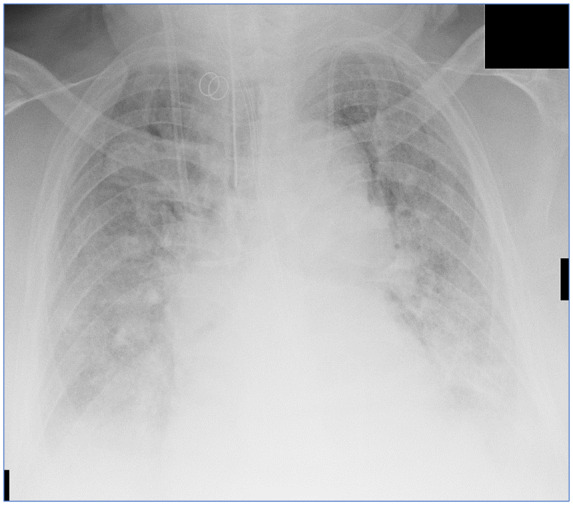
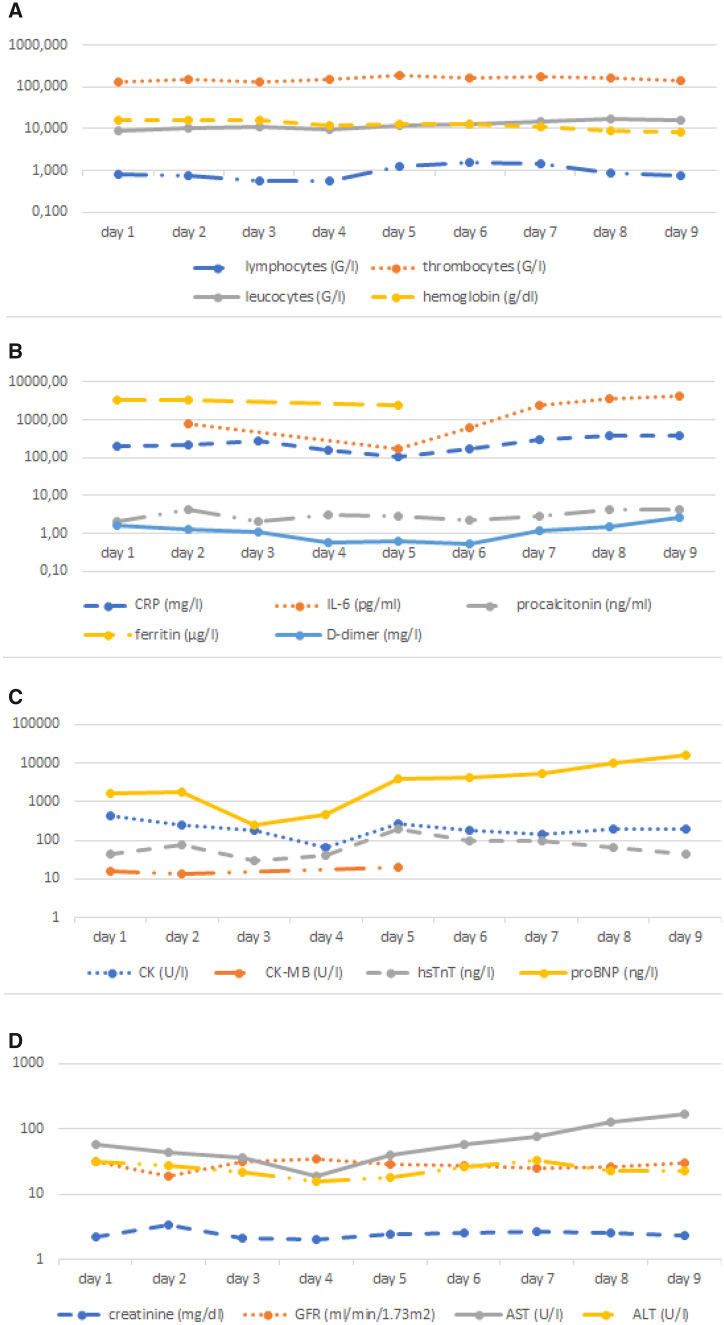
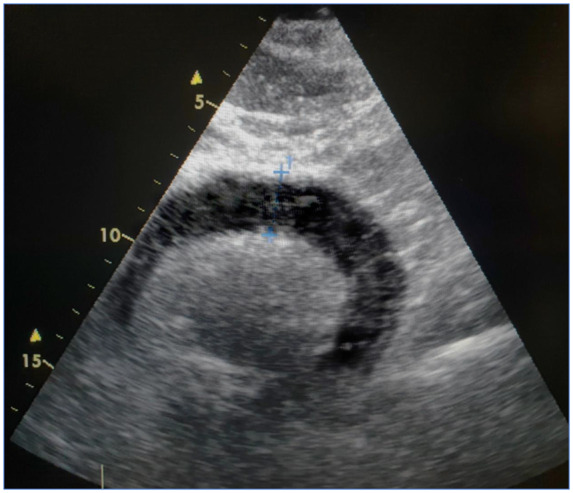
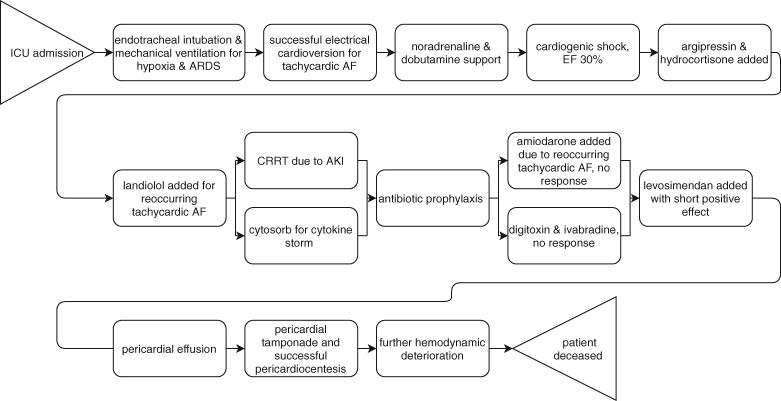
A 72-year-old male SARS-CoV2-positive patient was admitted to the intensive care unit due to delirium and acute respiratory failure. Atrial fibrillation known from history was exacerbated, and made complex rate and rhythm control necessary. Progressive heart failure with haemodynamic deterioration and acute kidney injury with the need for continuous renal replacement therapy were further aggravated by pericardial tamponade.
Treatment of acute heart failure in COVID-19 patients with a cytokine storm complicated by tachycardic atrial fibrillation should include adequate rate or rhythm control, and potentially immunomodulation.
已有报道称新冠病毒病(COVID-19)患者会出现暴发性心脏受累情况;潜在的可疑机制包括心肌炎、心律失常和心脏压塞。与此同时,心房颤动在老年人群中很常见,而这一人群感染COVID-19后发病和死亡风险特别高。
一名72岁男性SARS-CoV-2阳性患者因谵妄和急性呼吸衰竭入住重症监护病房。既往已知的心房颤动病情加重,需要进行复杂的心率和节律控制。心包压塞进一步加重了进行性心力衰竭伴血流动力学恶化以及需要持续肾脏替代治疗的急性肾损伤。
对于伴有细胞因子风暴且并发快速性心房颤动的COVID-19患者,急性心力衰竭的治疗应包括适当的心率或节律控制,以及可能的免疫调节。