Cellular and Molecular Research Center, Yasuj University of Medical Sciences, Yasuj, Iran.
Medical Parasitology and Mycology Department, Yasuj University of Medical Sciences, Yasuj, Iran.
BMC Public Health. 2020 Oct 27;20(1):1611. doi: 10.1186/s12889-020-09638-w.
Cystic echinococcosis (CE), a worldwide zoonotic disease, is affected by various biological and environmental factors. We investigated dog/livestock populations, climatic and environmental factors influencing the distribution of human CE cases in Fars province, southwest Iran.
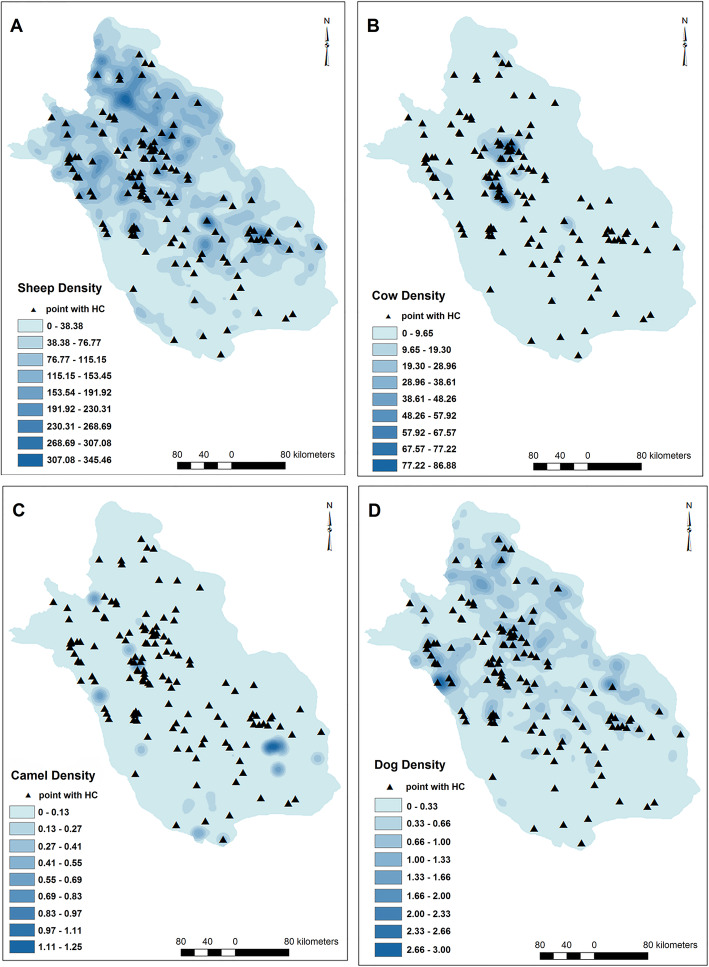
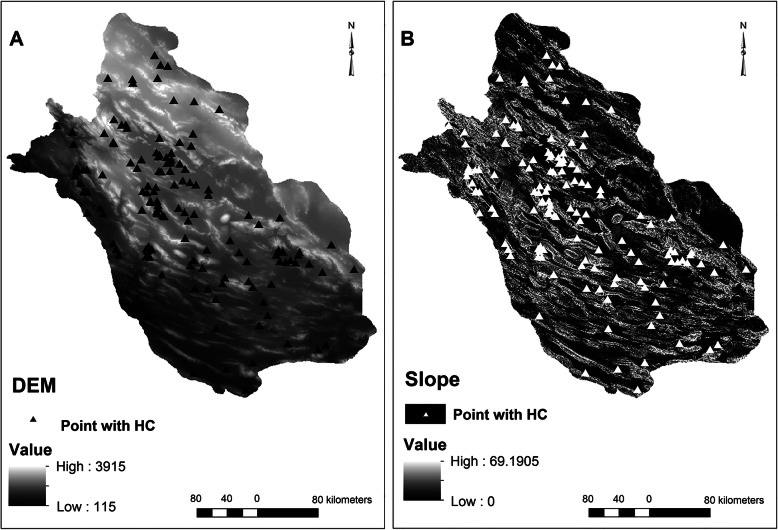
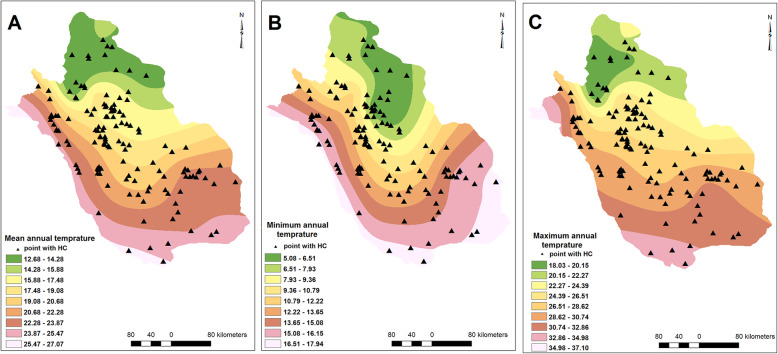
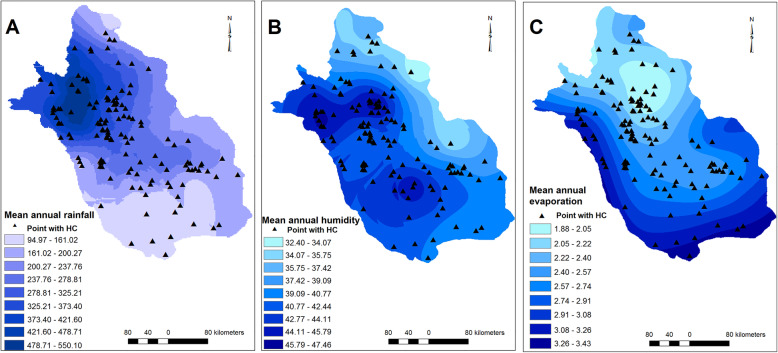
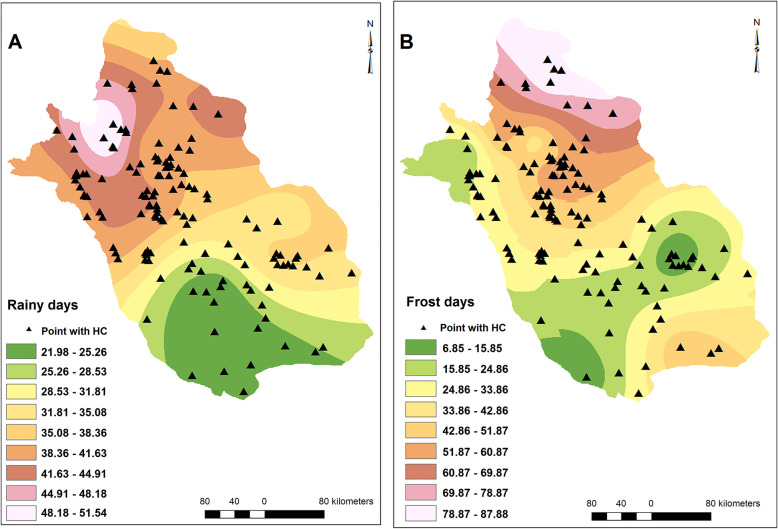
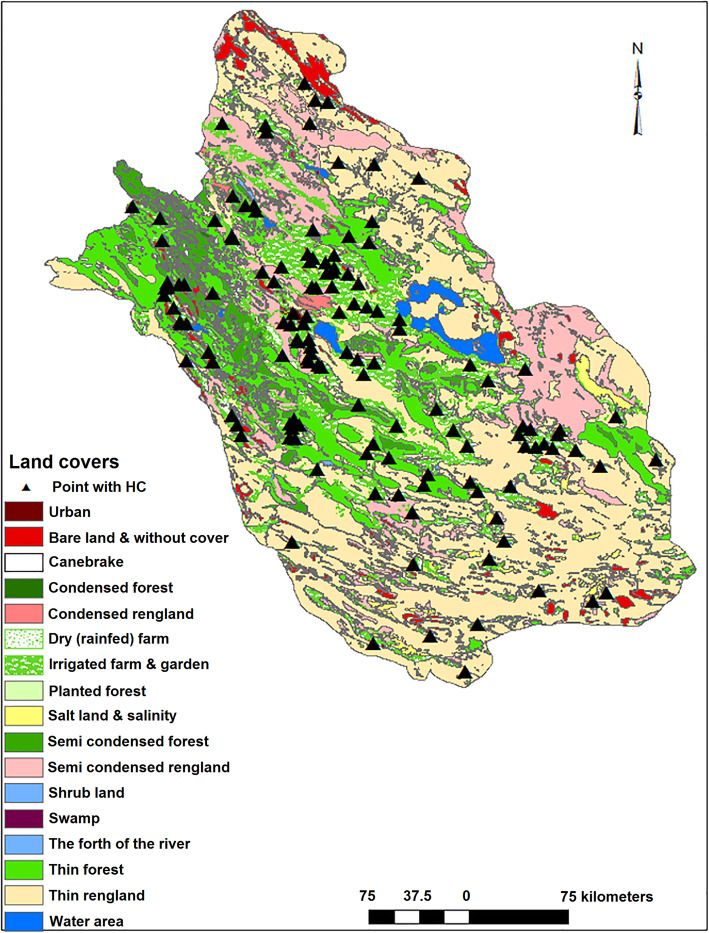
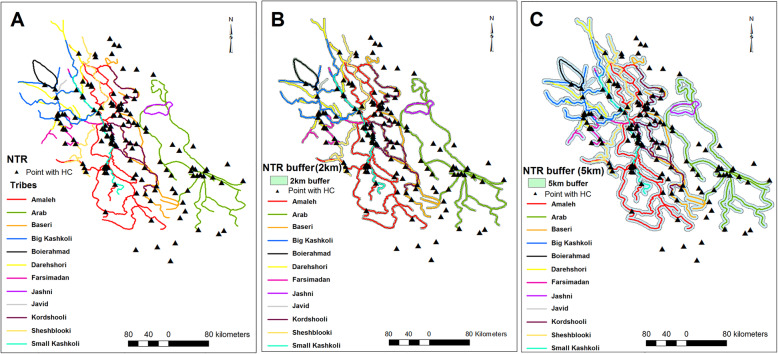
We mapped the addresses of 266 hospitalised CE patients (2004-2014) and studied the effects of different temperature models, mean annual rainfall and humidity, number of frosty days, slope, latitude, land covers, close proximity to nomads travel routes, livestock and dog densities on the occurrence of CE using geographical information systems approach. Data were analyzed by logistic regression.
In the multivariate model predicting CE, living in an urban setting and densities of cattle and dogs were the most important CE predictors, sequentially. Dry (rained) farm, density of camel and sheep, close proximity to nomads travel routes, humidity, and slope also were considered as the determinants of CE distribution, when analyzed independently. Slope had a negative correlation with CE while temperature, frost days and latitude were not associated with CE.
In our study, an urban setting was the most important risk factor and likely due to a combination of the high density of key life cycle hosts, dogs and livestock, a large human susceptible population and the high number of abattoirs. Farmland and humidity were highly suggestive risk factors and these conditions support the increased survival of Echinococcus granulosus eggs in the soil. These findings support the development of strategies for control of disease. More research is needed test optimal interventions.
棘球蚴病(CE)是一种全球性人畜共患疾病,受多种生物和环境因素的影响。我们调查了伊朗法尔斯省犬/牲畜数量、气候和环境因素对人类 CE 病例分布的影响。
我们绘制了 266 名住院 CE 患者(2004-2014 年)的地址图,并使用地理信息系统方法研究了不同温度模型、年平均降雨量和湿度、结霜天数、坡度、纬度、土地覆盖、与游牧民旅行路线的接近程度、牲畜和犬密度对 CE 发生的影响。数据采用逻辑回归进行分析。
在预测 CE 的多变量模型中,居住在城市环境中和牛、犬的密度是最重要的 CE 预测因素,依次排列。干旱(降雨)农场、骆驼和绵羊密度、靠近游牧民旅行路线、湿度和坡度也被认为是 CE 分布的决定因素,当独立分析时。坡度与 CE 呈负相关,而温度、结霜天数和纬度与 CE 无关。
在我们的研究中,城市环境是最重要的危险因素,这可能是由于关键生命周期宿主(犬和牲畜)、人类易感人群和大量屠宰场的高密度的综合原因。农田和湿度是高度提示性的危险因素,这些条件支持棘球蚴虫卵在土壤中存活能力的提高。这些发现支持制定疾病控制策略。需要进一步研究以检验最佳干预措施。