Department of Surgery, Washington University School of Medicine, St. Louis, MO, United States.
Department of Genetics, Washington University School of Medicine, St. Louis, MO, United States.
Front Immunol. 2020 Oct 1;11:584310. doi: 10.3389/fimmu.2020.584310. eCollection 2020.
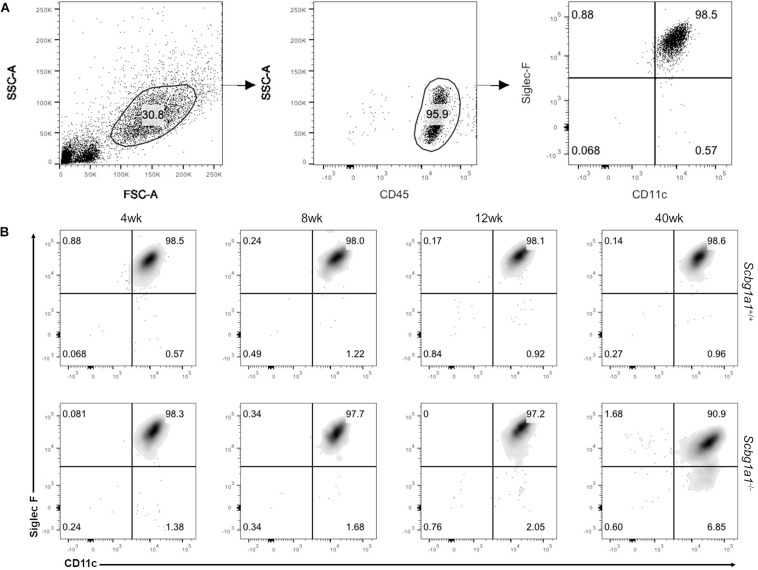
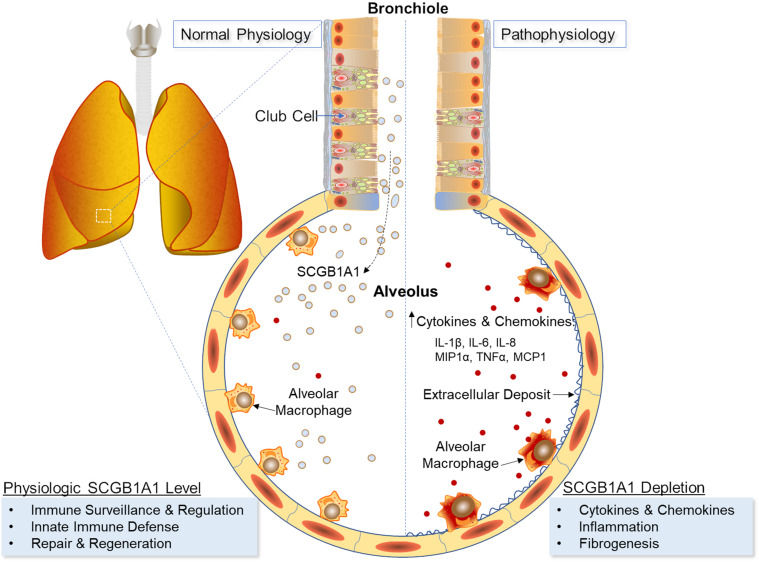
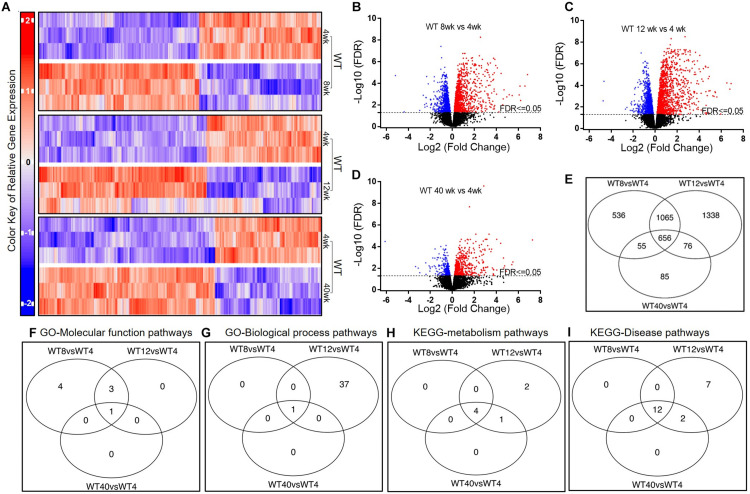
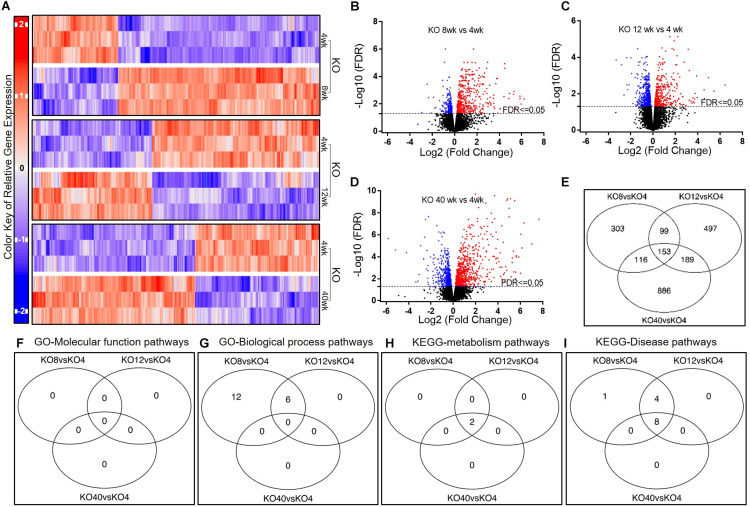
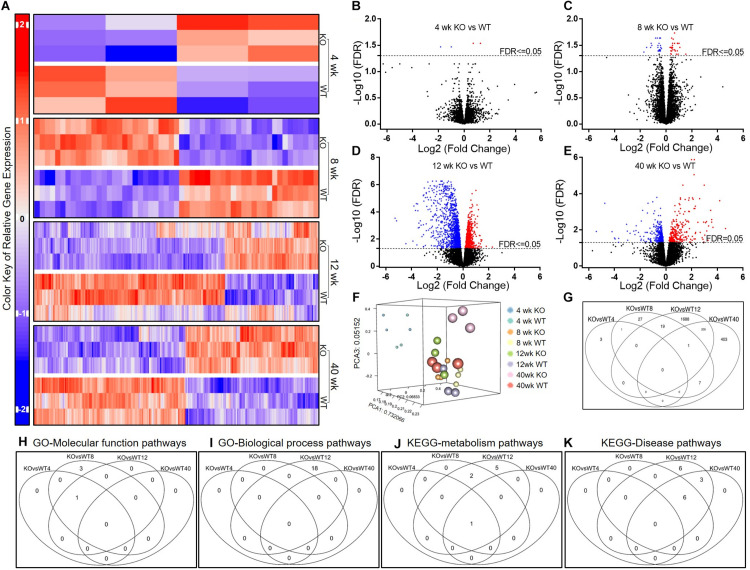
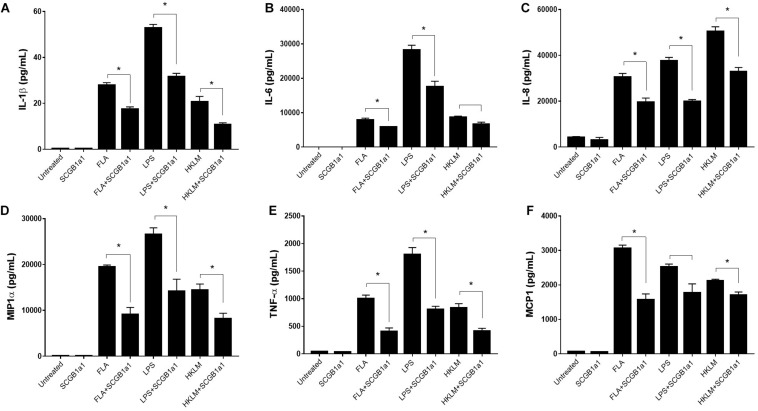
Alveolar macrophage (AM) is a mononuclear phagocyte key to the defense against respiratory infections. To understand AM's role in airway disease development, we examined the influence of Secretoglobin family 1a member 1 (SCGB1A1), a pulmonary surfactant protein, on AM development and function. In a murine model, high-throughput RNA-sequencing and gene expression analyses were performed on purified AMs isolated from mice lacking in gene and were compared with that from mice expressing the wild type at weaning (4 week), puberty (8 week), early adult (12 week), and middle age (40 week). AMs from early adult mice under sufficiency demonstrated a total of 37 up-regulated biological pathways compared to that at weaning, from which 30 were directly involved with antigen presentation, anti-viral immunity and inflammation. Importantly, these pathways under deficiency were significantly down-regulated compared to that in the age-matched sufficient counterparts. Furthermore, AMs from -deficient mice showed an early activation of inflammatory pathways compared with that from -sufficient mice. Our experiments with AM culture established that exogenous supplementation of SCGB1a1 protein significantly reduced AM responses to microbial stimuli where SCGB1a1 was effective in blunting the release of cytokines and chemokines (including IL-1b, IL-6, IL-8, MIP-1a, TNF-a, and MCP-1). Taken together, these findings suggest an important role for in shaping the AM-mediated inflammation and immune responses, and in mitigating cytokine surges in the lungs.
肺泡巨噬细胞 (AM) 是一种单核吞噬细胞,对于抵抗呼吸道感染至关重要。为了了解 AM 在气道疾病发展中的作用,我们研究了肺表面活性蛋白 Secretoglobin family 1a member 1 (SCGB1A1) 对 AM 发育和功能的影响。在一个小鼠模型中,我们对从缺乏基因的小鼠中分离出的纯化 AM 进行了高通量 RNA 测序和基因表达分析,并与在断奶时(4 周)、青春期(8 周)、早期成年(12 周)和中年(40 周)表达野生型的小鼠进行了比较。与断奶时相比,早期成年小鼠在缺乏 时共有 37 个上调的生物学途径,其中 30 个直接涉及抗原呈递、抗病毒免疫和炎症。重要的是,与年龄匹配的充足对照组相比,这些途径在缺乏时明显下调。此外,与充足对照组相比,缺乏小鼠的 AM 表现出更早的炎症途径激活。我们的 AM 培养实验表明,外源性补充 SCGB1a1 蛋白可显著降低 AM 对微生物刺激的反应,SCGB1a1 可有效抑制细胞因子和趋化因子(包括 IL-1b、IL-6、IL-8、MIP-1a、TNF-a 和 MCP-1)的释放。综上所述,这些发现表明 在塑造 AM 介导的炎症和免疫反应以及减轻肺部细胞因子激增方面发挥着重要作用。