Chovanová Katarína, Böhmer Miroslav, Poljovka Andrej, Budiš Jaroslav, Harichová Jana, Szemeš Tomáš, Zámocký Marcel
Laboratory for Phylogenomic Ecology, Institute of Molecular Biology, Slovak Academy of Sciences, Dúbravska cesta 21, SK-84551 Bratislava, Slovakia.
Department of Molecular Biology, Faculty of Nat. Sciences, Science Park of Comenius University, Comenius University, Ilkovičova 8, SK-84104 Bratislava, Slovakia.
Antioxidants (Basel). 2020 Oct 27;9(11):1047. doi: 10.3390/antiox9111047.
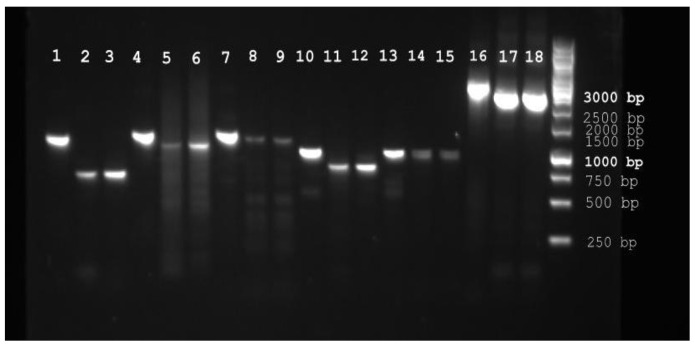
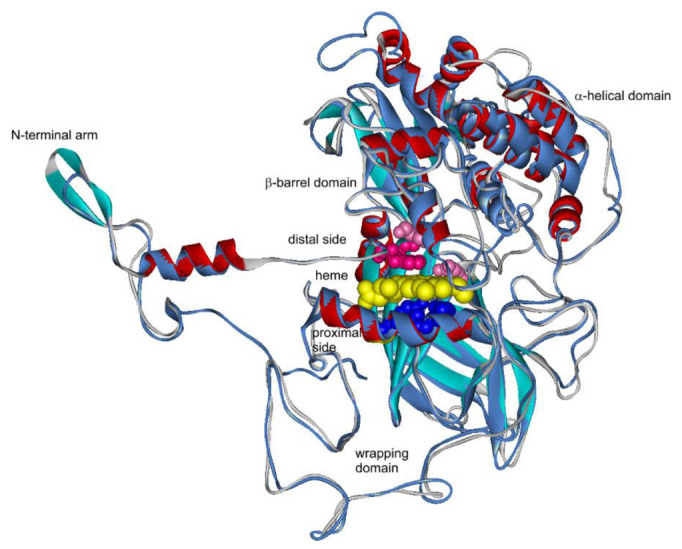
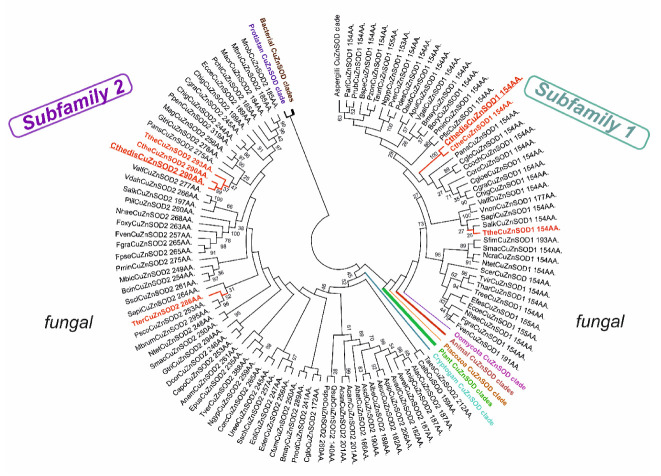
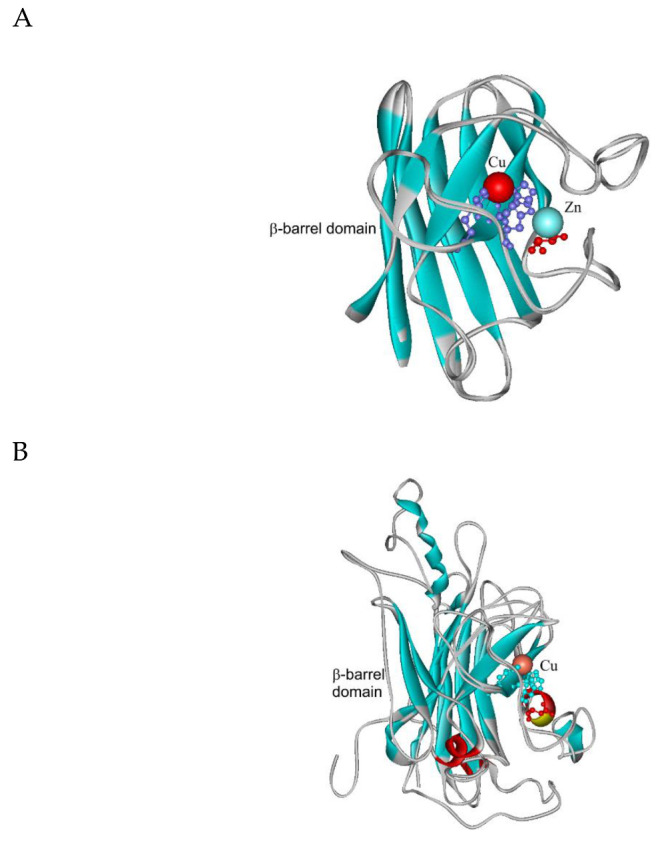
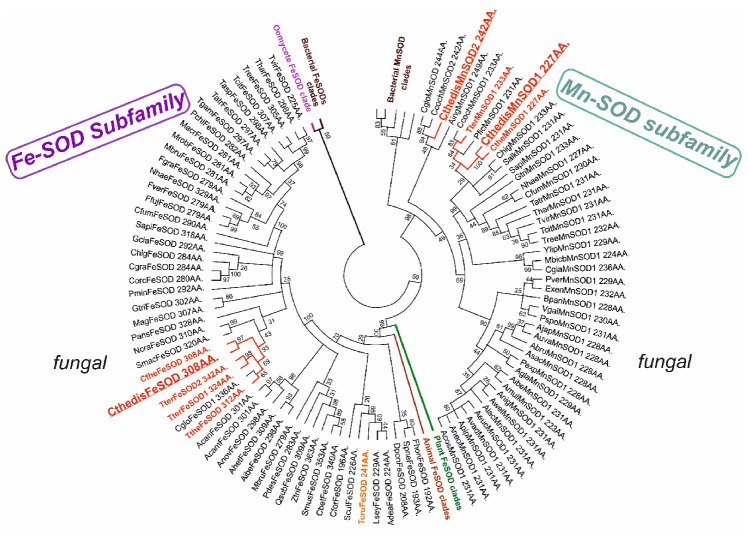
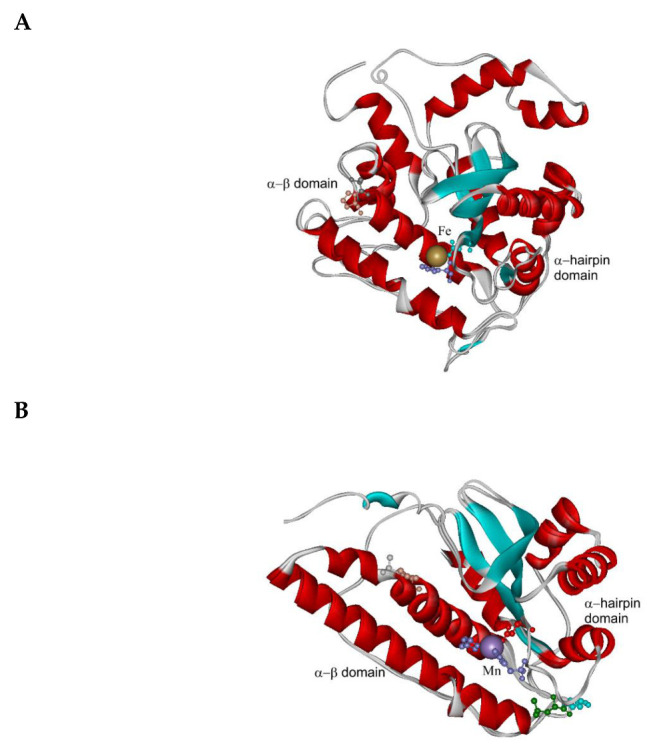
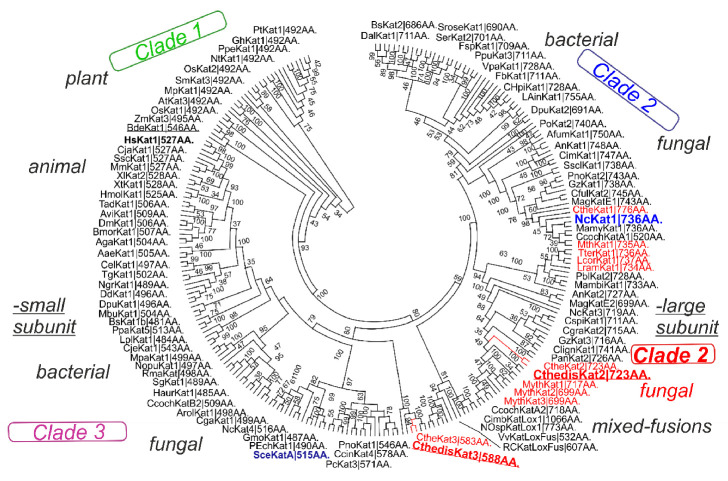
Catalases (CAT) and superoxide dismutases (SOD) represent two main groups of enzymatic antioxidants that are present in almost all aerobic organisms and even in certain anaerobes. They are closely interconnected in the catabolism of reactive oxygen species because one product of SOD reaction (hydrogen peroxide) is the main substrate of CAT reaction finally leading to harmless products (i.e., molecular oxygen and water). It is therefore interesting to compare the molecular evolution of corresponding gene families. We have used a phylogenomic approach to elucidate the evolutionary relationships among these two main enzymatic antioxidants with a focus on the genomes of thermophilic fungi. Distinct gene families coding for CuZnSODs, FeMnSODs, and heme catalases are very abundant in thermophilic Ascomycota. Here, the presented results demonstrate that whereas superoxide dismutase genes remained rather constant during long-term evolution, the total count of heme catalase genes was reduced in thermophilic fungi in comparison with their mesophilic counterparts. We demonstrate here, for the newly discovered ascomycetous genes coding for thermophilic superoxide dismutases and catalases (originating from our sequencing project), the expression patterns of corresponding mRNA transcripts and further analyze translated protein sequences. Our results provide important implications for the physiology of reactive oxygen species metabolism in eukaryotic cells at elevated temperatures.
过氧化氢酶(CAT)和超氧化物歧化酶(SOD)是两类主要的酶促抗氧化剂,几乎存在于所有需氧生物甚至某些厌氧菌中。它们在活性氧的分解代谢中紧密相连,因为SOD反应的一种产物(过氧化氢)是CAT反应的主要底物,最终产生无害产物(即分子氧和水)。因此,比较相应基因家族的分子进化很有意思。我们采用了系统基因组学方法来阐明这两种主要酶促抗氧化剂之间的进化关系,重点关注嗜热真菌的基因组。编码铜锌超氧化物歧化酶、铁锰超氧化物歧化酶和血红素过氧化氢酶的不同基因家族在嗜热子囊菌中非常丰富。在此,呈现的结果表明,虽然超氧化物歧化酶基因在长期进化过程中保持相对稳定,但与中温真菌相比,嗜热真菌中血红素过氧化氢酶基因的总数减少了。我们在此展示了新发现的编码嗜热超氧化物歧化酶和过氧化氢酶的子囊菌基因(源自我们的测序项目)、相应mRNA转录本的表达模式,并进一步分析了翻译后的蛋白质序列。我们的结果为高温下真核细胞中活性氧代谢的生理学提供了重要启示。