Campedelli Gian Maria, Favarin Serena, Aziani Alberto, Piquero Alex R
Department of Sociology and Social Research, University of Trento, Trento, Italy.
School of Political and Social Sciences, Università Cattolica del Sacro Cuore, Milan, Italy.
Crime Sci. 2020;9(1):21. doi: 10.1186/s40163-020-00131-8. Epub 2020 Oct 27.
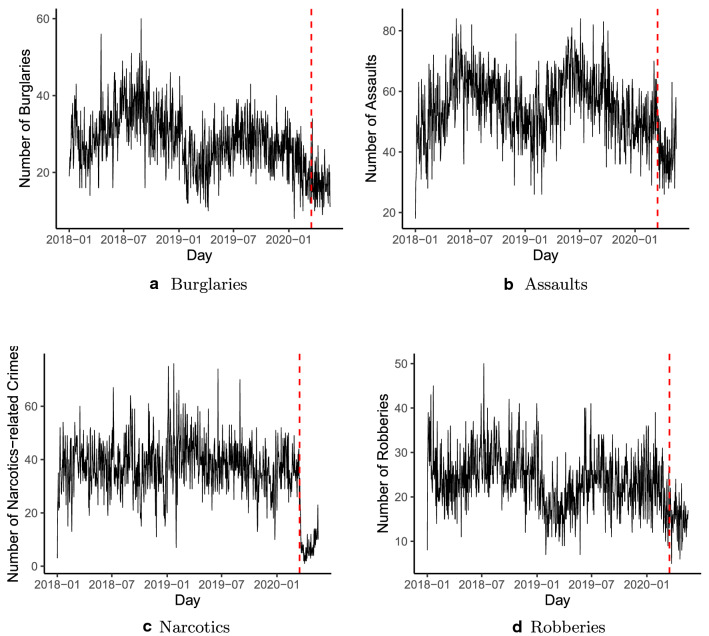
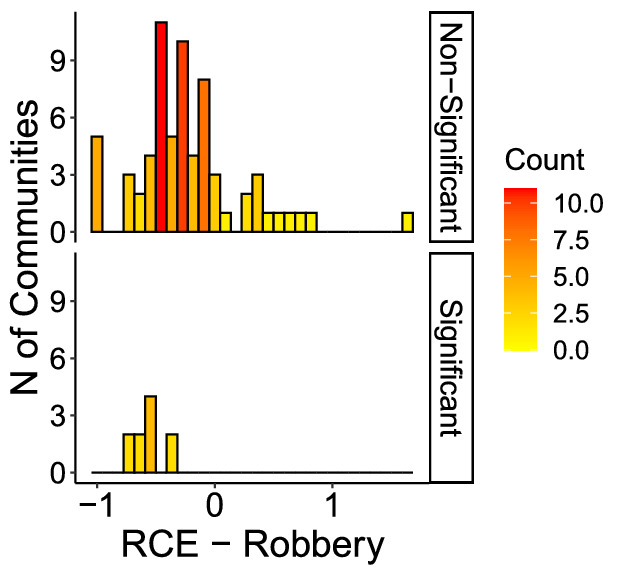
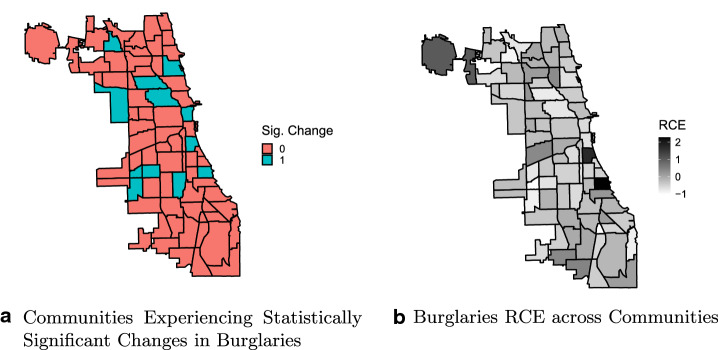
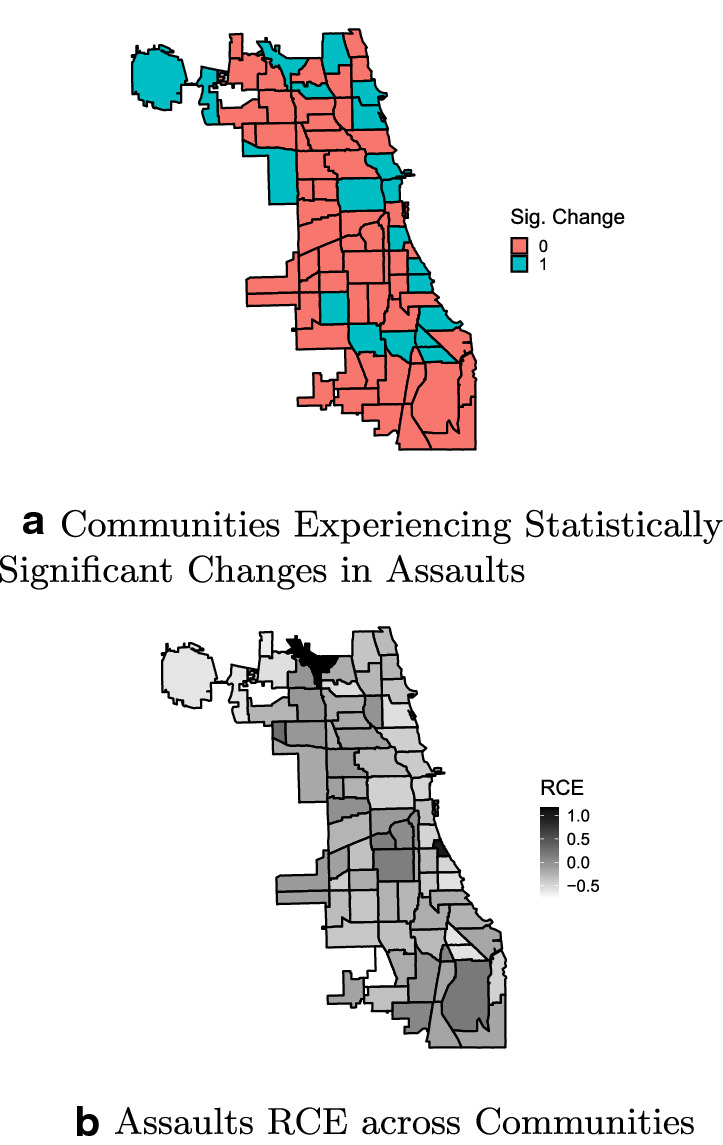
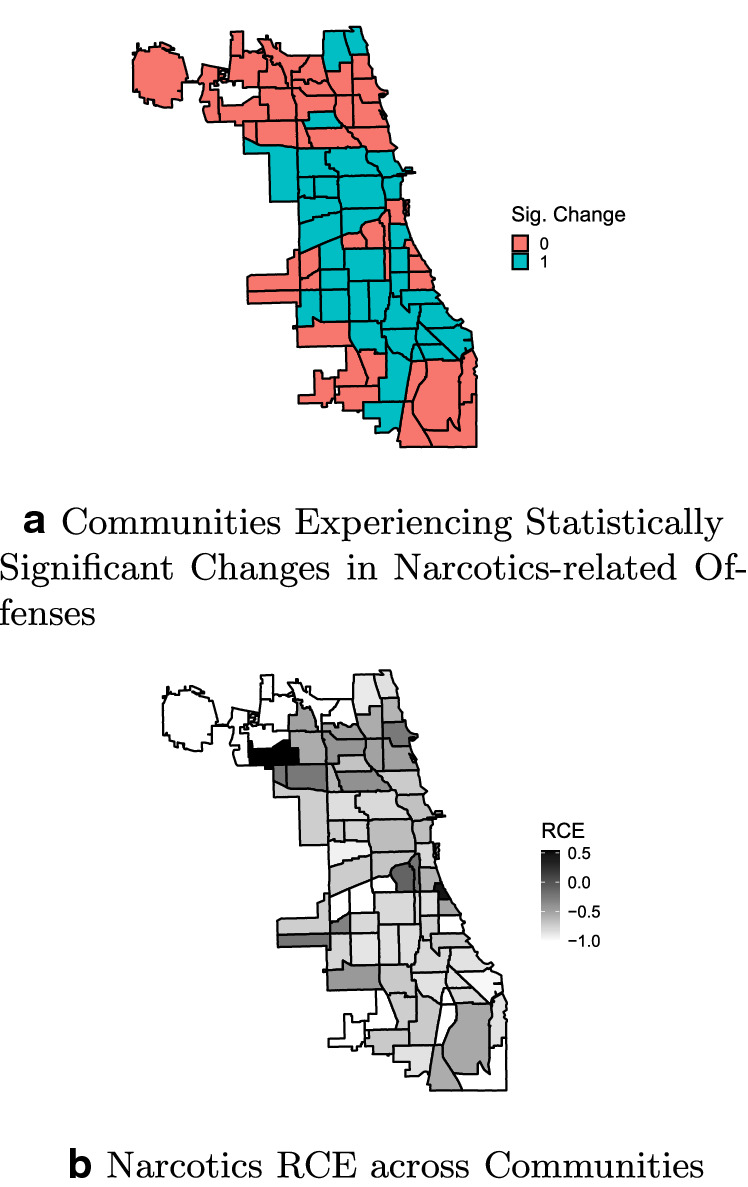
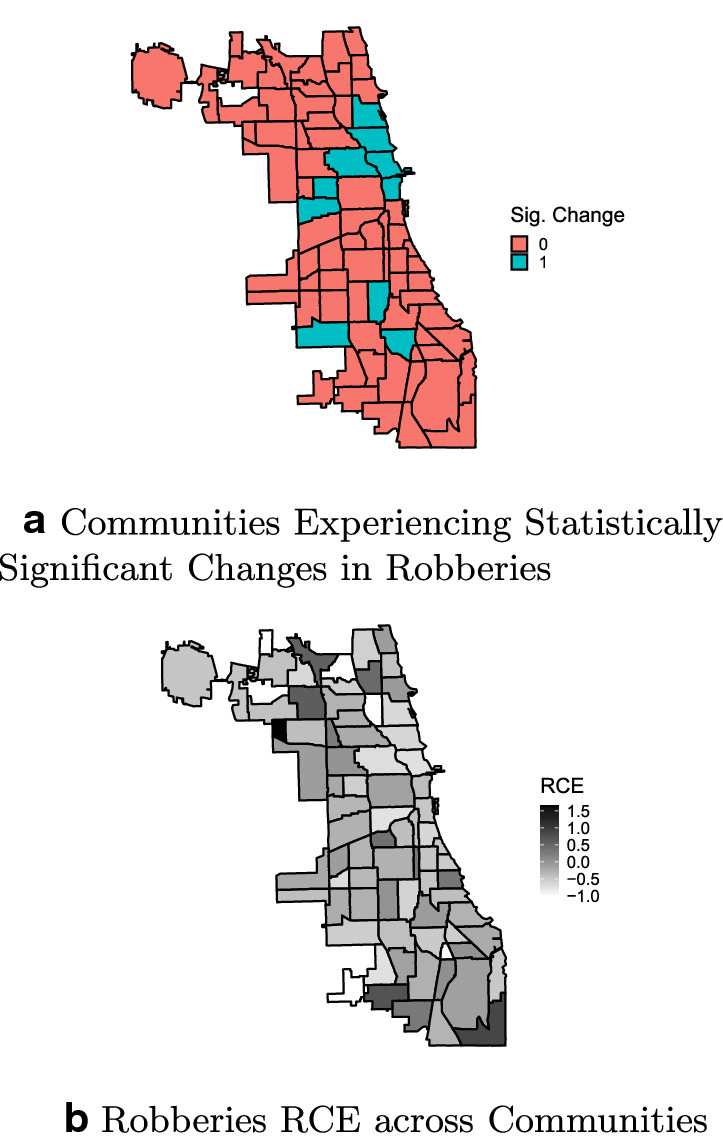
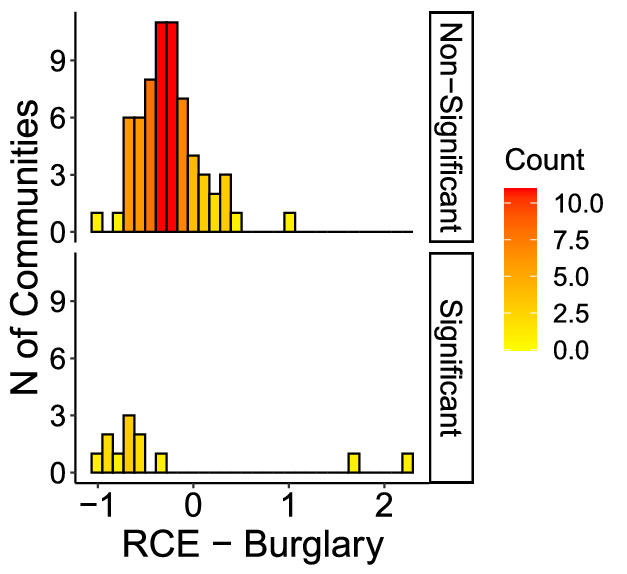
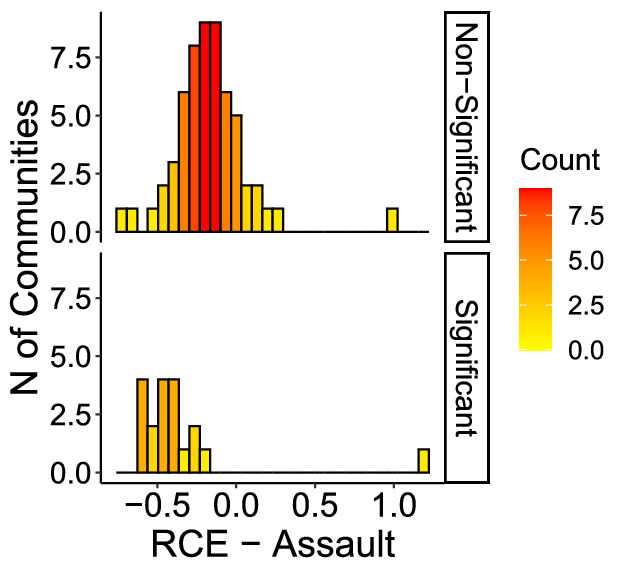
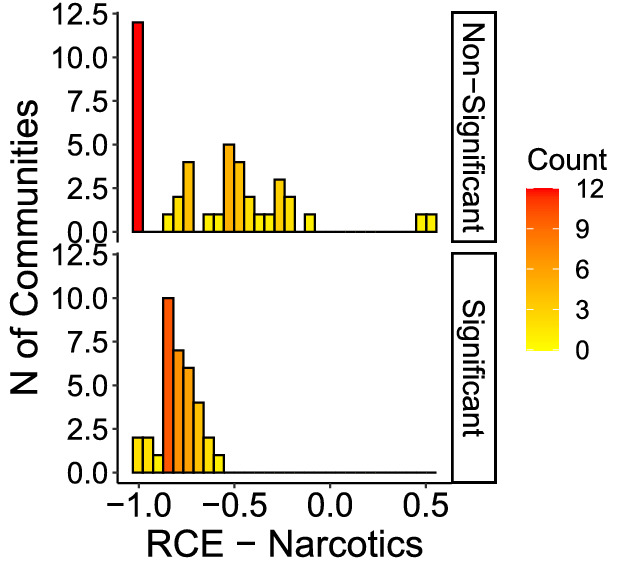
Recent studies exploiting city-level time series have shown that, around the world, several crimes declined after COVID-19 containment policies have been put in place. Using data at the community-level in Chicago, this work aims to advance our understanding on how public interventions affected criminal activities at a finer spatial scale. The analysis relies on a two-step methodology. First, it estimates the community-wise causal impact of social distancing and shelter-in-place policies adopted in Chicago via Structural Bayesian Time-Series across four crime categories (i.e., burglary, assault, narcotics-related offenses, and robbery). Once the models detected the direction, magnitude and significance of the trend changes, Firth's Logistic Regression is used to investigate the factors associated to the statistically significant crime reduction found in the first step of the analyses. Statistical results first show that changes in crime trends differ across communities and crime types. This suggests that beyond the results of aggregate models lies a complex picture characterized by diverging patterns. Second, regression models provide mixed findings regarding the correlates associated with significant crime reduction: several relations have opposite directions across crimes with population being the only factor that is stably and positively associated with significant crime reduction.
最近利用城市层面时间序列的研究表明,在全球范围内,在实施新冠疫情防控政策后,几类犯罪有所减少。本研究利用芝加哥社区层面的数据,旨在深化我们对公共干预措施如何在更精细的空间尺度上影响犯罪活动的理解。该分析依赖于一种两步法。首先,通过结构贝叶斯时间序列估计芝加哥实施的社会 distancing 和就地避难政策对四个犯罪类别(即入室盗窃、袭击、毒品相关犯罪和抢劫)的社区层面因果影响。一旦模型检测到趋势变化的方向、幅度和显著性,就使用费思逻辑回归来调查与分析第一步中发现的具有统计学意义的犯罪减少相关的因素。统计结果首先表明,犯罪趋势的变化因社区和犯罪类型而异。这表明,除了总体模型的结果之外,还有一幅以不同模式为特征的复杂图景。其次,回归模型关于与显著犯罪减少相关的因素的研究结果喜忧参半:几种关系在不同犯罪类型中方向相反,人口是唯一与显著犯罪减少稳定且正相关的因素。