Kesanakurti Prasad, Thirugnanasambandam Arunachalam, Ragupathy Subramanyam, Newmaster Steven G
NHP Research Alliance, College of Biological Sciences, University of Guelph, Guelph, ON, Canada.
Sci Rep. 2020 Nov 5;10(1):19192. doi: 10.1038/s41598-020-76073-7.
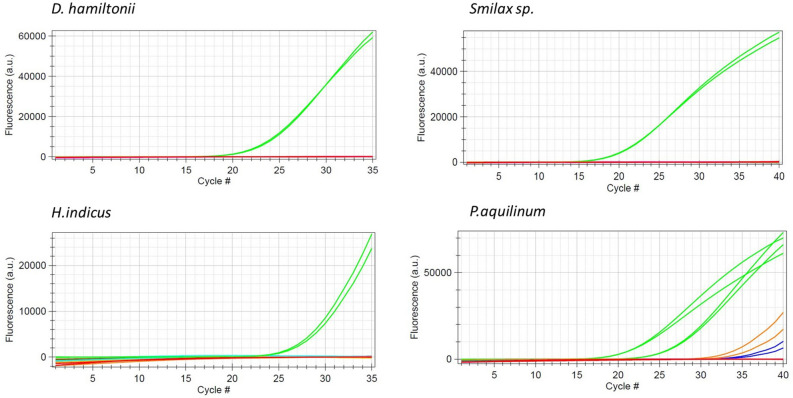
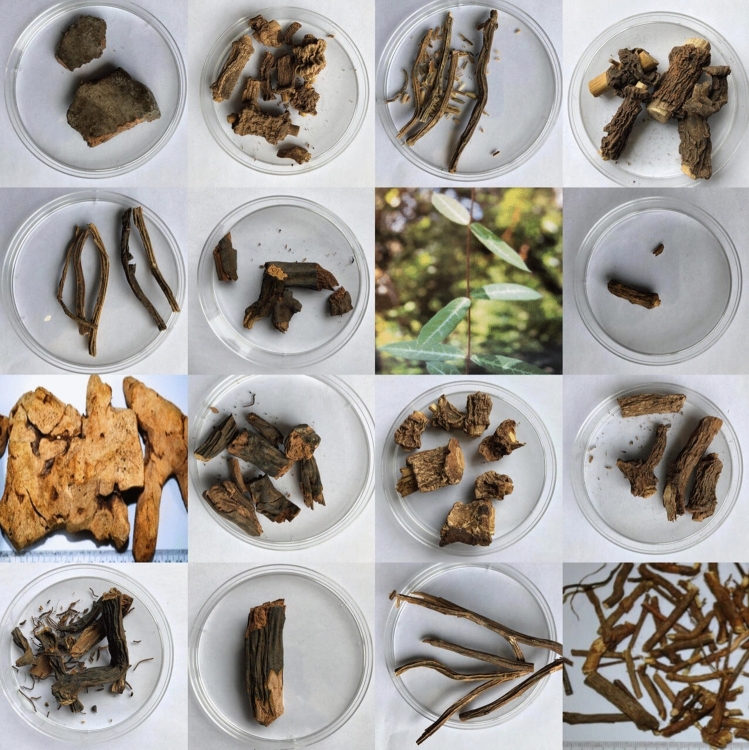
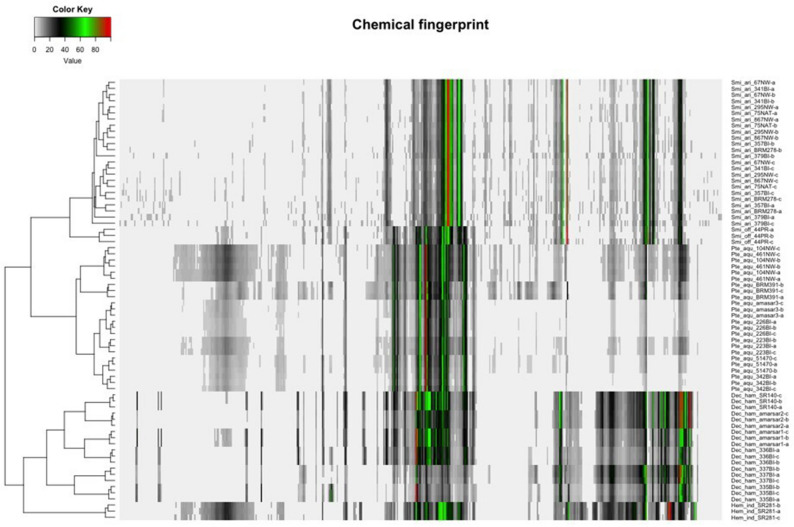
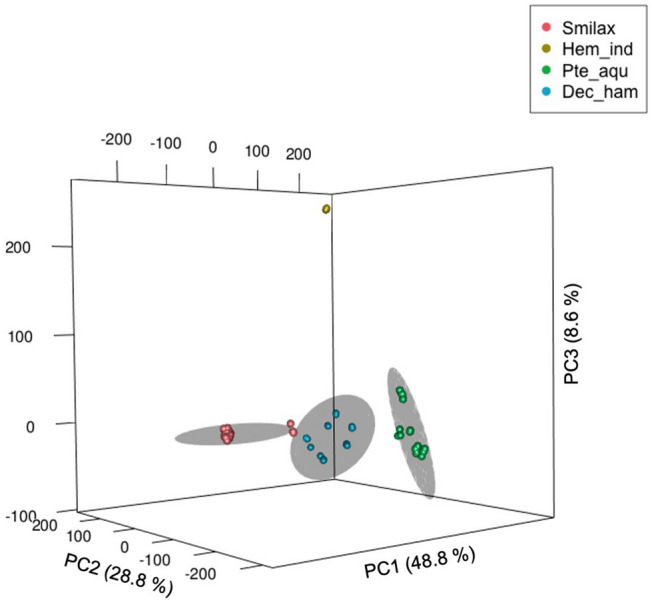
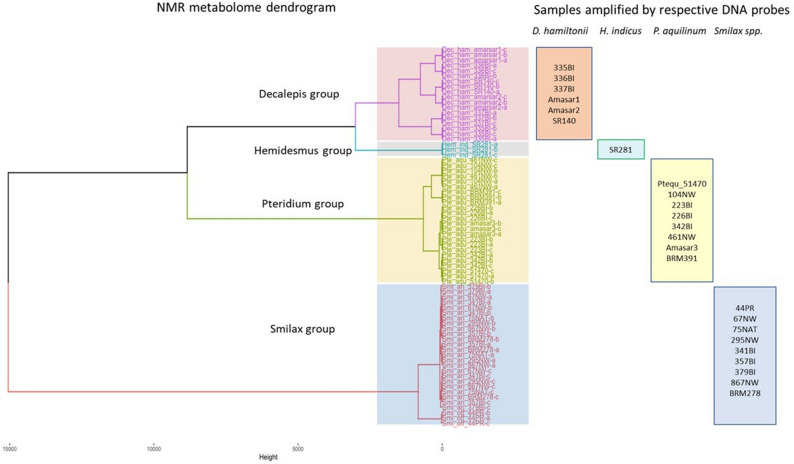
Sarsaparilla is a popular natural health product (NHP) that has been reported to be one of the most adulterated botanicals in the marketplace. Several plausible explanations are documented including economically motivated product substitution, unintentional errors due to ambiguous trade name associated with several different taxa, and wild harvesting of incorrect non-commercial plants. Unfortunately, this includes the case of an adulterant species Decalepis hamiltonii, a Red listed medicinal plant species by the International Union for Conservation of Nature (IUCN) and declared as a species with high conservation concern by the National Biodiversity Authority of India (NBA). This study provides validated genomic (genome skimming & DNA probes) and metabolomic (NMR chemical fingerprints) biotechnology solutions to prevent adulteration on both raw materials and finished products. This is also the first use of Oxford Nanopore on herbal products enabling the use of genome skimming as a tool for quality assurance within the supply chain of botanical ingredients. The validation of both genomics and metabolomics approach provided quality assurance perspective for both product identity and purity. This research enables manufactures and retailers to verify their supply chain is authentic and that consumers can enjoy safe, healthy products.
菝葜是一种广受欢迎的天然健康产品(NHP),据报道它是市场上掺假最多的植物药之一。有几种合理的解释被记录在案,包括出于经济动机的产品替代、由于与几种不同分类群相关的模糊商品名导致的无意错误,以及野生采集错误的非商业植物。不幸的是,这包括掺假物种汉密顿德卡草的情况,它是国际自然保护联盟(IUCN)红色名录中的药用植物物种,被印度国家生物多样性管理局(NBA)宣布为具有高度保护关注的物种。本研究提供了经过验证的基因组学(基因组浅测序和DNA探针)和代谢组学(核磁共振化学指纹图谱)生物技术解决方案,以防止原材料和成品掺假。这也是牛津纳米孔技术首次应用于草药产品,使基因组浅测序能够作为植物成分供应链中质量保证的工具。基因组学和代谢组学方法的验证为产品身份和纯度提供了质量保证视角。这项研究使制造商和零售商能够验证其供应链的真实性,让消费者能够享用安全、健康的产品。