Healthy Longevity Translational Research Program, Yong Loo Lin School of Medicine, National University of Singapore, Singapore.
Division of Neurology, Department of Medicine, National University Hospital, Singapore; Department of Medicine, Yong Loo Lin School of Medicine, National University of Singapore, Singapore.
Ageing Res Rev. 2020 Dec;64:101201. doi: 10.1016/j.arr.2020.101201. Epub 2020 Nov 4.
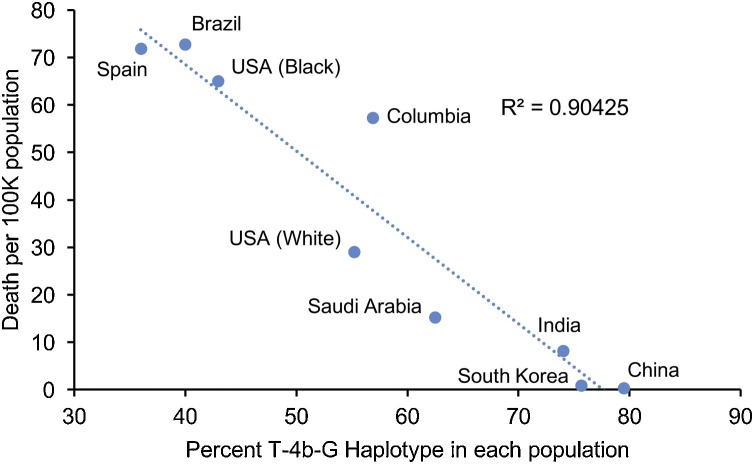
The COVID-19 pandemic poses an imminent threat to humanity, especially to the elderly. The molecular mechanisms underpinning the age-dependent disparity for disease progression is not clear. COVID-19 is both a respiratory and a vascular disease in severe patients. The damage endothelial system provides a good explanation for the various complications seen in COVID-19 patients. These observations lead us to suspect that endothelial cells are a barrier that must be breached before progression to severe disease. Endothelial intracellular defences are largely dependent of the activation of the interferon (IFN) system. Nevertheless, low type I and III IFNs are generally observed in COVID-19 patients suggesting that other intracellular viral defence systems are also activated to protect the young. Intriguingly, Nitric oxide (NO), which is the main intracellular antiviral defence, has been shown to inhibit a wide array of viruses, including SARS-CoV-1. Additionally, the increased risk of death with diseases that have underlying endothelial dysfunction suggest that endothelial NOS-derived nitric oxide could be the main defence mechanism. NO decreases dramatically in the elderly, the hyperglycaemic and the patients with low levels of vitamin D. However, eNOS derived NO occurs at low levels, unless it is during inflammation and co-stimulated by bradykinin. Regrettably, the bradykinin-induced vasodilation also progressively declines with age, thereby decreasing anti-viral NO production as well. Intriguingly, the inverse correlation between the percentage of WT eNOS haplotype and death per 100K population could potentially explain the disparity of COVID-19 mortality between Asian and non-Asian countries. These changes with age, low bradykinin and NO, may be the fundamental reasons that intracellular innate immunity declines with age leading to more severe COVID-19 complications.
COVID-19 大流行对人类构成了迫在眉睫的威胁,尤其是对老年人。导致疾病进展的年龄相关差异的分子机制尚不清楚。在重症患者中,COVID-19 既是一种呼吸道疾病,也是一种血管疾病。内皮系统的损伤为 COVID-19 患者中出现的各种并发症提供了很好的解释。这些观察结果使我们怀疑内皮细胞是进展为严重疾病之前必须突破的屏障。内皮细胞的细胞内防御在很大程度上依赖于干扰素 (IFN) 系统的激活。然而,COVID-19 患者通常观察到低水平的 I 型和 III 型 IFN,这表明其他细胞内病毒防御系统也被激活以保护年轻人。有趣的是,一氧化氮 (NO) 是主要的细胞内抗病毒防御物质,已被证明可以抑制包括 SARS-CoV-1 在内的多种病毒。此外,基础内皮功能障碍疾病的死亡风险增加表明,内皮NOS 衍生的一氧化氮可能是主要的防御机制。在老年人、高血糖患者和维生素 D 水平低的患者中,NO 会急剧下降。然而,除非在炎症期间并受到缓激肽的共同刺激,否则内皮衍生的 eNOS 衍生的 NO 水平较低。遗憾的是,缓激肽诱导的血管舒张也随着年龄的增长而逐渐下降,从而减少了抗病毒的 NO 产生。有趣的是,WT eNOS 单倍型的百分比与每 10 万人死亡人数之间的反比关系可能解释了亚洲和非亚洲国家之间 COVID-19 死亡率的差异。随着年龄的增长、低缓激肽和 NO 的变化,可能是细胞内先天免疫随年龄增长而下降导致 COVID-19 并发症更严重的根本原因。