UNIROUEN, INSERM UMR 1073, Nutrition, Inflammation et dysfonction de l'axe intestin-cerveau, Normandie University, Rouen, France.
UNIROUEN, Institute for Research and Innovation in Biomedicine (IRIB), Normandie University, Rouen, France.
BMC Microbiol. 2020 Nov 11;20(1):340. doi: 10.1186/s12866-020-02018-9.
The use of animal models with depleted intestinal microbiota has recently increased thanks to the huge interest in the potential role of these micro-organisms in human health. In particular, depletion of gut bacteria using antibiotics has recently become popular as it represents a low cost and easy alternative to germ-free animals. Various regimens of antibiotics are used in the literature, which differ in composition, dose, length of treatment and mode of administration. In order to help investigators in choosing the most appropriate protocol for their studies, we compared here three modes of antibiotic delivery to deplete gut bacteria in C57Bl/6 mice. We delivered one of the most frequently used combination of antibiotics (a mix of ampicillin, neomycin, metronidazole and vancomycin) either ad libitum in drinking water or by oral gavage once or twice per day.
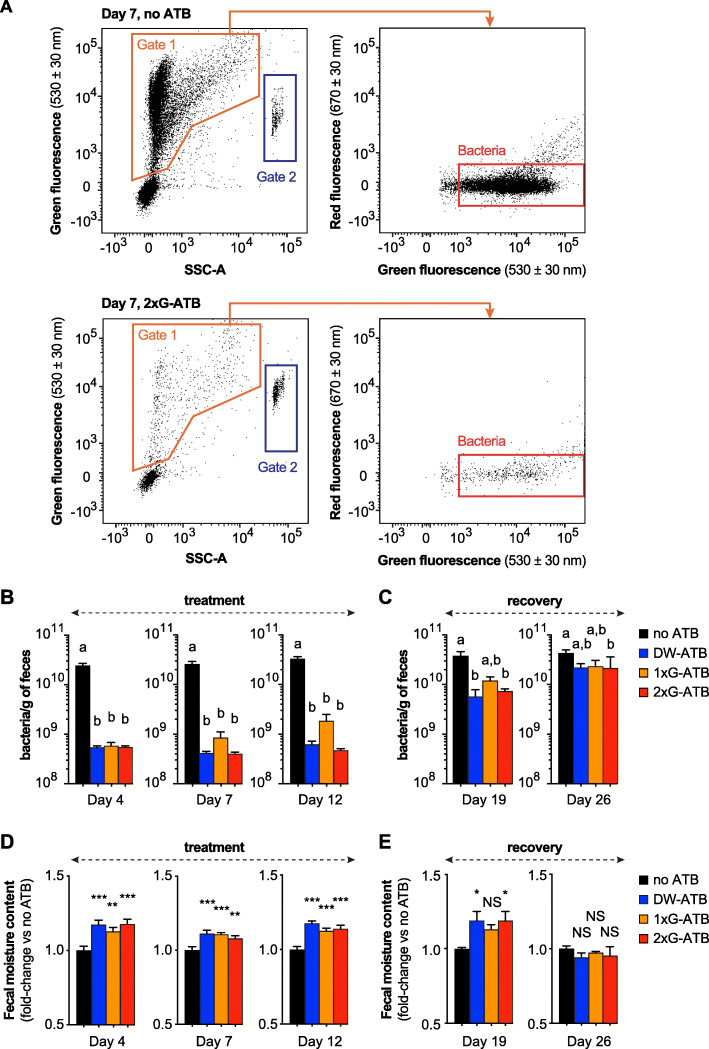
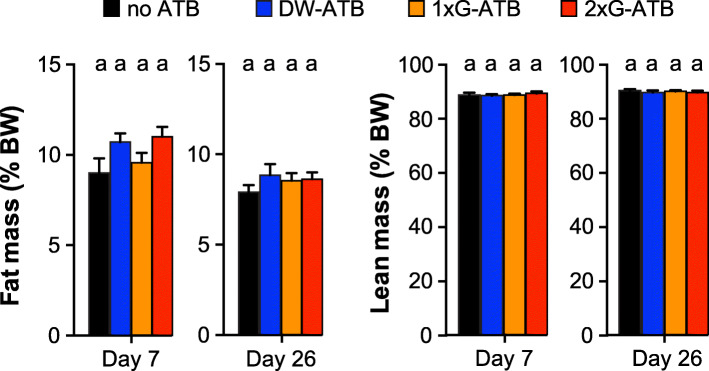
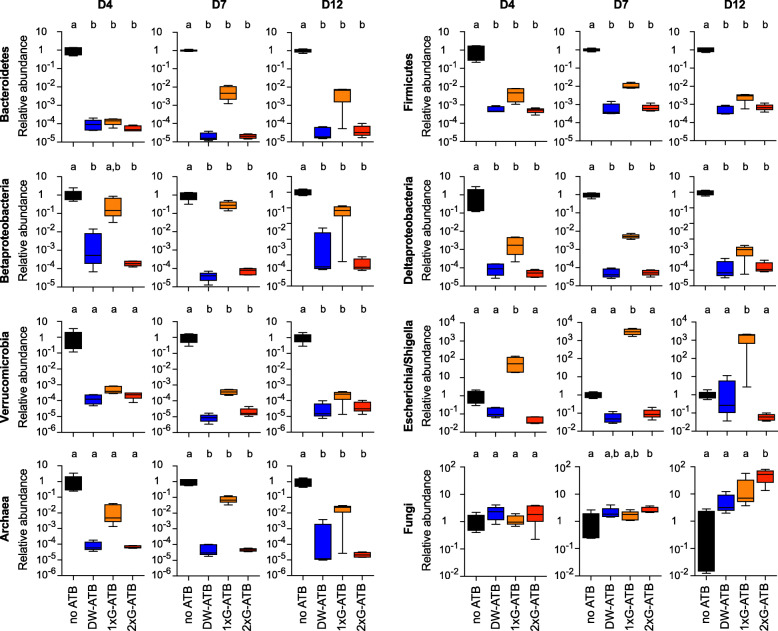
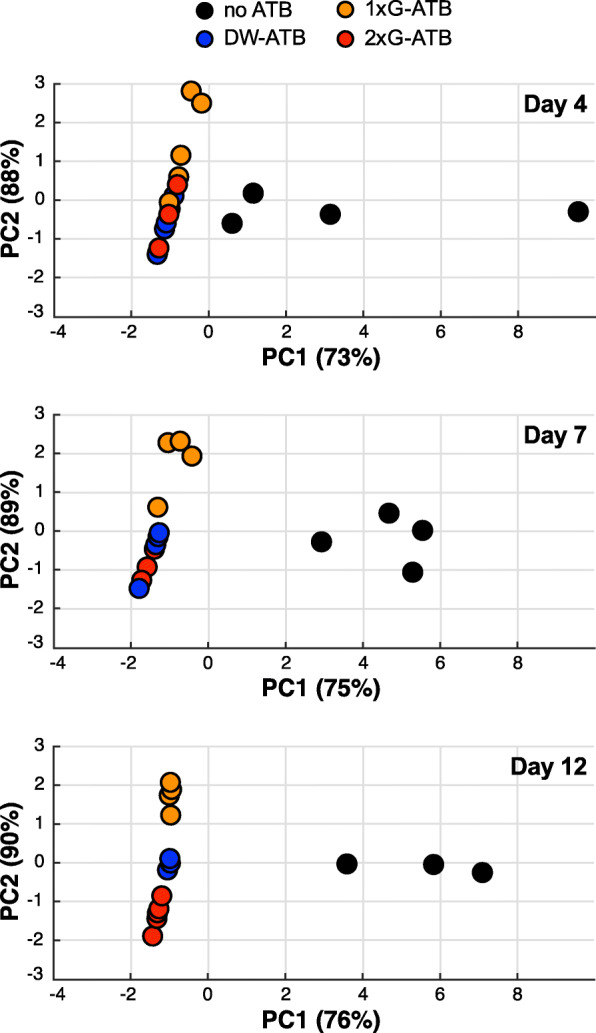
We quantified the global bacterial density, as well as the abundance of specific bacterial and fungal taxa, in mouse feces in response to antibiotics exposure. We observed that oral gavage once a day with antibiotics is not a reliable method as it occasionally triggers hyperproliferation of bacteria belonging to the Escherichia/Shigella taxon and leads, as a consequence, to a moderate decrease in fecal bacterial density. Antibiotics delivery by oral gavage twice a day or in drinking water induces in contrast a robust and consistent depletion of mouse fecal bacteria, as soon as 4 days of treatment, and is associated with an increase in fecal moisture content. Extending exposure to antibiotics beyond 7 days does not improve total bacteria depletion efficiency and promotes fungal overgrowth. We show in addition that all tested protocols impact neither gut microbiota recolonization efficiency, 1 or 2 weeks after the stop of antibiotics, nor mice body composition after 1 week of treatment.
Our study provides key experimental data and highlights important parameters to consider before selecting an appropriate protocol for antibiotic-mediated depletion of gut bacteria, in order to optimize the accuracy and the reproducibility of results and to facilitate comparison between studies.
由于人们对这些微生物在人类健康中的潜在作用产生了浓厚的兴趣,使用肠道微生物群减少的动物模型最近有所增加。特别是,使用抗生素耗尽肠道细菌已成为一种流行的方法,因为它代表了一种低成本且易于替代无菌动物的方法。文献中使用了各种抗生素方案,这些方案在组成、剂量、治疗时间和给药方式上有所不同。为了帮助研究人员选择最适合他们研究的方案,我们在这里比较了三种抗生素给药方式来耗尽 C57Bl/6 小鼠的肠道细菌。我们要么让小鼠自由饮用含有最常用抗生素组合(氨苄青霉素、新霉素、甲硝唑和万古霉素的混合物)的水,要么每天口服一次或两次。
我们定量检测了暴露于抗生素后小鼠粪便中的总细菌密度以及特定细菌和真菌类群的丰度。我们观察到,每天口服一次抗生素不是一种可靠的方法,因为它偶尔会引发 Escherichia/Shigella 分类群细菌的过度增殖,从而导致粪便细菌密度适度下降。相比之下,每天口服两次抗生素或通过饮用水给药会导致小鼠粪便细菌的强烈且一致的消耗,在治疗 4 天后即可实现,并且与粪便水分含量的增加有关。将暴露于抗生素的时间延长至 7 天以上并不会提高总细菌耗竭效率,并会促进真菌过度生长。我们还表明,所有测试的方案都不会影响肠道微生物群的再定植效率,在停止抗生素后 1 或 2 周,也不会影响小鼠的身体成分。
我们的研究提供了关键的实验数据,并强调了在选择适当的抗生素介导的肠道细菌耗竭方案之前需要考虑的重要参数,以优化结果的准确性和可重复性,并促进研究之间的比较。