Department of Chemistry, Massachusetts Institute of Technology, Cambridge, MA, USA.
Department of Pharmaceutical Chemistry, National and Kapodistrian University of Athens, Panepistimioupolis Zografou, Athens, Greece.
Nat Struct Mol Biol. 2020 Dec;27(12):1202-1208. doi: 10.1038/s41594-020-00536-8. Epub 2020 Nov 11.
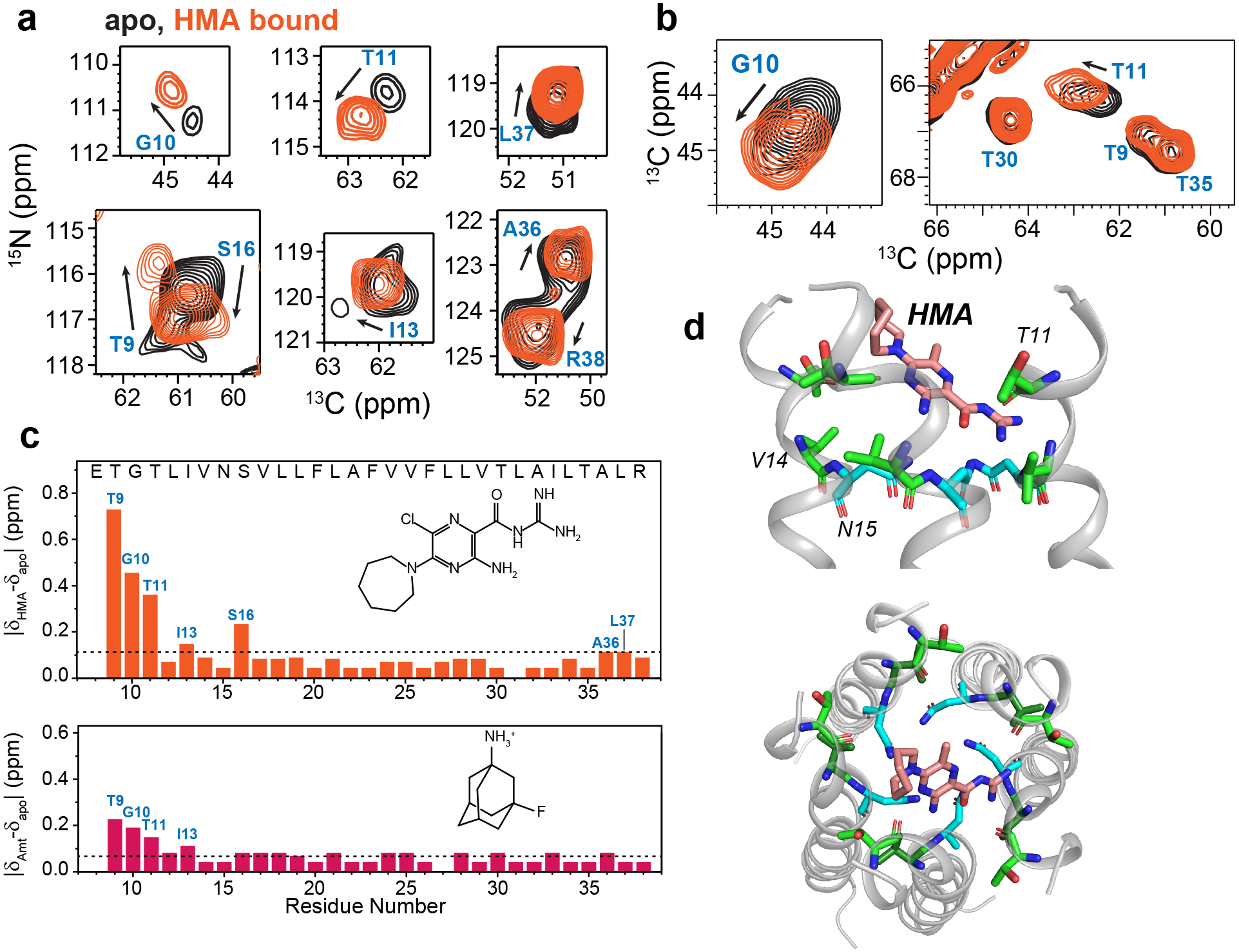
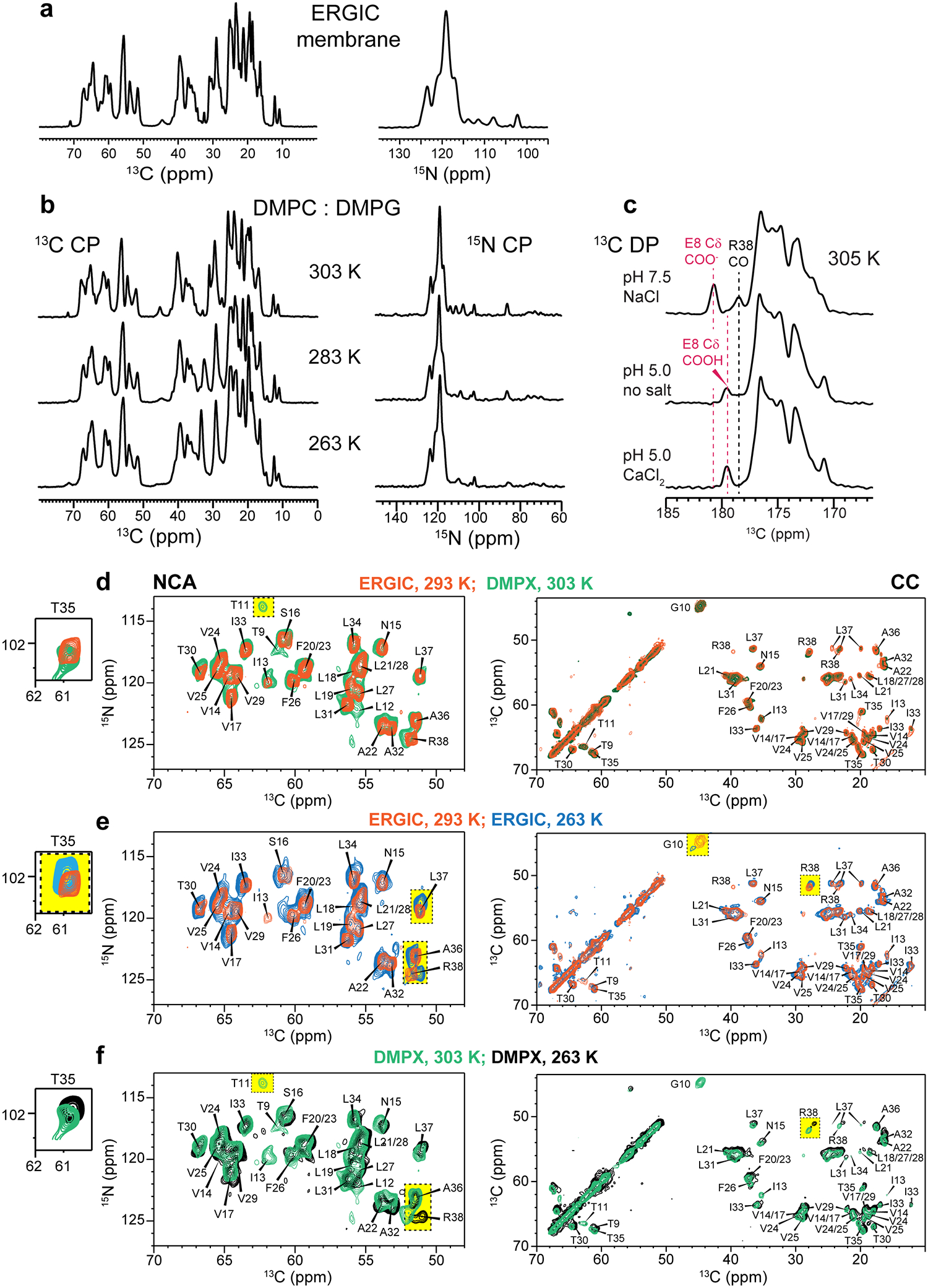
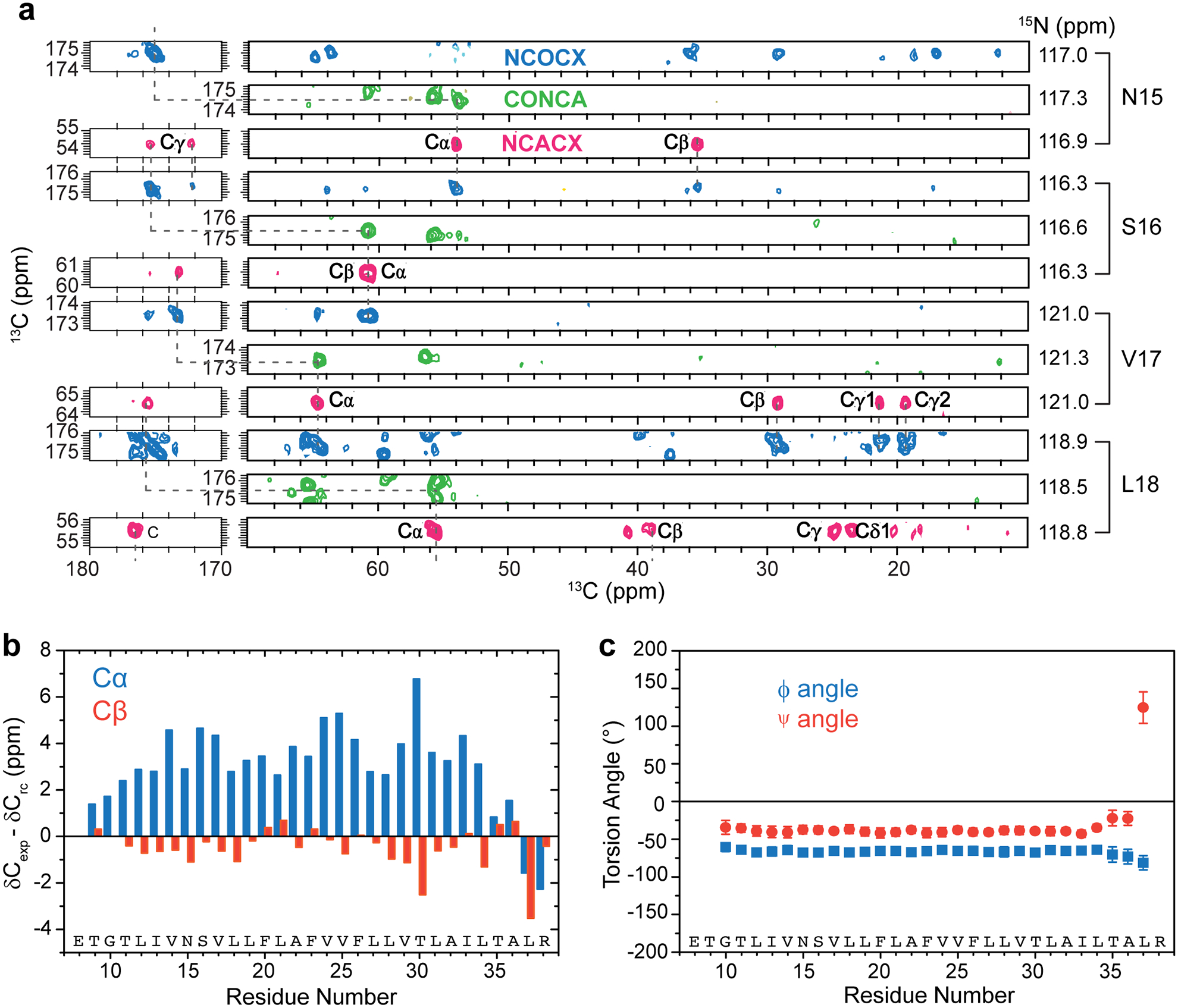
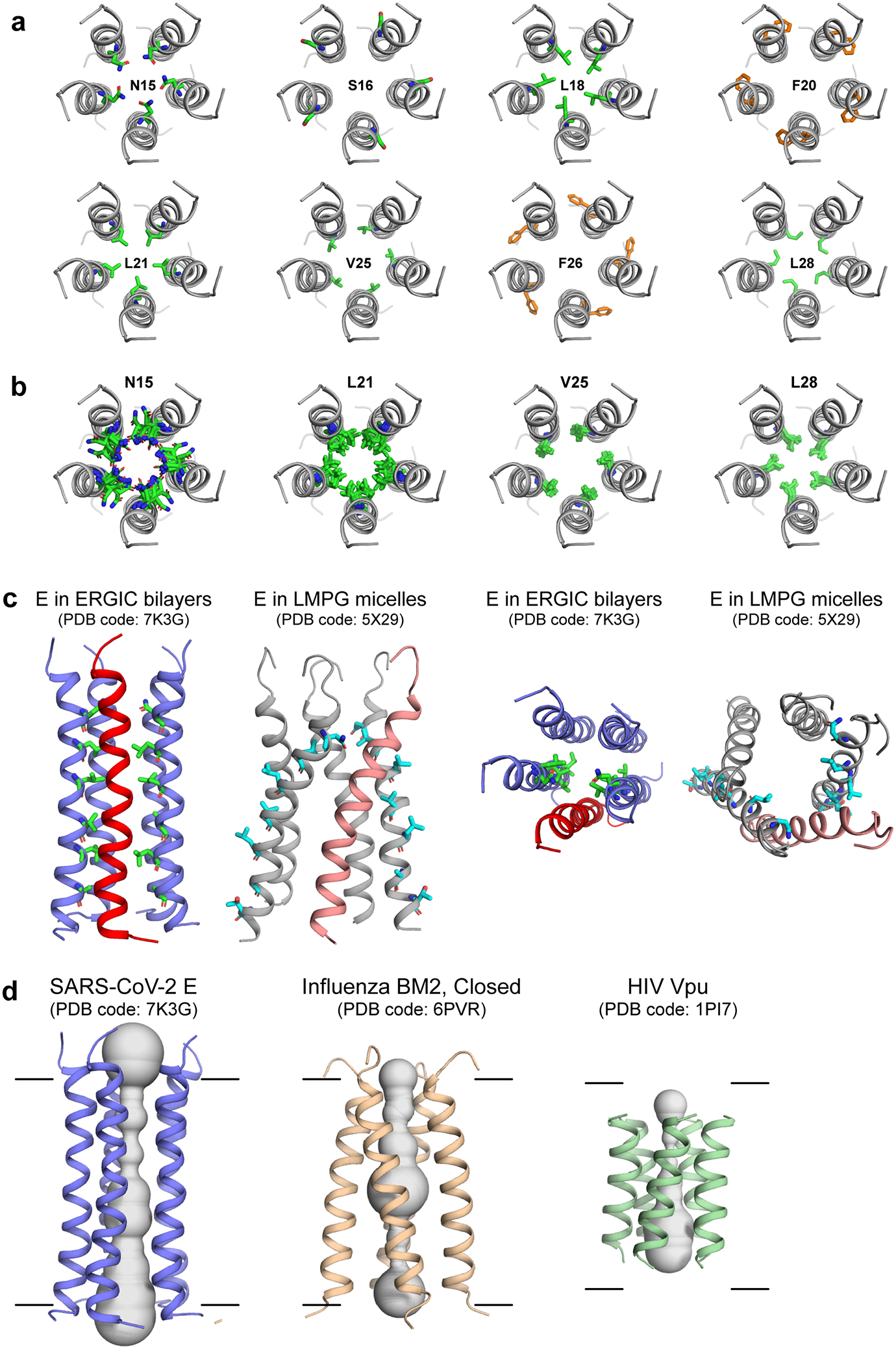
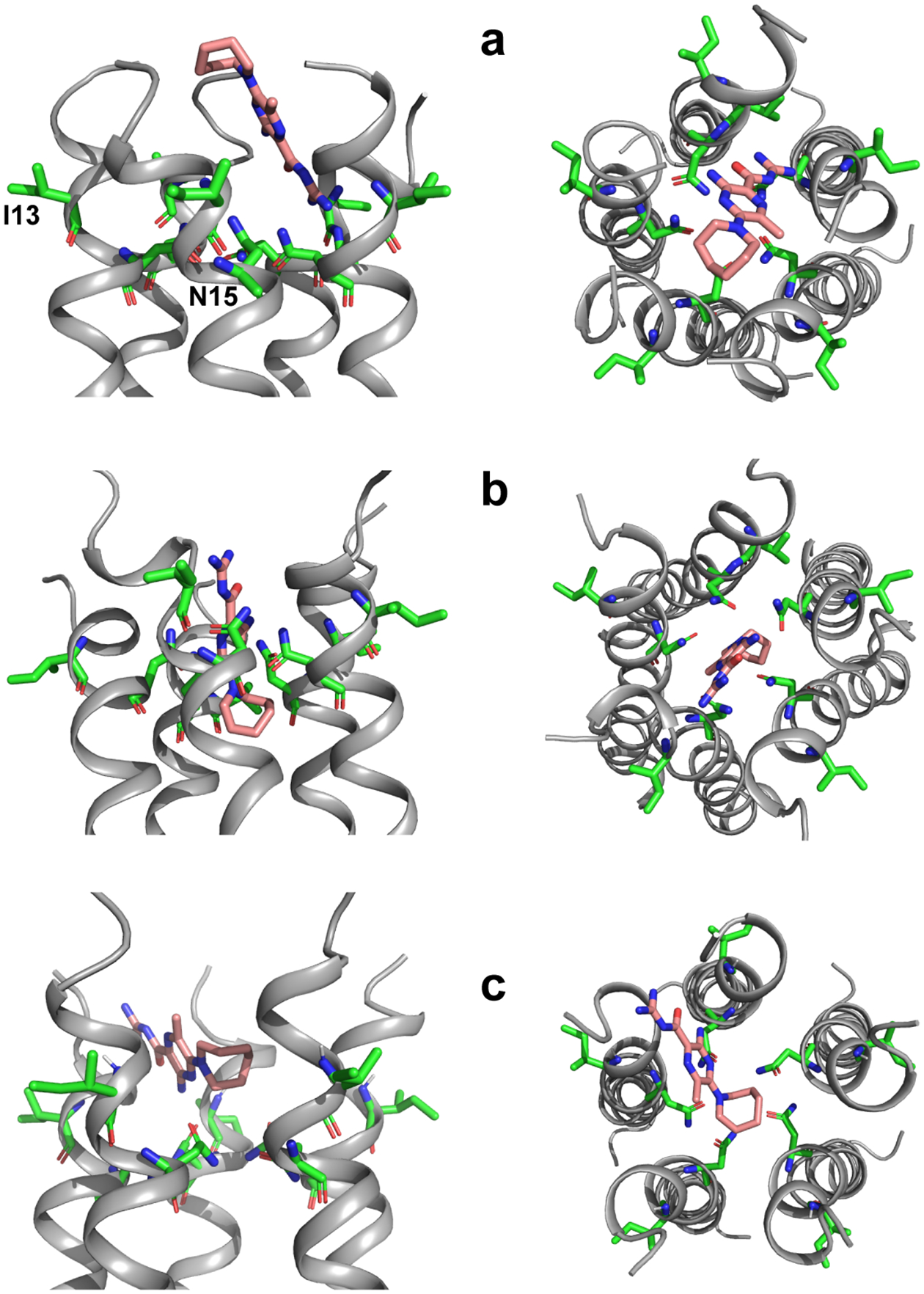
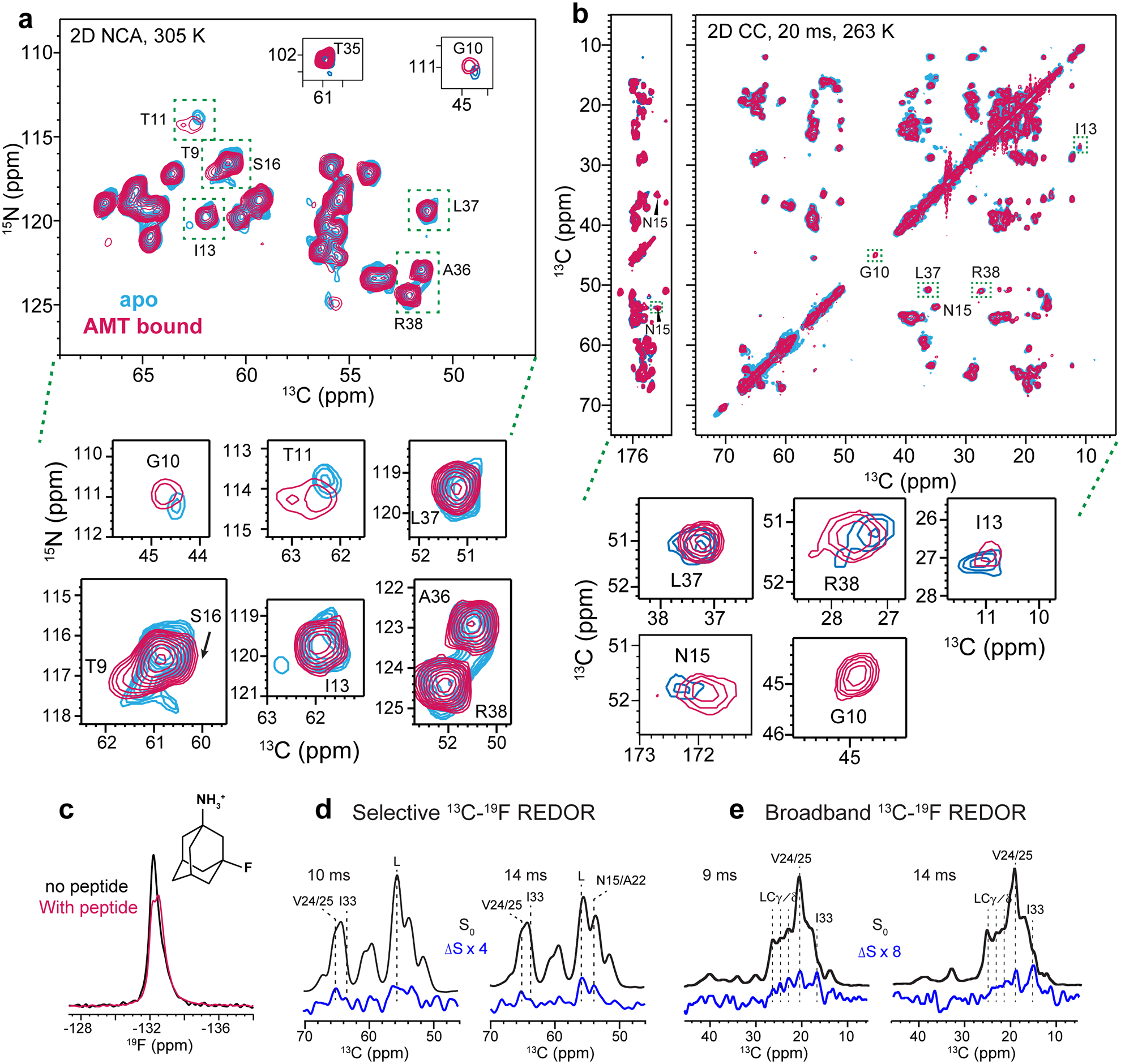
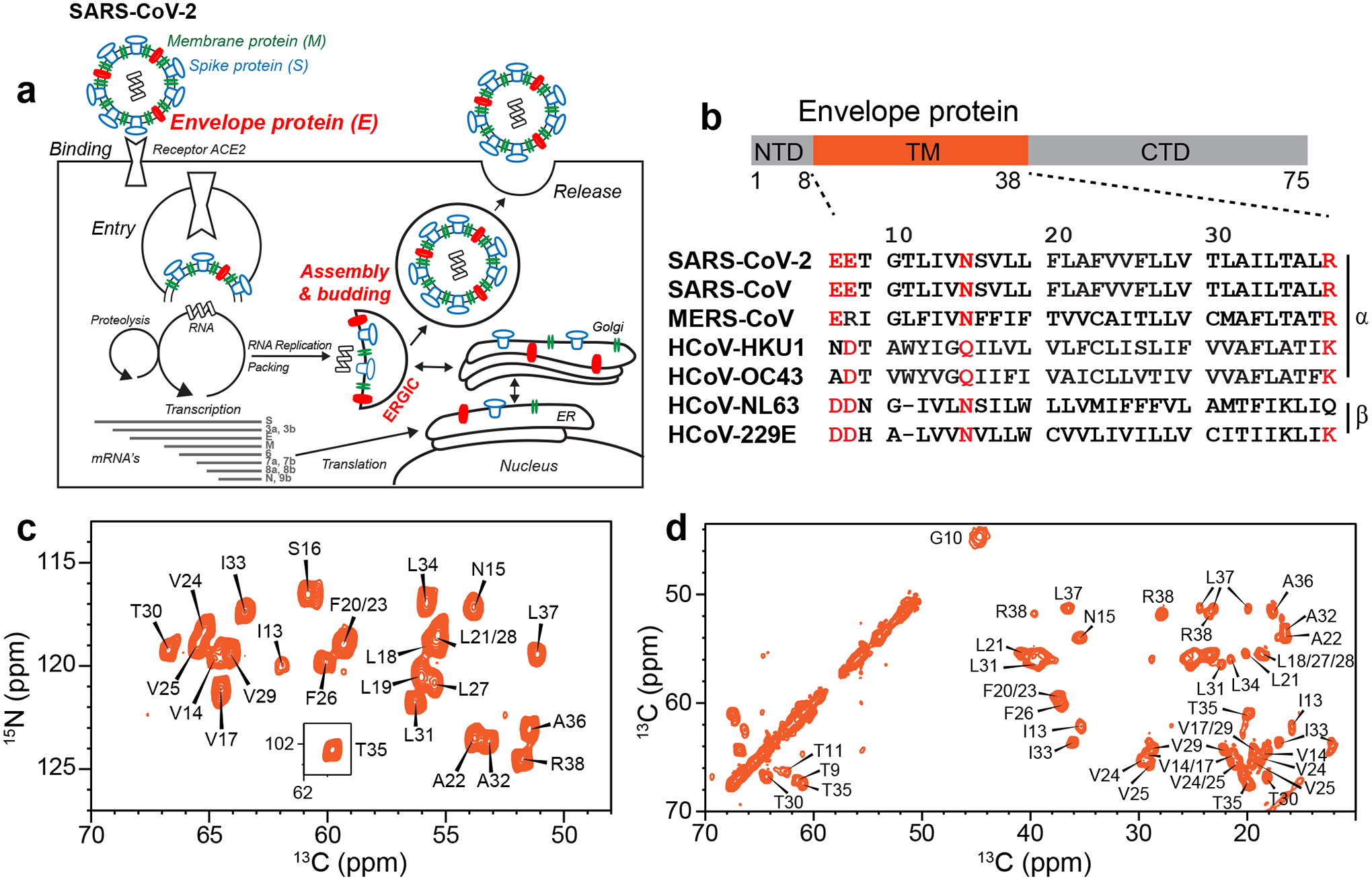
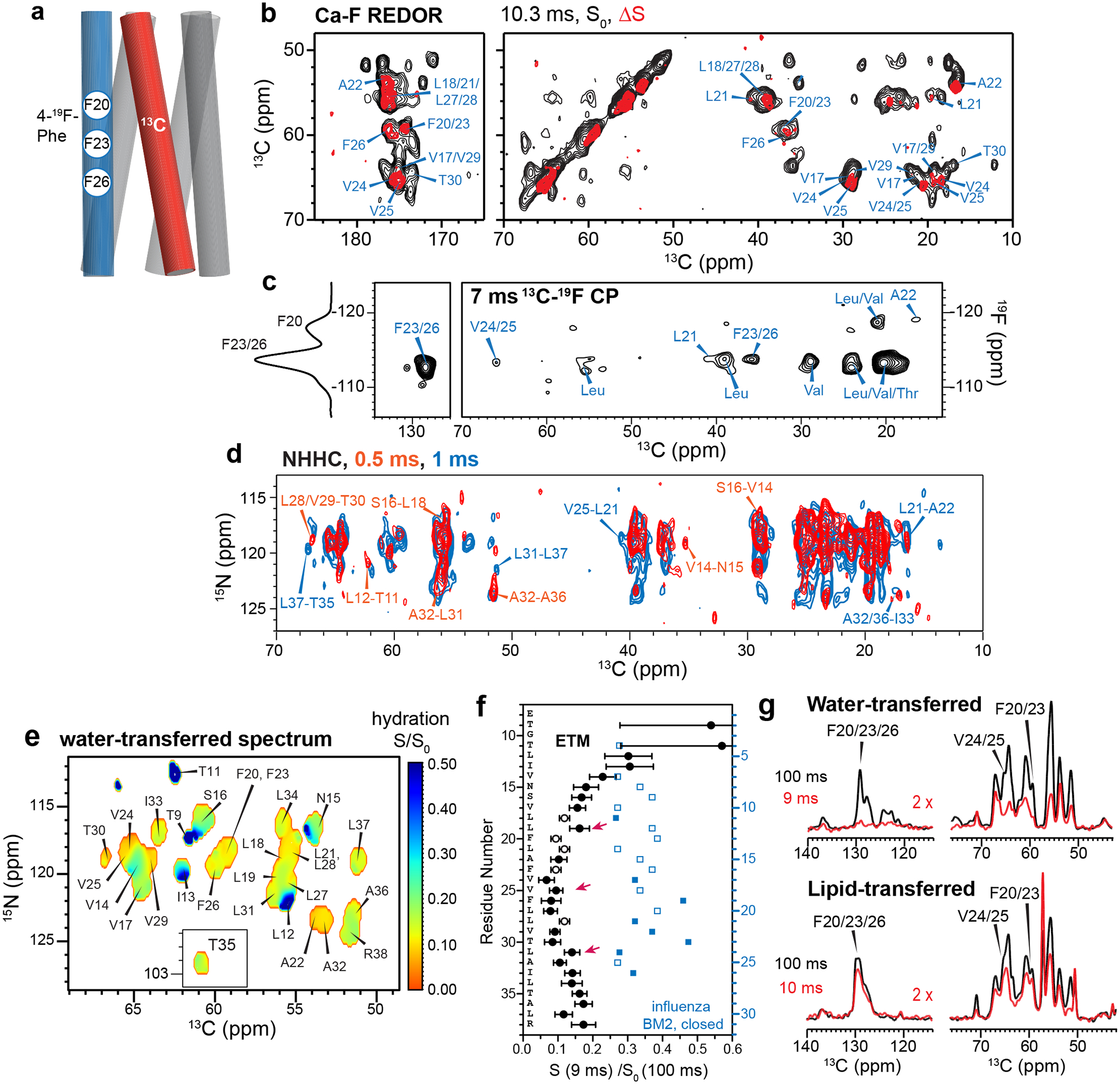
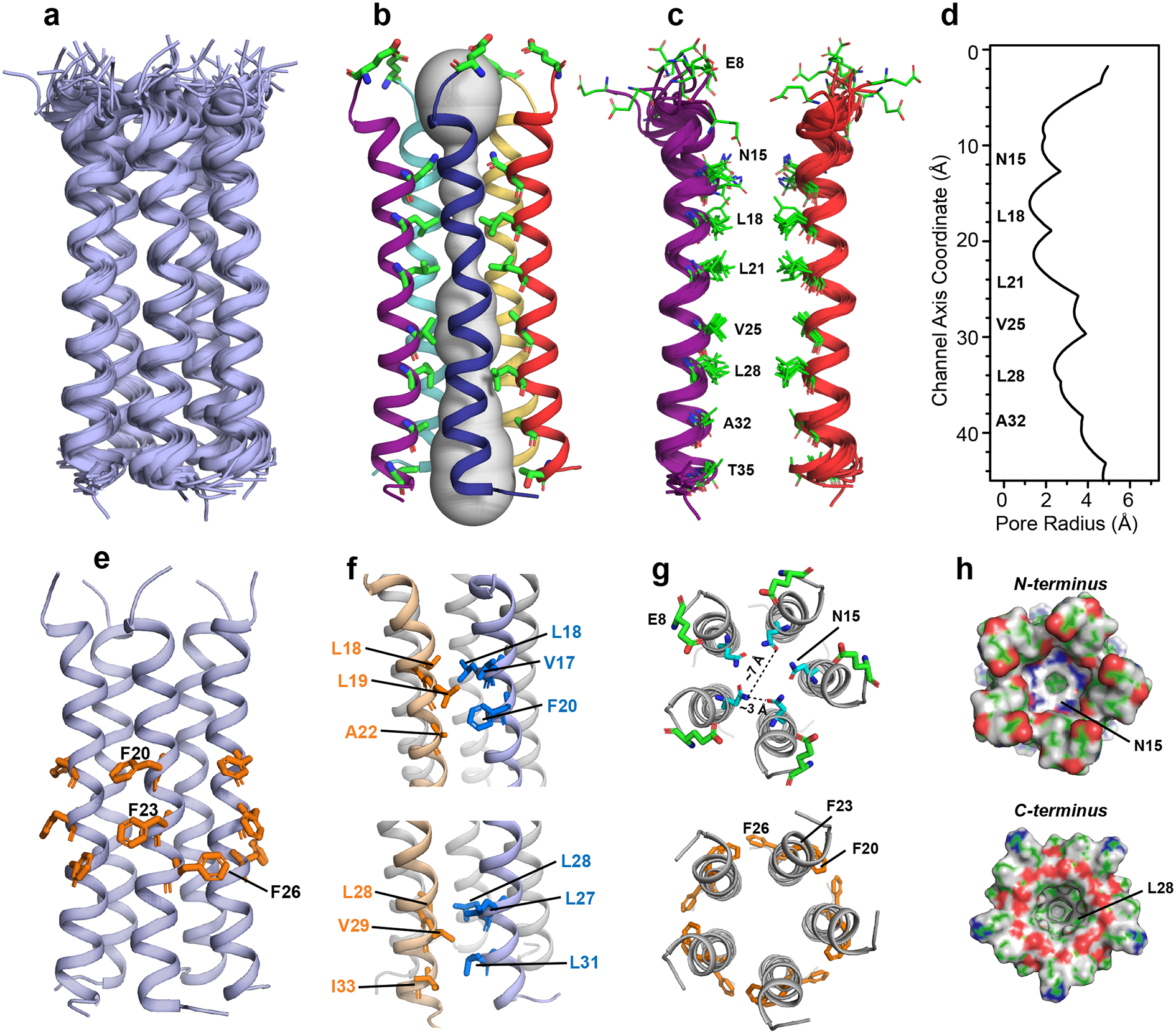
An essential protein of the SARS-CoV-2 virus, the envelope protein E, forms a homopentameric cation channel that is important for virus pathogenicity. Here we report a 2.1-Å structure and the drug-binding site of E's transmembrane domain (ETM), determined using solid-state NMR spectroscopy. In lipid bilayers that mimic the endoplasmic reticulum-Golgi intermediate compartment (ERGIC) membrane, ETM forms a five-helix bundle surrounding a narrow pore. The protein deviates from the ideal α-helical geometry due to three phenylalanine residues, which stack within each helix and between helices. Together with valine and leucine interdigitation, these cause a dehydrated pore compared with the viroporins of influenza viruses and HIV. Hexamethylene amiloride binds the polar amino-terminal lumen, whereas acidic pH affects the carboxy-terminal conformation. Thus, the N- and C-terminal halves of this bipartite channel may interact with other viral and host proteins semi-independently. The structure sets the stage for designing E inhibitors as antiviral drugs.
一种重要的 SARS-CoV-2 病毒蛋白,包膜蛋白 E,形成五聚体阳离子通道,对病毒的致病性很重要。在这里,我们使用固态 NMR 光谱学报告了 E 的跨膜结构域 (ETM) 的 2.1 Å 结构和药物结合位点。在模拟内质网-高尔基体中间区(ERGIC)膜的脂质双层中,ETM 形成一个五螺旋束,环绕一个狭窄的孔。由于三个苯丙氨酸残基,该蛋白偏离了理想的 α-螺旋几何形状,这些残基在每个螺旋内和螺旋之间堆积。与流感病毒和 HIV 的病毒孔蛋白相比,这些残基与缬氨酸和亮氨酸的交错一起导致了一个脱水的孔。六亚甲基阿米洛利结合极性的氨基末端腔,而酸性 pH 值影响羧基末端构象。因此,这个二部分通道的 N-和 C-末端可能与其他病毒和宿主蛋白半独立地相互作用。该结构为设计 E 抑制剂作为抗病毒药物奠定了基础。