McGuone Declan, Crandall Laura G, Devinsky Orrin
Department of Pathology, Yale School of Medicine, New Haven, CT, United States.
Comprehensive Epilepsy Center, New York University School of Medicine, New York, NY, United States.
Front Neurol. 2020 Oct 16;11:582051. doi: 10.3389/fneur.2020.582051. eCollection 2020.
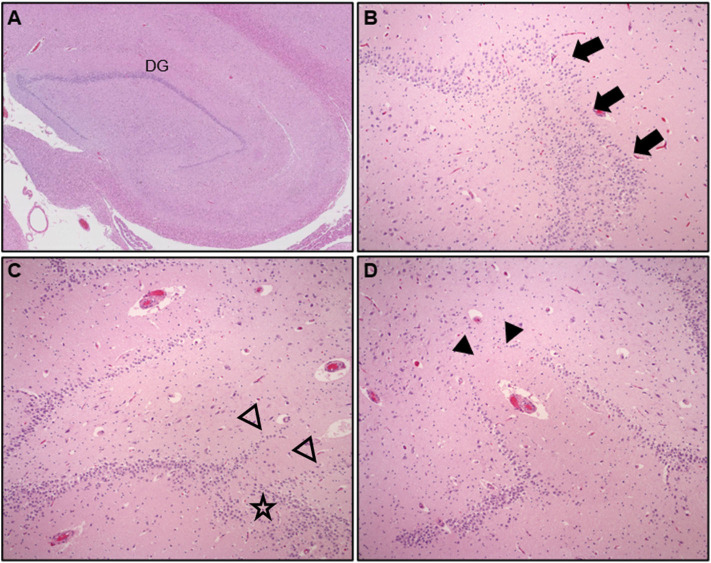
Sudden Unexplained Death in Childhood (SUDC) is the unexpected death of a child over age 12 months that remains unexplained after a thorough case investigation, including review of the child's medical history, circumstances of death, a complete autopsy and ancillary testing (1). First defined in 2005, SUDC cases are more often male, with death occurring during a sleep period, being found prone, peak winter incidence, associated with febrile seizure history in ~28% of cases and mild pathologic changes insufficient to explain the death (1, 2). There has been little progress in understanding the causes of SUDC and no progress in prevention. Despite reductions in sudden unexpected infant death (SUID) and other causes of mortality in childhood, the rate of SUDC has increased during the past two decades (3-5). In Ireland, SUID deaths were cut in half from 1994 to 2008 while SUDC deaths more than doubled (4). Surveillance issues, including lack of standardized certification practices, affect our understanding of the true magnitude of unexplained child deaths. Mechanisms underlying SUDC, like SUID, remain largely speculative. Limited and inconsistent evidence implicates abnormalities in brainstem autonomic and serotonergic nuclei, critical for arousal, cardiorespiratory control, and reflex responses to life-threatening hypoxia or hypercarbia in sleep (6). Abnormalities in medullary serotonergic neurons and receptors, as well as cardiorespiratory brainstem nuclei occur in some SUID cases, but have never been studied in SUDC. Retrospective, small SUDC studies with non-standardized methodologies most often demonstrate minor hippocampal abnormalities, as well as focal cortical dysplasia and dysgenesis of the brainstem and cerebellum. The significance of these findings to SUDC pathogenesis remains unclear with some investigators and forensic pathologists labeling these findings as normal variants, or potential causes of SUDC. The development of preventive strategies will require a greater understanding of underlying mechanisms.
儿童不明原因猝死(SUDC)是指12个月以上儿童的意外死亡,经过全面的病例调查,包括回顾儿童病史、死亡情况、完整尸检及辅助检查后,死因仍无法解释(1)。SUDC于2005年首次定义,病例中男性更为常见,死亡多发生在睡眠期间,尸体呈俯卧位被发现,冬季发病率最高,约28%的病例有热性惊厥病史,且病理改变轻微不足以解释死亡原因(1,2)。在理解SUDC病因方面进展甚微,在预防方面则毫无进展。尽管婴儿不明原因猝死(SUID)及儿童期其他死因的死亡率有所下降,但在过去二十年中SUDC的发生率却有所上升(3 - 5)。在爱尔兰,1994年至2008年间SUID死亡人数减半,而SUDC死亡人数增加了一倍多(4)。监测问题,包括缺乏标准化的认证做法,影响了我们对不明原因儿童死亡真实规模的理解。与SUID一样,SUDC的潜在机制在很大程度上仍属推测。有限且不一致的证据表明脑干自主神经和血清素能核异常,这些对唤醒、心肺控制以及睡眠中对危及生命的缺氧或高碳酸血症的反射反应至关重要(6)。延髓血清素能神经元和受体以及心肺脑干核的异常在一些SUID病例中出现,但从未在SUDC中进行过研究。采用非标准化方法的回顾性、小型SUDC研究最常显示海马体有轻微异常,以及局灶性皮质发育异常和脑干及小脑发育不全。这些发现对SUDC发病机制的意义仍不明确,一些研究人员和法医病理学家将这些发现标记为正常变异或SUDC的潜在原因。预防策略的制定需要对潜在机制有更深入的了解。