Alabed Samer, Garg Pankaj, Johns Christopher S, Alandejani Faisal, Shahin Yousef, Dwivedi Krit, Zafar Hamza, Wild James M, Kiely David G, Swift Andrew J
Department of Infection, Immunity and Cardiovascular Disease, University of Sheffield, Glossop Road, Sheffield, S10 2JF UK.
Department of Clinical Radiology, Sheffield Teaching Hospitals, Sheffield, UK.
Curr Cardiovasc Imaging Rep. 2020;13(12):30. doi: 10.1007/s12410-020-09550-2. Epub 2020 Nov 7.
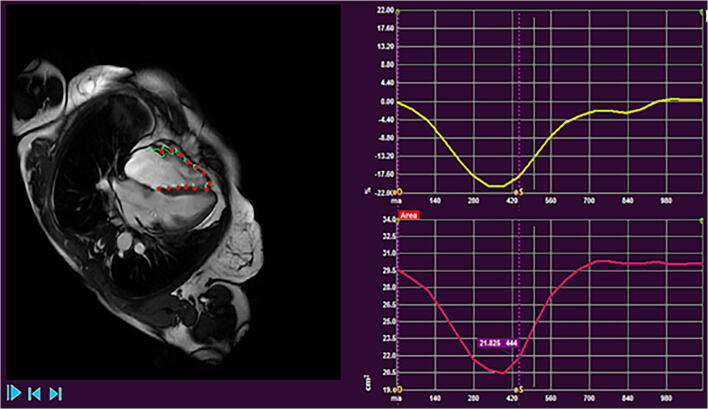
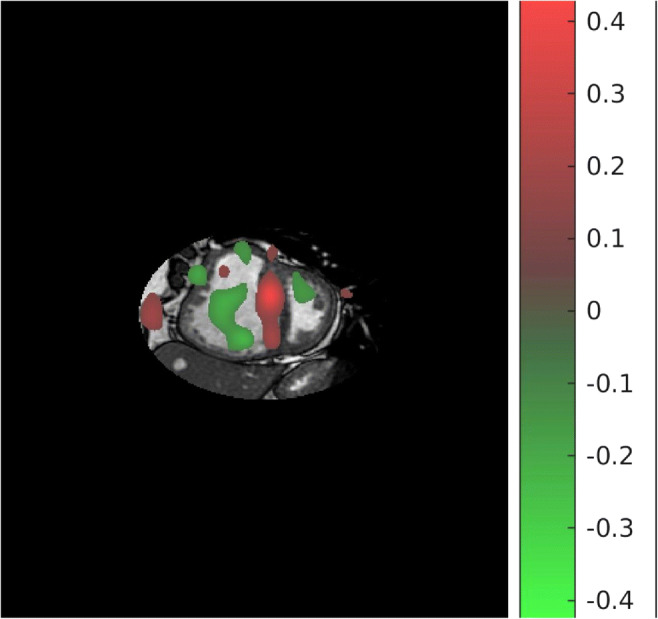
This article reviews advances over the past 3 years in cardiac magnetic resonance (CMR) imaging in pulmonary hypertension (PH). We aim to bring the reader up-to-date with CMR applications in diagnosis, prognosis, 4D flow, strain analysis, T mapping, machine learning and ongoing research.
CMR volumetric and functional metrics are now established as valuable prognostic markers in PH. This imaging modality is increasingly used to assess treatment response and improves risk stratification when incorporated into PH risk scores. Emerging techniques such as myocardial T mapping may play a role in the follow-up of selected patients. Myocardial strain may be used as an early marker for right and left ventricular dysfunction and a predictor for mortality. Machine learning has offered a glimpse into future possibilities. Ongoing research of new PH therapies is increasingly using CMR as a clinical endpoint.
The last 3 years have seen several large studies establishing CMR as a valuable diagnostic and prognostic tool in patients with PH, with CMR increasingly considered as an endpoint in clinical trials of PH therapies. Machine learning approaches to improve automation and accuracy of CMR metrics and identify imaging features of PH is an area of active research interest with promising clinical utility.
本文回顾了过去3年心脏磁共振成像(CMR)在肺动脉高压(PH)领域的进展。我们旨在使读者了解CMR在诊断、预后、四维血流、应变分析、T值映射、机器学习及正在进行的研究中的应用。
CMR的容积和功能指标现已成为PH中有价值的预后标志物。这种成像方式越来越多地用于评估治疗反应,并在纳入PH风险评分时改善风险分层。诸如心肌T值映射等新兴技术可能在部分患者的随访中发挥作用。心肌应变可作为右心室和左心室功能障碍的早期标志物及死亡率的预测指标。机器学习展现了未来的可能性。对新型PH治疗方法的持续研究越来越多地将CMR用作临床终点。
过去3年已有多项大型研究将CMR确立为PH患者有价值的诊断和预后工具,CMR在PH治疗临床试验中越来越被视为一个终点。利用机器学习方法提高CMR指标的自动化和准确性并识别PH的影像学特征是一个活跃的研究领域,具有良好的临床应用前景。