Department of Biochemistry, CSIR-Central Food Technological Research Institute, Mysore, 570 020, India; Academy of Scientific and Innovative Research (AcSIR), Ghaziabad, 201 002, India.
Department of Atomic and Molecular Physics, Centre for Applied Nanosciences, Manipal Academy of Higher Education, Manipal, 576 104, India.
Comput Biol Med. 2021 Jan;128:104102. doi: 10.1016/j.compbiomed.2020.104102. Epub 2020 Nov 3.
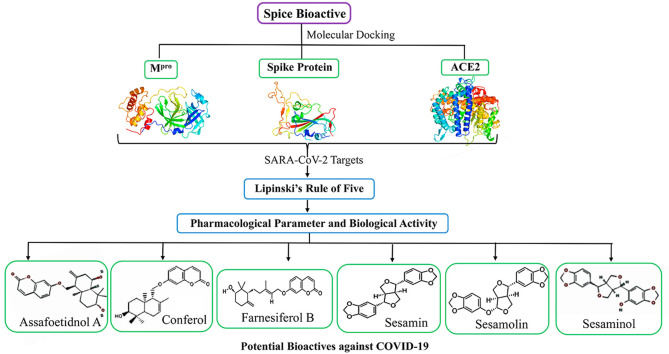
Coronavirus disease-2019 (COVID-19) is an infectious pandemic caused by SARS-CoV-2. SARS-CoV-2 main protease (M) and spike protein are crucial for viral replication and transmission. Spike protein recognizes the human ACE2 receptor and transmits SARS-CoV-2 into the human body. Thus, M, spike protein, and ACE2 receptor act as appropriate targets for the development of therapeutics against SARS-CoV-2. Spices are traditionally known to have anti-viral and immune-boosting activities. Therefore, we investigated the possible use of selected spice bioactives against the potential targets of SARS-CoV-2 using computational analysis.
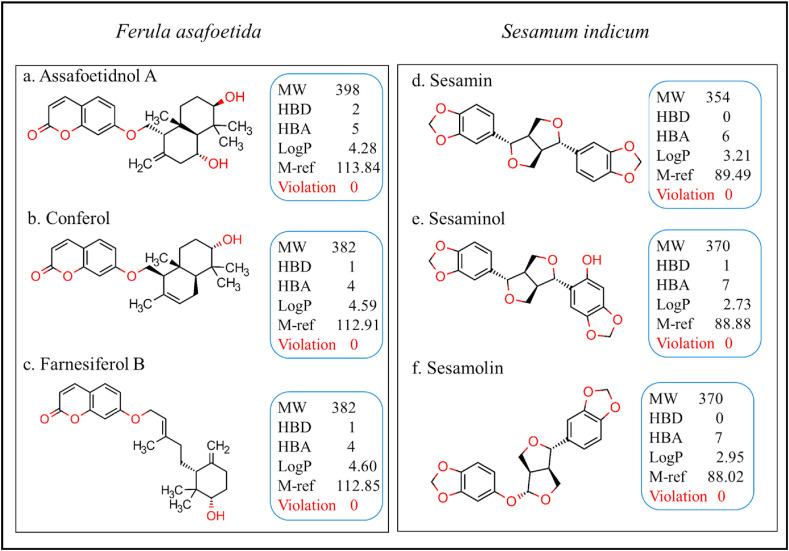
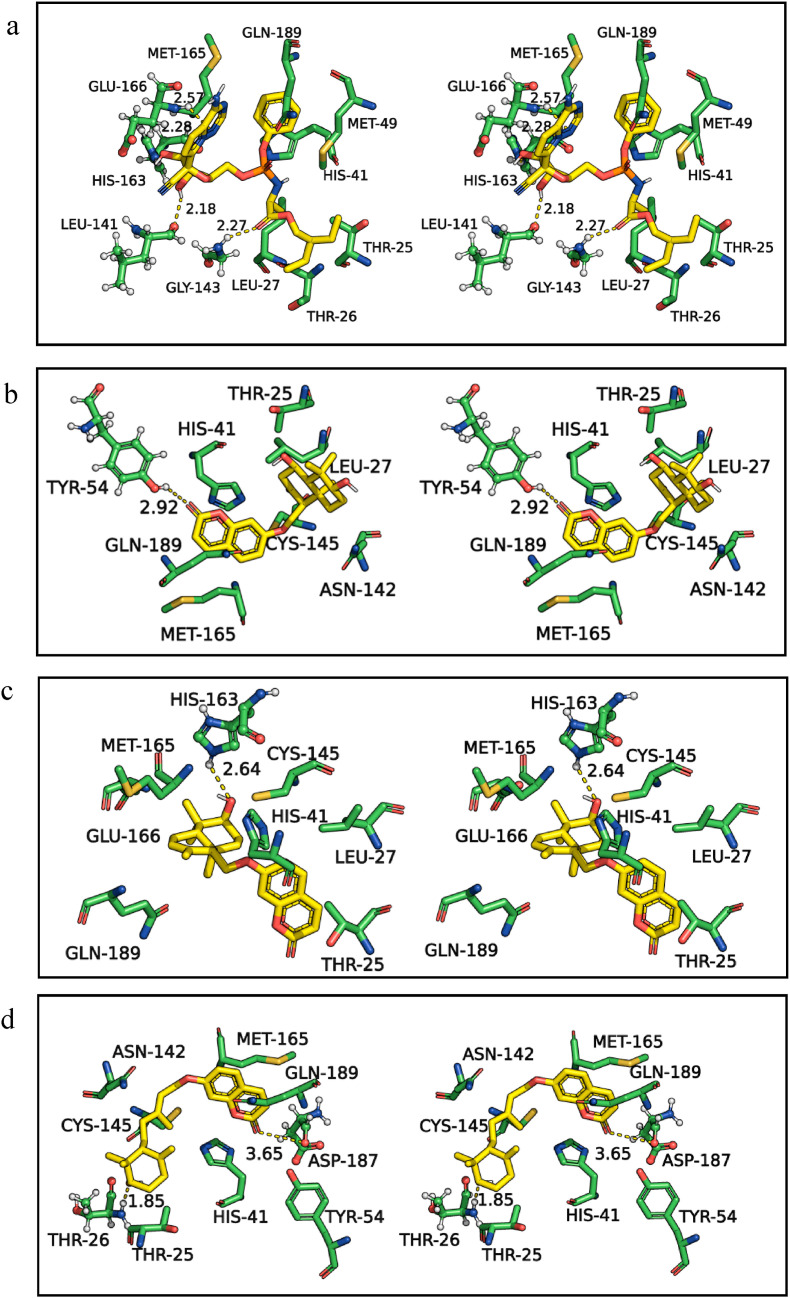
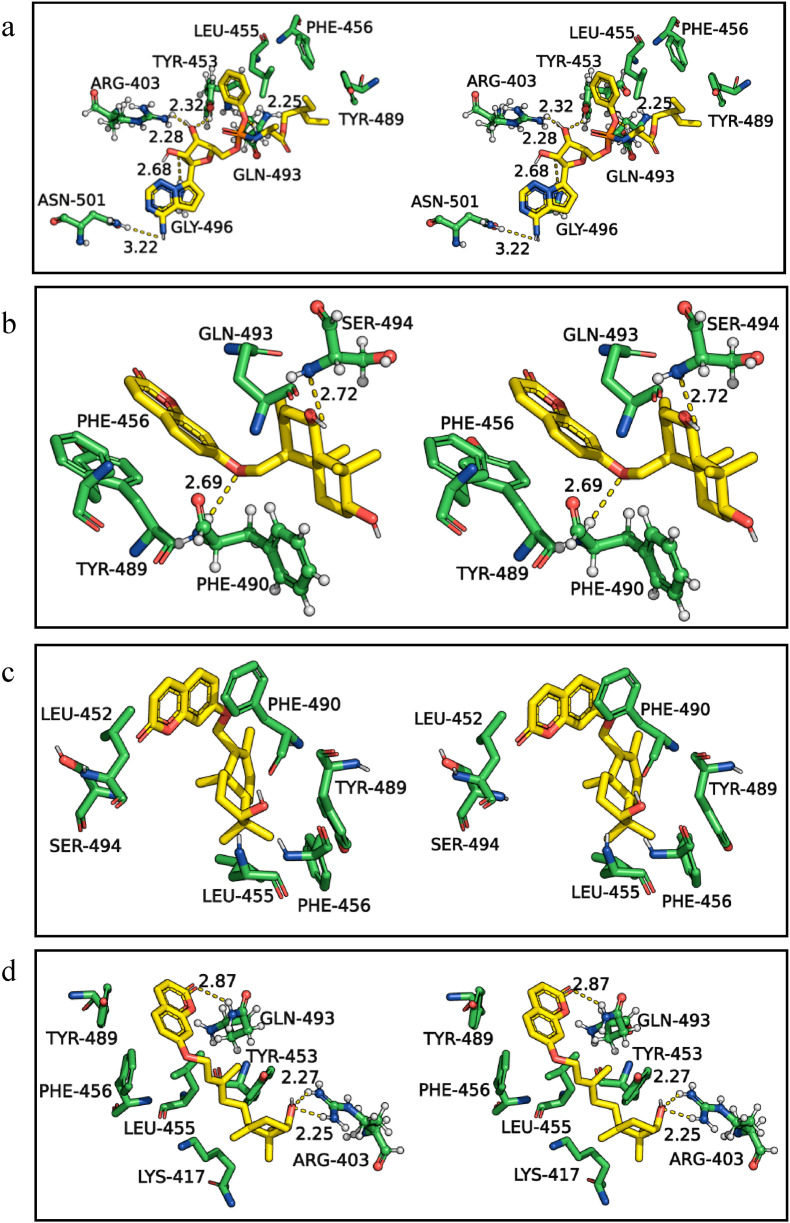
Molecular docking analysis was performed to analyze the binding efficiency of spice bioactives against SARS-CoV-2 target proteins along with the standard drugs. Drug-likeness properties of selected spice bioactives were investigated using Lipinski's rule of five and the SWISSADME database. Pharmacological properties such as ADME/T, biological functions, and toxicity were analyzed using ADMETlab, PASS-prediction, and ProTox-II servers, respectively.
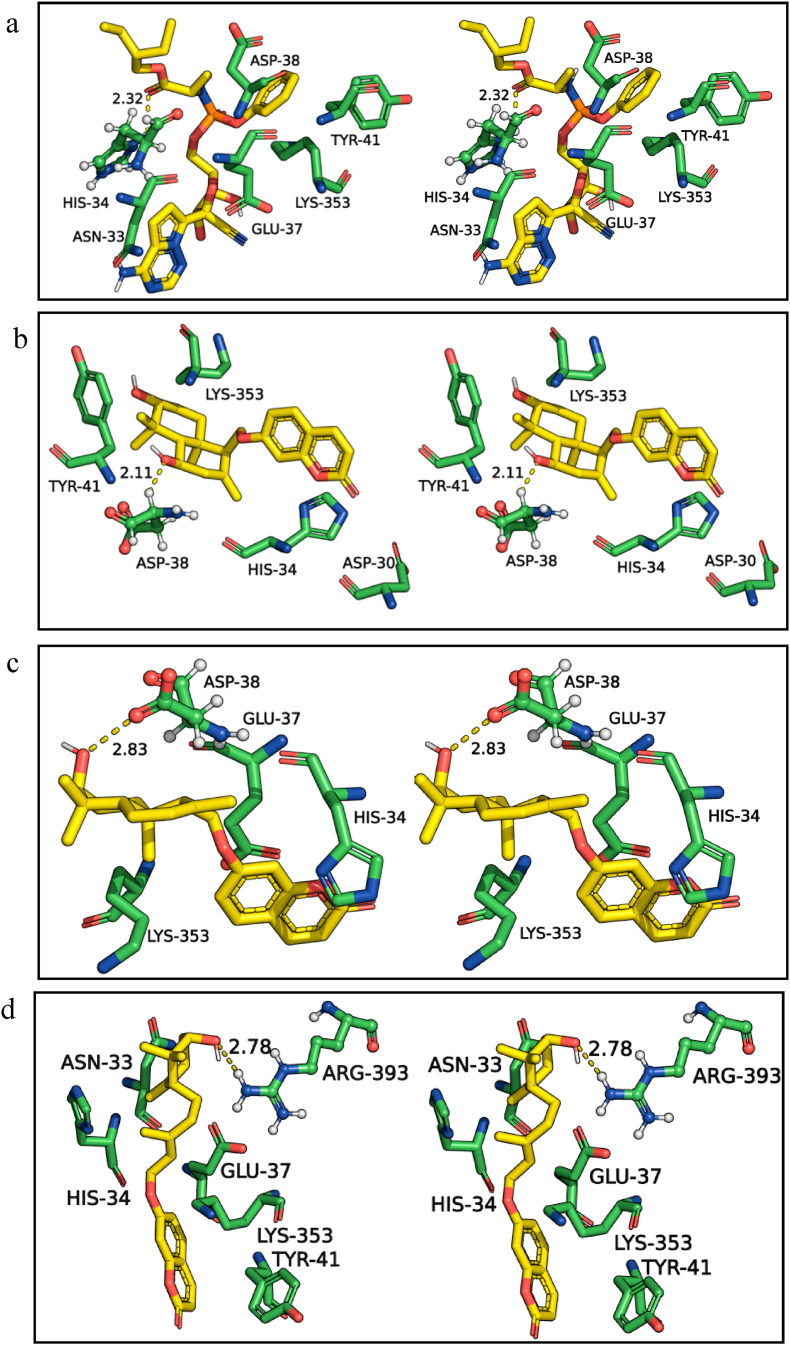
Out of forty-six spice bioactives screened, six bioactives have shown relatively better binding energies than the standard drugs and have a higher binding affinity with at least more than two targets of SARS-CoV-2. The selected bioactives were analyzed for their binding similarities with the standard drug, remdesivir, towards the targets of SARS-CoV-2. Selected spice bioactives have shown potential drug-likeness properties, with higher GI absorption rate, lower toxicity with pleiotropic biological roles.
Spice bioactives have the potential to bind with the specific targets involved in SARS-CoV-2 infection and transmission. Therefore, spice-based nutraceuticals can be developed for the prevention and treatment of COVID-19.
由 SARS-CoV-2 引起的 2019 年冠状病毒病(COVID-19)是一种传染性大流行疾病。SARS-CoV-2 的主要蛋白酶(M)和刺突蛋白对于病毒的复制和传播至关重要。刺突蛋白识别人体 ACE2 受体并将 SARS-CoV-2 传入人体。因此,M、刺突蛋白和 ACE2 受体是开发针对 SARS-CoV-2 的治疗方法的合适靶标。传统上,香料被认为具有抗病毒和增强免疫的作用。因此,我们使用计算分析研究了使用选定的香料生物活性物质针对 SARS-CoV-2 的潜在靶标进行治疗的可能性。
进行分子对接分析,以分析香料生物活性物质与 SARS-CoV-2 靶蛋白结合的效率,同时与标准药物进行比较。使用 Lipinski 的五规则和 SWISSADME 数据库研究选定的香料生物活性物质的药物相似性。使用 ADMETlab、PASS-prediction 和 ProTox-II 服务器分别分析药物的 ADME/T、生物功能和毒性等药理学特性。
在筛选出的 46 种香料生物活性物质中,有 6 种生物活性物质的结合能优于标准药物,并且与 SARS-CoV-2 的至少两个以上靶标具有更高的结合亲和力。分析了选定的生物活性物质与标准药物瑞德西韦针对 SARS-CoV-2 靶标的结合相似性。选定的香料生物活性物质具有潜在的药物相似性,具有较高的 GI 吸收率,较低的毒性和多种生物作用。
香料生物活性物质有可能与 SARS-CoV-2 感染和传播涉及的特定靶标结合。因此,可以开发基于香料的营养保健品来预防和治疗 COVID-19。