Lis Bernadetta, Jedrejek Dariusz, Rywaniak Joanna, Soluch Agata, Stochmal Anna, Olas Beata
Department of General Biochemistry, Faculty of Biology and Environmental Protection, University of Lodz, 90-236 Lodz, Poland.
Department of Biochemistry and Crop Quality, Institute of Soil Science and Plant Cultivation, State Research Institute, 24-100 Pulawy, Poland.
Molecules. 2020 Nov 18;25(22):5402. doi: 10.3390/molecules25225402.
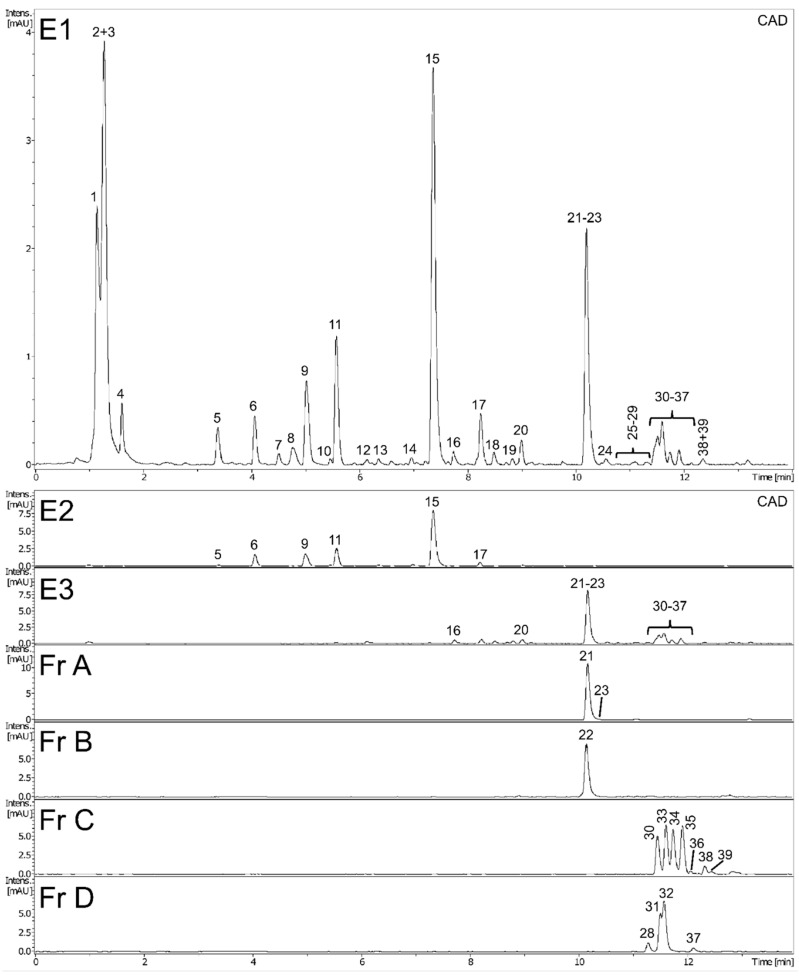
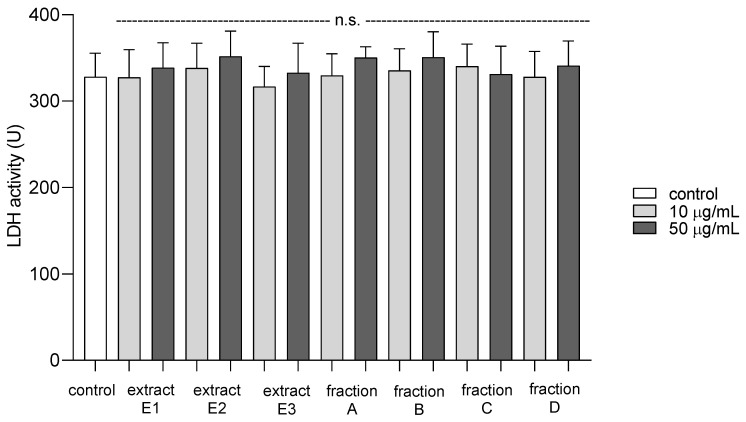
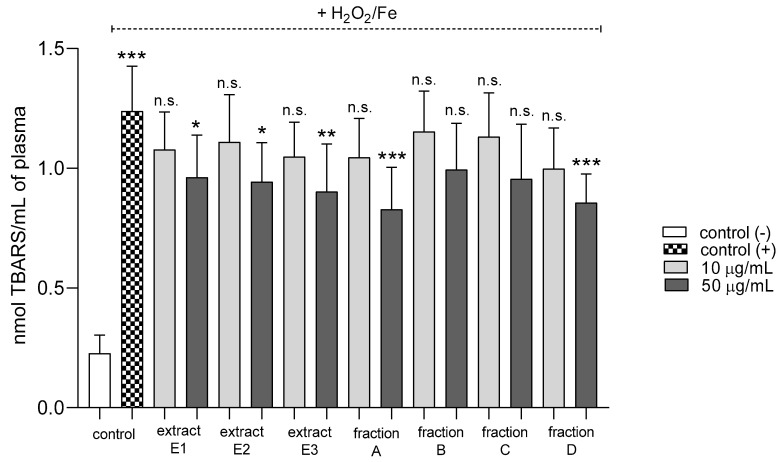
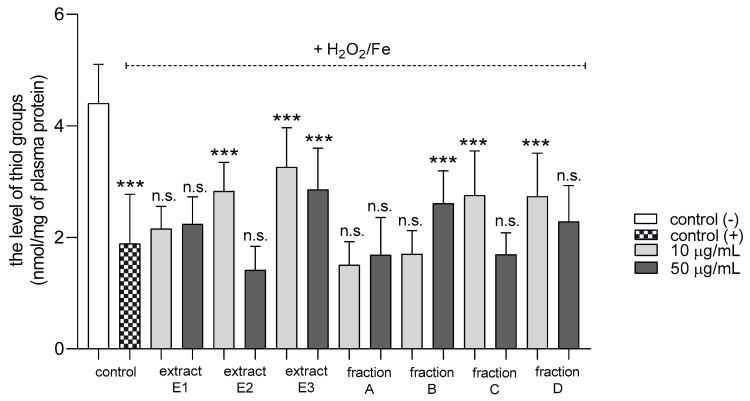
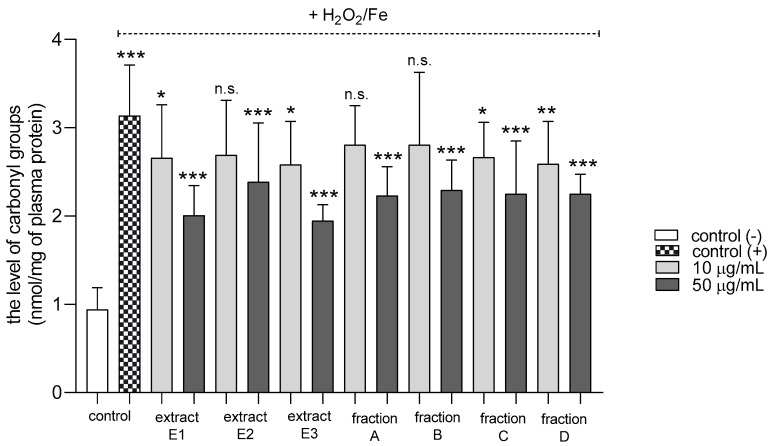
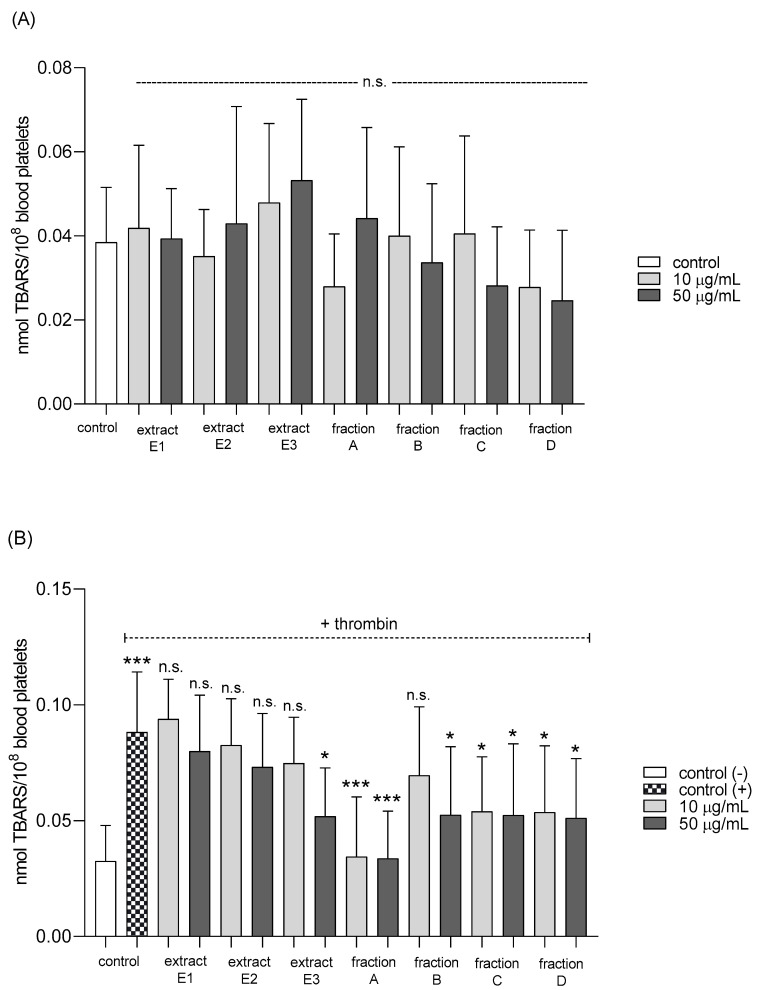
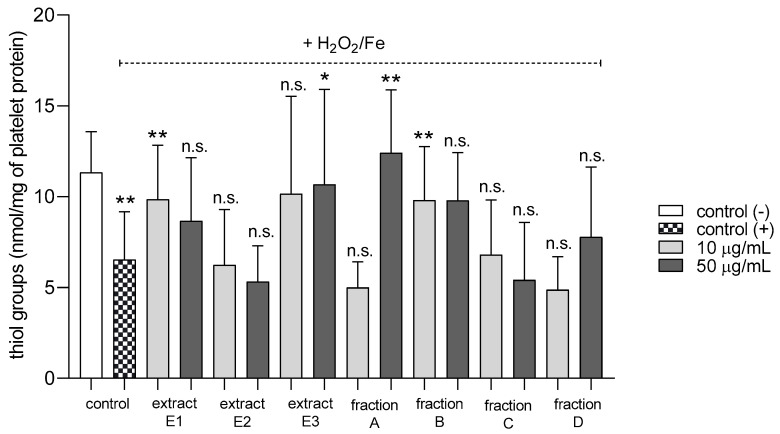
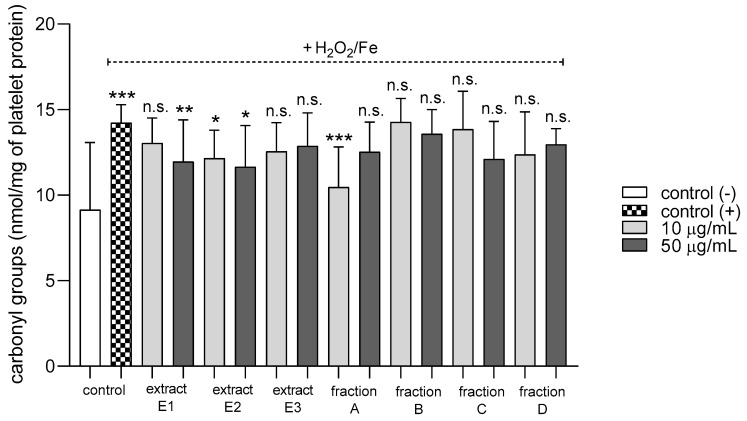
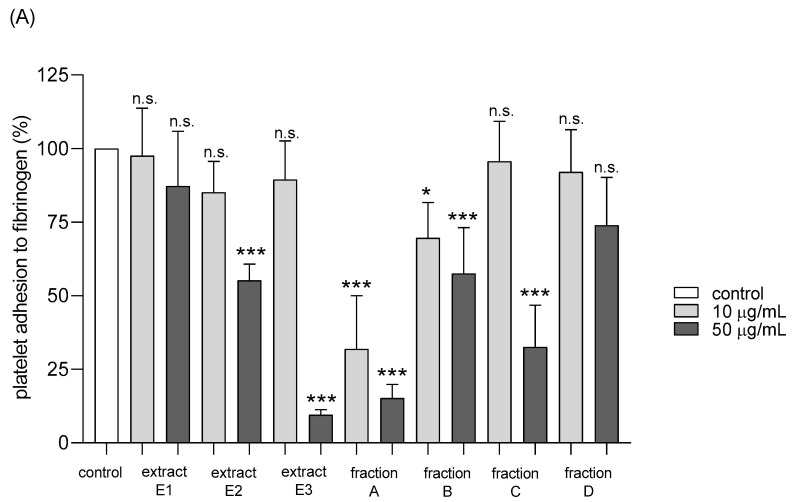
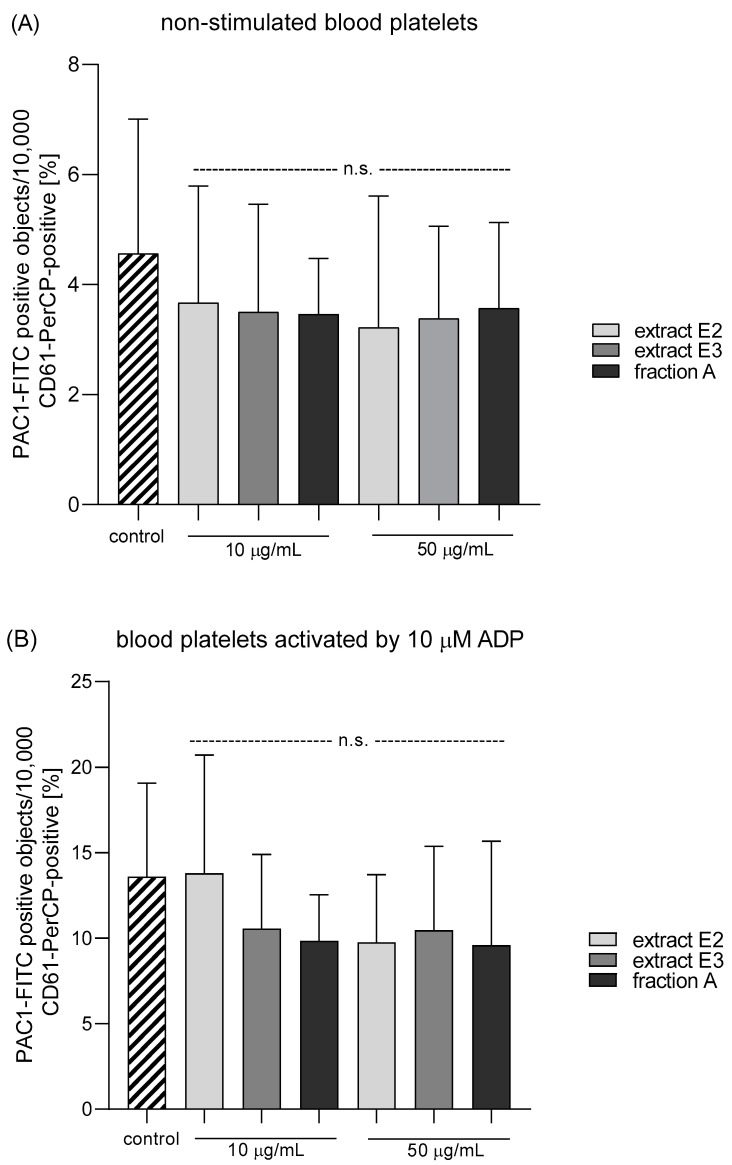
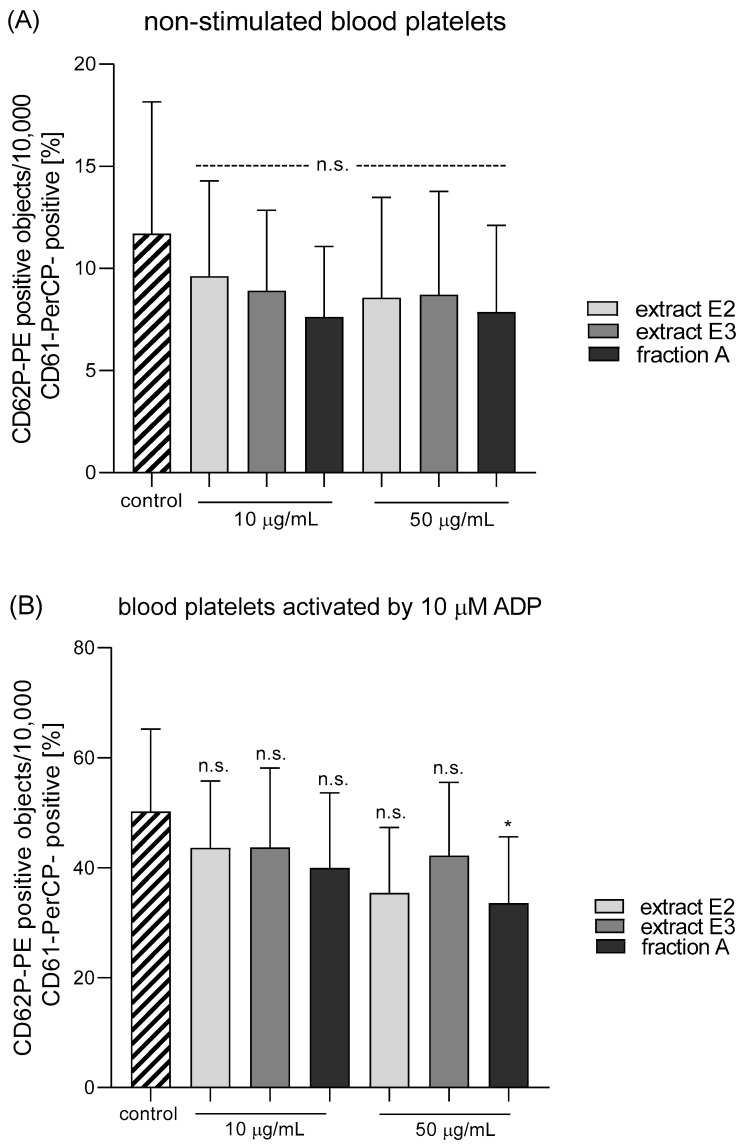
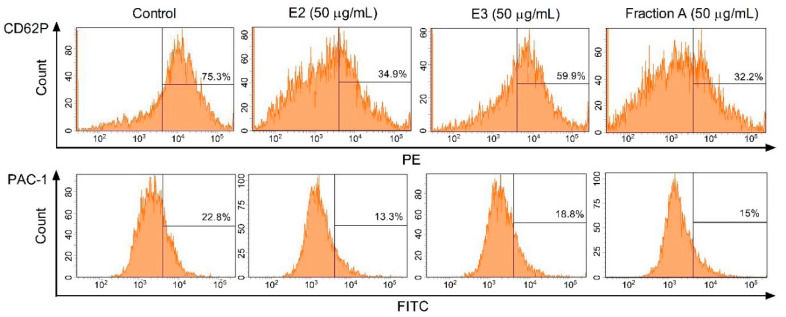
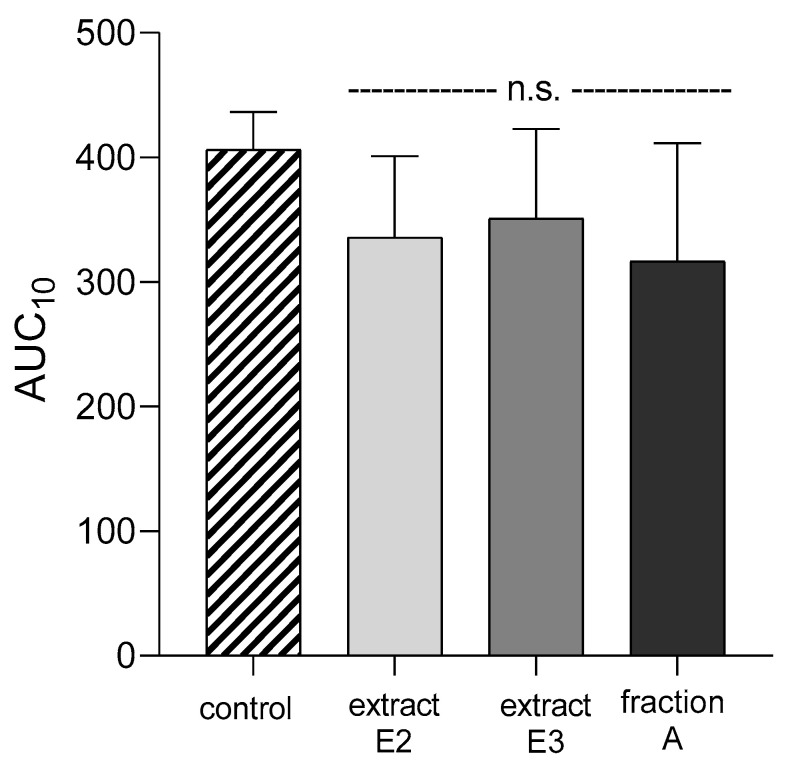
Dandelion ( L.) roots, leaves, and flowers have a long history of use in traditional medicine. Compared to the above organs, dandelion fruits are the least known and used. Hence, the present paper was aimed at the phytochemical analysis of fruit extract and estimating its antiradical, antiplatelet, and antioxidant properties related to hemostasis. Methanolic extract of fruits (E1), enriched with polyphenols (188 mg gallic acid equivalents (GAE)/g), was successfully separated into cinnamic acids (E2; 448 mg GAE/g) and flavonoids (E3; 377 mg GAE/g) extracts. Flavonoid extract was further divided into four fractions characterized by individual content: A (luteolin fraction; 880 mg GAE/g), B (philonotisflavone fraction; 516 mg GAE/g), C (flavonolignans fraction; 384 mg GAE/g), and D (flavone aglycones fraction; 632 mg GAE/g). High DPPH radical scavenging activity was evaluated for fractions A and B (A > B > Trolox), medium for extracts (Trolox > E3 > E2 > E1), and low for fractions C and D. No simple correlation between polyphenol content and antiradical activity was observed, indicating a significant influence of qualitative factor, including higher anti-oxidative effect of flavonoids with B-ring catechol system compared to hydroxycinnamic acids. No cytotoxic effect on platelets was observed for any dandelion preparation tested. In experiments on plasma and platelets, using several different parameters (lipid peroxidation, protein carbonylation, oxidation of thiols, and platelet adhesion), the highest antioxidant and antiplatelet potential was demonstrated by three fruit preparations-hydroxycinnamic acids extract (E2), flavonoid extract (E3), and luteolin fraction (A). The results of this paper provide new information on dandelion metabolites, as well as their biological potential and possible use concerning cardiovascular diseases.
蒲公英(L.)的根、叶和花在传统医学中的应用历史悠久。与上述器官相比,蒲公英果实的知晓度和应用最少。因此,本文旨在对果实提取物进行植物化学分析,并评估其与止血相关的抗自由基、抗血小板和抗氧化特性。富含多酚(188毫克没食子酸当量(GAE)/克)的果实甲醇提取物(E1)成功分离为肉桂酸提取物(E2;448毫克GAE/克)和黄酮类提取物(E3;377毫克GAE/克)。黄酮类提取物进一步分为四个以各自含量为特征的组分:A(木犀草素组分;880毫克GAE/克)、B(泽苔草黄酮组分;516毫克GAE/克)、C(黄酮木脂素组分;384毫克GAE/克)和D(黄酮苷元组分;632毫克GAE/克)。组分A和B表现出较高的DPPH自由基清除活性(A > B > 曲克芦丁),提取物表现出中等活性(曲克芦丁 > E3 > E2 > E1),组分C和D表现出较低活性。未观察到多酚含量与抗自由基活性之间的简单相关性,这表明定性因素有显著影响,包括与羟基肉桂酸相比,具有B环儿茶酚系统的黄酮类具有更高的抗氧化作用。在所测试的任何蒲公英制剂中均未观察到对血小板的细胞毒性作用。在血浆和血小板实验中,使用几个不同参数(脂质过氧化、蛋白质羰基化、硫醇氧化和血小板黏附),三种果实制剂——羟基肉桂酸提取物(E2)、黄酮类提取物(E3)和木犀草素组分(A)表现出最高的抗氧化和抗血小板潜力。本文的结果提供了关于蒲公英代谢产物及其生物学潜力以及在心血管疾病方面可能用途的新信息。