Majewski Michał, Lis Bernadetta, Juśkiewicz Jerzy, Ognik Katarzyna, Borkowska-Sztachańska Małgorzata, Jedrejek Dariusz, Stochmal Anna, Olas Beata
Department of Pharmacology and Toxicology, Faculty of Medicine, University of Warmia and Mazury in Olsztyn, 10-082 Olsztyn, Poland.
Department of General Biochemistry, Faculty of Biology and Environmental Protection, University of Łódź, 90-236 Łódź, Poland.
Antioxidants (Basel). 2020 Feb 3;9(2):131. doi: 10.3390/antiox9020131.
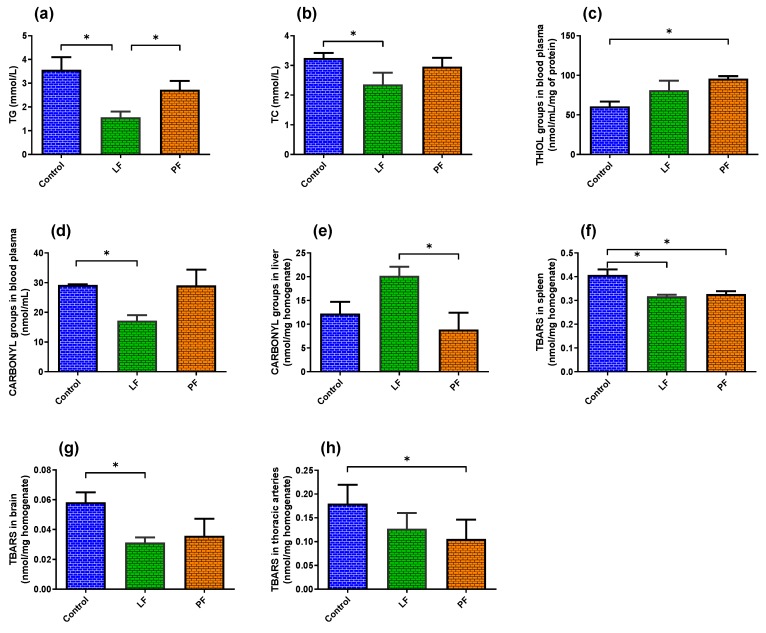
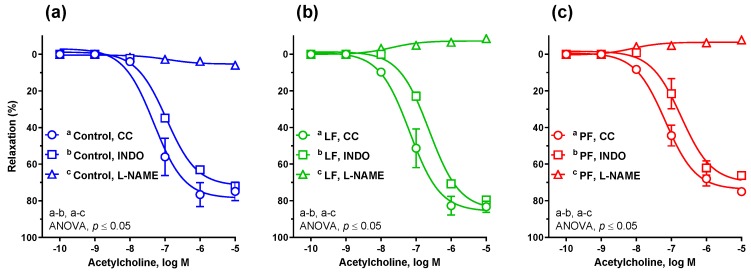
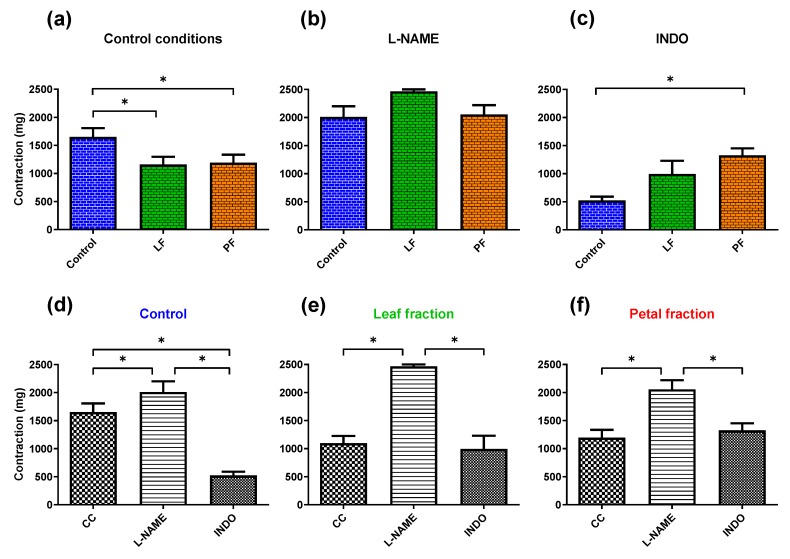
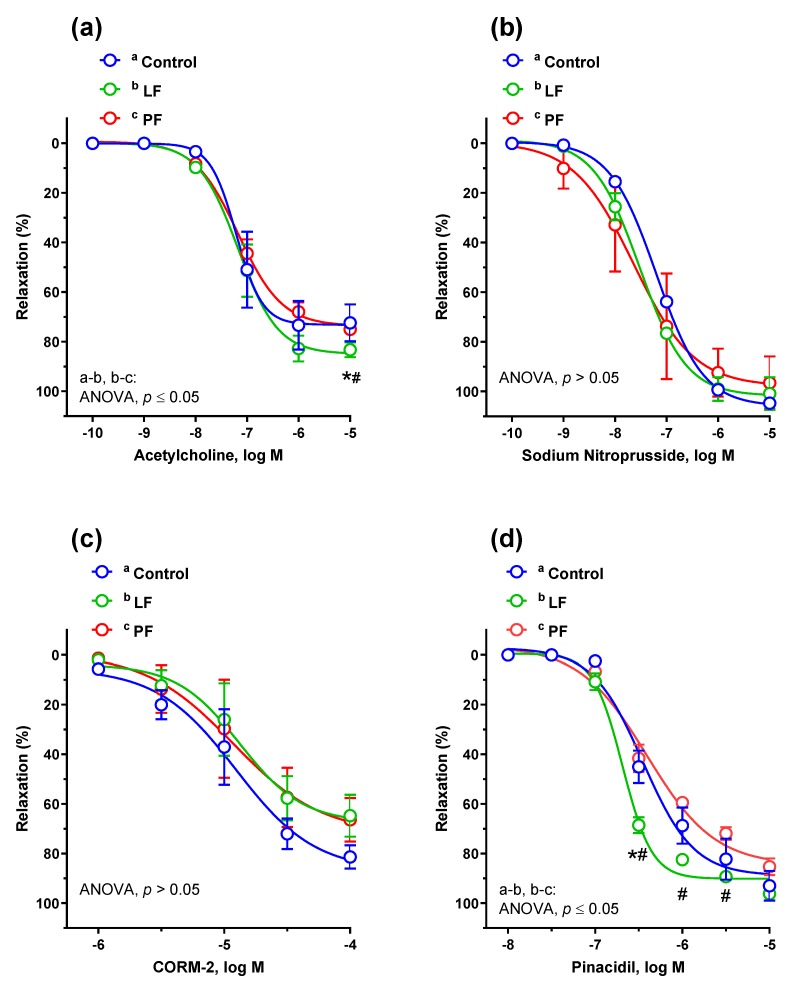
Alcoholic leaf and petal fractions of (dandelion) were previously demonstrated to exert in vitro antioxidant and antithrombotic activities in blood plasma and platelets. Eight-week-old male Wistar rats ( = 6) were supplemented for four weeks with dandelion fractions (694 mg/kg of diet = 11.9 ± 0.6 mg daily). Dandelion leaf and petal fractions, which delivered daily 4.10 ± 0.05 and 1.41 ± 0.07 mg l-chicoric acid, respectively, were shown to exert antioxidative actions, measured as decreased levels of thiobarbituric acid-reactive substances (TBARS) in the spleen (≈0.8-fold, leaves and petals), brain (0.53-fold, leaves) and thoracic arteries (0.59-fold, petals). Moreover, petal fraction increased thiols in the blood plasma (1.58-fold), while leaf fraction decreased protein carbonylation levels (0.59-fold). Additionally, dandelion leaf fractions modified the lipid profile: decreased triglyceride (0.44-fold), total cholesterol (0.73-fold), lipoprotein combine index (0.32-fold) and the atherogenic index of plasma (0.62-fold). Dandelion fractions showed a beneficial decrease effect in the participation of cyclooxygenase products in the noradrenaline-induced vascular contractions of thoracic arteries. Meanwhile, only the dandelion leaf fraction augmented acetylcholine-induced vasodilation and upregulated K channels. The heart rate and blood pressure were not modified. Dandelion leaf and petal phenolic fractions, enriched with l-chicoric acid, are promising plant materials that may exert in vivo beneficial antioxidant effects.
蒲公英的酒精提取物叶和花瓣部分先前已被证明在体外对血浆和血小板具有抗氧化和抗血栓形成活性。八周龄雄性Wistar大鼠(n = 6)用蒲公英提取物补充四周(694毫克/千克饮食 = 每日11.9±0.6毫克)。蒲公英叶和花瓣部分,分别每日提供4.10±0.05和1.41±0.07毫克l-菊苣酸,被证明具有抗氧化作用,表现为脾脏中硫代巴比妥酸反应性物质(TBARS)水平降低(≈0.8倍,叶和花瓣)、大脑中降低(0.53倍,叶)以及胸主动脉中降低(0.59倍,花瓣)。此外,花瓣部分增加了血浆中的硫醇(1.58倍),而叶部分降低了蛋白质羰基化水平(0.59倍)。此外,蒲公英叶部分改变了脂质谱:甘油三酯降低(0.44倍)、总胆固醇降低(0.73倍)、脂蛋白结合指数降低(0.32倍)以及血浆动脉粥样硬化指数降低(0.62倍)。蒲公英提取物对环氧化酶产物参与去甲肾上腺素诱导的胸主动脉血管收缩具有有益的降低作用。同时,只有蒲公英叶部分增强了乙酰胆碱诱导的血管舒张并上调了钾通道。心率和血压未改变。富含l-菊苣酸的蒲公英叶和花瓣酚类部分是有前景的植物材料,可能在体内发挥有益的抗氧化作用。