Staller Naomi, Randler Christoph
Eberhard Karls Universität Tübingen, Tübingen, Germany.
Somnologie (Berl). 2021;25(2):131-137. doi: 10.1007/s11818-020-00277-2. Epub 2020 Nov 17.
In this study, we researched the effects of the COVID-19 restriction measures on the sleep health of = 681 German residents (mean age: 28.63 years, SD: 10.49 years).
The data were collected with an anonymous online survey composed of validated questionnaires and additional questions to quantify changed circumstances during the pandemic. Data were collected from May 18 to June 17, 2020, while governmental restrictions were imposed in Germany. We exclusively analysed participants working in home office during this time.
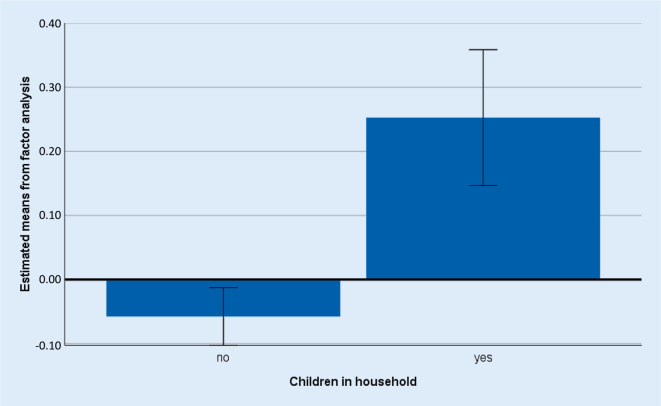
Participants woke up about 1 hour later during the COVID-19 restriction phase, while going to bed at almost the same time as before. During the week, participants slept about an hour longer, while sleep at weekends did not differ significantly. Social jetlag decreased from 1:39 ± 1:00 to 0:49 ± 0:42 min in our sample. The number of children in the household was a significant factor predicting sleep timing. Participants with children living in the same household slept longer and sleep onset was later.
In terms of sleep behaviour and, consequently, sleep health, participants benefited from the transition to home office. They were able to adapt their waking and working hours better to their biological rhythm, which reduced social jetlag.
在本研究中,我们调查了新冠疫情限制措施对681名德国居民(平均年龄:28.63岁,标准差:10.49岁)睡眠健康的影响。
通过一项匿名在线调查收集数据,该调查由经过验证的问卷和额外问题组成,以量化疫情期间变化的情况。数据收集于2020年5月18日至6月17日,当时德国实施了政府限制措施。我们专门分析了在此期间居家办公的参与者。
在新冠疫情限制阶段,参与者起床时间大约晚了1小时,而睡觉时间与之前几乎相同。在工作日,参与者睡眠时间延长了约1小时,而周末睡眠无显著差异。在我们的样本中,社会时差从1:39±1:00降至0:49±0:42分钟。家庭中孩子的数量是预测睡眠时间的一个重要因素。与孩子同住一个家庭的参与者睡眠时间更长,入睡时间更晚。
在睡眠行为以及由此带来的睡眠健康方面,参与者从过渡到居家办公中受益。他们能够更好地使起床和工作时间适应自身的生物钟节律,从而减少了社会时差。