Zhu Shichao, Zhu Kai, Li Jun, Lai Hao, Wang Chunsheng
Department of Cardiac Surgery, Zhongshan Hospital, Fudan University, Shanghai, China.
Shanghai Institute of Cardiovascular Diseases, Shanghai, China.
Front Bioeng Biotechnol. 2020 Nov 5;8:583879. doi: 10.3389/fbioe.2020.583879. eCollection 2020.
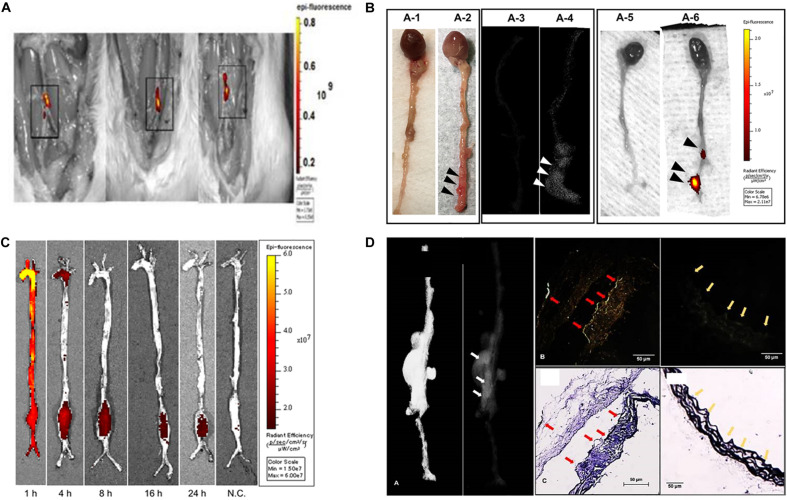
The aorta is the largest artery in the body, so any diseases or conditions which could cause damage to the aorta would put patients at considerable and life-threatening risk. In the management of aortic diseases, the major treatments include drug therapy, endovascular treatment, and surgical treatment, which are of great danger or with a poor prognosis. The delivery of nano-biomaterials provides a potential development trend and an emerging field where we could monitor patients' conditions and responses to the nanotherapeutics. One of the putative applications of nanotechnology is ultrasensitive monitoring of cardiovascular markers by detecting and identifying aneurysms. Moreover, the use of nanosystems for targeted drug delivery can minimize the systemic side effects and enhance drug positioning and efficacy compared to conventional drug therapies. This review shows some examples of utilizing nano-biomaterials in organ and cell culture experiments and explains some developing technologies in delivering and monitoring regenerative therapeutics.
主动脉是人体最大的动脉,因此任何可能损害主动脉的疾病或状况都会使患者面临巨大的生命危险。在主动脉疾病的治疗中,主要治疗方法包括药物治疗、血管内治疗和手术治疗,这些治疗方法风险极大或预后不佳。纳米生物材料的应用提供了一种潜在的发展趋势和新兴领域,我们可以在此监测患者的病情以及对纳米治疗的反应。纳米技术的一个假定应用是通过检测和识别动脉瘤来超灵敏监测心血管标志物。此外,与传统药物治疗相比,使用纳米系统进行靶向药物递送可以将全身副作用降至最低,并提高药物定位和疗效。本综述展示了在器官和细胞培养实验中利用纳米生物材料的一些实例,并解释了一些在递送和监测再生治疗方面的新兴技术。