State Key Laboratory of Freshwater Ecology and Biotechnology, Institute of Hydrobiology, Chinese Academy of Sciences, Wuhan 430072, China.
University of Chinese Academy of Sciences, Beijing 100049, China.
Toxins (Basel). 2020 Nov 19;12(11):724. doi: 10.3390/toxins12110724.
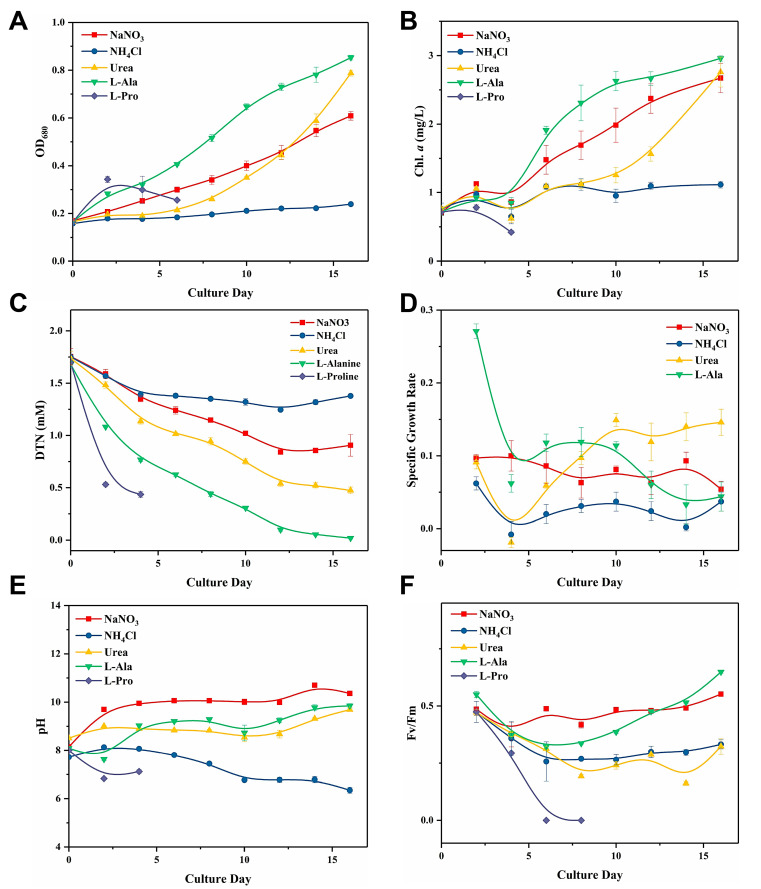
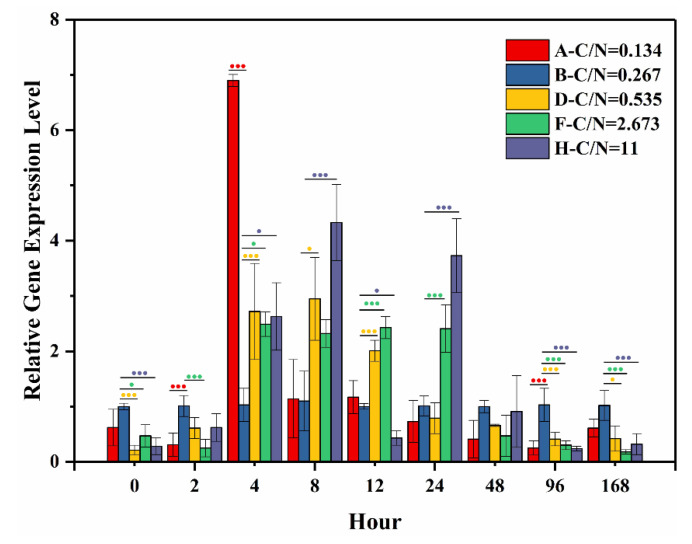
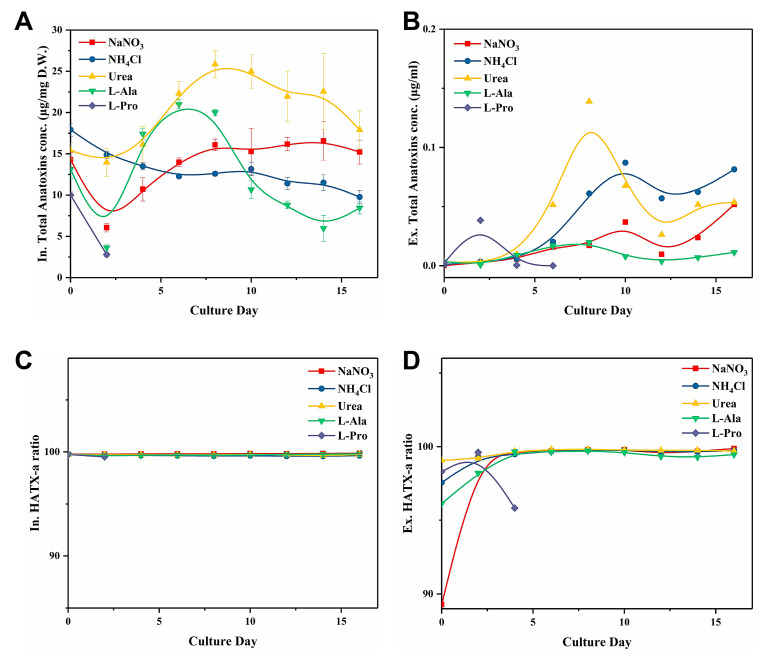
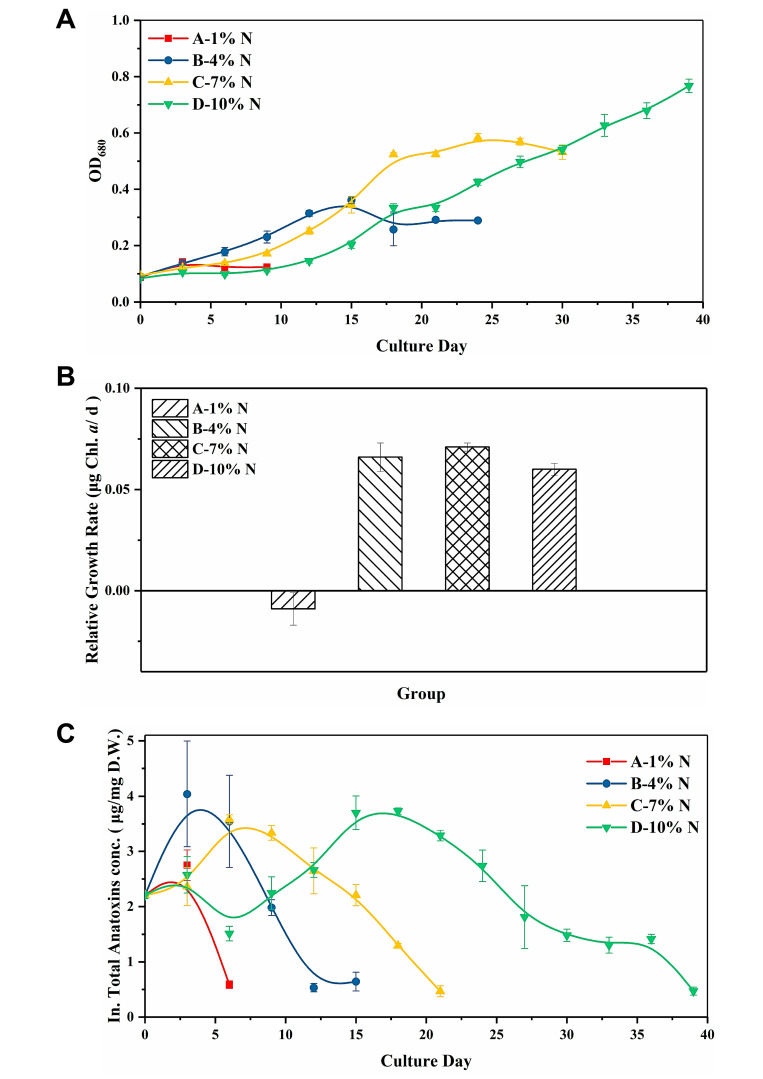
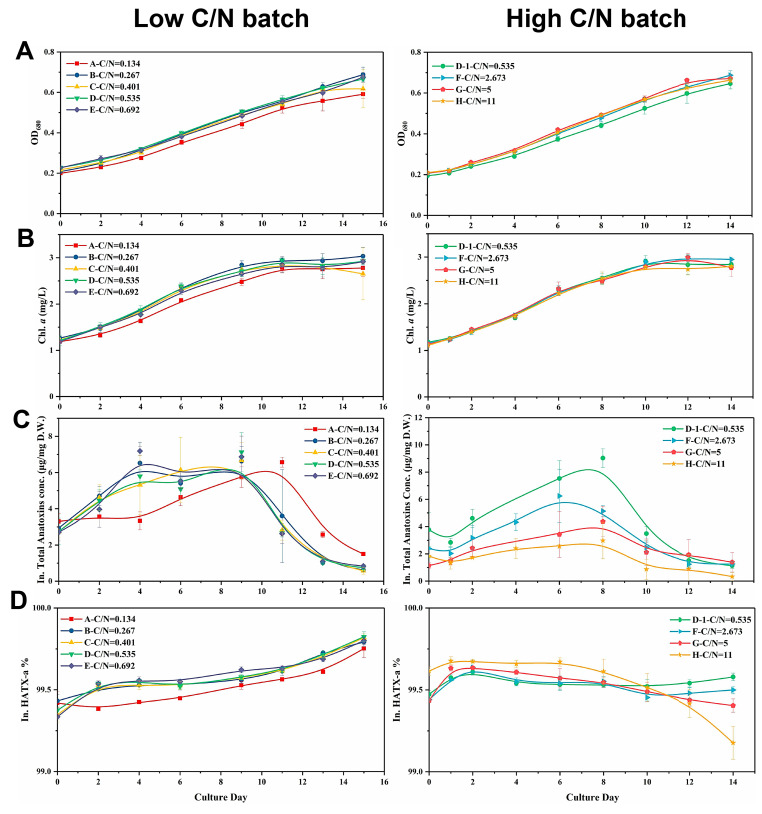
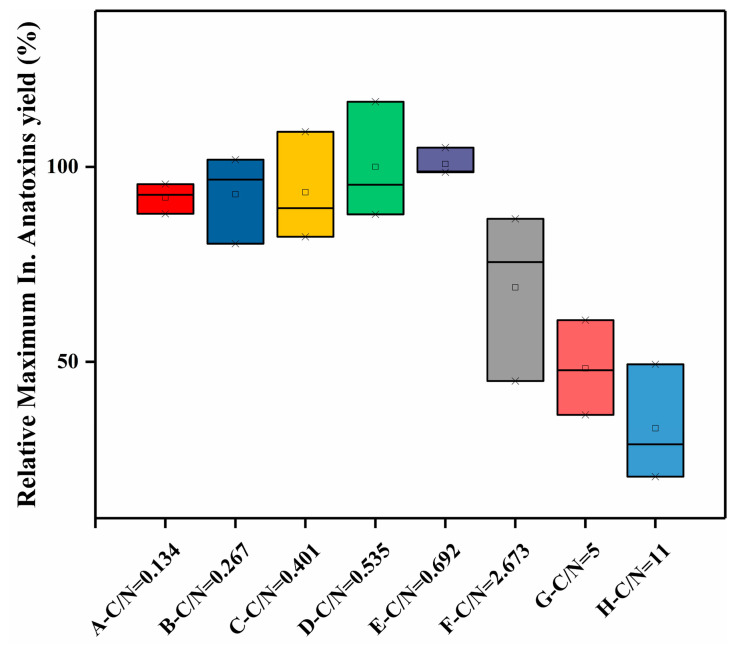
Cyanotoxins are the underlying cause of the threat that globally pervasive Cyanobacteria Harmful algal blooms (CyanoHABs) pose to humans. Major attention has been focused on the cyanobacterial hepatotoxin microcystins (MCs); however, there is a dearth of studies on cyanobacterial neurotoxin anatoxins. In this study, we explored how an anatoxin-producing strain responded to culture with inorganic and organic nitrogen sources in terms of growth and anatoxins production. The results of our study revealed that ʟ- alanine could greatly boost cell growth, and was associated with the highest cell productivity, while urea significantly stimulated anatoxin production with the maximum anatoxin yield reaching 25.86 μg/mg dry weight, which was 1.56-fold higher than that in the control group (BG11). To further understand whether the carbon/nitrogen balance in would affect anatoxin production, we explored growth and toxin production in response to different carbon/nitrogen ratios (C/N). Anatoxin production was mildly promoted when the C/N ratio was within low range, and significantly inhibited when the C/N ratio was within high range, showing approximately a three-fold difference. Furthermore, the transcriptional profile revealed that gene expression was significantly up-regulated over 2-24 h when the C/N ratio was increased, and was significantly down-regulated after 96 h. Overall, our results further enriched the evidence that urea can stimulate cyanotoxin production, and ʟ-alanine could boost proliferation, thus providing information for better management of aquatic systems. Moreover, by focusing on the intracellular C/N metabolic balance, this study explained the anatoxin production dynamics in in response to different N sources.
蓝藻毒素是全球广泛存在的蓝藻有害藻华(CyanoHABs)对人类构成威胁的根本原因。人们主要关注的是蓝细菌肝毒素微囊藻毒素(MCs);然而,关于蓝细菌神经毒素anatoxins 的研究却很少。在这项研究中,我们探讨了产anatoxin 的菌株在生长和产生anatoxins 方面对无机和有机氮源的培养反应。我们的研究结果表明,L-丙氨酸可以极大地促进细胞生长,并与最高的细胞生产力相关,而尿素则显著刺激 anatoxin 的产生,最大 anatoxin 产量达到 25.86 μg/mg 干重,比对照组(BG11)高 1.56 倍。为了进一步了解是否会影响 anatoxin 的产生,我们探讨了不同碳氮比(C/N)下的生长和毒素产生。当 C/N 比处于低范围时,anatoxin 的产生略有促进,当 C/N 比处于高范围时,显著抑制,差异约为三倍。此外,转录谱显示,当 C/N 比增加时,基因表达在 2-24 小时内显著上调,96 小时后显著下调。总的来说,我们的结果进一步丰富了证据,表明尿素可以刺激蓝藻毒素的产生,而 L-丙氨酸可以促进的增殖,从而为更好地管理水系统提供了信息。此外,通过关注细胞内 C/N 代谢平衡,本研究解释了不同 N 源下对 anatoxin 产生的动态。