Department of Biomedical Data Science, Dartmouth College, Hanover, NH, USA.
Department of Dermatology, Metrohealth System and School of Medicine, Case Western Reserve University, Cleveland, OH, USA.
Comput Biol Med. 2020 Dec;127:104065. doi: 10.1016/j.compbiomed.2020.104065. Epub 2020 Oct 27.
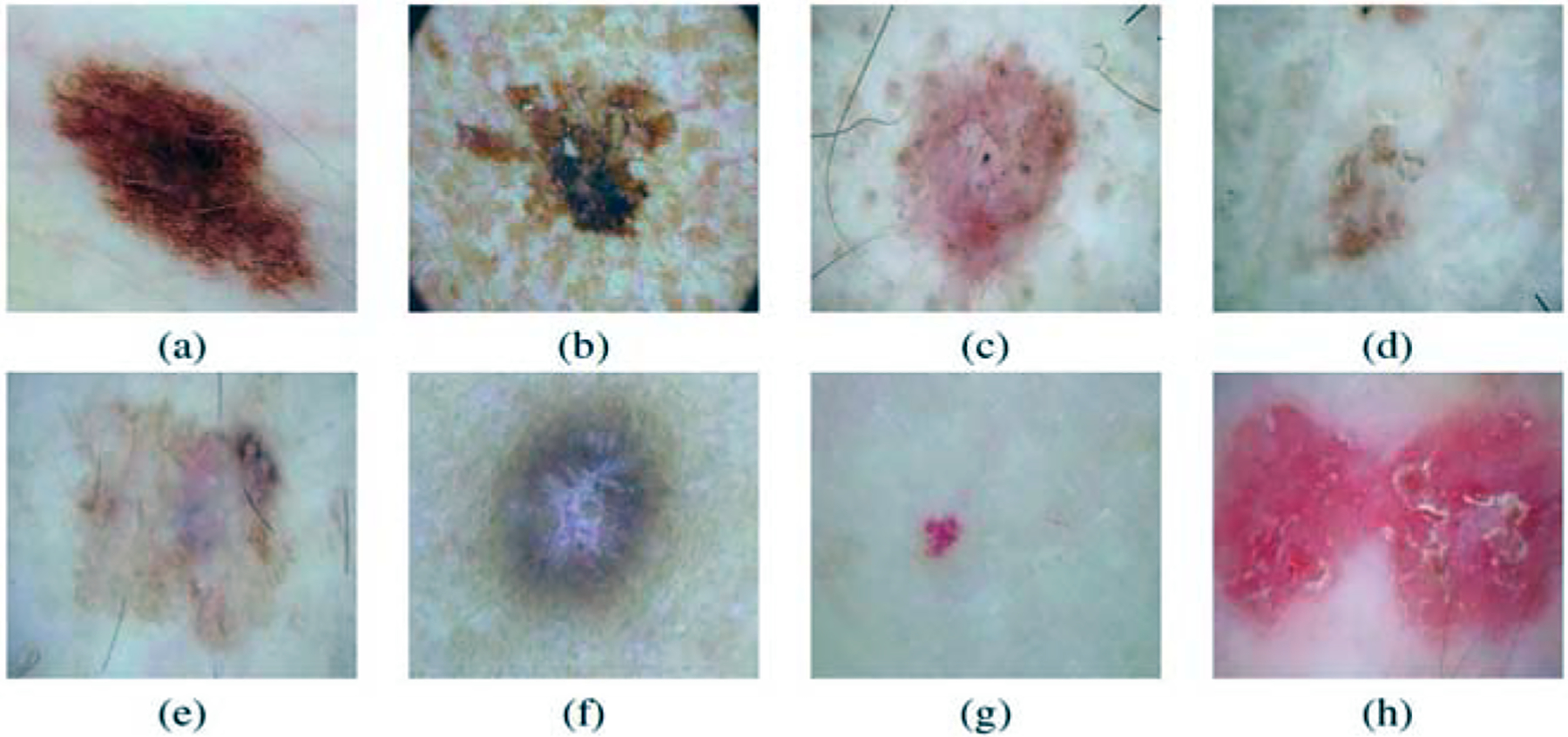
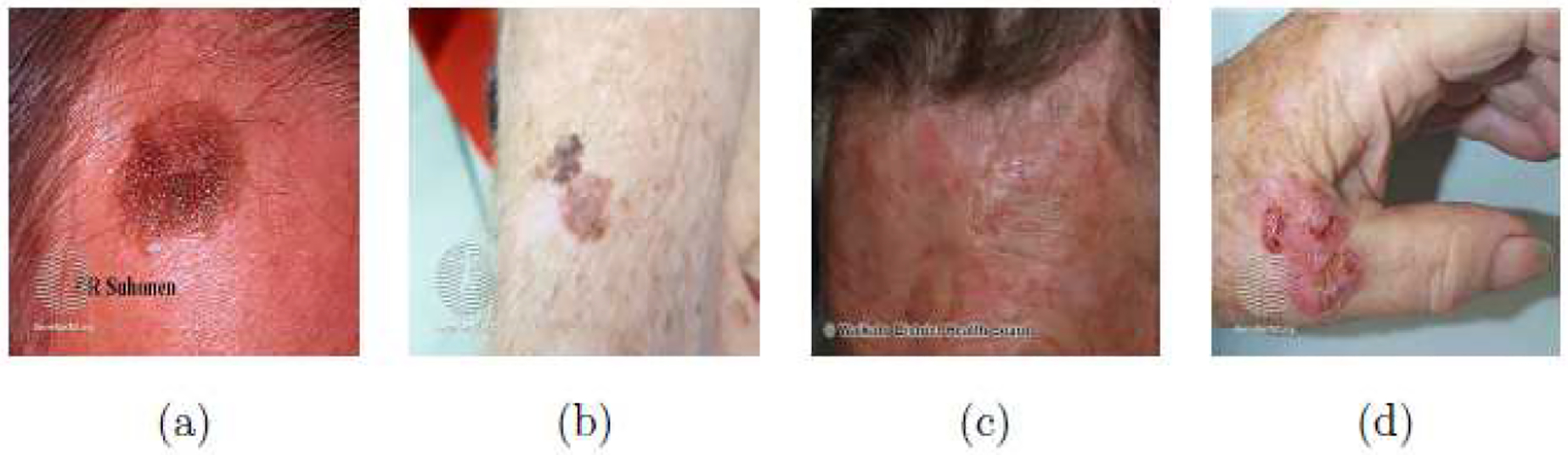
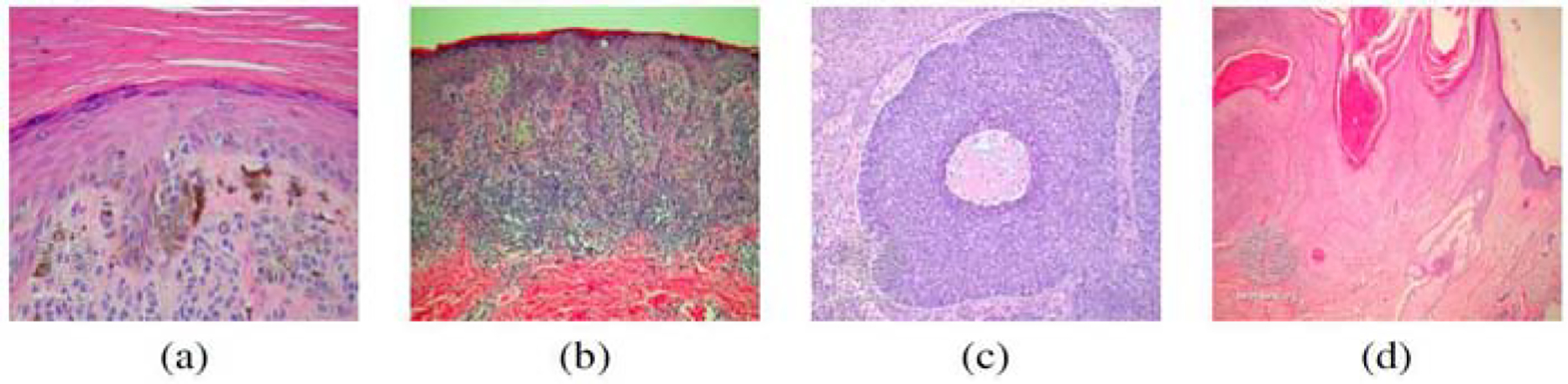
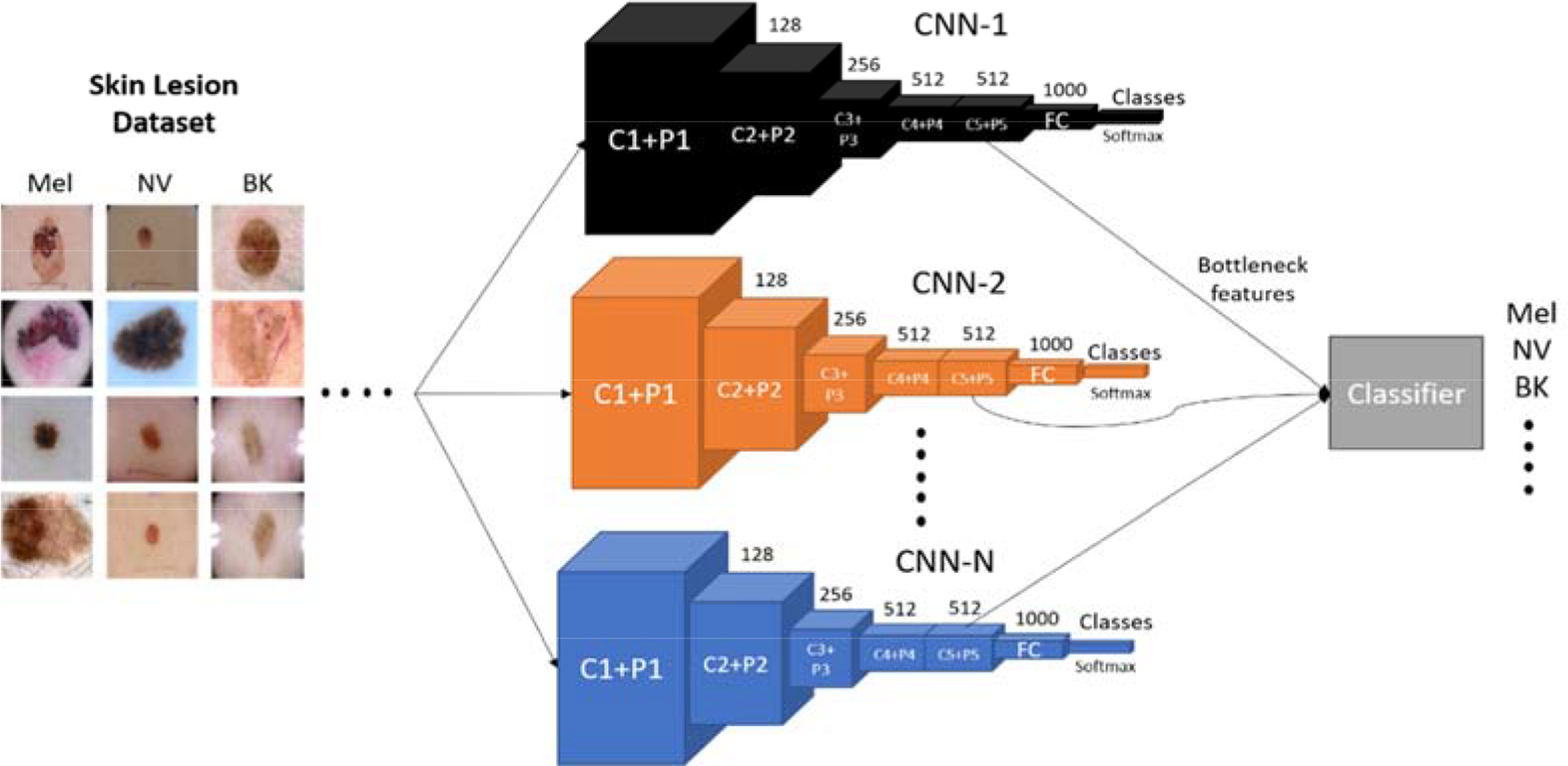
Recently, there has been great interest in developing Artificial Intelligence (AI) enabled computer-aided diagnostics solutions for the diagnosis of skin cancer. With the increasing incidence of skin cancers, low awareness among a growing population, and a lack of adequate clinical expertise and services, there is an immediate need for AI systems to assist clinicians in this domain. A large number of skin lesion datasets are available publicly, and researchers have developed AI solutions, particularly deep learning algorithms, to distinguish malignant skin lesions from benign lesions in different image modalities such as dermoscopic, clinical, and histopathology images. Despite the various claims of AI systems achieving higher accuracy than dermatologists in the classification of different skin lesions, these AI systems are still in the very early stages of clinical application in terms of being ready to aid clinicians in the diagnosis of skin cancers. In this review, we discuss advancements in the digital image-based AI solutions for the diagnosis of skin cancer, along with some challenges and future opportunities to improve these AI systems to support dermatologists and enhance their ability to diagnose skin cancer.
最近,人们对开发人工智能(AI)辅助计算机辅助诊断解决方案以诊断皮肤癌产生了浓厚的兴趣。随着皮肤癌发病率的不断上升,越来越多的人群对其认识不足,以及临床专业知识和服务的缺乏,因此迫切需要 AI 系统来协助该领域的临床医生。大量的皮肤病变数据集已经公开,研究人员已经开发了 AI 解决方案,特别是深度学习算法,以区分不同成像模式(如皮肤镜、临床和组织病理学图像)中的恶性皮肤病变和良性病变。尽管有许多声称 AI 系统在不同皮肤病变的分类中比皮肤科医生具有更高的准确性,但就准备好帮助临床医生诊断皮肤癌而言,这些 AI 系统仍处于临床应用的早期阶段。在这篇综述中,我们讨论了基于数字图像的 AI 解决方案在皮肤癌诊断方面的进展,以及一些挑战和未来的机会,以改善这些 AI 系统,支持皮肤科医生并增强他们诊断皮肤癌的能力。