The Hatter Cardiovascular Institute, 67 Chenies Mews, London, WC1E 6HX, UK.
Basic Res Cardiol. 2020 Nov 30;115(6):73. doi: 10.1007/s00395-020-00829-5.
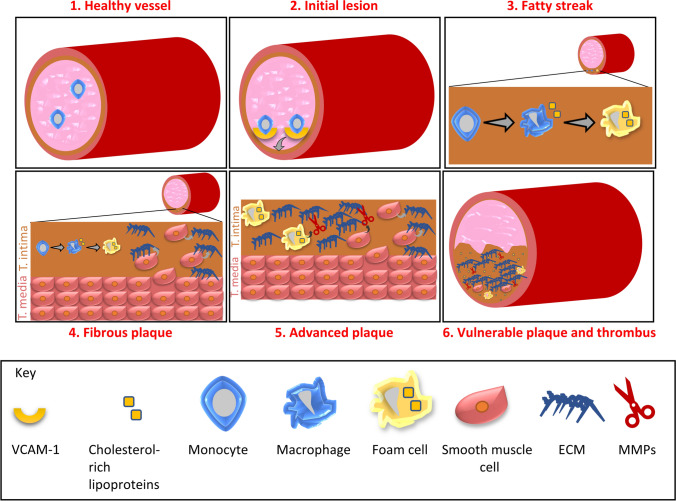
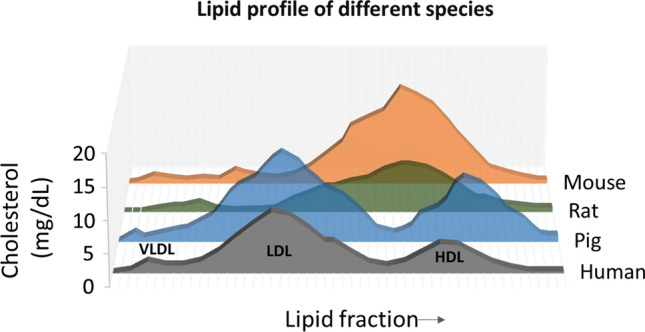
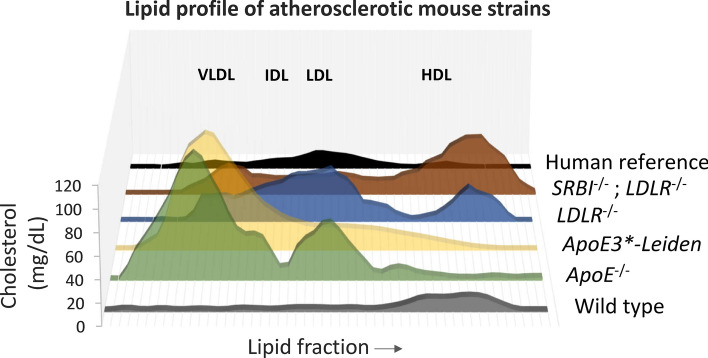
Atherosclerotic plaques impair vascular function and can lead to arterial obstruction and tissue ischaemia. Rupture of an atherosclerotic plaque within a coronary artery can result in an acute myocardial infarction, which is responsible for significant morbidity and mortality worldwide. Prompt reperfusion can salvage some of the ischaemic territory, but ischaemia and reperfusion (IR) still causes substantial injury and is, therefore, a therapeutic target for further infarct limitation. Numerous cardioprotective strategies have been identified that can limit IR injury in animal models, but none have yet been translated effectively to patients. This disconnect prompts an urgent re-examination of the experimental models used to study IR. Since coronary atherosclerosis is the most prevalent morbidity in this patient population, and impairs coronary vessel function, it is potentially a major confounder in cardioprotective studies. Surprisingly, most studies suggest that atherosclerosis does not have a major impact on cardioprotection in mouse models. However, a major limitation of atherosclerotic animal models is that the plaques usually manifest in the aorta and proximal great vessels, and rarely in the coronary vessels. In this review, we examine the commonly used mouse models of atherosclerosis and their effect on coronary artery function and infarct size. We conclude that none of the commonly used strains of mice are ideal for this purpose; however, more recently developed mouse models of atherosclerosis fulfil the requirement for coronary artery lesions, plaque rupture and lipoprotein patterns resembling the human profile, and may enable the identification of therapeutic interventions more applicable in the clinical setting.
动脉粥样硬化斑块损害血管功能,并可导致动脉阻塞和组织缺血。冠状动脉内的动脉粥样硬化斑块破裂可导致急性心肌梗死,这是全球发病率和死亡率高的主要原因。及时再灌注可以挽救部分缺血区域,但缺血再灌注(IR)仍然会造成实质性损伤,因此是进一步限制梗死的治疗靶点。已经确定了许多可以在动物模型中限制 IR 损伤的心脏保护策略,但没有一种策略已被有效地转化为患者。这种脱节促使我们紧急重新检查用于研究 IR 的实验模型。由于冠状动脉粥样硬化是该患者群体中最常见的发病率,并且损害了冠状动脉的功能,因此它可能是心脏保护研究中的一个主要混杂因素。令人惊讶的是,大多数研究表明,动脉粥样硬化对小鼠模型的心脏保护作用没有重大影响。然而,动脉粥样硬化动物模型的一个主要局限性是斑块通常出现在主动脉和近端大血管中,而很少出现在冠状动脉中。在这篇综述中,我们检查了常用于研究动脉粥样硬化的小鼠模型及其对冠状动脉功能和梗死面积的影响。我们得出的结论是,没有一种常用的小鼠品系适合这一目的;然而,最近开发的动脉粥样硬化小鼠模型满足了冠状动脉病变、斑块破裂和脂蛋白模式与人类相似的要求,并且可能能够确定更适用于临床环境的治疗干预措施。