Department of Biosystems Engineering, The University of Arizona, Tucson, AZ 85721, USA.
Biosensors (Basel). 2020 Nov 29;10(12):193. doi: 10.3390/bios10120193.
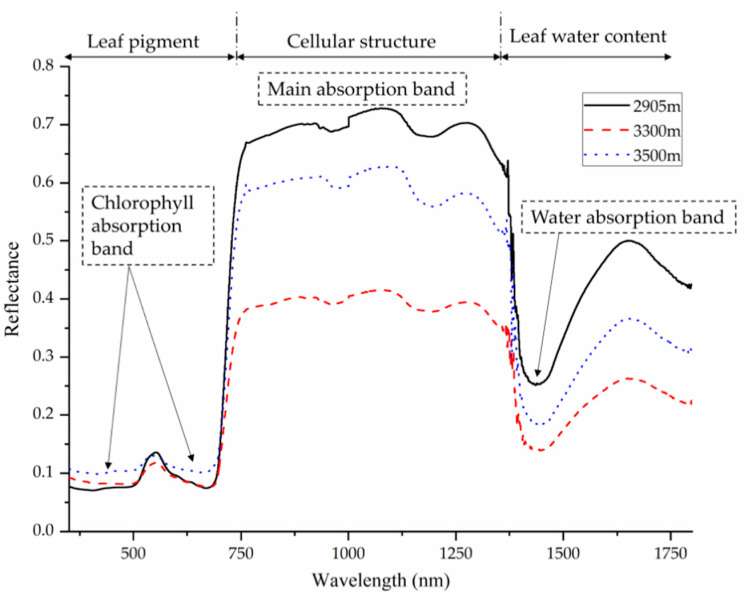
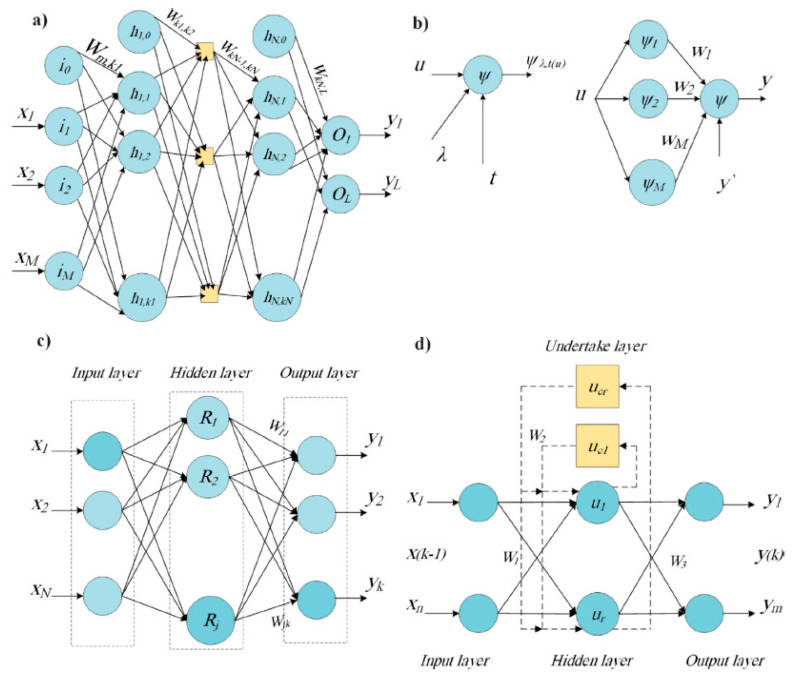
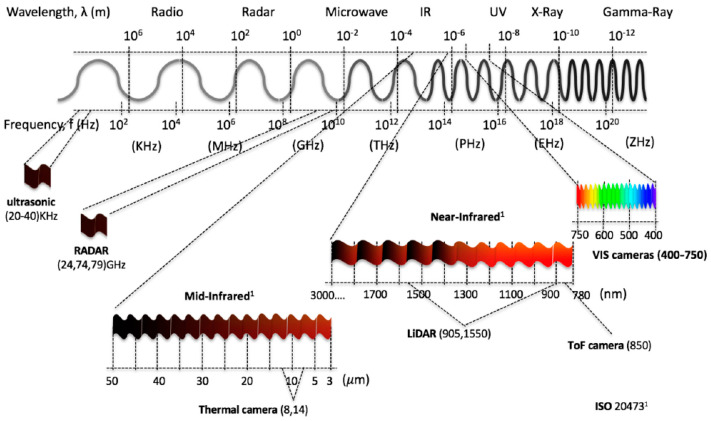
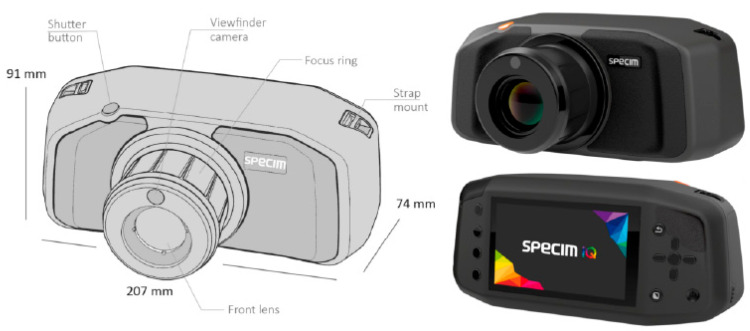
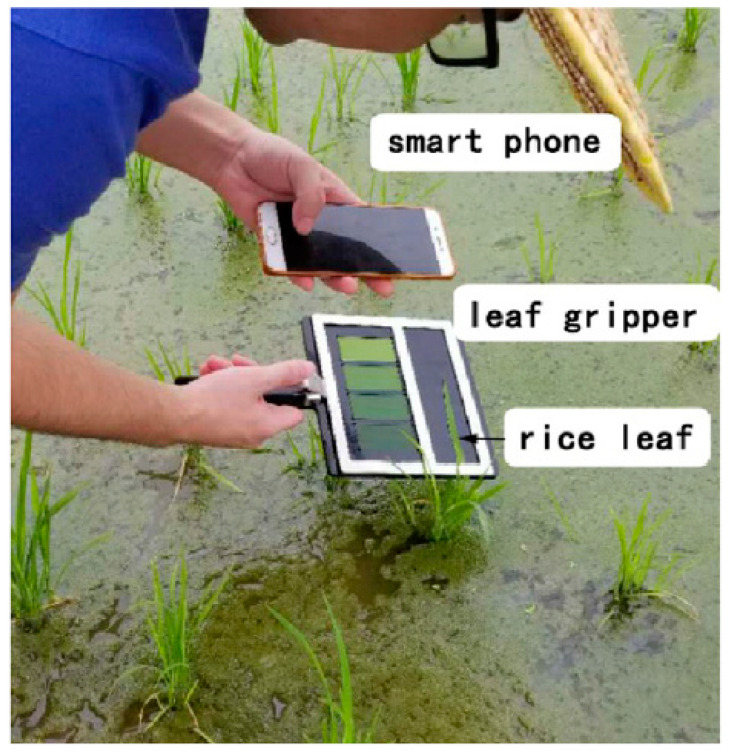
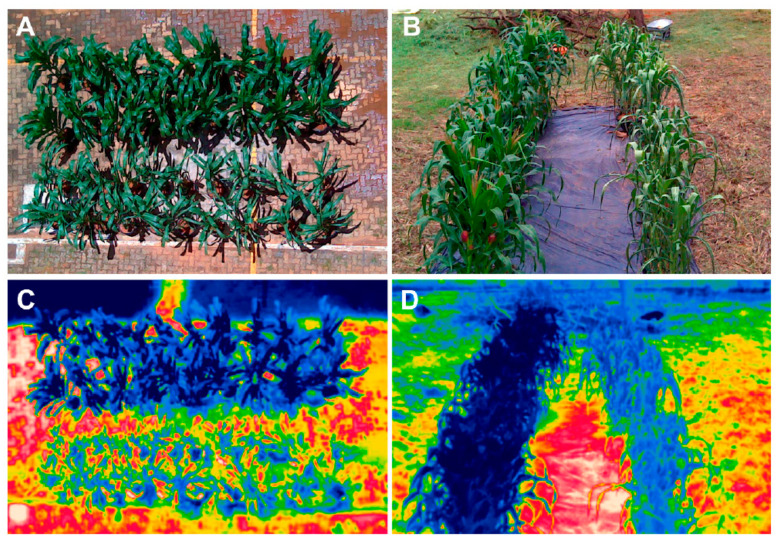
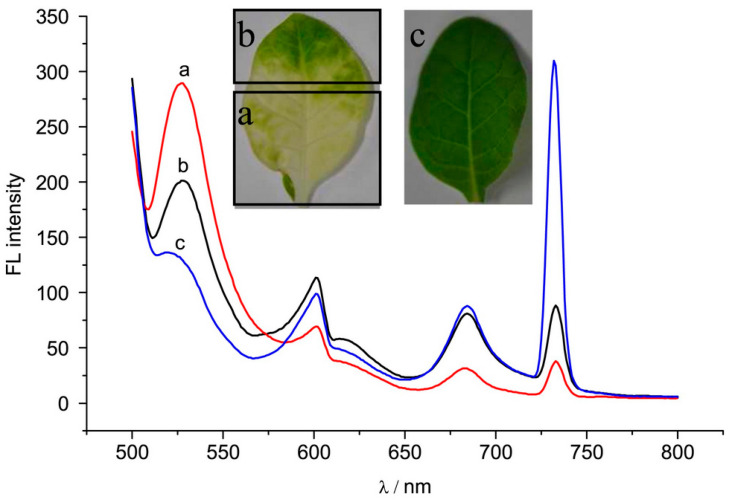
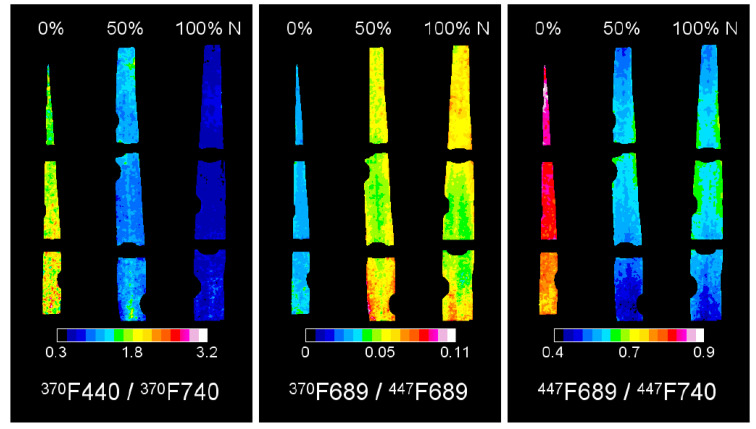
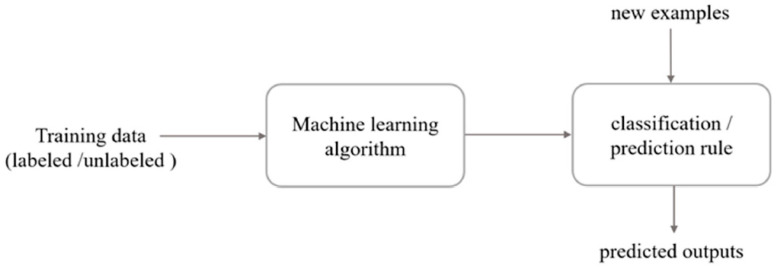
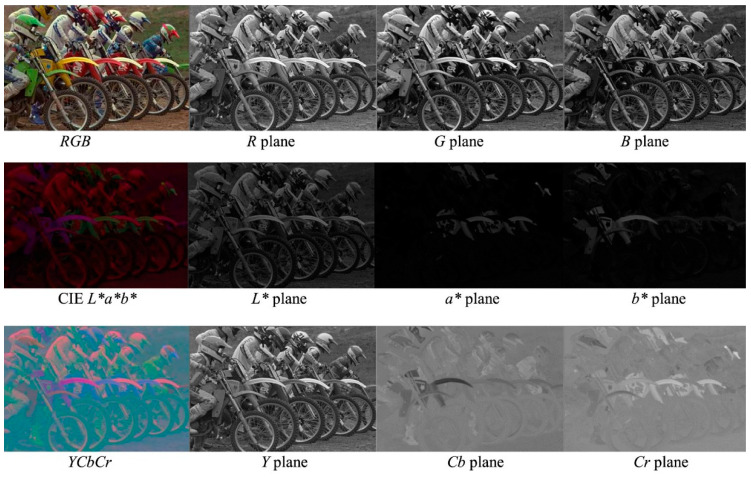
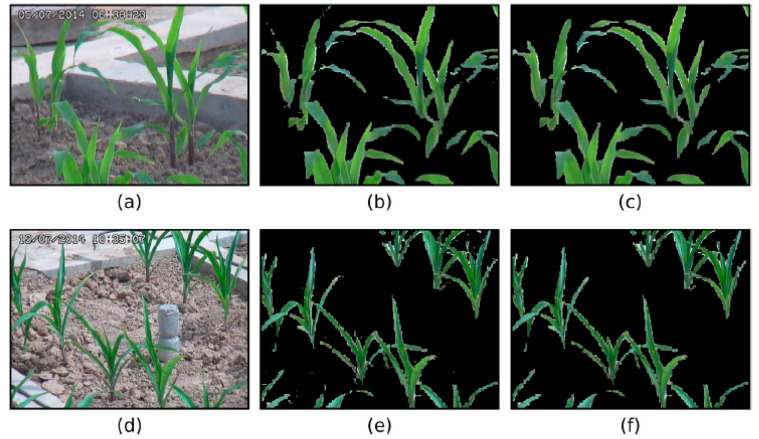
Plant stresses have been monitored using the imaging or spectrometry of plant leaves in the visible (red-green-blue or RGB), near-infrared (NIR), infrared (IR), and ultraviolet (UV) wavebands, often augmented by fluorescence imaging or fluorescence spectrometry. Imaging at multiple specific wavelengths (multi-spectral imaging) or across a wide range of wavelengths (hyperspectral imaging) can provide exceptional information on plant stress and subsequent diseases. Digital cameras, thermal cameras, and optical filters have become available at a low cost in recent years, while hyperspectral cameras have become increasingly more compact and portable. Furthermore, smartphone cameras have dramatically improved in quality, making them a viable option for rapid, on-site stress detection. Due to these developments in imaging technology, plant stresses can be monitored more easily using handheld and field-deployable methods. Recent advances in machine learning algorithms have allowed for images and spectra to be analyzed and classified in a fully automated and reproducible manner, without the need for complicated image or spectrum analysis methods. This review will highlight recent advances in portable (including smartphone-based) detection methods for biotic and abiotic stresses, discuss data processing and machine learning techniques that can produce results for stress identification and classification, and suggest future directions towards the successful translation of these methods into practical use.
利用可见(红-绿-蓝或 RGB)、近红外(NIR)、红外(IR)和紫外(UV)波段的植物叶片成像或光谱学,可以监测植物胁迫,通常通过荧光成像或荧光光谱学进行增强。在多个特定波长(多光谱成像)或宽波长范围内(高光谱成像)进行成像可以提供有关植物胁迫和随后疾病的特殊信息。近年来,低成本的数字相机、热像仪和滤光片已经普及,而高光谱相机变得越来越紧凑和便携。此外,智能手机摄像头的质量有了显著提高,使其成为快速现场胁迫检测的可行选择。由于成像技术的这些发展,使用手持式和现场可部署的方法可以更轻松地监测植物胁迫。机器学习算法的最新进展使得可以以全自动和可重复的方式分析和分类图像和光谱,而无需复杂的图像或光谱分析方法。本综述将重点介绍用于生物和非生物胁迫的便携式(包括基于智能手机的)检测方法的最新进展,讨论可用于胁迫识别和分类的数据分析和机器学习技术,并提出将这些方法成功转化为实际应用的未来方向。