Faculty of Pharmacy, Applied Science Private University, 11931 Amman, Jordan.
School of Pharmaceutical Sciences, Universiti Sains Malaysia, Penang 11800, Malaysia.
Molecules. 2020 Nov 28;25(23):5605. doi: 10.3390/molecules25235605.
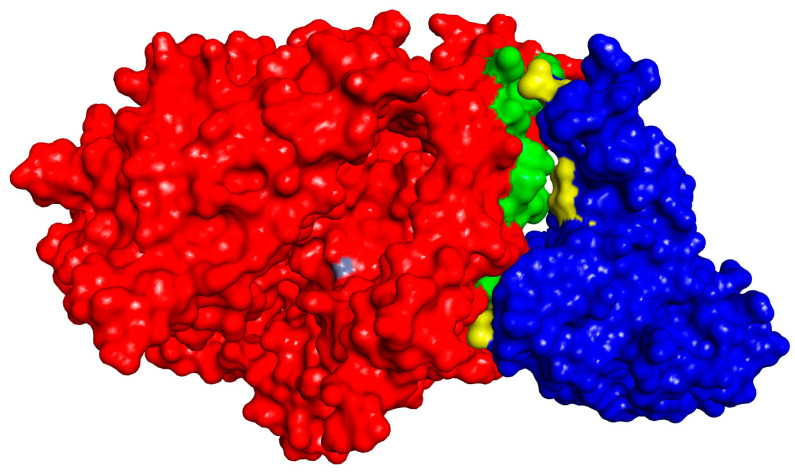
Angiotensin-converting enzyme 2 (ACE2) plays an important role in the entry of coronaviruses into host cells. The current paper described how carnosine, a naturally occurring supplement, can be an effective drug candidate for coronavirus disease (COVID-19) on the basis of molecular docking and modeling to host ACE2 cocrystallized with nCoV spike protein.
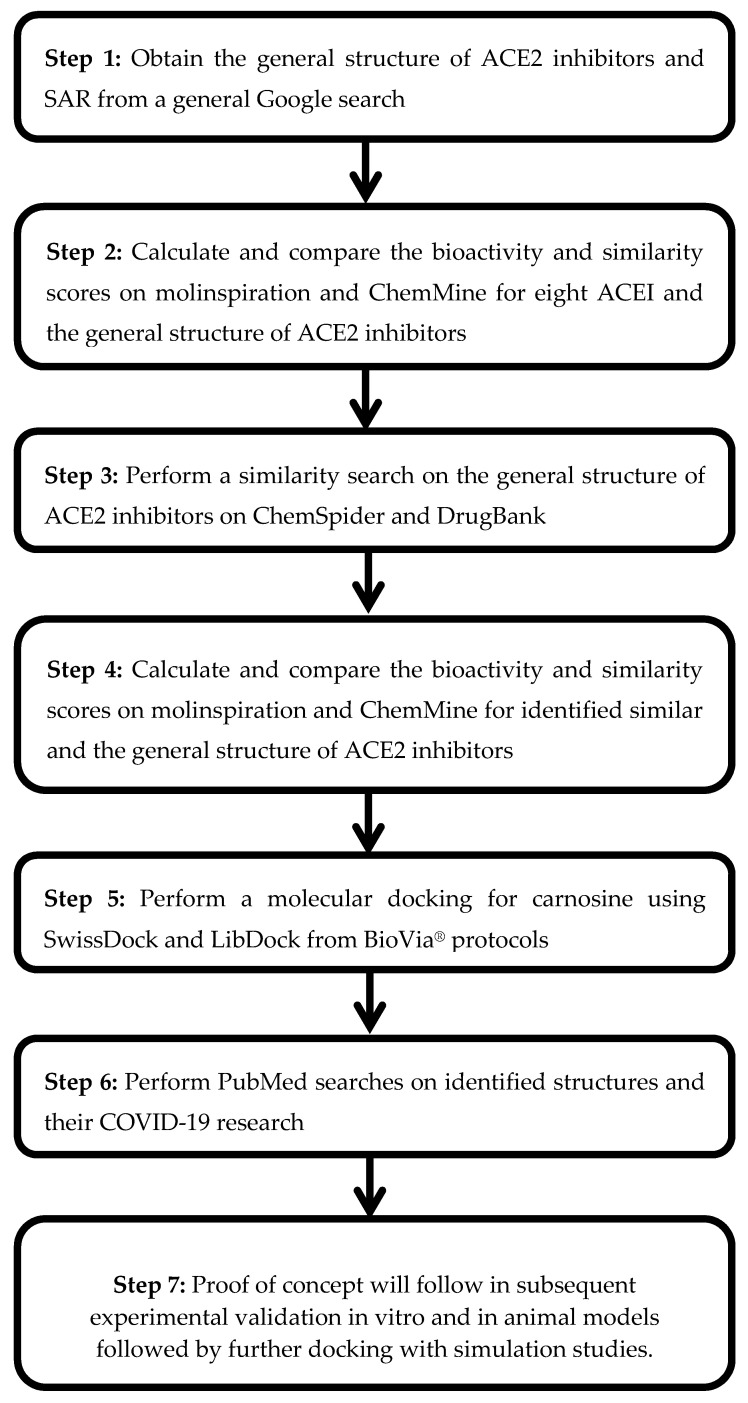
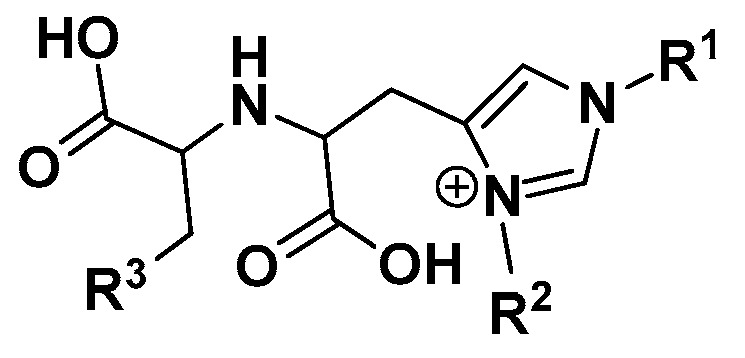
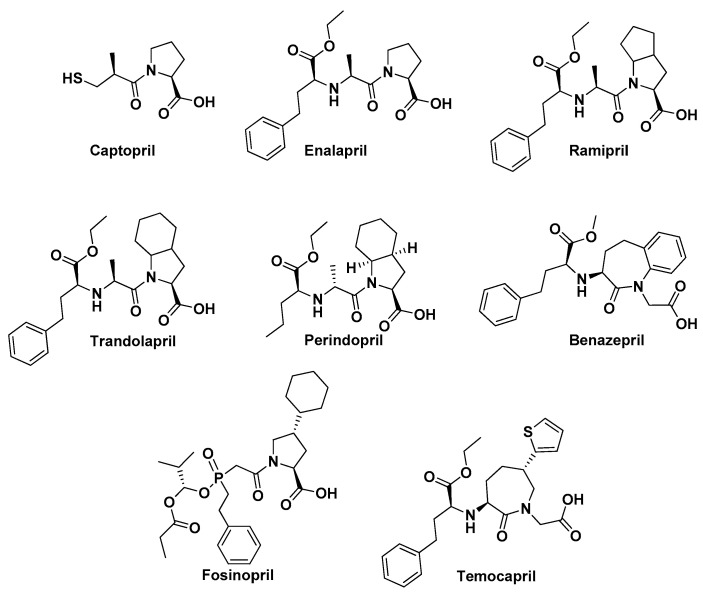
First, the starting point was ACE2 inhibitors and their structure-activity relationship (SAR). Next, chemical similarity (or diversity) and PubMed searches made it possible to repurpose and assess approved or experimental drugs for COVID-19. Parallel, at all stages, the authors performed bioactivity scoring to assess potential repurposed inhibitors at ACE2. Finally, investigators performed molecular docking and modeling of the identified drug candidate to host ACE2 with nCoV spike protein.
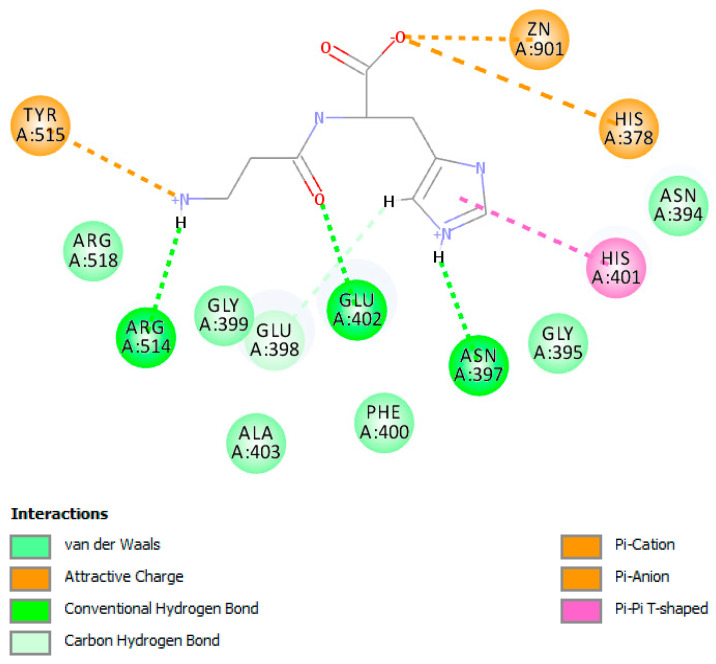
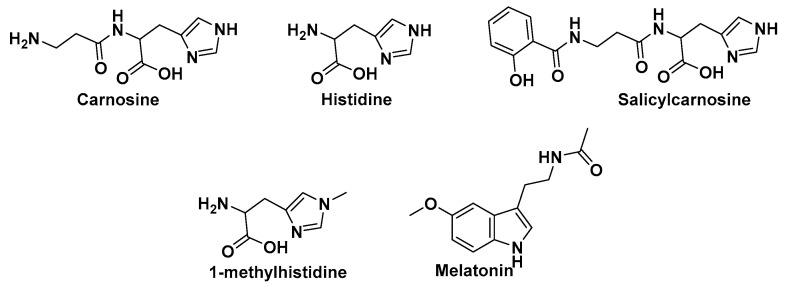
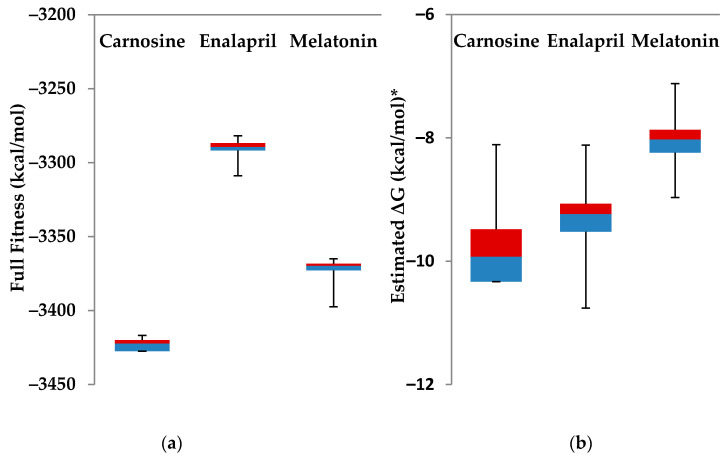
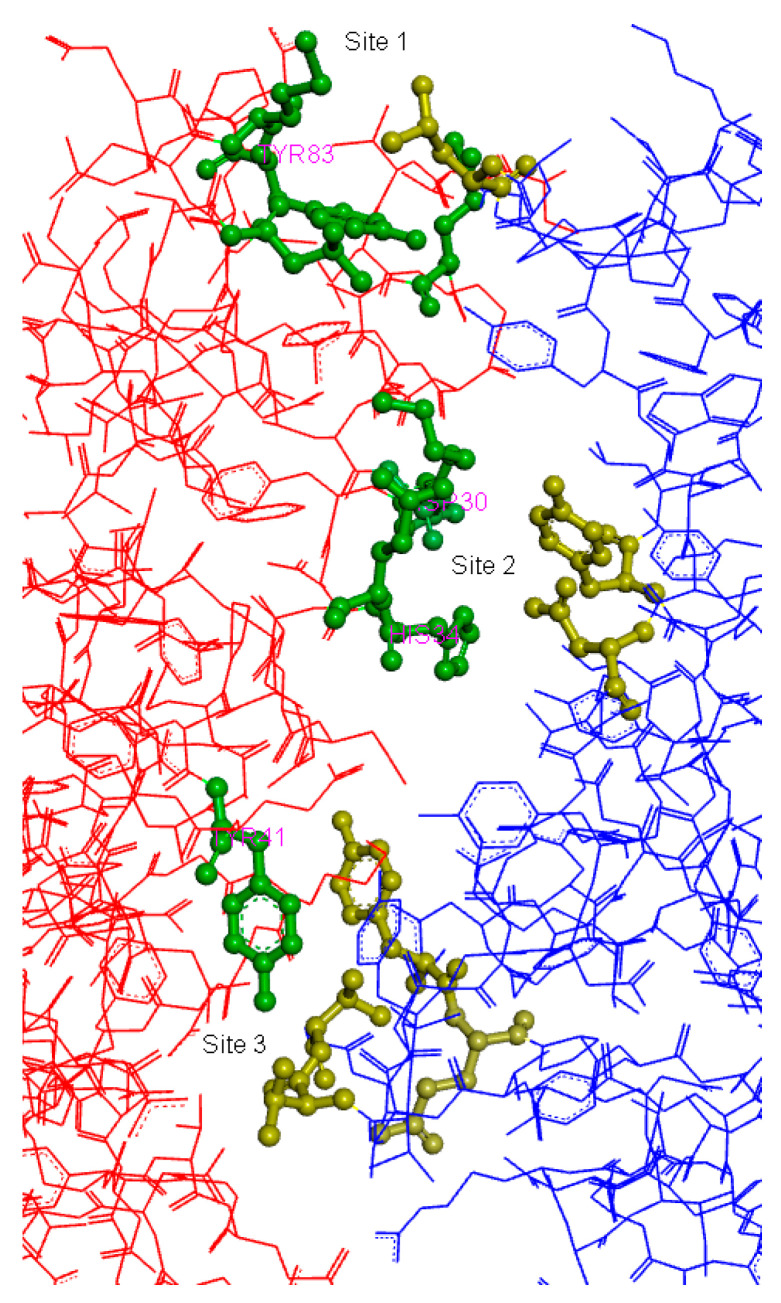
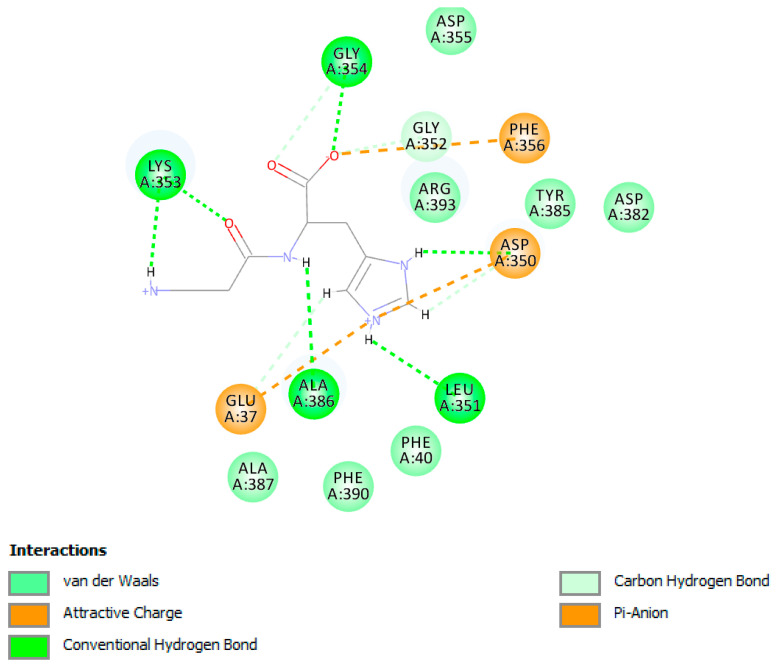
Carnosine emerged as the best-known drug candidate to match ACE2 inhibitor structure. Preliminary docking was more optimal to ACE2 than the known typical angiotensin-converting enzyme 1 (ACE1) inhibitor (enalapril) and quite comparable to known or presumed ACE2 inhibitors. Viral spike protein elements binding to ACE2 were retained in the best carnosine pose in SwissDock at 1.75 Angstroms. Out of the three main areas of attachment expected to the protein-protein structure, carnosine bound with higher affinity to two compared to the known ACE2 active site. LibDock score was 92.40 for site 3, 90.88 for site 1, and inside the active site 85.49.
Carnosine has promising inhibitory interactions with host ACE2 and nCoV spike protein and hence could offer a potential mitigating effect against the current COVID-19 pandemic.
血管紧张素转换酶 2(ACE2)在冠状病毒进入宿主细胞中发挥重要作用。本文基于与 nCoV 刺突蛋白共结晶的宿主 ACE2 的分子对接和建模,描述了天然存在的补充剂肌肽如何成为冠状病毒病(COVID-19)的有效候选药物。
首先,以 ACE2 抑制剂及其结构-活性关系(SAR)为起点。接下来,通过化学相似性(或多样性)和 PubMed 搜索,使我们能够重新利用和评估针对 COVID-19 的已批准或实验性药物。同时,在所有阶段,作者都对潜在的再利用 ACE2 抑制剂进行了生物活性评分。最后,研究人员对鉴定出的候选药物进行了分子对接和建模,以与宿主 ACE2 与 nCoV 刺突蛋白结合。
肌肽是与 ACE2 抑制剂结构匹配的最佳候选药物。初步对接比已知的典型血管紧张素转换酶 1(ACE1)抑制剂(依那普利)更适合 ACE2,与已知或假定的 ACE2 抑制剂相当。在 SwissDock 中,与 ACE2 结合的病毒刺突蛋白元素以 1.75 埃的距离保留在最佳肌肽构象中。在预期与蛋白质-蛋白质结构结合的三个主要附着区域中,肌肽与两个区域的结合亲和力高于已知的 ACE2 活性位点。LibDock 评分分别为 3 号位点 92.40、1 号位点 90.88 和活性位点内部 85.49。
肌肽与宿主 ACE2 和 nCoV 刺突蛋白具有有前景的抑制相互作用,因此可能对当前的 COVID-19 大流行提供潜在的缓解作用。