Department of Environmental and Applied Microbiology, Agro-Environmental Research Institute, National Agricultural Research and Innovation Centre, 1022 Budapest, Hungary.
Department of Environmental Analysis, Agro-Environmental Research Institute, National Agricultural Research and Innovation Centre, 1022 Budapest, Hungary.
Toxins (Basel). 2020 Nov 30;12(12):756. doi: 10.3390/toxins12120756.
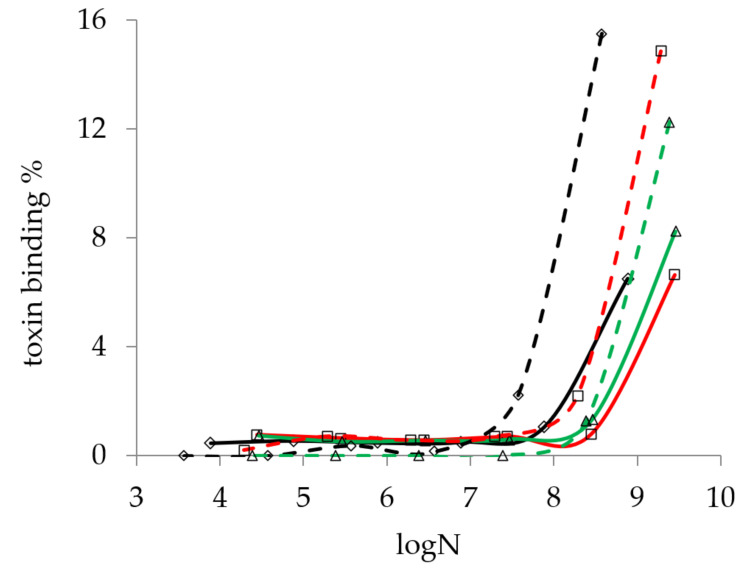
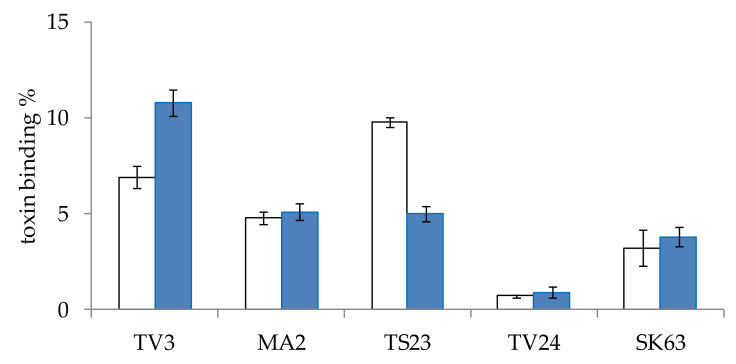
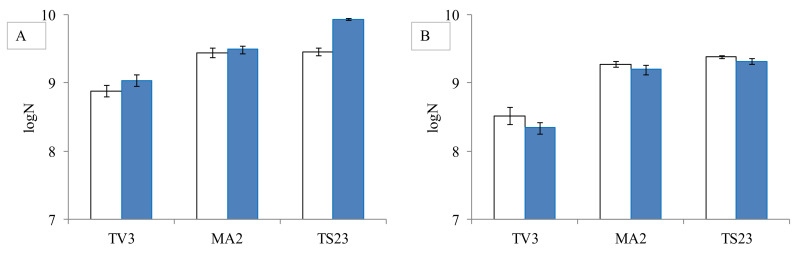
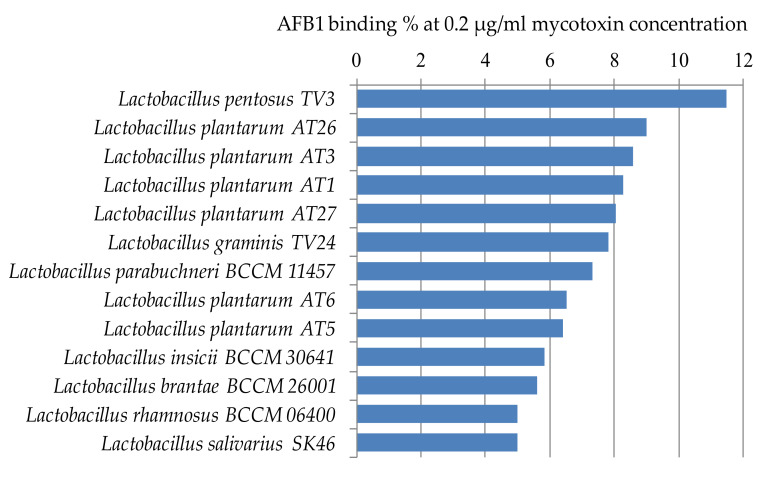
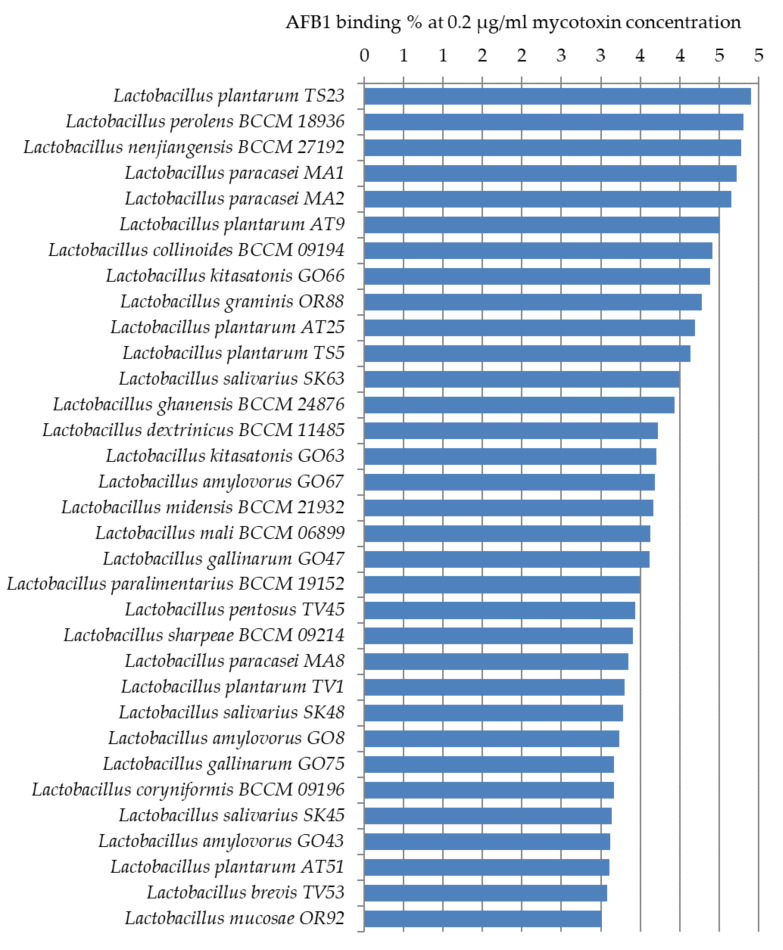
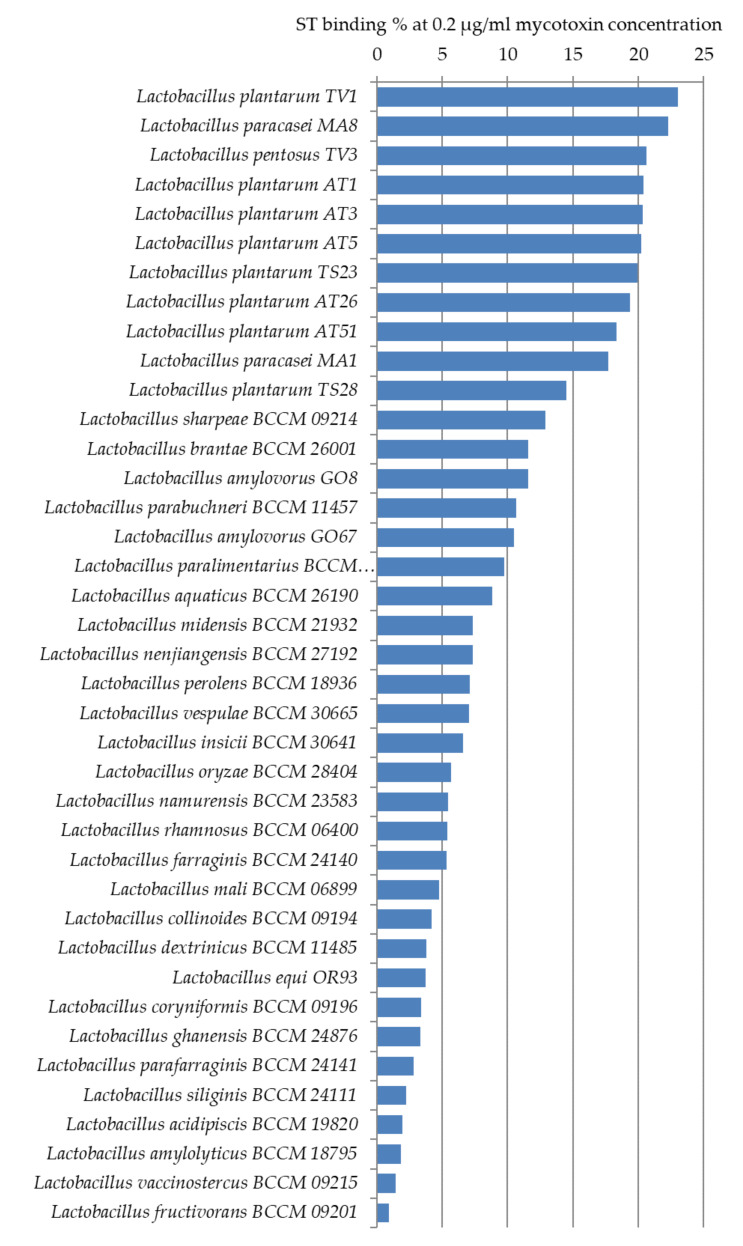
Due to global climate change, mould strains causing problems with their mycotoxin production in the tropical-subtropical climate zone have also appeared in countries belonging to the temperate zone. Biodetoxification of crops and raw materials for food and feed industries including the aflatoxin B1 (AFB1) binding abilities of lactobacilli is of growing interest. Despite the massive quantities of papers dealing with AFB1-binding of lactobacilli, there are no data for microbial binding of the structurally similar mycotoxin sterigmatocystin (ST). In addition, previous works focused on the detection of AFB1 in extracts, while in this case, analytical determination was necessary for the microbial biomass as well. To test binding capacities, a rapid instrumental analytical method using high-performance liquid chromatography was developed and applied for measurement of AFB1 and ST in the biomass of the cultured bacteria and its supernatant, containing the mycotoxin fraction bound by the bacteria and the fraction that remained unbound, respectively. For our AFB1 and ST adsorption studies, 80 strains of the genus were selected. Broths containing 0.2 µg/mL AFB1and ST were inoculated with the test strains. Before screening the strains for binding capacities, optimisation of the experiment parameters was carried out. Mycotoxin binding was detectable from a germ count of 10 cells/mL. By studying the incubation time of the cells with the mycotoxins needed for mycotoxin-binding, co-incubation for 10 min was found sufficient. The presence of mycotoxins did not affect the growth of bacterial strains. Three strains of had the best AFB1 adsorption capacities, binding nearly 10% of the mycotoxin present, and in the case of ST, the degree of binding was over 20%.
由于全球气候变化,在热带-亚热带气候带引起问题的霉菌菌株也出现在温带国家。包括对黄曲霉毒素 B1(AFB1)的结合能力在内的作物和食品及饲料工业原材料的生物解毒作用越来越受到关注。尽管有大量关于乳酸菌结合 AFB1 的论文,但对于结构类似的真菌毒素桔青霉素(ST)的微生物结合尚无数据。此外,以前的工作主要集中在提取物中 AFB1 的检测上,而在这种情况下,需要对微生物生物量进行分析测定。为了测试结合能力,开发并应用了一种使用高效液相色谱的快速仪器分析方法,用于测量培养细菌及其上清液中的 AFB1 和 ST,分别含有被细菌结合的真菌毒素部分和未结合的部分。为了进行 AFB1 和 ST 吸附研究,选择了 80 株属的菌株。在含有 0.2 µg/mL AFB1 和 ST 的肉汤中接种测试菌株。在筛选具有结合能力的菌株之前,对实验参数进行了优化。从 10 个细胞/mL 的细菌计数即可检测到真菌毒素的结合。通过研究细胞与需要结合的真菌毒素的孵育时间,发现共孵育 10 分钟就足够了。真菌毒素的存在不会影响细菌菌株的生长。有 3 株具有最佳的 AFB1 吸附能力,结合了近 10%存在的真菌毒素,而对于 ST,结合程度超过 20%。