Zhang Chi, Ma Jinfei, Zhao Jian, Liu Pengbo, Cong Fengyu, Liu Tianjiao, Li Ying, Sun Lina, Chang Ruosong
School of Biomedical Engineering, Faculty of Electronic Information and Electrical Engineering, Dalian University of Technology, Dalian 116024, China.
School of Psychology, Liaoning Normal University, Dalian 116029, China.
Entropy (Basel). 2020 Jul 18;22(7):787. doi: 10.3390/e22070787.
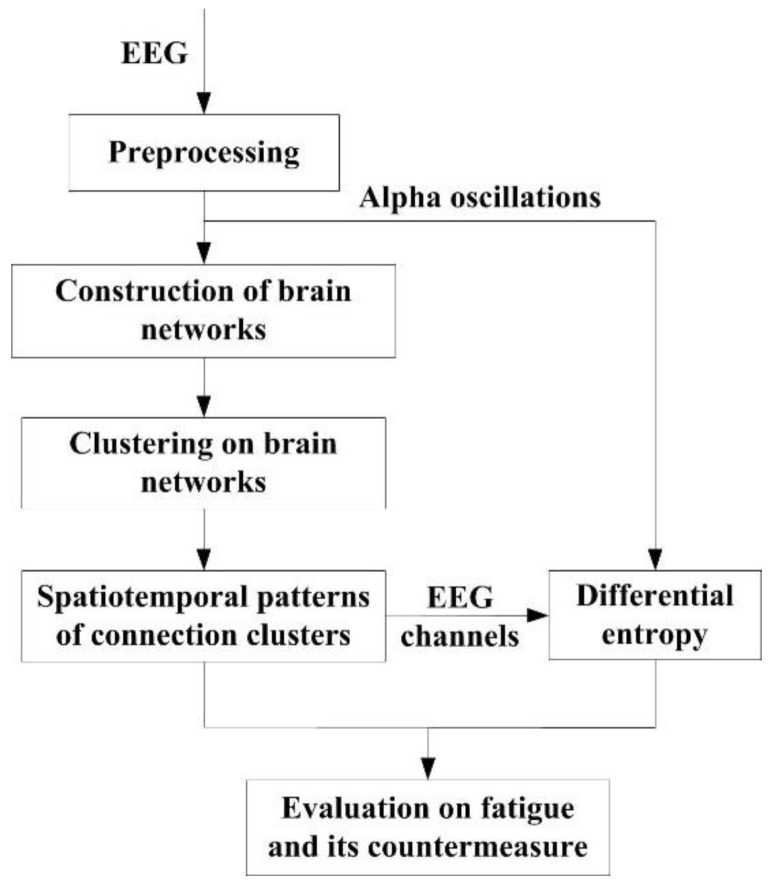
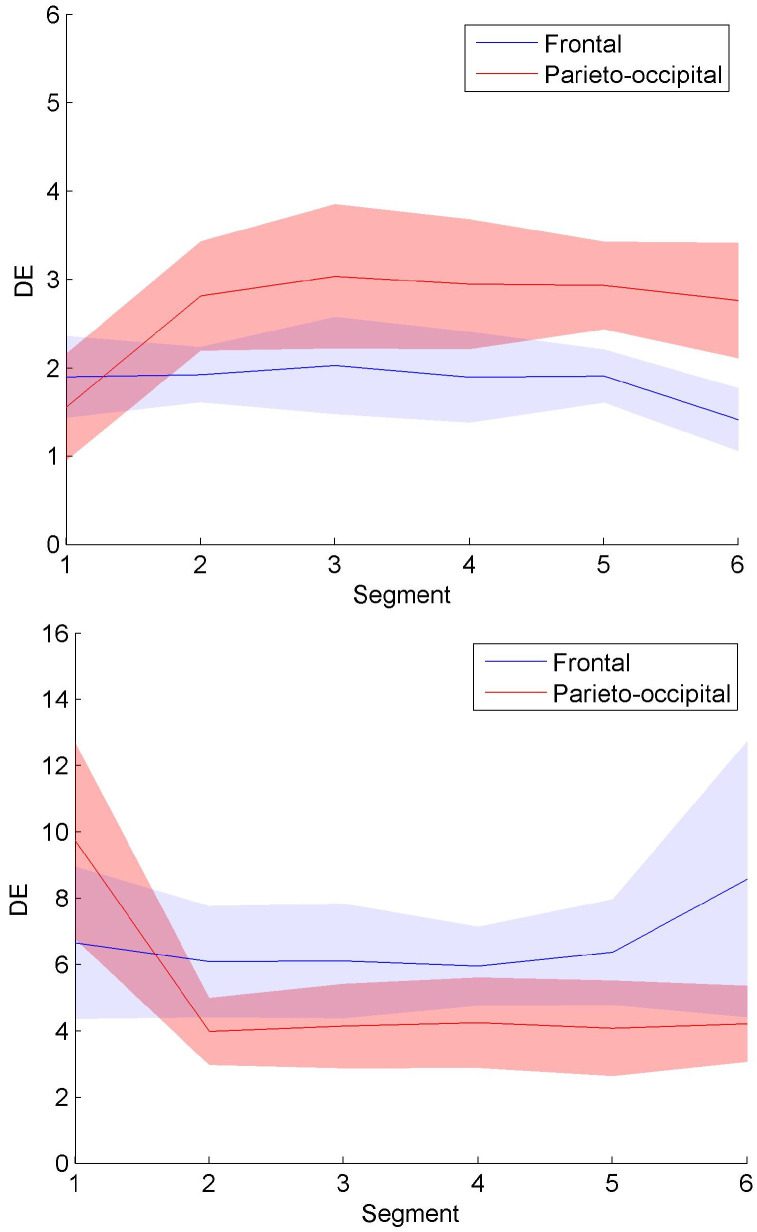
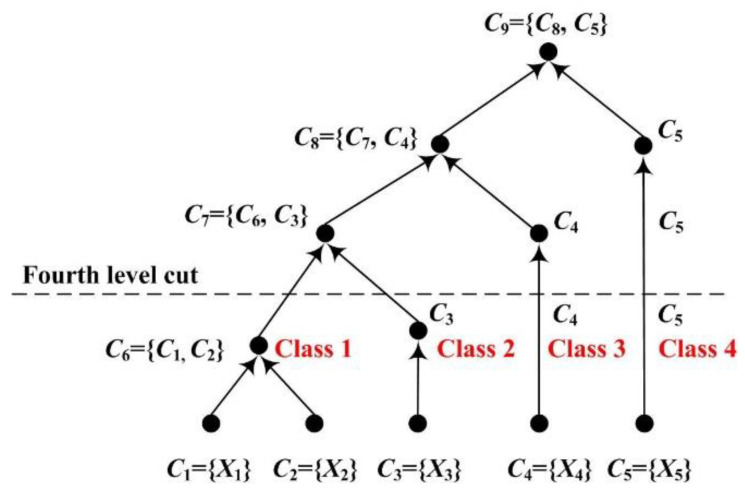
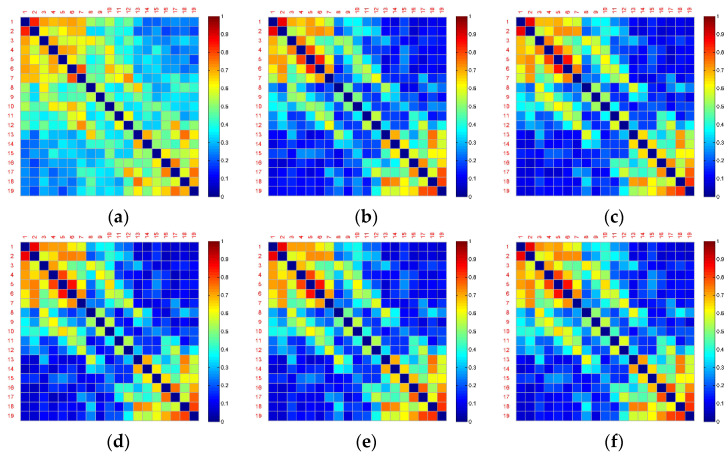
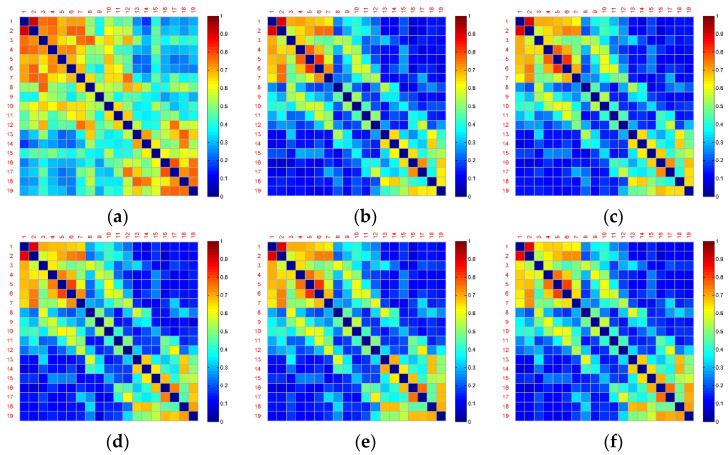
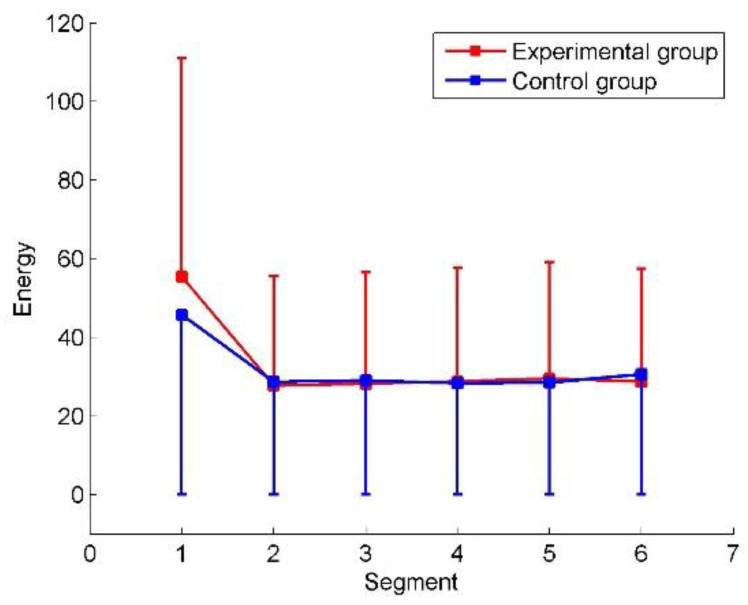
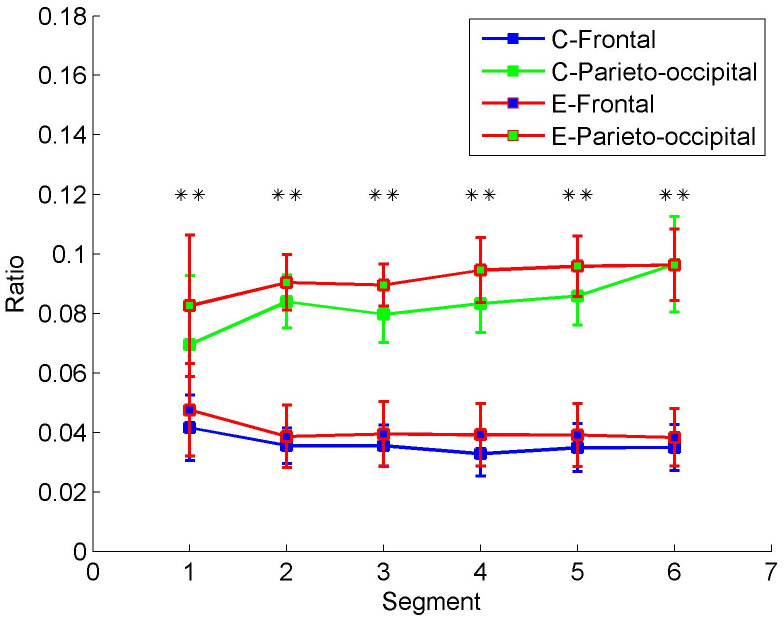
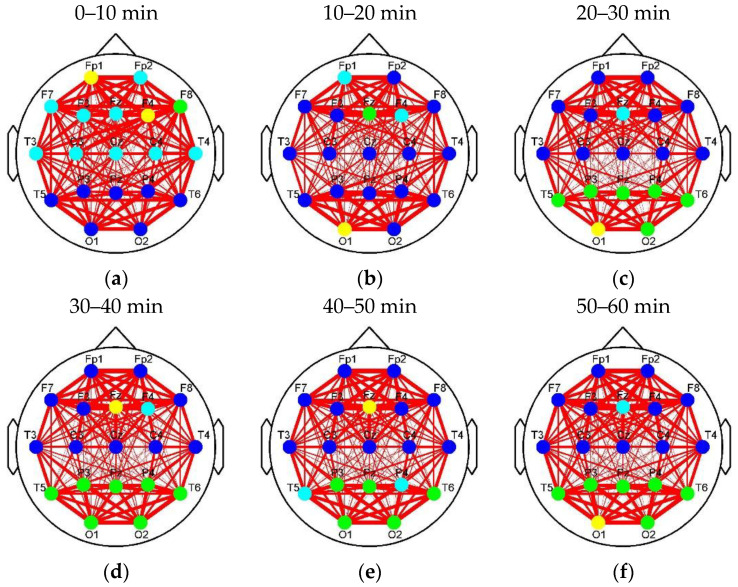
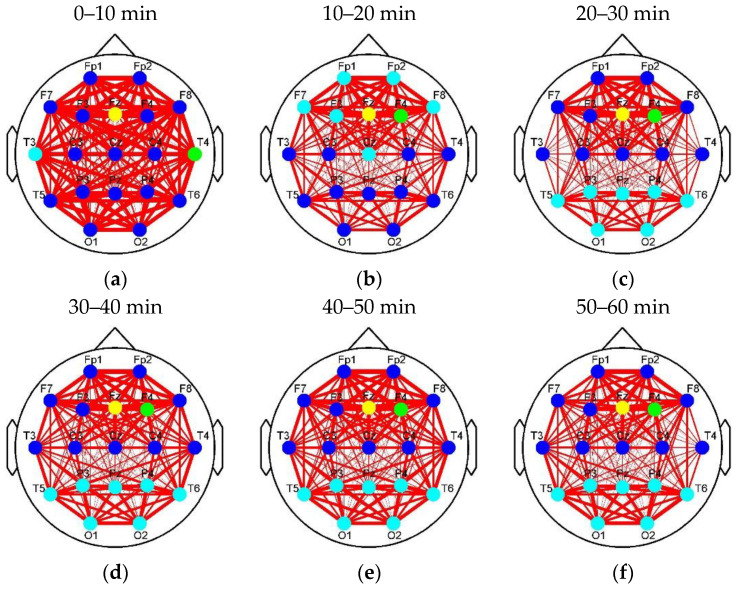
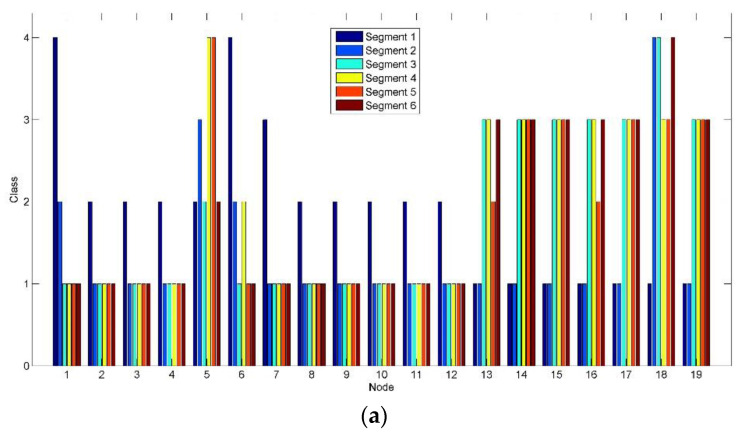
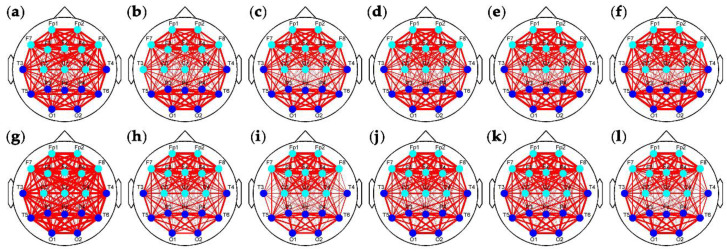
The countermeasure of driver fatigue is valuable for reducing the risk of accidents caused by vigilance failure during prolonged driving. Listening to the radio (RADIO) has been proven to be a relatively effective "in-car" countermeasure. However, the connectivity analysis, which can be used to investigate its alerting effect, is subject to the issue of signal mixing. In this study, we propose a novel framework based on clustering and entropy to improve the performance of the connectivity analysis to reveal the effect of RADIO to maintain driver alertness. Regardless of reducing signal mixing, we introduce clustering algorithm to classify the functional connections with their nodes into different categories to mine the effective information of the alerting effect. Differential entropy (DE) is employed to measure the information content in different brain regions after clustering. Compared with the Louvain-based community detection method, the proposed method shows more superior ability to present RADIO effectin confused functional connection matrices. Our experimental results reveal that the active connection clusters distinguished by the proposed method gradually move from frontal region to parieto-occipital regionwith the progress of fatigue, consistent with the alpha energy changes in these two brain areas. The active class of the clusters in parieto-occipital region significantly decreases and the most active clusters remain in the frontal region when RADIO is taken. The estimation results of DE confirm the significant change ( < 0.05) of information content due to the cluster movements. Hence, preventing the movement of the active clusters from frontal region to parieto-occipital region may correlate with maintaining driver alertness. The revelation of alerting effect is helpful for the targeted upgrade of fatigue countermeasures.
驾驶员疲劳应对措施对于降低长时间驾驶期间因警惕性下降而导致事故的风险具有重要价值。收听广播(RADIO)已被证明是一种相对有效的“车内”应对措施。然而,可用于研究其警觉效果的连通性分析存在信号混合问题。在本研究中,我们提出了一种基于聚类和熵的新颖框架,以提高连通性分析的性能,从而揭示广播对保持驾驶员警觉性的影响。除了减少信号混合,我们引入聚类算法将功能连接及其节点分类到不同类别中,以挖掘警觉效果的有效信息。采用微分熵(DE)来测量聚类后不同脑区的信息含量。与基于Louvain的社区检测方法相比,所提出的方法在混乱的功能连接矩阵中表现出更优越的呈现广播效果的能力。我们的实验结果表明,所提出的方法区分出的活跃连接簇随着疲劳的进展逐渐从额叶区域转移到顶枕叶区域,这与这两个脑区的阿尔法能量变化一致。当收听广播时,顶枕叶区域的簇的活跃类别显著减少,最活跃的簇仍留在额叶区域。DE的估计结果证实了由于簇的移动导致信息含量的显著变化(<0.05)。因此,防止活跃簇从额叶区域向顶枕叶区域移动可能与保持驾驶员警觉性相关。警觉效果的揭示有助于针对性地升级疲劳应对措施。