Tóth Viktor, Meytlis Marsha, Barnaby Douglas P, Bock Kevin R, Oppenheim Michael I, Al-Abed Yousef, McGinn Thomas, Davidson Karina W, Becker Lance B, Hirsch Jamie S, Zanos Theodoros P
Institute of Bioelectronic Medicine, Feinstein Institutes for Medical Research, Northwell Health, Manhasset, NY, USA.
Department of Information Services, Northwell Health, New Hyde Park, NY, USA.
NPJ Digit Med. 2020 Nov 13;3(1):149. doi: 10.1038/s41746-020-00355-7.
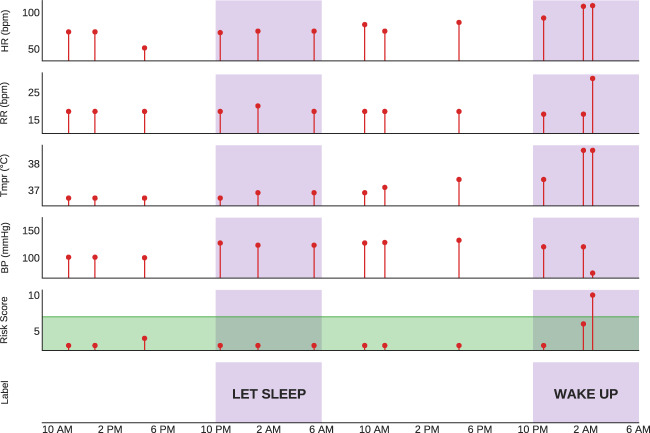
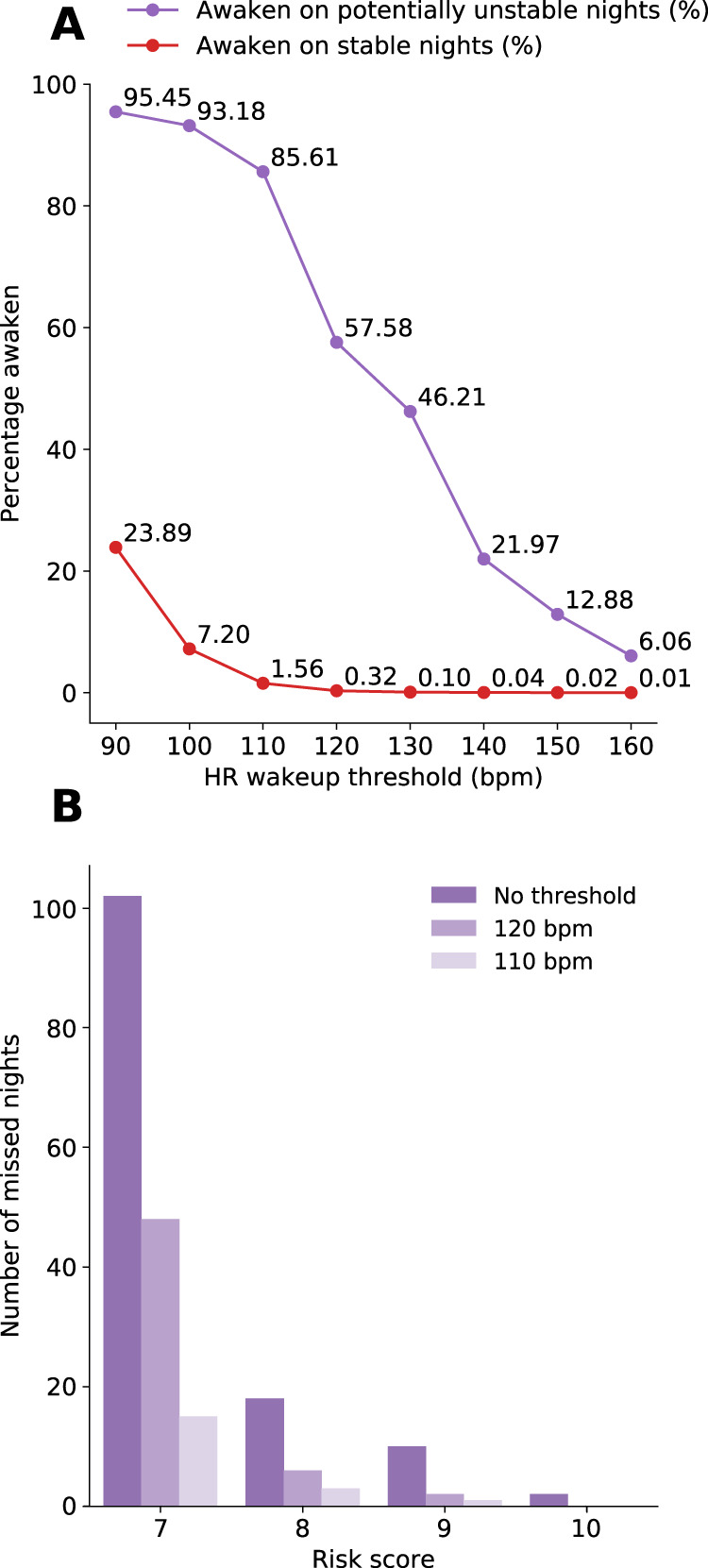
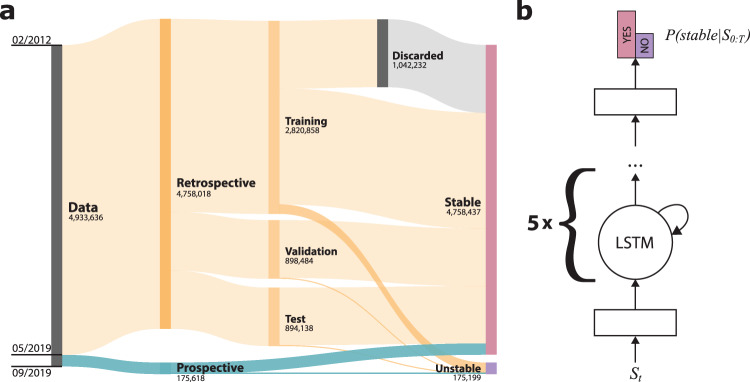
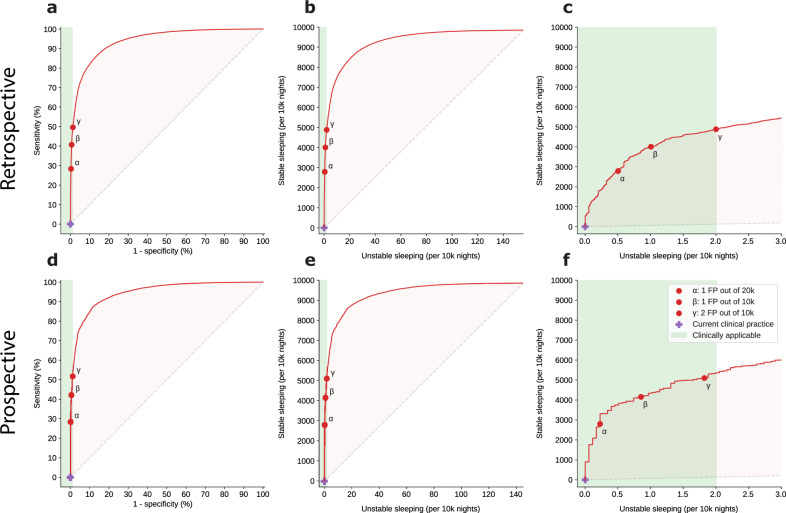
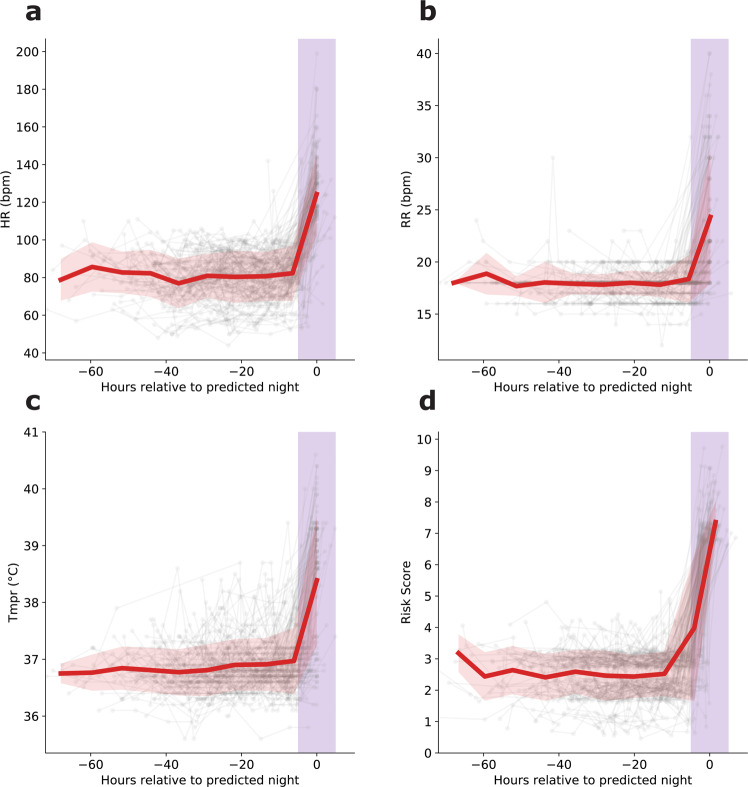
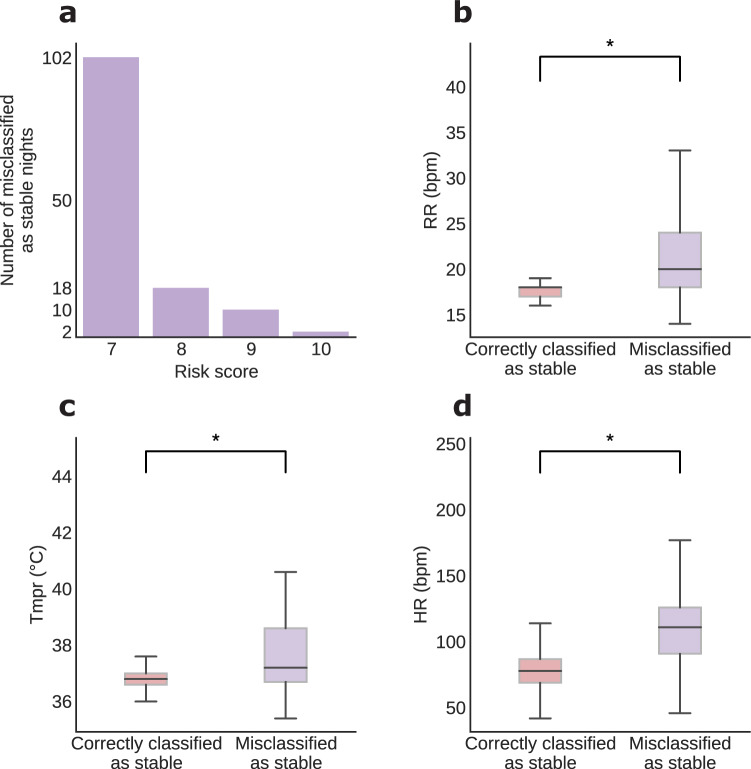
Impaired sleep for hospital patients is an all too common reality. Sleep disruptions due to unnecessary overnight vital sign monitoring are associated with delirium, cognitive impairment, weakened immunity, hypertension, increased stress, and mortality. It is also one of the most common complaints of hospital patients while imposing additional burdens on healthcare providers. Previous efforts to forgo overnight vital sign measurements and improve patient sleep used providers' subjective stability assessment or utilized an expanded, thus harder to retrieve, set of vitals and laboratory results to predict overnight clinical risk. Here, we present a model that incorporates past values of a small set of vital signs and predicts overnight stability for any given patient-night. Using data obtained from a multi-hospital health system between 2012 and 2019, a recurrent deep neural network was trained and evaluated using ~2.3 million admissions and 26 million vital sign assessments. The algorithm is agnostic to patient location, condition, and demographics, and relies only on sequences of five vital sign measurements, a calculated Modified Early Warning Score, and patient age. We achieved an area under the receiver operating characteristic curve of 0.966 (95% confidence interval [CI] 0.956-0.967) on the retrospective testing set, and 0.971 (95% CI 0.965-0.974) on the prospective set to predict overnight patient stability. The model enables safe avoidance of overnight monitoring for ~50% of patient-nights, while only misclassifying 2 out of 10,000 patient-nights as stable. Our approach is straightforward to deploy, only requires regularly obtained vital signs, and delivers easily actionable clinical predictions for a peaceful sleep in hospitals.
医院患者睡眠障碍是一个非常普遍的现实。因不必要的夜间生命体征监测导致的睡眠中断与谵妄、认知障碍、免疫力减弱、高血压、压力增加和死亡率相关。这也是医院患者最常见的抱怨之一,同时还给医护人员带来了额外负担。以往放弃夜间生命体征测量并改善患者睡眠的努力,要么使用医护人员的主观稳定性评估,要么利用一组更广泛(因而更难获取)的生命体征和实验室结果来预测夜间临床风险。在此,我们提出一种模型,该模型纳入一小部分生命体征的既往值,并预测任何给定患者夜间的稳定性。利用2012年至2019年从一个多医院医疗系统获得的数据,使用约230万例入院病例和2600万次生命体征评估对一个递归深度神经网络进行了训练和评估。该算法与患者的位置、病情和人口统计学无关,仅依赖于五次生命体征测量序列、一个计算得出的改良早期预警评分以及患者年龄。在回顾性测试集上,我们实现的受试者操作特征曲线下面积为0.966(95%置信区间[CI]0.956 - 0.967),在前瞻性测试集上为0.971(95%CI 0.965 - 0.974),用于预测患者夜间稳定性。该模型能够安全地避免约50%的患者夜间监测,而每10000个患者夜间中只有2个被误分类为稳定。我们的方法易于部署,只需要定期获取生命体征,并为医院中患者的安稳睡眠提供易于采取行动的临床预测。