West China School of Nursing, Sichuan University/Department of Orthopedics, West China Hospital, Sichuan University, Chengdu, 610041, People's Republic of China.
Department of Orthopedics, Orthopedic Research Institute, West China Hospital, Sichuan University, Chengdu, 610041, People's Republic of China.
J Orthop Surg Res. 2020 Dec 10;15(1):596. doi: 10.1186/s13018-020-02122-6.
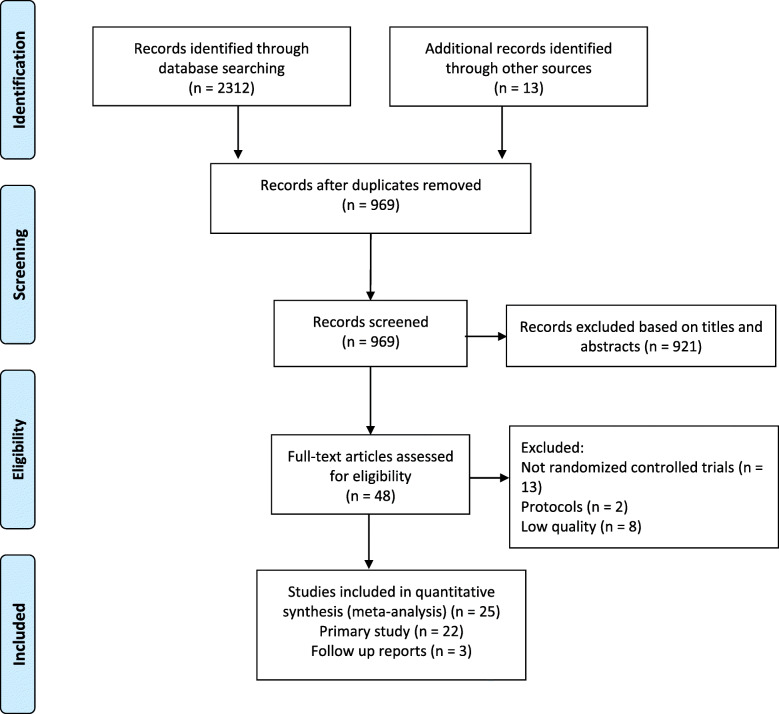
We performed an updated systematic review and meta-analysis which enrolled 25 prospective randomized controlled trials (RCTs) to compare the outcomes between total hip arthroplasty (THA) and hemiarthroplasty (HA) in patients with femoral neck fractures (FNFs).
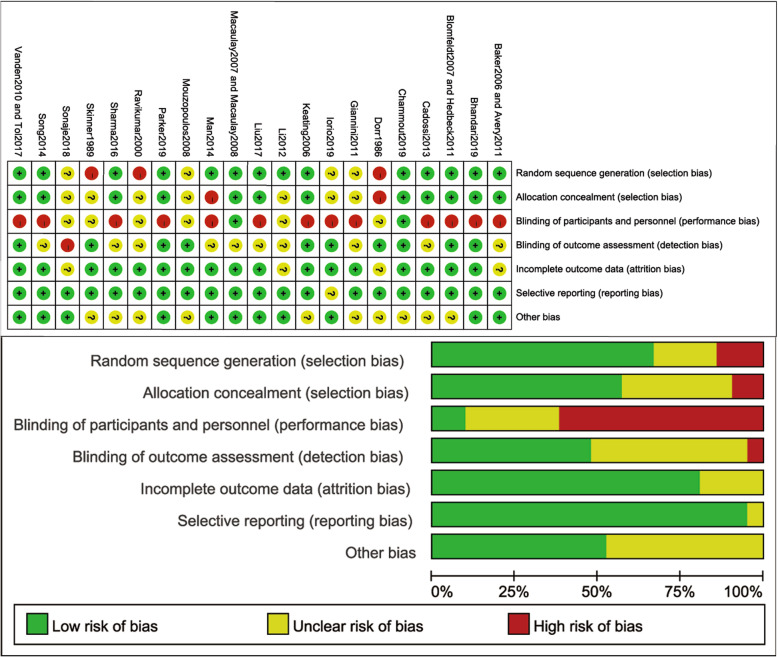
We searched English databases which included PubMed, Embase (vis OvidSP), The Cochrane Library, and Web of Science, and Chinese databases Chinese National Knowledge Infrastructure (CNKI), VIP, Wang Fang, and China Biology Medicine Disc (CBM) in July 2020. The quality of each study was assessed according to the Cochrane Collaboration's Risk of Bias. Risk ratios (RRs) and weighted mean differences (WMDs) with 95% confidence intervals (95% CIs) were pooled with random-effects models. Data regarding baseline characteristics, hospital and surgery outcomes, clinical outcomes, patients' quality of life, common complications, prothesis-related complications, mortality, and costs were reported.
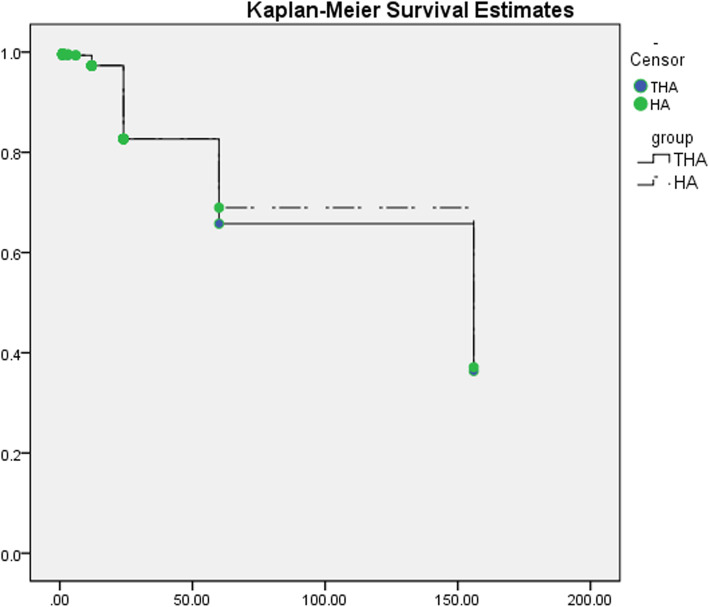
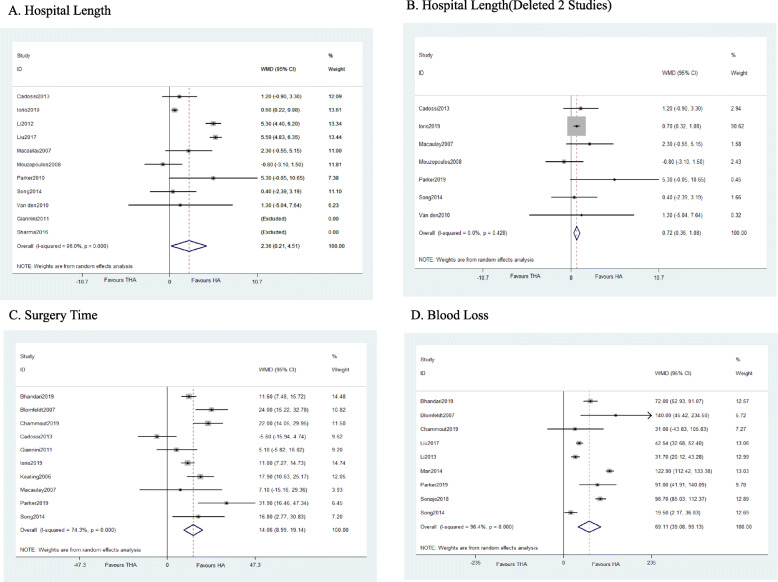
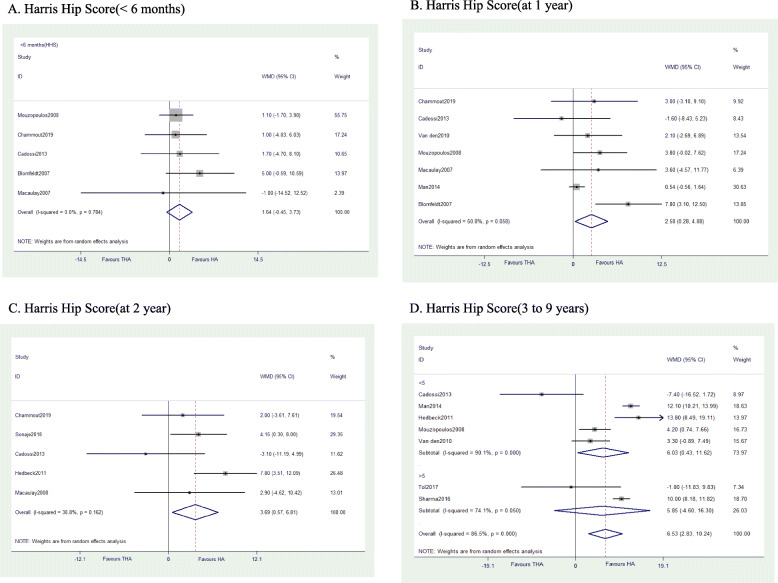
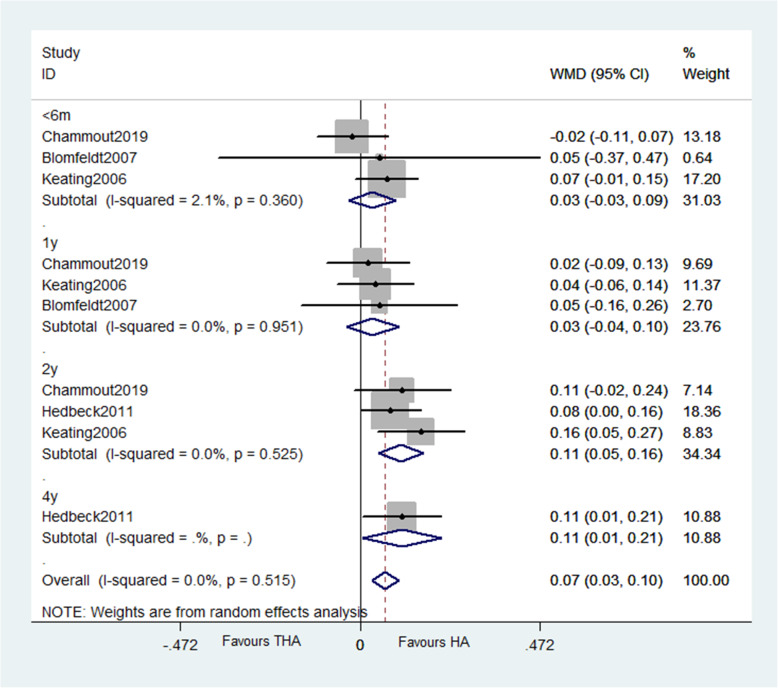
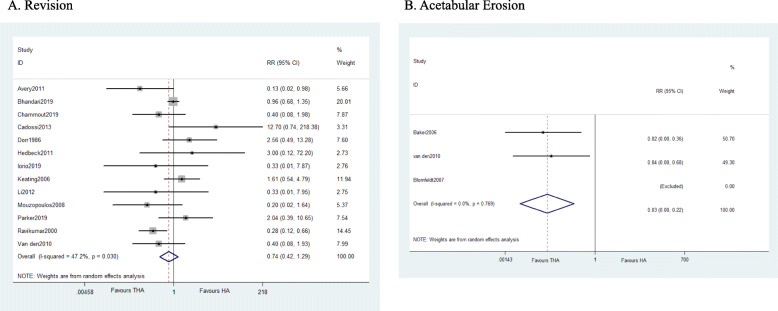
A total of 25 RCTs involving 3223 patients (1568 THA and 1655 HA) were included. THA had longer hospital length (WMD = 0.721, P < 0.0001) and surgery time (WMD = 20.044, P < 0.0001), and more blood loss compared with HA (WMD = 69.109, P < 0.0001). THA showed better ratings in the Harris Hip Score during follow-up periods between 1 and 5 years while no differences within 6 months and after 9 years. THA was associated with higher quality-of-life EuroQol-5 Dimension (EQ-5D) scores after 2 years of surgery but no difference within 1 year. There was no difference in common complications. THA had significant higher rate of dislocation (WMD = 1.897, P = 0.002) and lower acetabular erosion (WMD = 0.030, P = 0.001). For mortality, there was no difference during all the follow-up periods except for slightly higher 2-year mortality after surgery.
This meta-analysis demonstrates that THA has better medium-term functional results and quality of life and lower acetabular erosion rate, while HA shows better in reducing hospital stay, surgery time, and blood loss and also has lower dislocation rate.
我们进行了一项更新的系统评价和荟萃分析,共纳入 25 项前瞻性随机对照试验(RCT),比较了股骨颈骨折(FNF)患者全髋关节置换术(THA)和半髋关节置换术(HA)的疗效。
我们检索了 2020 年 7 月发表在英文数据库(PubMed、Embase [通过 OvidSP]、The Cochrane Library 和 Web of Science)和中文数据库(中国知网(CNKI)、维普、万方、中国生物医学文献数据库(CBM))中的文献。根据 Cochrane 协作组的偏倚风险评估标准对每个研究的质量进行评估。采用随机效应模型汇总风险比(RR)和加权均数差(WMD)及其 95%置信区间(95%CI)。报告了基线特征、医院和手术结果、临床结果、患者生活质量、常见并发症、假体相关并发症、死亡率和成本的数据。
共纳入 25 项 RCT,涉及 3223 名患者(1568 例 THA 和 1655 例 HA)。THA 的住院时间(WMD=0.721,P<0.0001)和手术时间(WMD=20.044,P<0.0001)更长,失血量更多(WMD=69.109,P<0.0001)。THA 在 1 至 5 年的随访期间在 Harris 髋关节评分方面表现更好,而在 6 个月内和 9 年后无差异。THA 在手术后 2 年的 EuroQol-5 维度(EQ-5D)评分更高,但在 1 年内无差异。常见并发症无差异。THA 有更高的脱位率(WMD=1.897,P=0.002)和更低的髋臼侵蚀率(WMD=0.030,P=0.001)。在所有随访期间,死亡率无差异,但术后 2 年死亡率略高。
本荟萃分析表明,THA 具有更好的中期功能结果和生活质量,髋臼侵蚀率更低,而 HA 则具有更好的减少住院时间、手术时间和失血量的作用,并且脱位率也更低。