National Heart and Lung Institute, Imperial College London, London, U.K.
Department of Materials and London Centre for Nanotechnology, Imperial College London, London, U.K.
Emerg Top Life Sci. 2020 Dec 17;4(6):581-600. doi: 10.1042/ETLS20190154.
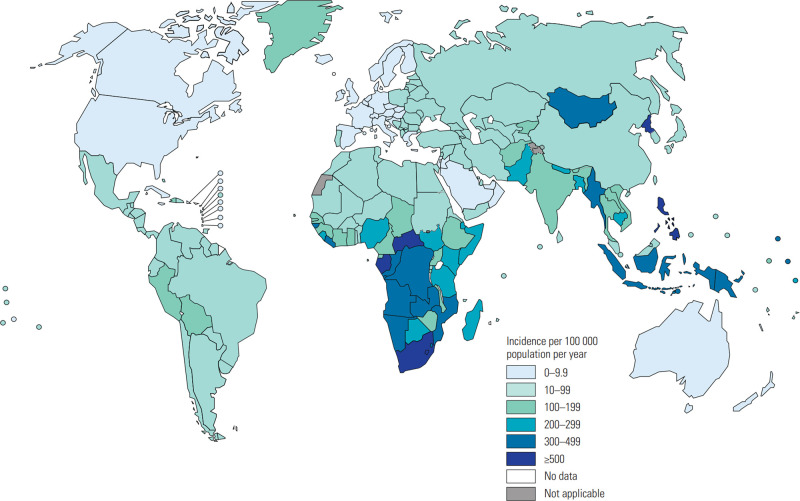
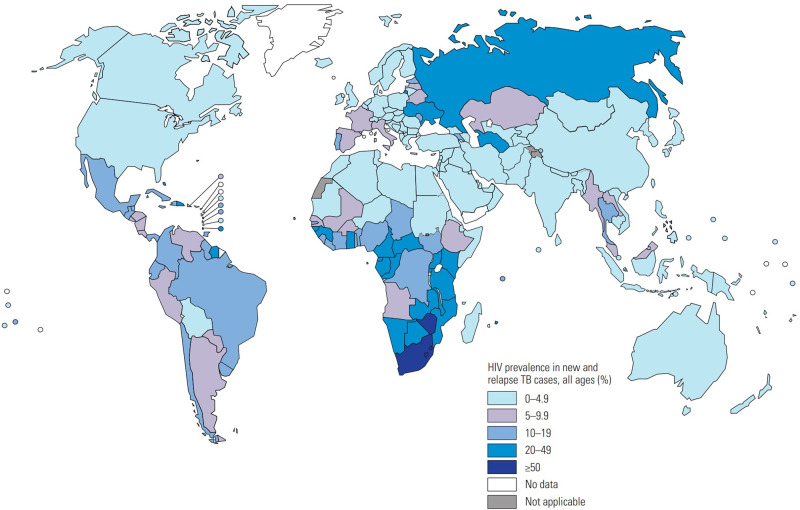
Tuberculosis (TB) is caused by a bacterial infection that affects a number of human organs, primarily the lungs, but also the liver, spleen, and spine, causing key symptoms of fever, fatigue, and persistent cough, and if not treated properly, can be fatal. Every year, 10 million individuals become ill with active TB resulting with a mortality approximating 1.5 million. Current treatment guidelines recommend oral administration of a combination of first-line anti-TB drugs for at least 6 months. While efficacious under optimum conditions, 'Directly Observed Therapy Short-course' (DOTS) is not without problems. The long treatment time and poor pharmacokinetics, alongside drug side effects lead to poor patient compliance and has accelerated the emergence of multi-drug resistant (MDR) organisms. All this, combined with the limited number of newly discovered TB drugs to treat MDR-TB and shorten standard therapy time, has highlighted the need for new targeted drug delivery systems. In this respect, there has been recent focus on micro- and nano-particle technologies to prepare organic or/and metal particles loaded with TB drugs to enhance their efficacy by targeted delivery via the inhaled route. In this review, we provide a brief overview of the current epidemiology of TB, and risk factors for progression of latent stage tuberculosis (LTBI) to the active TB. We identify current TB treatment regimens, newly discovered TB drugs, and identify studies that have used micro- or nano-particles technologies to design a reliable inhalation drug delivery system to treat TB more effectively.
结核病(TB)是由细菌感染引起的,会影响人体多个器官,主要是肺部,但也会影响肝脏、脾脏和脊柱,导致发热、疲劳和持续咳嗽等主要症状,如果治疗不当,可能致命。每年有 1000 万人患有活动性结核病,死亡率约为 150 万。目前的治疗指南建议口服一线抗结核药物联合治疗至少 6 个月。虽然在最佳条件下有效,但“直接观察短程化疗”(DOTS)并非没有问题。治疗时间长、药代动力学不佳以及药物副作用导致患者的依从性差,并加速了耐多药(MDR)病原体的出现。所有这些,再加上新发现的治疗耐多药结核病和缩短标准治疗时间的结核病药物数量有限,凸显了开发新的靶向药物输送系统的必要性。在这方面,最近的研究重点是微纳米颗粒技术,将载有结核病药物的有机或/和金属颗粒制成制剂,通过吸入途径靶向递送来提高疗效。在这篇综述中,我们简要概述了结核病的当前流行病学,以及潜伏性结核病(LTBI)向活动性结核病进展的危险因素。我们确定了当前的结核病治疗方案、新发现的结核病药物,并确定了使用微纳米颗粒技术设计可靠的吸入药物输送系统以更有效地治疗结核病的研究。