Liu Wenming, Zhang Xiao, Qiao Yuting, Cai Yanhui, Yin Hong, Zheng Minwen, Zhu Yuanqiang, Wang Huaning
Department of Psychiatry, Xijing Hospital, Fourth Military Medical University, Xi'an, China.
Department of Radiology, Xijing Hospital, Fourth Military Medical University, Xi'an, China.
Front Neurosci. 2020 Nov 23;14:577568. doi: 10.3389/fnins.2020.577568. eCollection 2020.
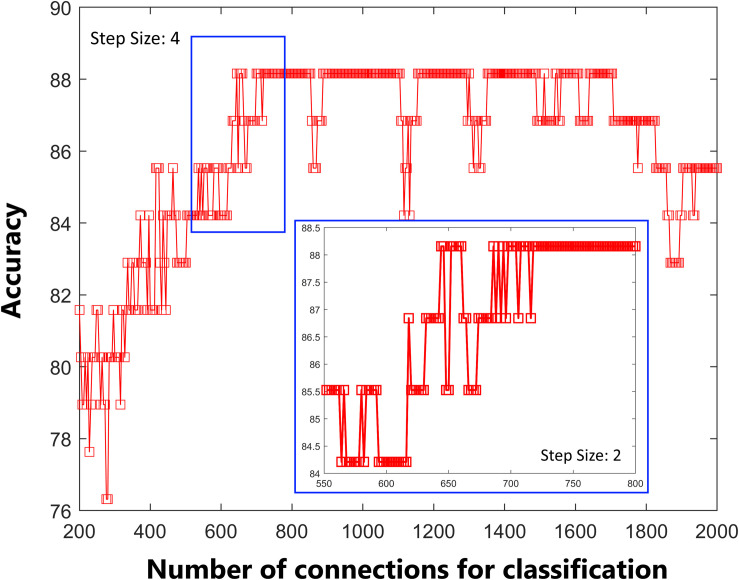
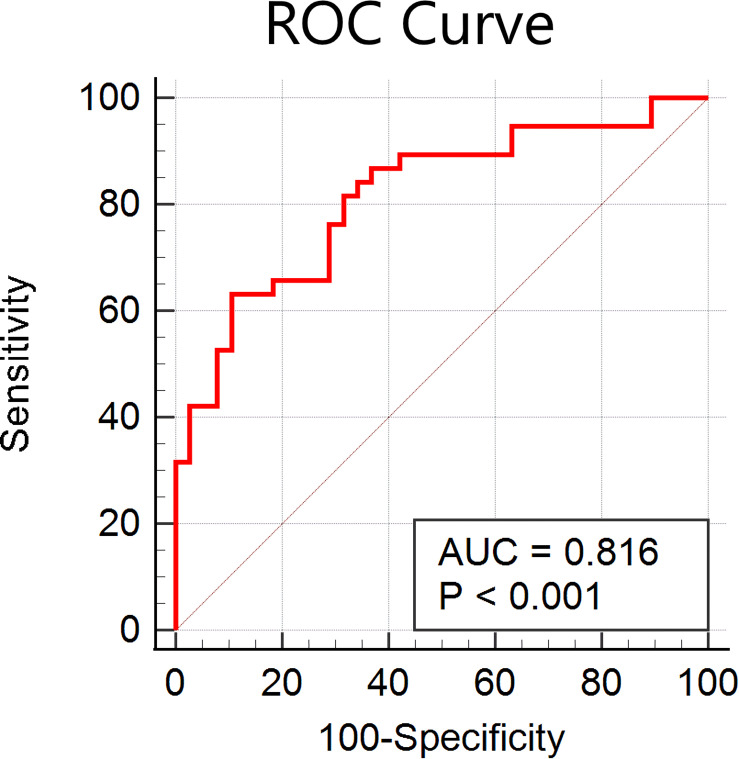
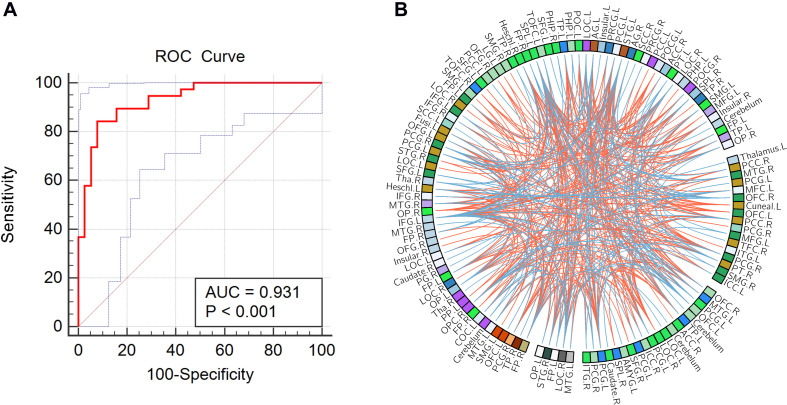
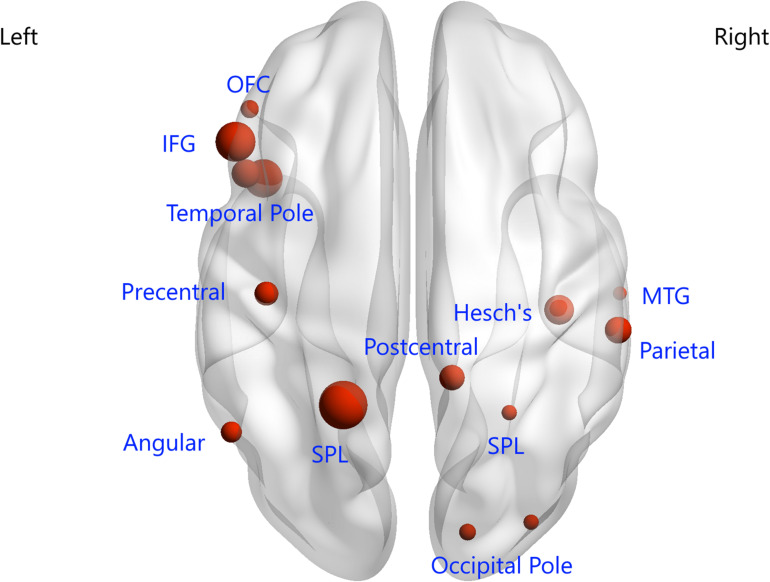
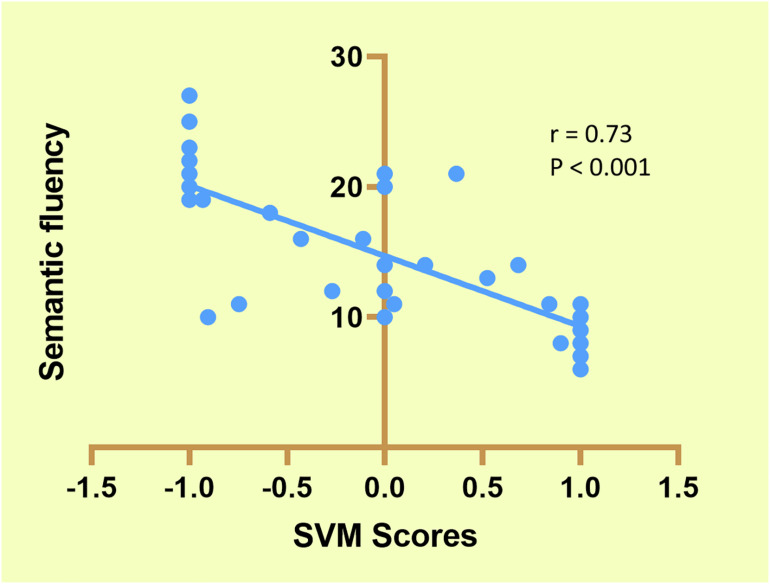
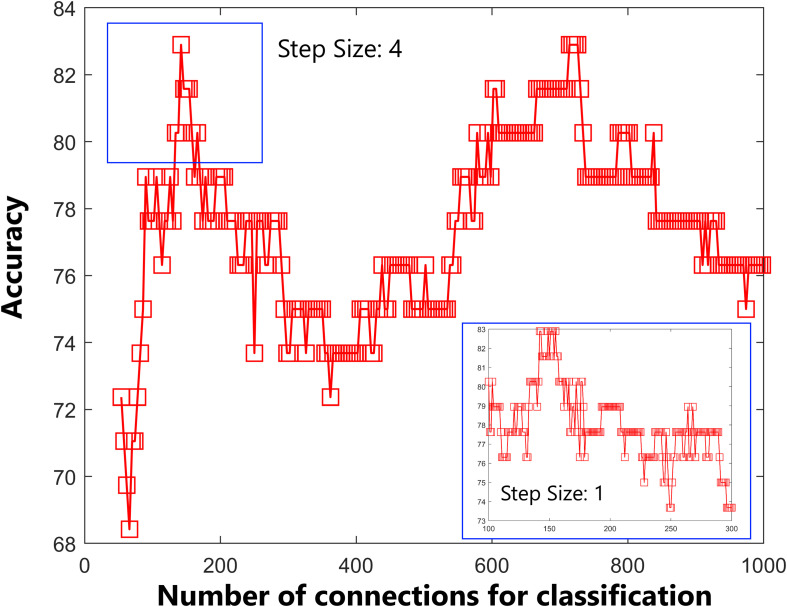
Schizophrenia (SCZ) is an inherited disease, with the familial risk being among the most important factors when evaluating an individual's risk for SCZ. However, robust imaging biomarkers for the disease that can be used for diagnosis and determination of the prognosis are lacking. Here, we explore the potential of functional connectivity (FC) for use as a biomarker for the early detection of high-risk first-degree relatives (FDRs). Thirty-eight first-episode SCZ patients, 38 healthy controls (HCs), and 33 FDRs were scanned using resting-state functional magnetic resonance imaging. The subjects' brains were parcellated into 200 regions using the Craddock atlas, and the FC between each pair of regions was used as a classification feature. Multivariate pattern analysis using leave-one-out cross-validation achieved a correct classification rate of 88.15% [sensitivity 84.06%, specificity 92.18%, and area under the receiver operating characteristic curve (AUC) 0.93] for differentiating SCZ patients from HCs. FC located within the default mode, frontal-parietal, auditory, and sensorimotor networks contributed mostly to the accurate classification. The FC patterns of each FDR were input into each classification model as test data to obtain a corresponding prediction label (a total of 76 individual classification scores), and the averaged individual classification score was then used as a robust measure to characterize whether each FDR showed an SCZ-type or HC-type FC pattern. A significant negative correlation was found between the average classification scores of the FDRs and their semantic fluency scores. These findings suggest that FC combined with a machine learning algorithm could help to predict whether FDRs are likely to show an SCZ-specific or HC-specific FC pattern.
精神分裂症(SCZ)是一种遗传性疾病,在评估个体患SCZ的风险时,家族风险是最重要的因素之一。然而,目前缺乏可用于该疾病诊断和预后判定的强有力的影像学生物标志物。在此,我们探讨功能连接(FC)作为高危一级亲属(FDR)早期检测生物标志物的潜力。使用静息态功能磁共振成像对38例首发SCZ患者、38名健康对照(HC)和33名FDR进行扫描。使用Craddock图谱将受试者的大脑划分为200个区域,并将每对区域之间的FC用作分类特征。采用留一法交叉验证的多变量模式分析在区分SCZ患者和HC时的正确分类率为88.15%[敏感性84.06%,特异性92.18%,受试者工作特征曲线下面积(AUC)0.93]。位于默认模式、额顶叶、听觉和感觉运动网络内的FC对准确分类贡献最大。将每个FDR的FC模式作为测试数据输入每个分类模型以获得相应的预测标签(共76个个体分类分数),然后将平均个体分类分数用作衡量每个FDR是否呈现SCZ型或HC型FC模式的稳健指标。发现FDR的平均分类分数与其语义流畅性分数之间存在显著负相关。这些发现表明,FC与机器学习算法相结合有助于预测FDR是否可能呈现SCZ特异性或HC特异性FC模式。