Botany and Microbiology Department, Faculty of Science, Beni-Suef University, Beni-Suef 62511, Egypt.
Department of Botany and Microbiology, Faculty of Science, Cairo University, Giza 12613, Egypt.
Biomolecules. 2020 Dec 15;10(12):1675. doi: 10.3390/biom10121675.
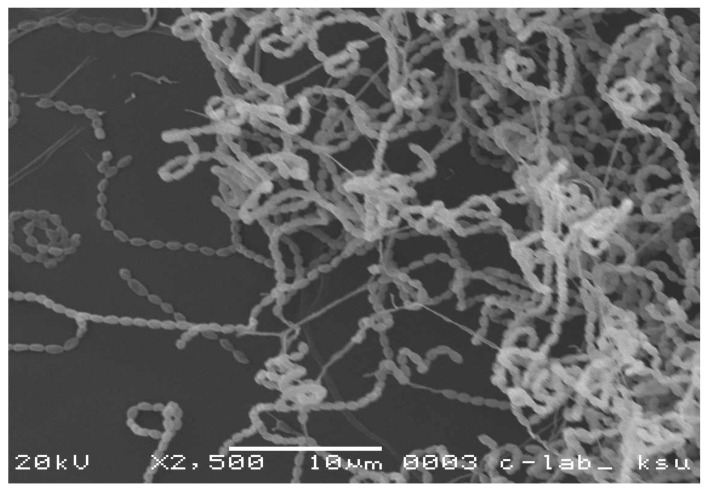
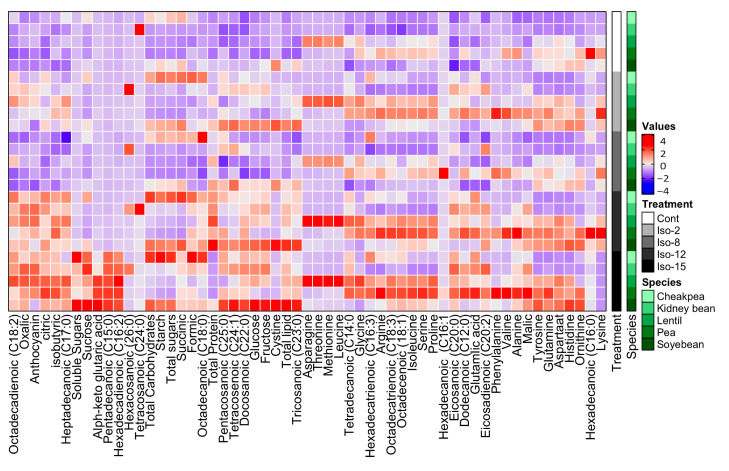
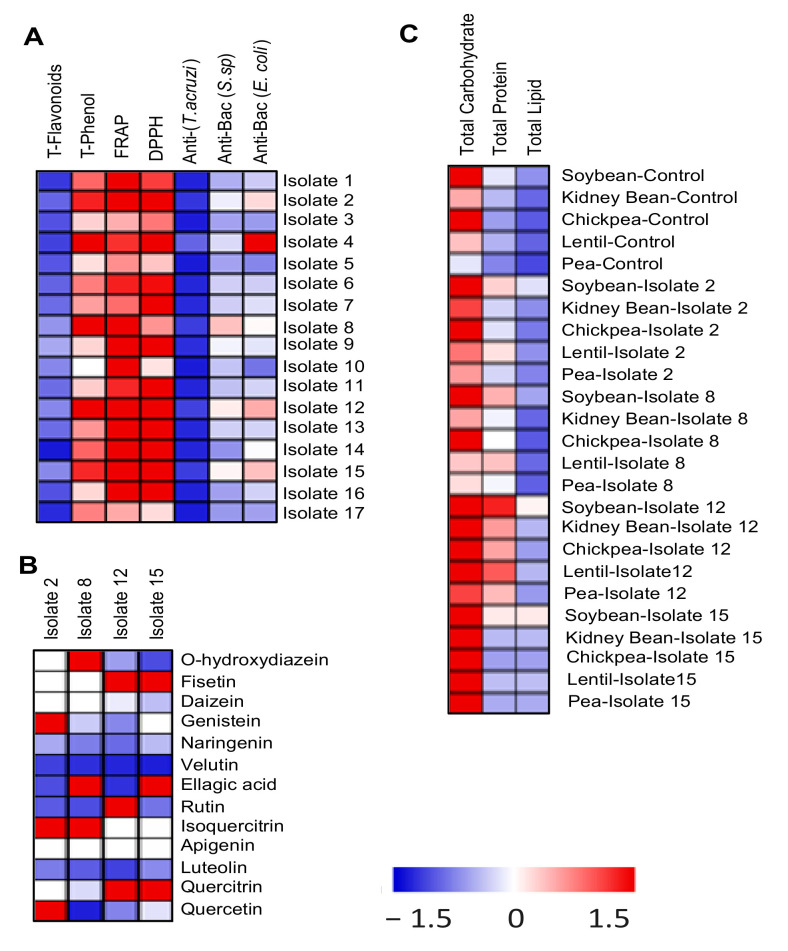
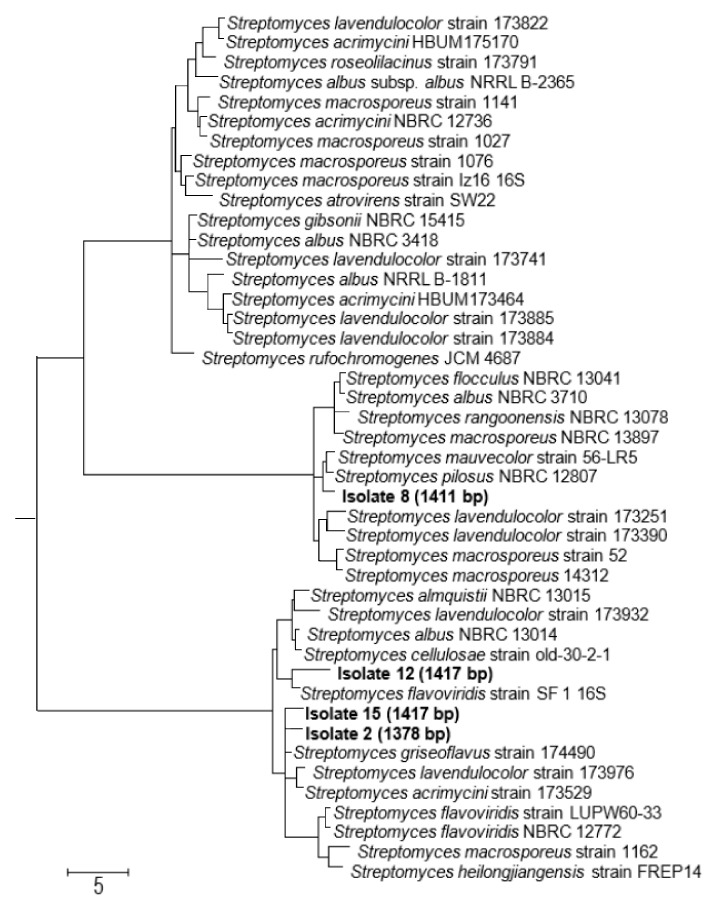
The use of actinomycetes for improving soil fertility and plant production is an attractive strategy for developing sustainable agricultural systems due to their effectiveness, eco-friendliness, and low production cost. Out of 17 species isolated from the soil rhizosphere of legume crops, 4 bioactive isolates were selected and their impact on 5 legumes: soybean, kidney bean, chickpea, lentil, and pea were evaluated. According to the morphological and molecular identification, these isolates belong to the genus Streptomyces. Here, we showed that these isolates increased soil nutrients and organic matter content and improved soil microbial populations. At the plant level, soil enrichment with actinomycetes increased photosynthetic reactions and eventually increased legume yield. Actinomycetes also increased nitrogen availability in soil and legume tissue and seeds, which induced the activity of key nitrogen metabolizing enzymes, e.g., glutamine synthetase, glutamate synthase, and nitrate reductase. In addition to increased nitrogen-containing amino acids levels, we also report high sugar, organic acids, and fatty acids as well as antioxidant phenolics, mineral, and vitamins levels in actinomycete treated legume seeds, which in turn improved their seed quality. Overall, this study shed the light on the impact of actinomycetes on enhancing the quality and productivity of legume crops by boosting the bioactive primary and secondary metabolites. Moreover, our findings emphasize the positive role of actinomycetes in improving the soil by enriching its microbial population. Therefore, our data reinforce the usage of actinomycetes as biofertilizers to provide sustainable food production and achieve biosafety.
放线菌在提高土壤肥力和植物产量方面的应用是开发可持续农业系统的一个有吸引力的策略,因为它们具有有效性、生态友好性和低成本的特点。从豆科作物根际土壤中分离出的 17 个物种中,选择了 4 个具有生物活性的分离物,并评估了它们对 5 种豆科作物(大豆、菜豆、鹰嘴豆、小扁豆和豌豆)的影响。根据形态和分子鉴定,这些分离物属于链霉菌属。在这里,我们表明这些分离物增加了土壤养分和有机质含量,并改善了土壤微生物种群。在植物水平上,放线菌富集土壤增加了光合作用反应,最终增加了豆科作物的产量。放线菌还增加了土壤和豆科植物组织和种子中的氮素有效性,从而诱导了关键氮代谢酶的活性,如谷氨酰胺合成酶、谷氨酸合酶和硝酸还原酶。除了增加含氮氨基酸水平外,我们还报告了高糖、有机酸和脂肪酸以及抗氧化酚类、矿物质和维生素水平在放线菌处理的豆科种子中,这反过来又提高了它们的种子质量。总的来说,这项研究揭示了放线菌通过增强生物活性的初级和次级代谢物来提高豆科作物的质量和产量的影响。此外,我们的发现强调了放线菌通过丰富土壤微生物种群来改善土壤的积极作用。因此,我们的数据强化了将放线菌用作生物肥料来提供可持续粮食生产和实现生物安全的用途。