Department of Pathology and Immunology, Washington University School of Medicine, St Louis, MO 63110, USA.
Department of Molecular Microbiology, Washington University School of Medicine, St. Louis, MO 63110, USA.
Cell Host Microbe. 2021 Feb 10;29(2):165-178.e8. doi: 10.1016/j.chom.2020.11.013. Epub 2020 Dec 18.
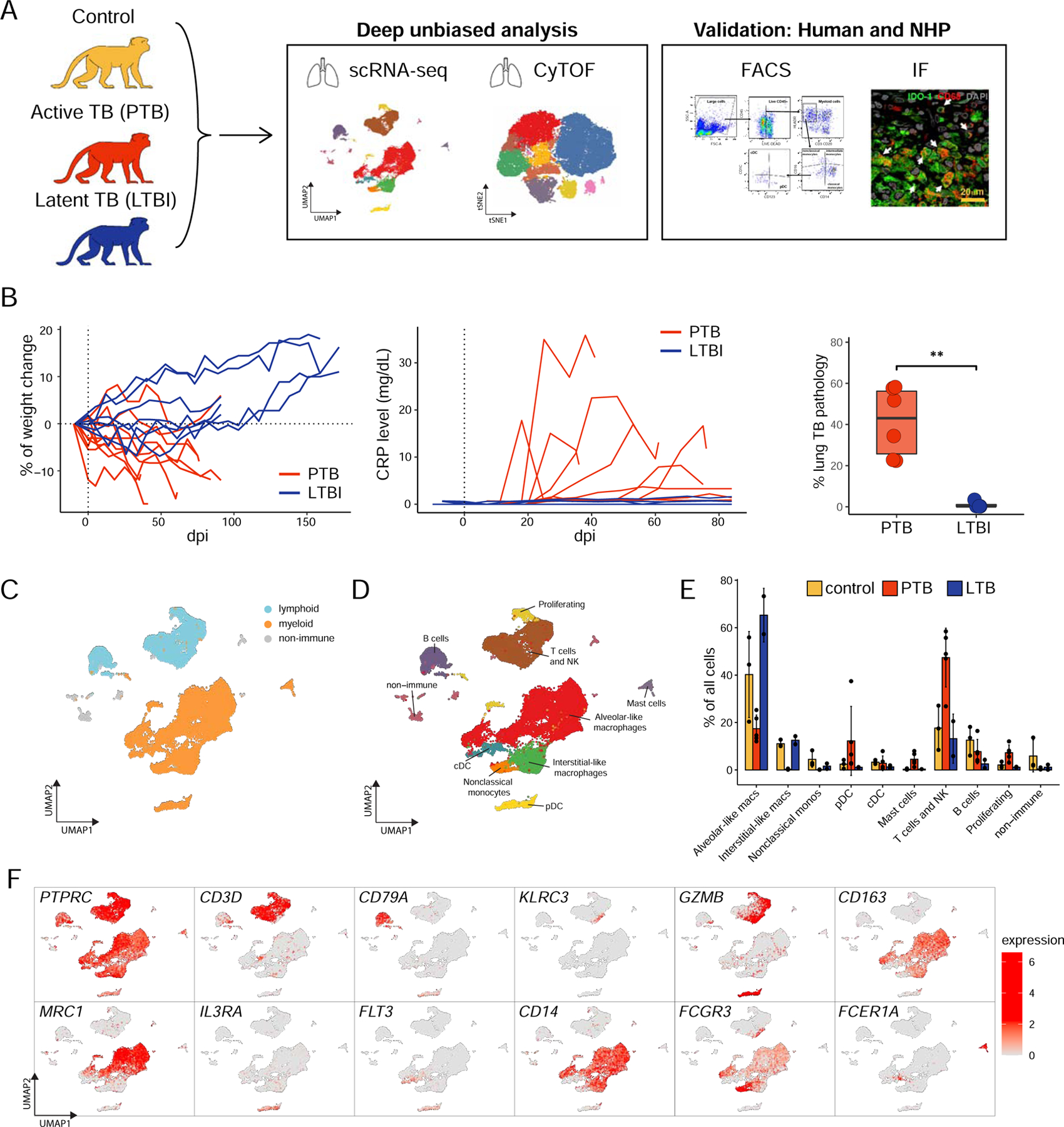
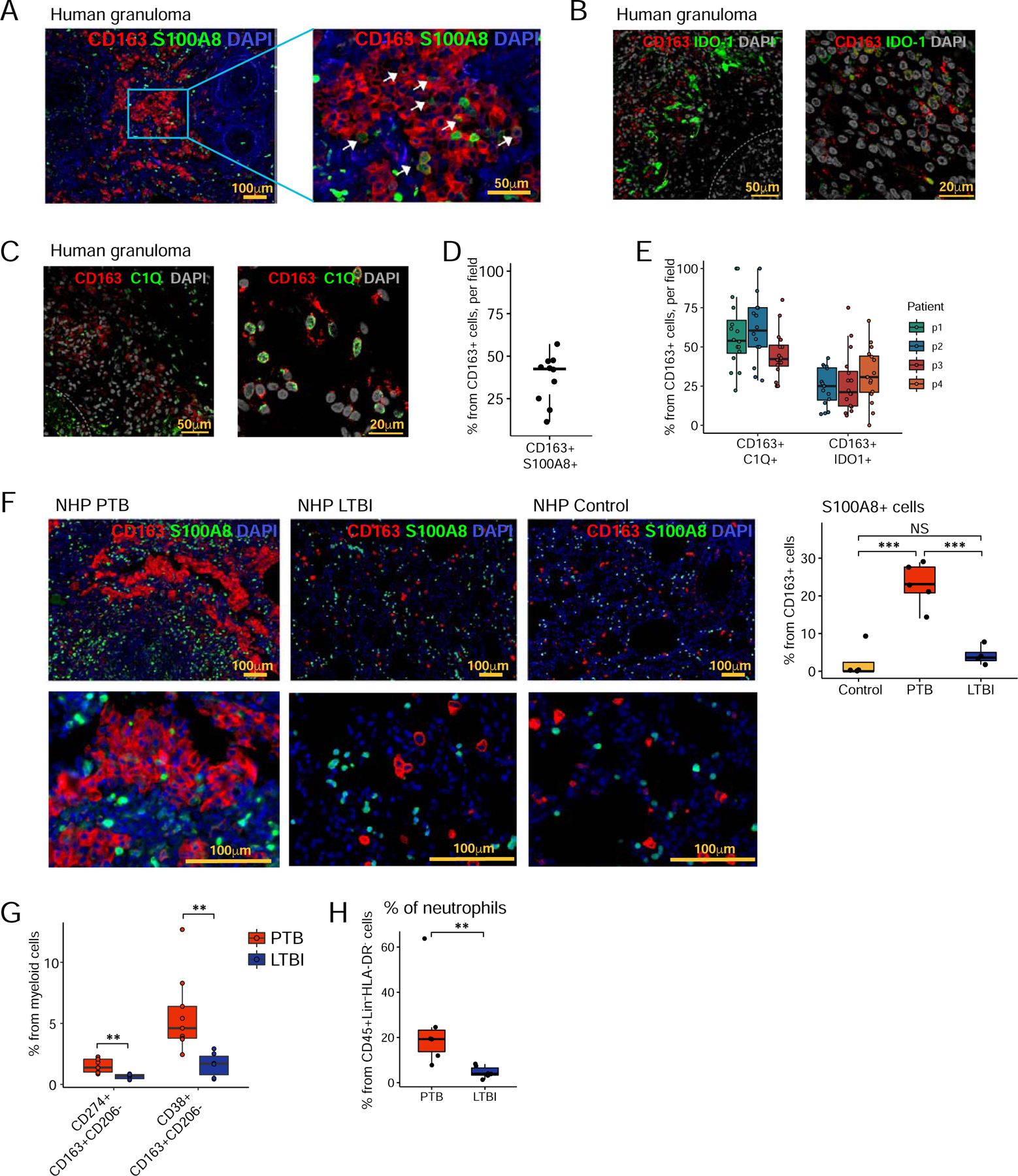
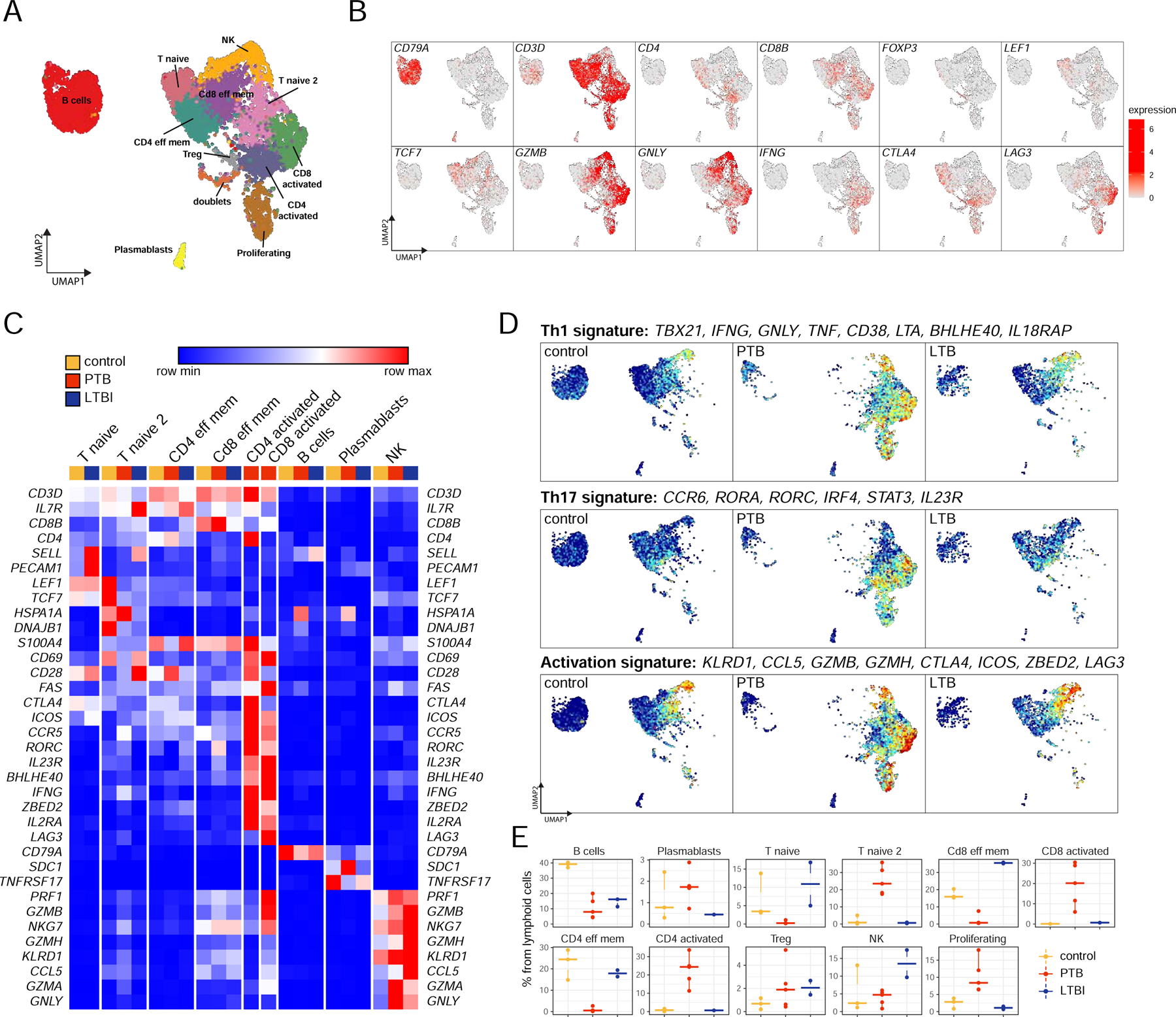
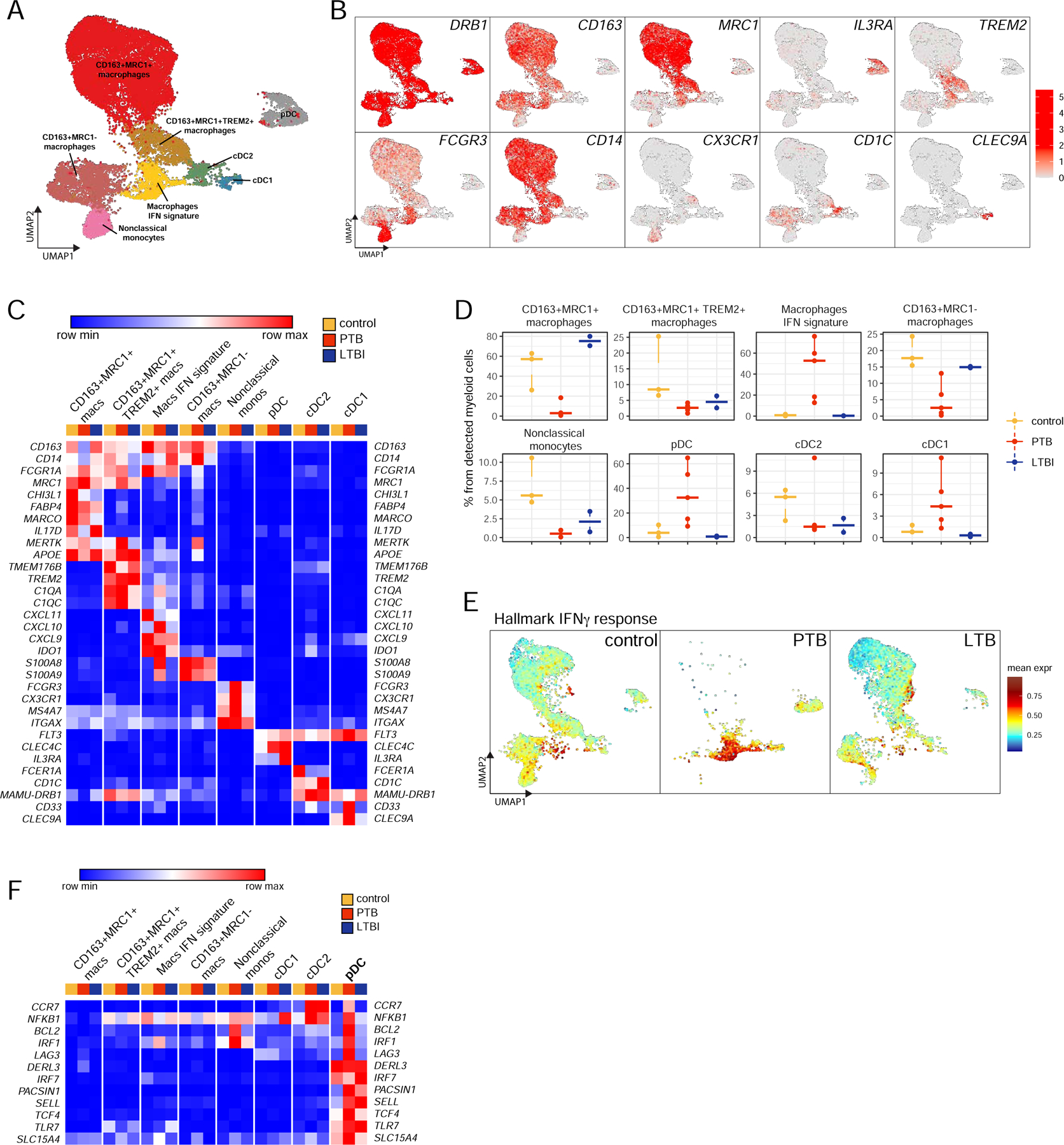
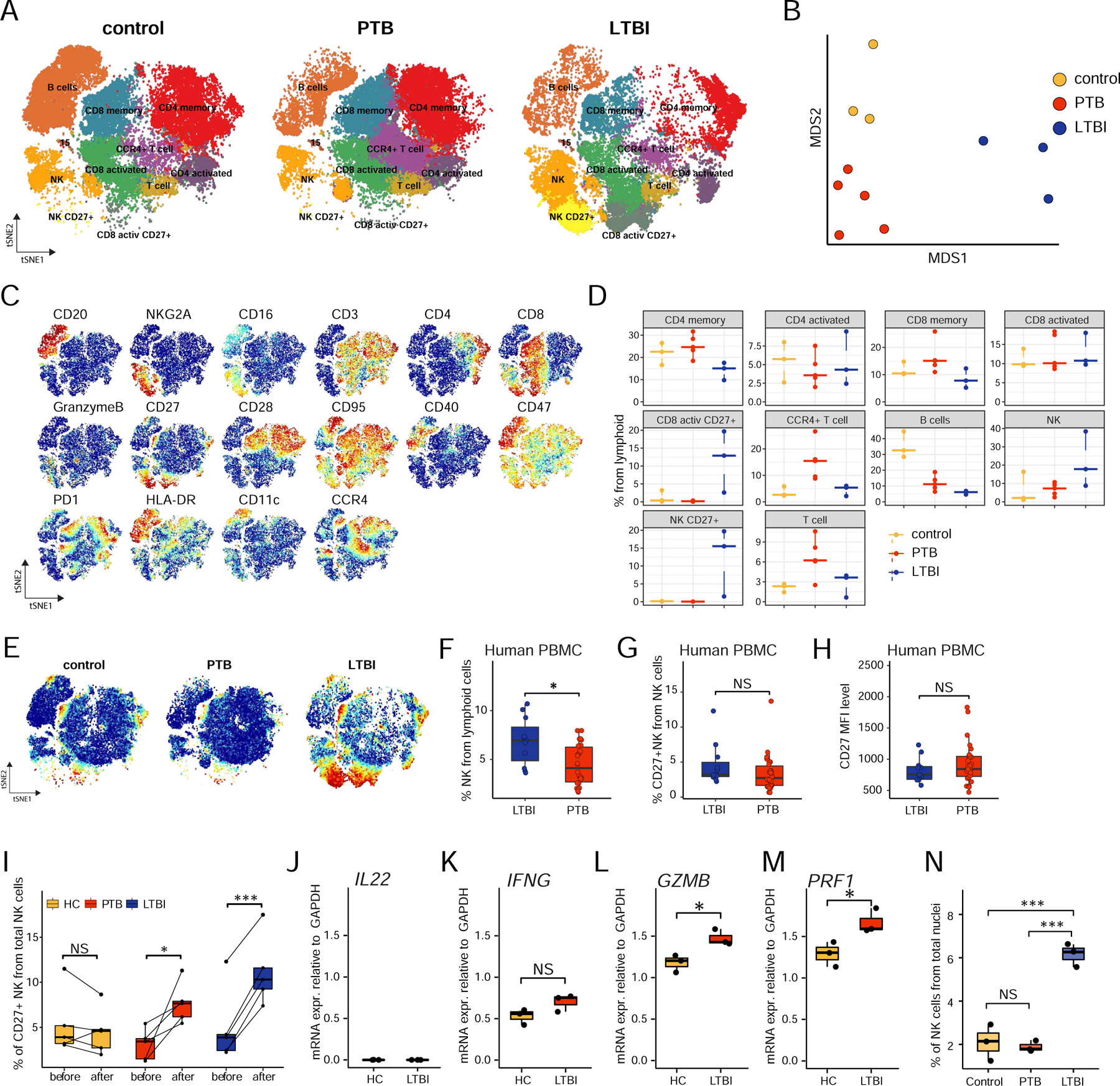
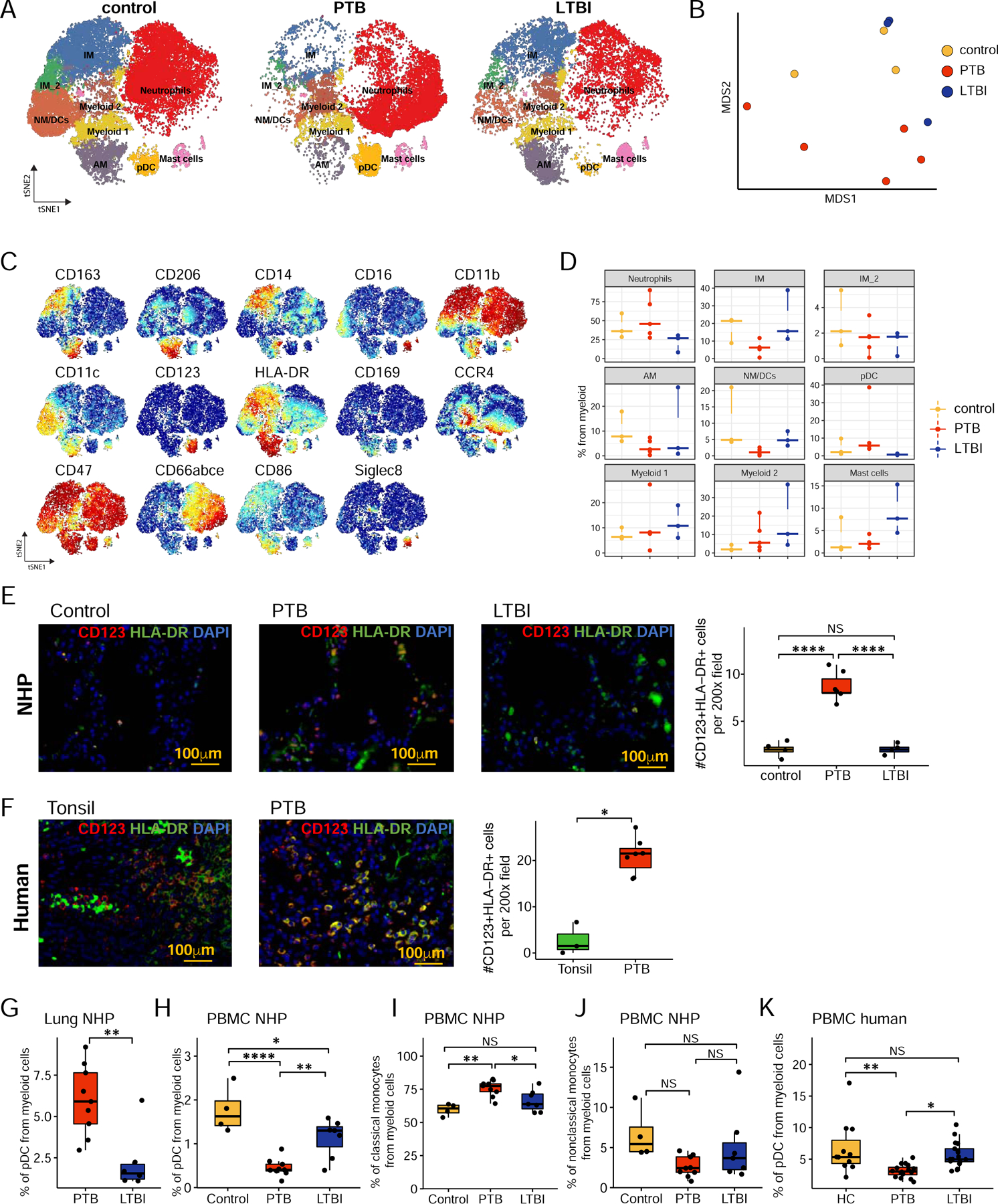
Tuberculosis (TB), caused by Mycobacterium tuberculosis (Mtb) latently infects approximately one-fourth of the world's population. The immune mechanisms that govern progression from latent (LTBI) to active pulmonary TB (PTB) remain poorly defined. Experimentally Mtb-infected non-human primates (NHP) mirror the disease observed in humans and recapitulate both PTB and LTBI. We characterized the lung immune landscape in NHPs with LTBI and PTB using high-throughput technologies. Three defining features of PTB in macaque lungs include the influx of plasmacytoid dendritic cells (pDCs), an Interferon (IFN)-responsive macrophage population, and activated T cell responses. In contrast, a CD27 Natural killer (NK) cell subset accumulated in the lungs of LTBI macaques. This NK cell population was also detected in the circulation of LTBI individuals. This comprehensive analysis of the lung immune landscape will improve the understanding of TB immunopathogenesis, providing potential targets for therapies and vaccines for TB control.
结核病(TB)由结核分枝杆菌(Mtb)引起,潜伏感染了世界上约四分之一的人口。控制从潜伏(LTBI)到活动性肺结核(PTB)进展的免疫机制仍未明确。实验感染的非人类灵长类动物(NHP)模拟了人类的疾病,并重现了 PTB 和 LTBI。我们使用高通量技术对 LTBI 和 PTB 的 NHP 肺部的免疫景观进行了描述。在猕猴肺部,PTB 的三个明确特征包括浆细胞样树突状细胞(pDC)的涌入、干扰素(IFN)反应性巨噬细胞群和激活的 T 细胞反应。相比之下,在 LTBI 猕猴的肺部积累了 CD27 自然杀伤(NK)细胞亚群。该 NK 细胞群也在 LTBI 个体的循环中被检测到。对肺部免疫景观的全面分析将提高对 TB 免疫发病机制的理解,为 TB 控制的治疗和疫苗提供潜在的目标。