Lewis-Sigler Institute for Integrative Genomics, Princeton University, Princeton, United States.
Arnold Sommerfeld Center for Theoretical Physics and Center for NanoScience, Department of Physics, Ludwig-Maximilians-Universität München, München, Germany.
Elife. 2020 Dec 21;9:e61639. doi: 10.7554/eLife.61639.
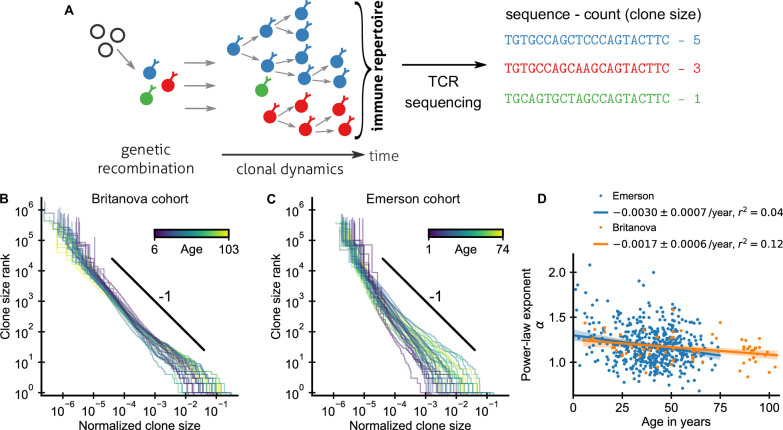
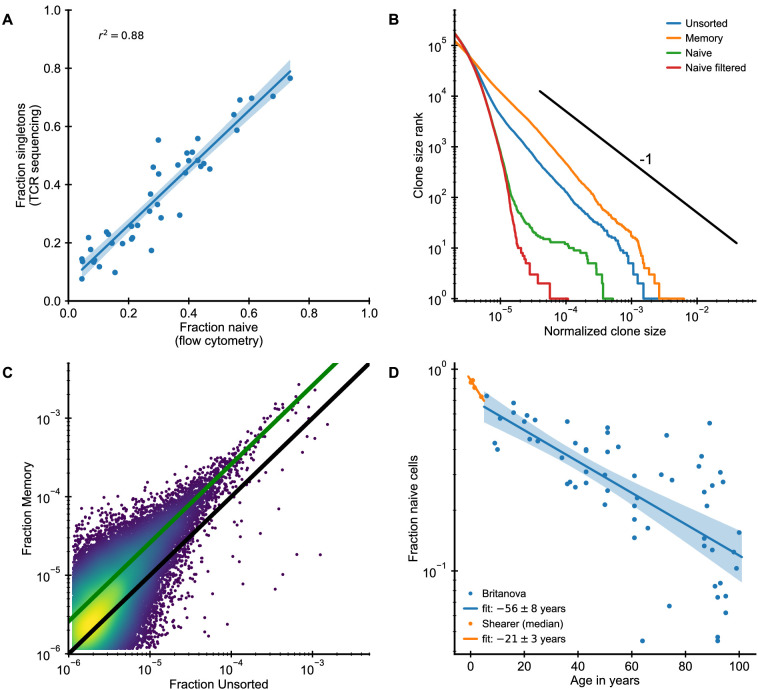
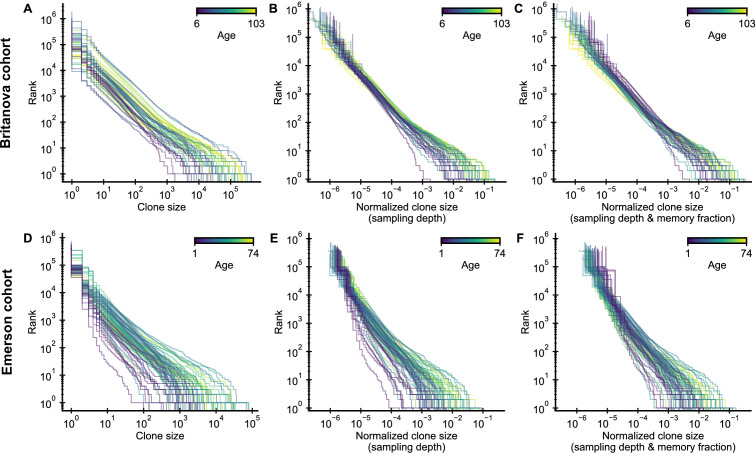
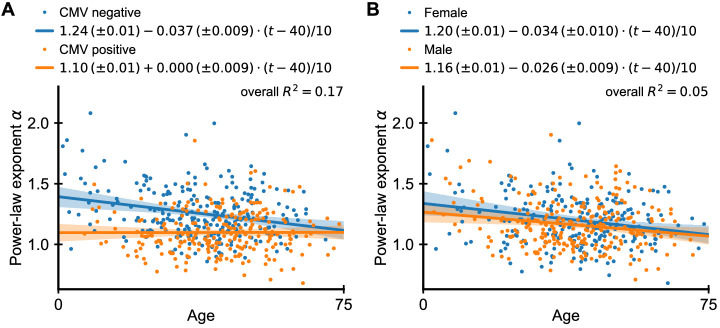
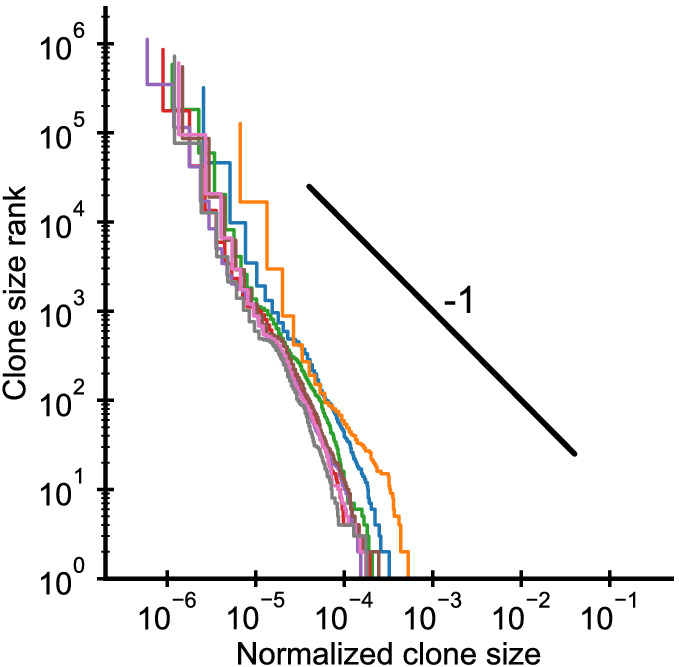
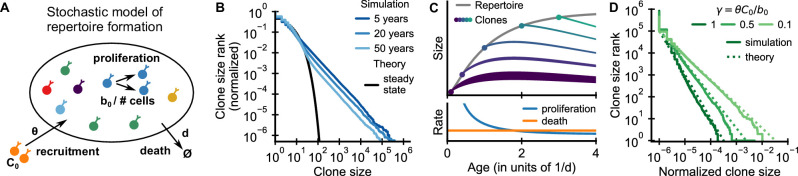
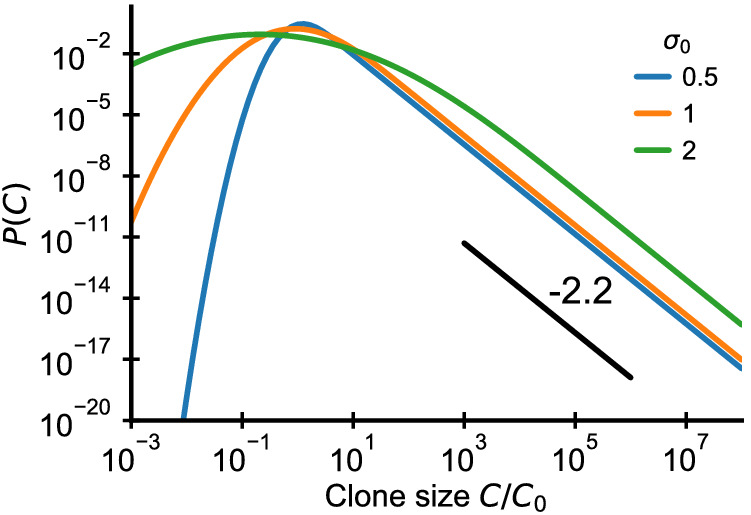
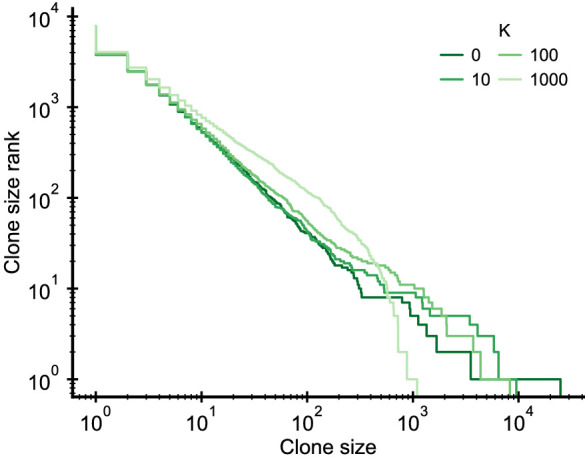
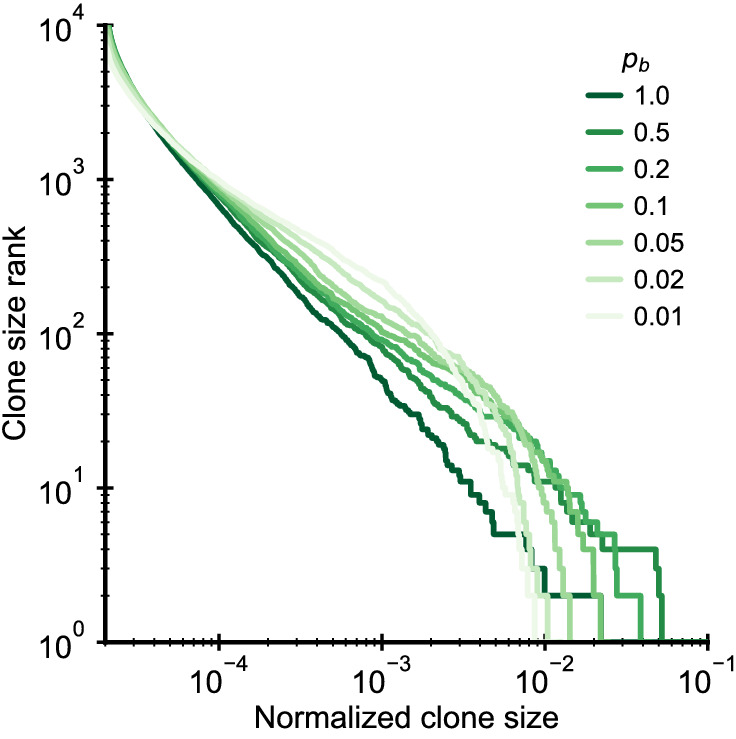
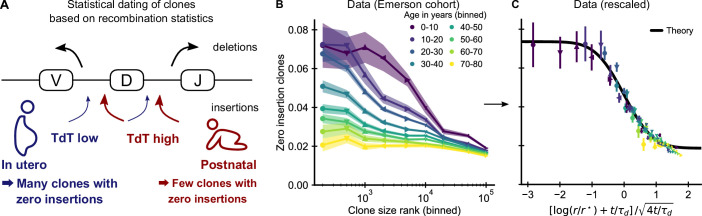
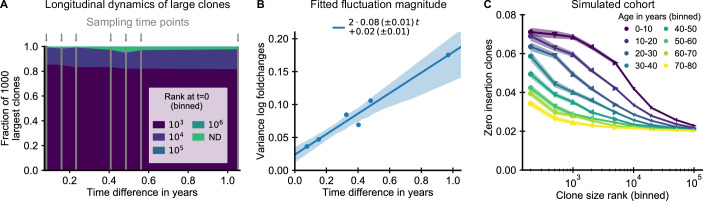
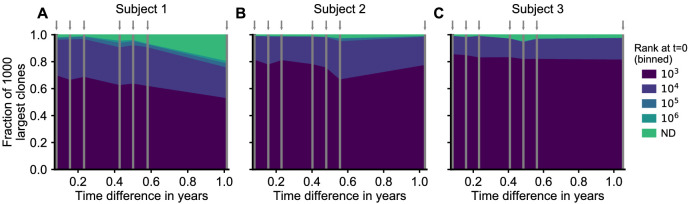
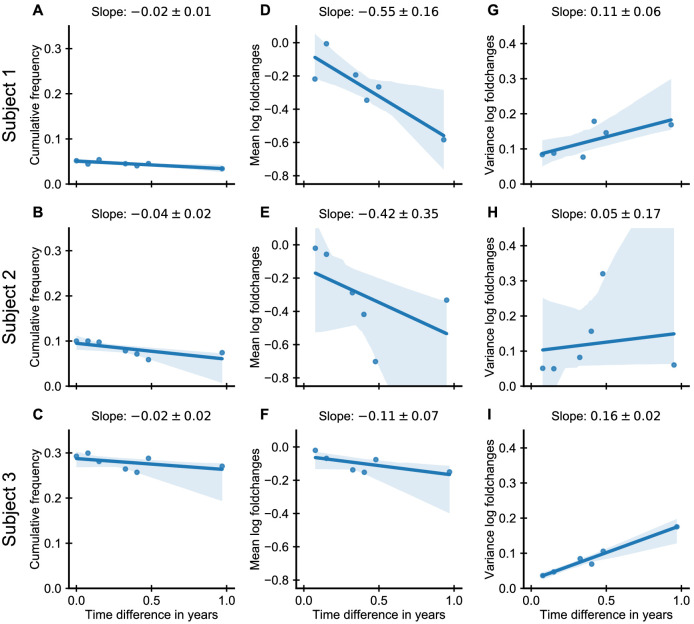
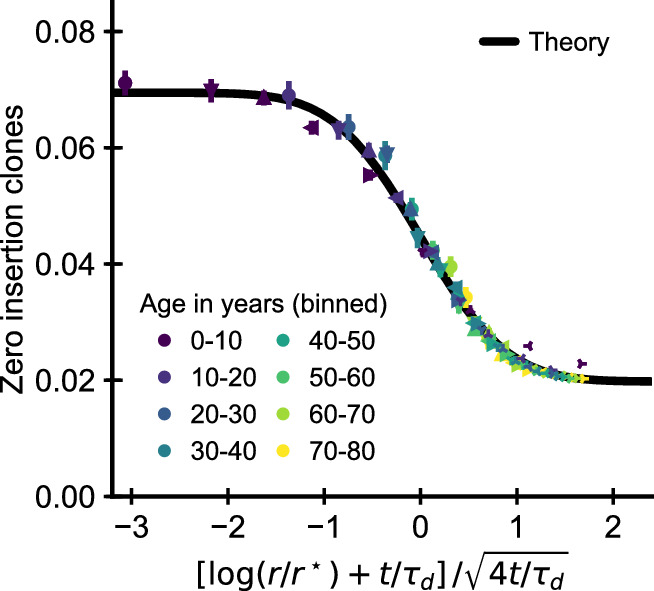
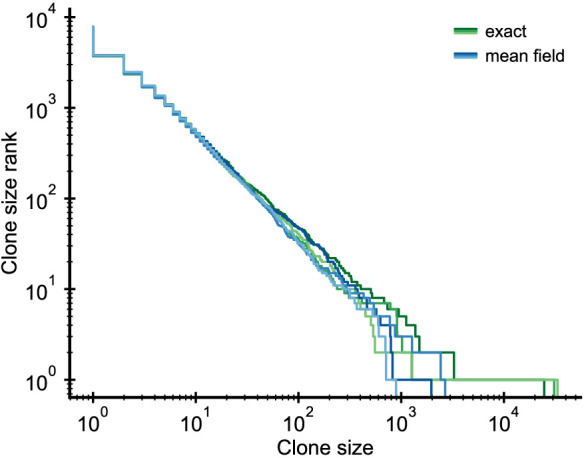
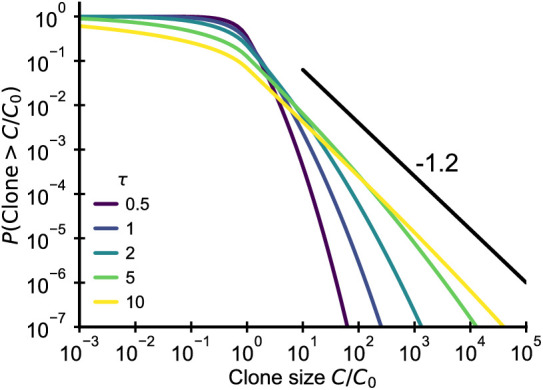
The adaptive immune system responds to pathogens by selecting clones of cells with specific receptors. While clonal selection in response to particular antigens has been studied in detail, it is unknown how a lifetime of exposures to many antigens collectively shape the immune repertoire. Here, using mathematical modeling and statistical analyses of T cell receptor sequencing data, we develop a quantitative theory of human T cell dynamics compatible with the statistical laws of repertoire organization. We find that clonal expansions during a perinatal time window leave a long-lasting imprint on the human T cell repertoire, which is only slowly reshaped by fluctuating clonal selection during adult life. Our work provides a mechanism for how early clonal dynamics imprint the hierarchy of T cell clone sizes with implications for pathogen defense and autoimmunity.
适应性免疫系统通过选择具有特定受体的细胞克隆来对病原体做出反应。虽然针对特定抗原的克隆选择已经得到了详细研究,但人们尚不清楚一生中接触多种抗原如何共同塑造免疫系统的受体库。在这里,我们使用数学建模和 T 细胞受体测序数据的统计分析,为人类 T 细胞动力学开发了一个与受体库组织的统计规律相兼容的定量理论。我们发现,围产期时间窗口期间的克隆扩增会在人类 T 细胞受体库上留下持久的印记,而这些印记只能在成年期的克隆选择波动过程中缓慢重塑。我们的工作为早期克隆动力学如何用 T 细胞克隆大小的层次结构来印记提供了一种机制,这对病原体防御和自身免疫有影响。