Department of Health and Human Services, Signal Transduction Laboratory, National Institute of Environmental Health Sciences, National Institutes of Health, Research Triangle Park, NC, USA.
Crit Rev Biochem Mol Biol. 2021 Feb;56(1):88-108. doi: 10.1080/10409238.2020.1856769. Epub 2020 Dec 22.
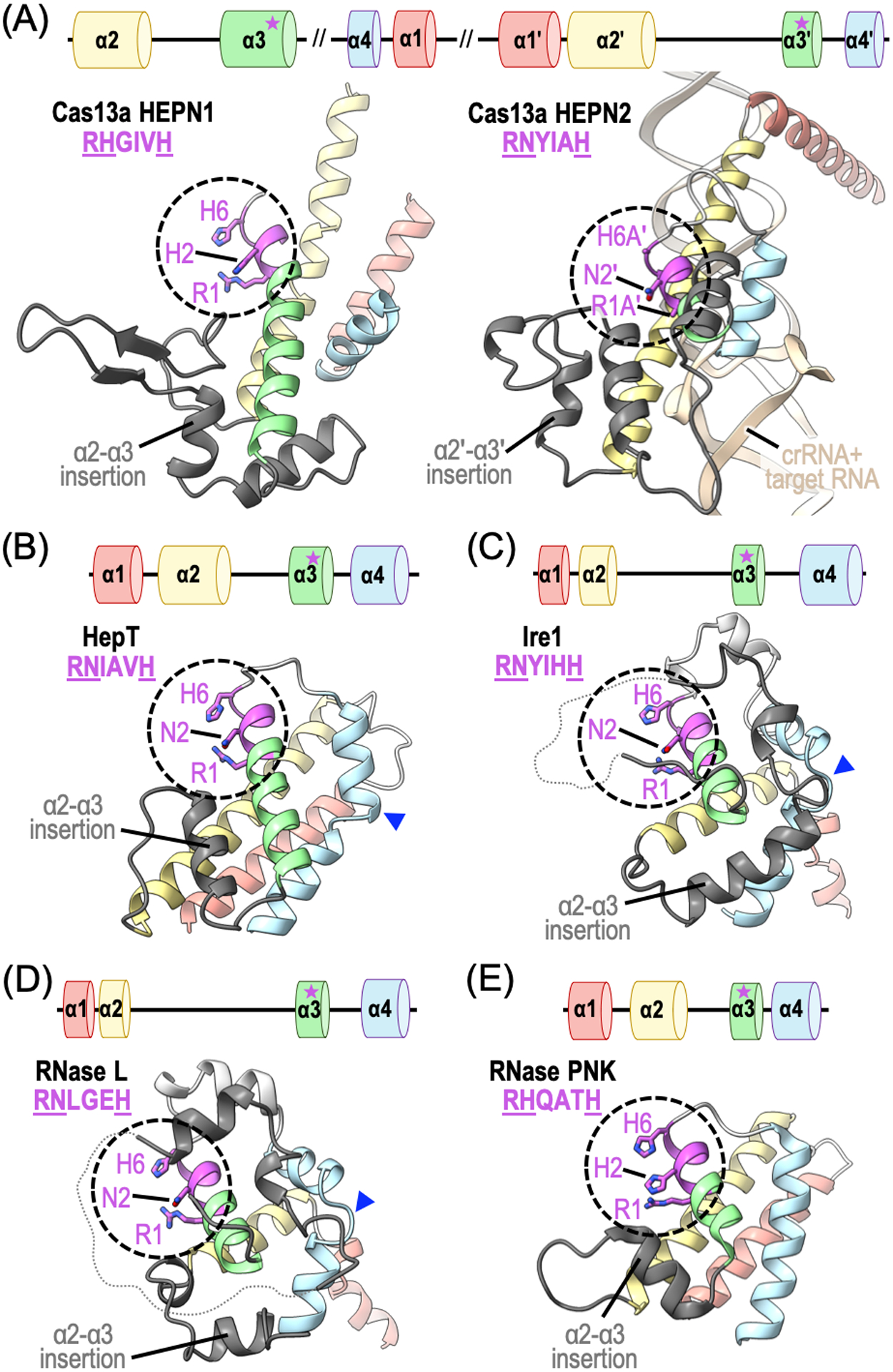
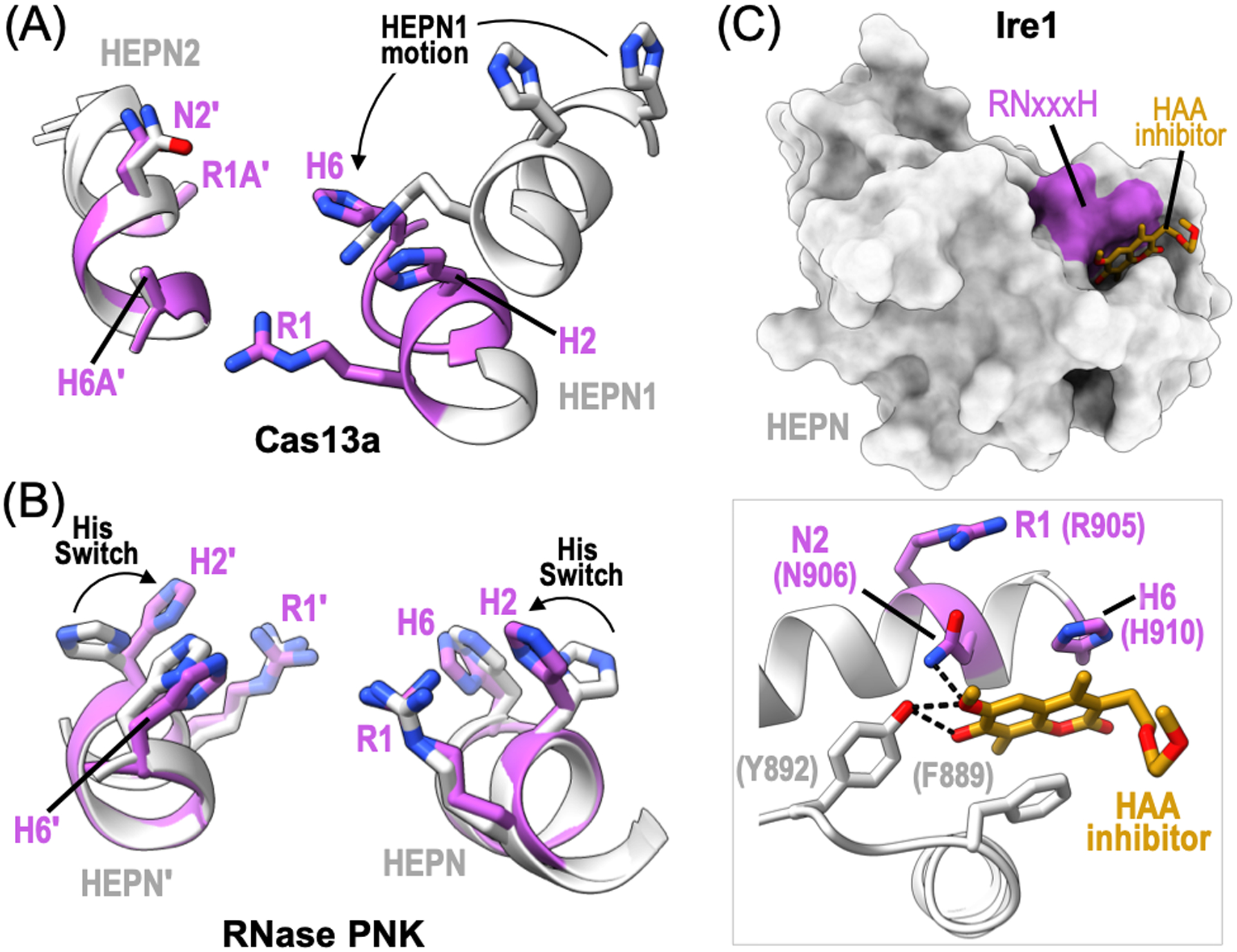
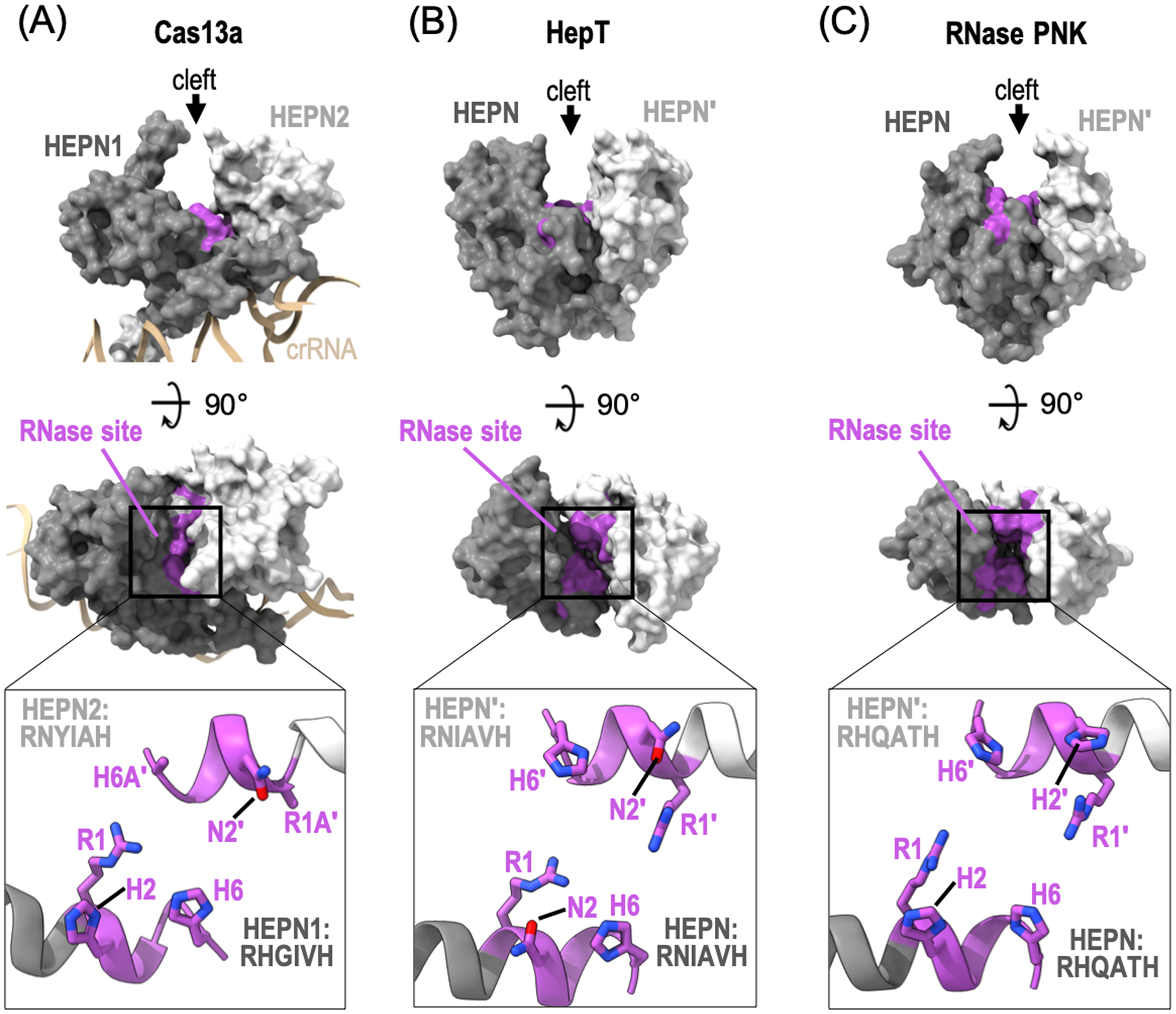
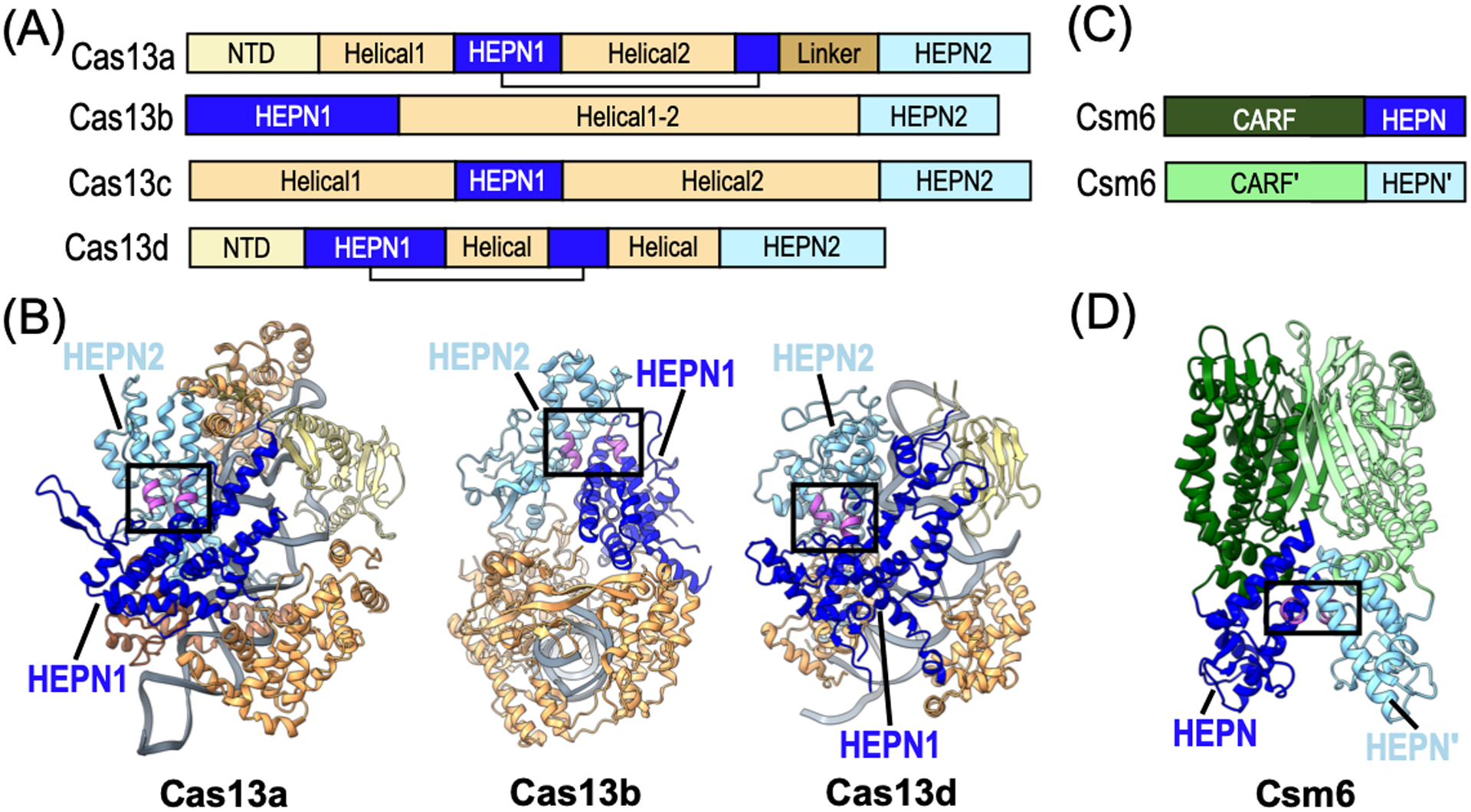
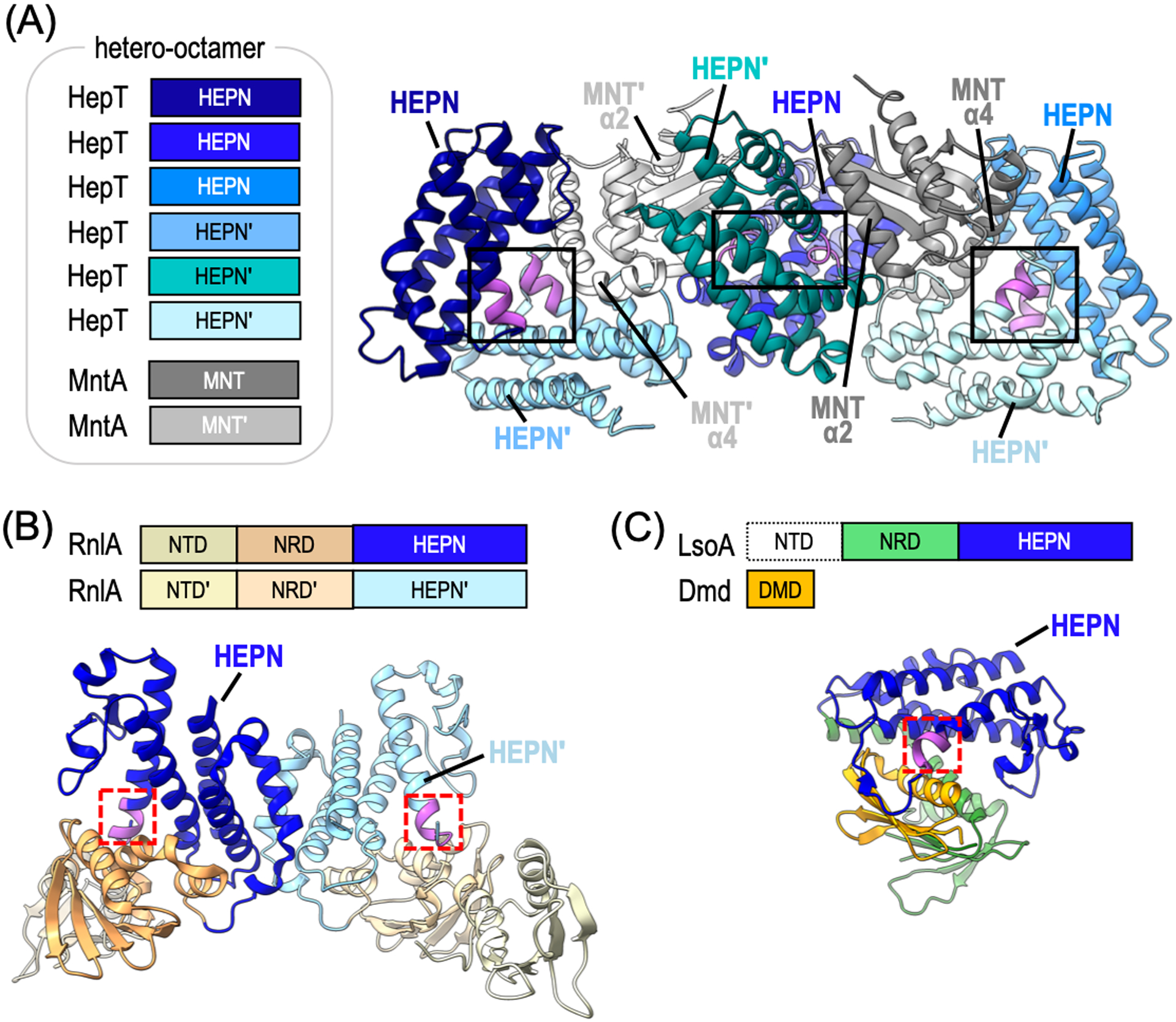
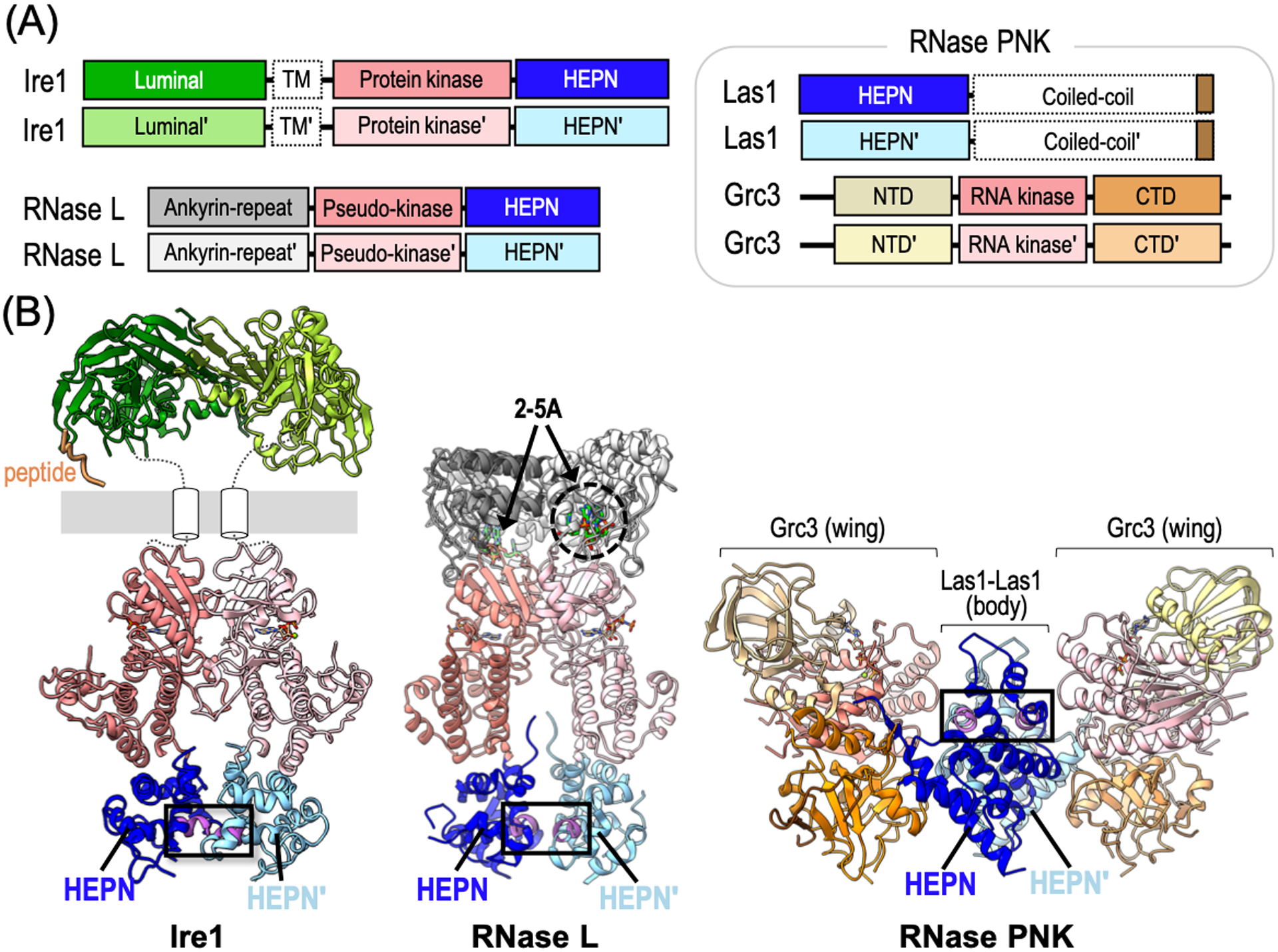
HEPN (Higher Eukaryotes and Prokaryotes Nucleotide-binding) RNases are an emerging class of functionally diverse RNA processing and degradation enzymes. Members are defined by a small α-helical bundle encompassing a short consensus RNase motif. HEPN dimerization is a universal requirement for RNase activation as the conserved RNase motifs are precisely positioned at the dimer interface to form a composite catalytic center. While the core HEPN fold is conserved, the organization surrounding the HEPN dimer can support large structural deviations that contribute to their specialized functions. HEPN RNases are conserved throughout evolution and include bacterial HEPN RNases such as CRISPR-Cas and toxin-antitoxin associated nucleases, as well as eukaryotic HEPN RNases that adopt large multi-component machines. Here we summarize the canonical elements of the growing HEPN RNase family and identify molecular features that influence RNase function and regulation. We explore similarities and differences between members of the HEPN RNase family and describe the current mechanisms for HEPN RNase activation and inhibition.
HEPN(高等真核生物和原核生物核苷酸结合)RNases 是一类新兴的具有多种功能的 RNA 加工和降解酶。该家族的成员由一个包含短共识 RNase 基序的小型 α-螺旋束定义。HEPN 二聚化是 RNase 激活的普遍要求,因为保守的 RNase 基序精确地位于二聚体界面上,形成一个复合催化中心。虽然核心 HEPN 折叠是保守的,但围绕 HEPN 二聚体的组织可以支持大的结构偏差,从而有助于它们的特殊功能。HEPN RNases在进化过程中是保守的,包括细菌 HEPN RNases,如 CRISPR-Cas 和毒素-抗毒素相关核酸酶,以及采用大型多组分机器的真核 HEPN RNases。在这里,我们总结了不断发展的 HEPN RNase 家族的典型元件,并确定了影响 RNase 功能和调节的分子特征。我们探讨了 HEPN RNase 家族成员之间的相似性和差异,并描述了 HEPN RNase 激活和抑制的当前机制。