Center for Genomics and Systems Biology, New York University, New York, New York, 10003, USA.
Department of Biology, New York University, New York, New York, 10003, USA.
Yeast. 2021 Jan;38(1):12-29. doi: 10.1002/yea.3545. Epub 2021 Jan 25.
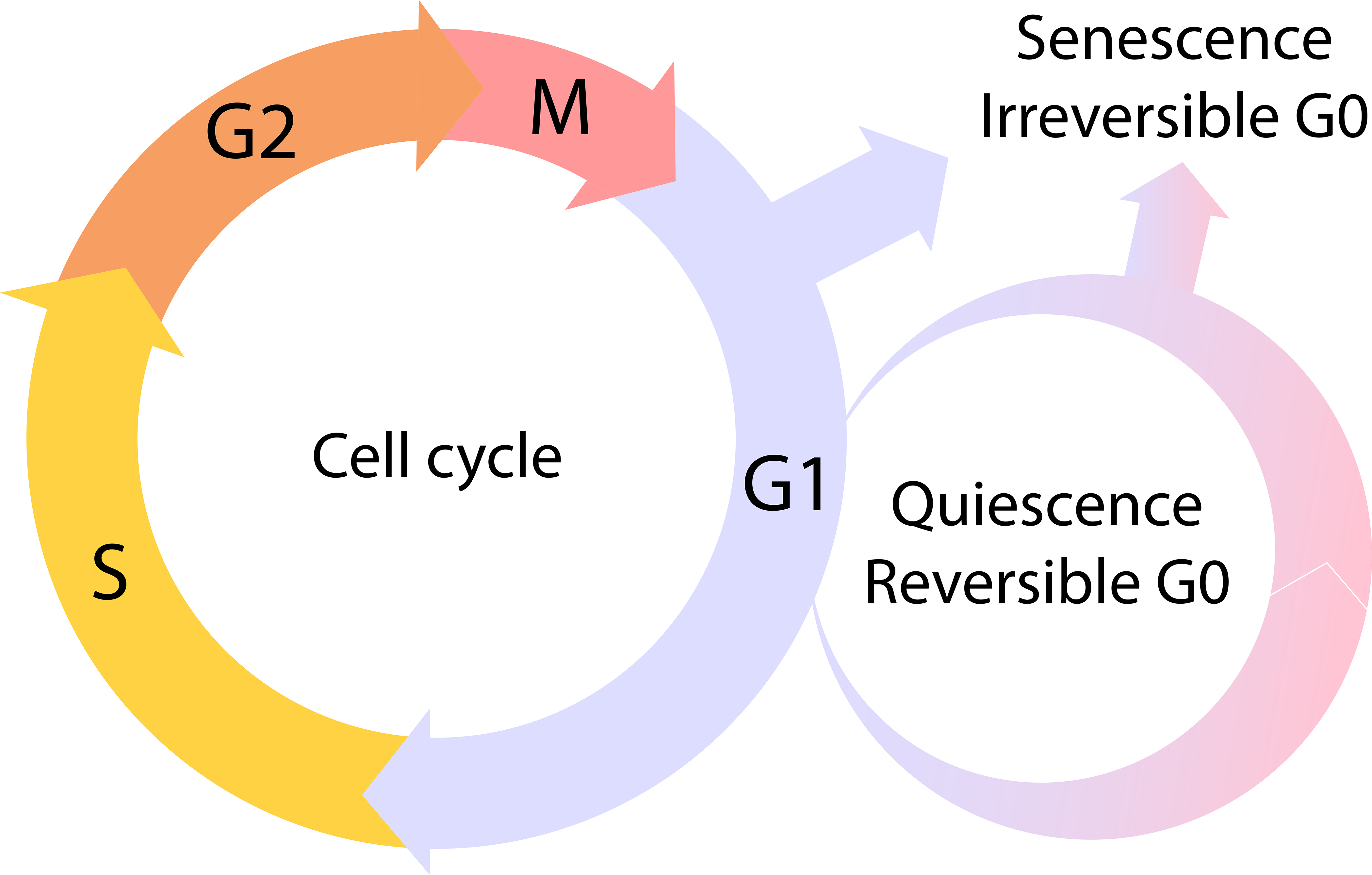
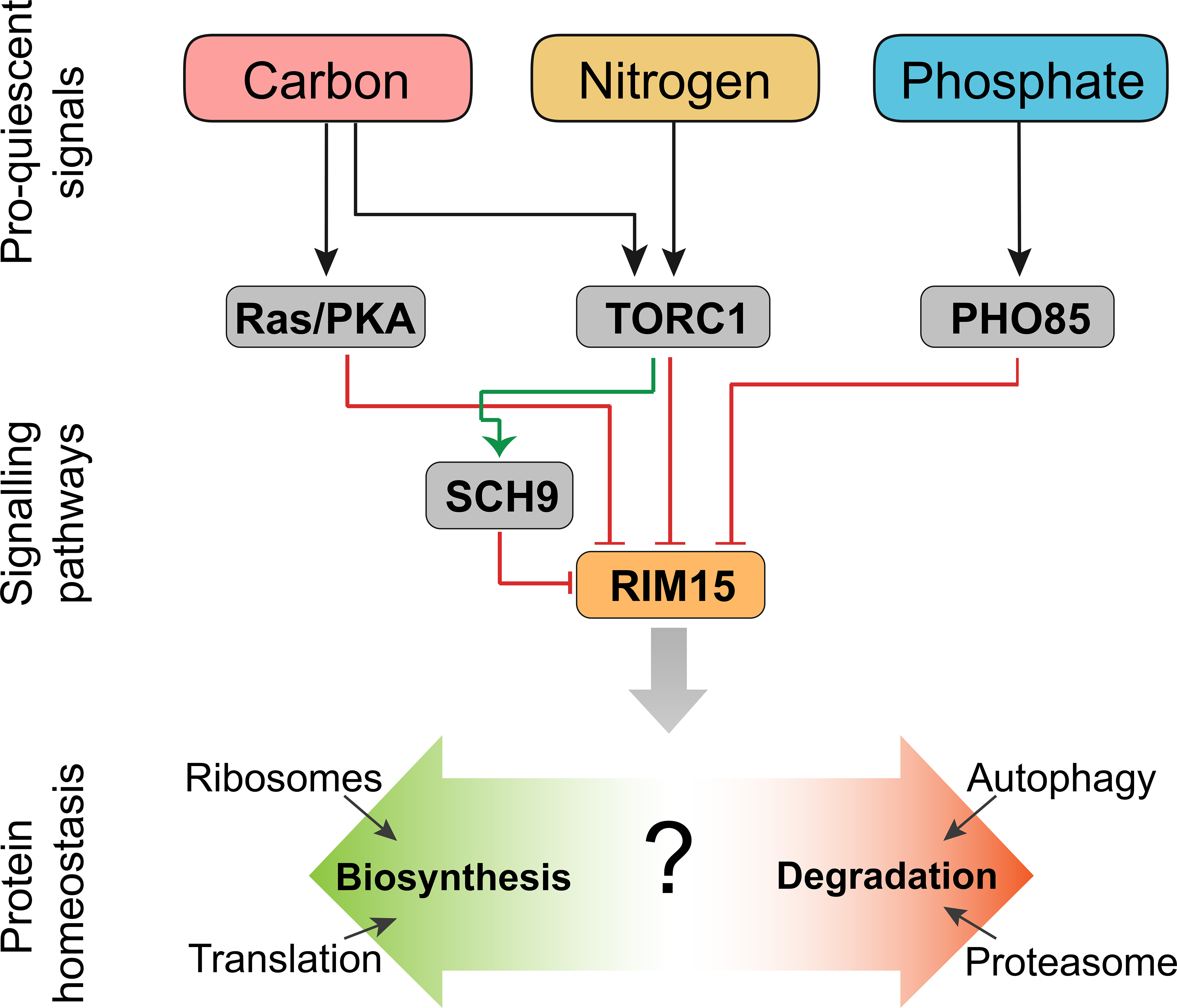
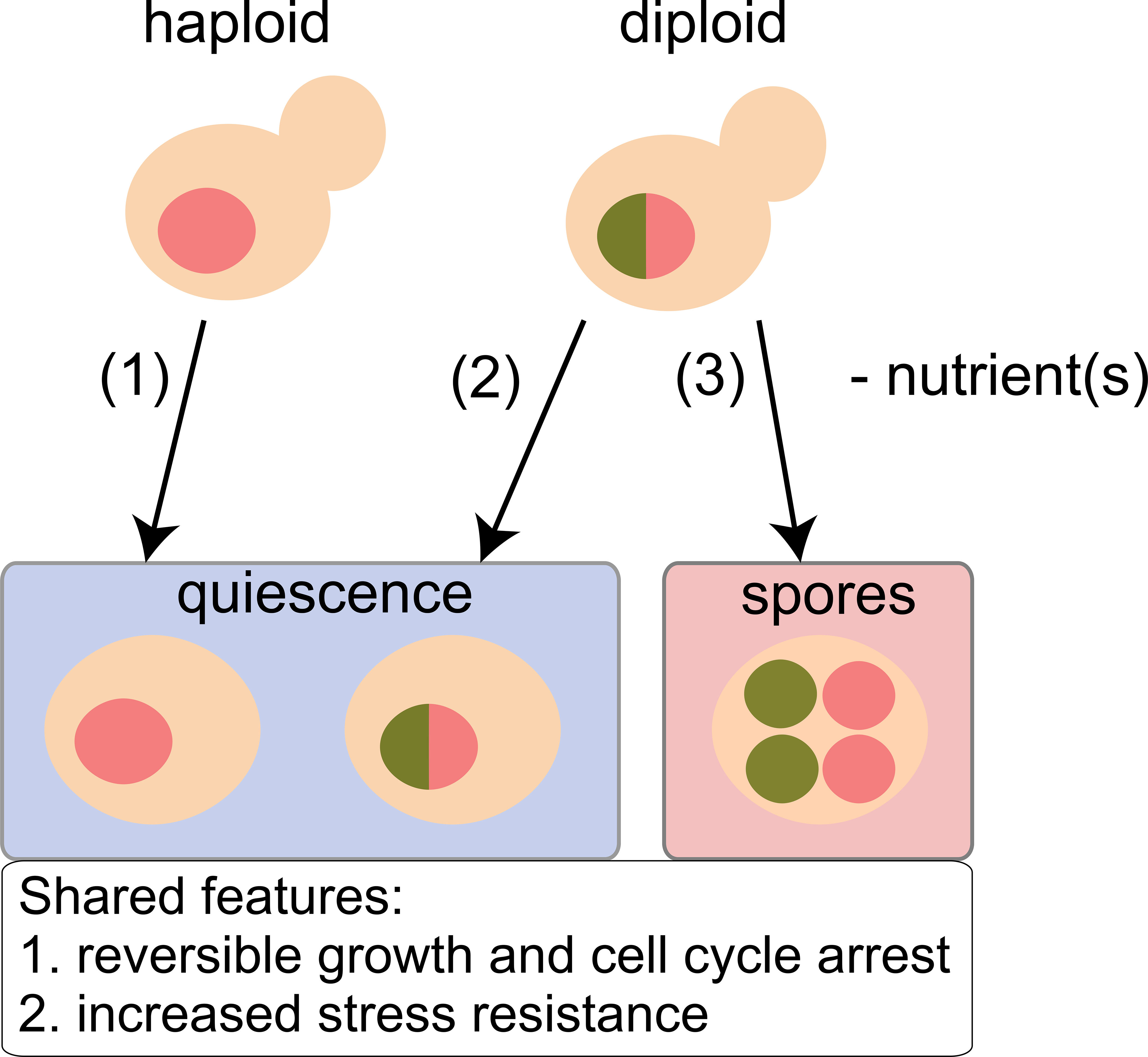
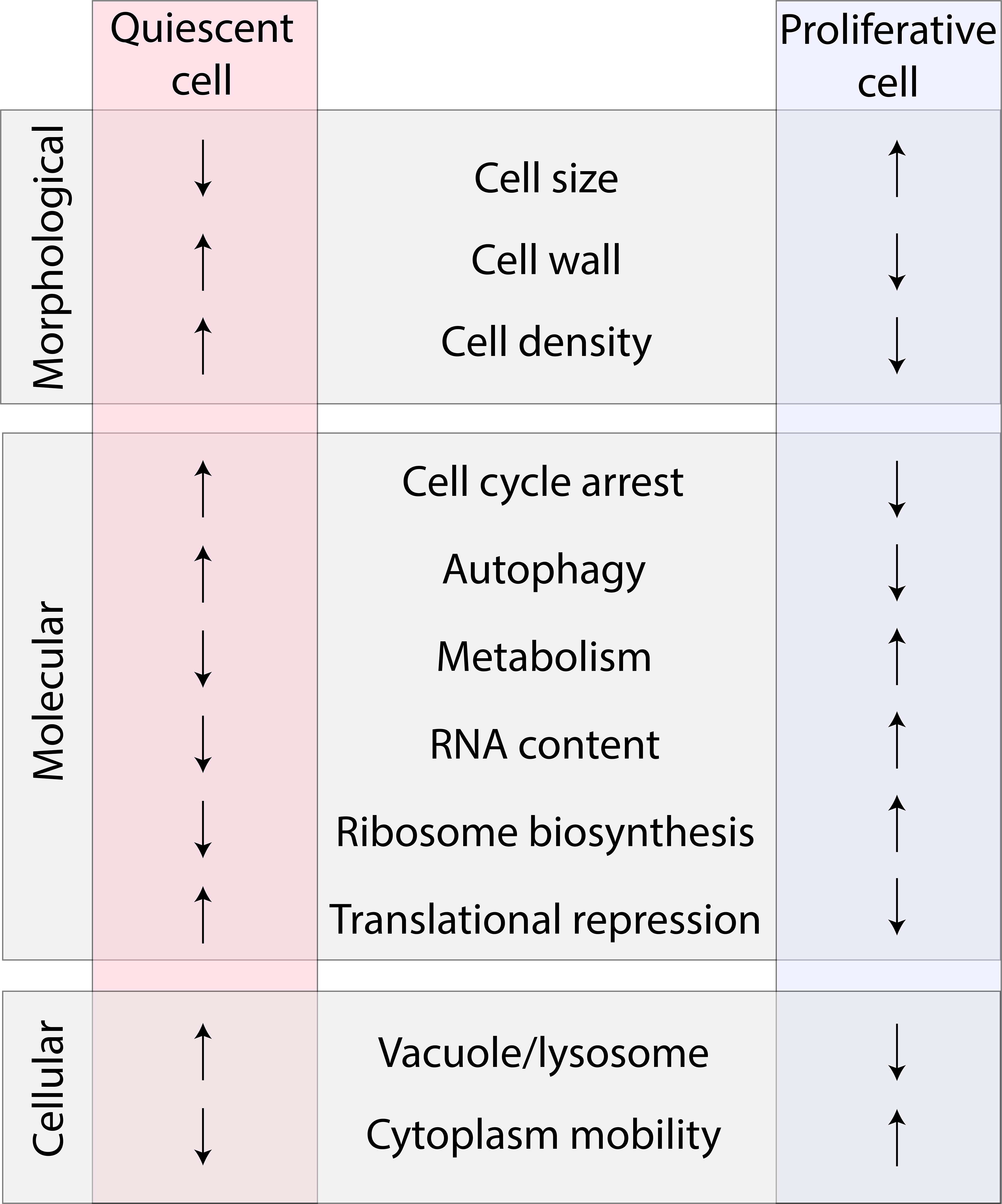
Cellular quiescence, the temporary and reversible exit from proliferative growth, is the predominant state of all cells. However, our understanding of the biological processes and molecular mechanisms that underlie cell quiescence remains incomplete. As with the mitotic cell cycle, budding and fission yeast are preeminent model systems for studying cellular quiescence owing to their rich experimental toolboxes and the evolutionary conservation across eukaryotes of pathways and processes that control quiescence. Here, we review current knowledge of cell quiescence in budding yeast and how it pertains to cellular quiescence in other organisms, including multicellular animals. Quiescence entails large-scale remodeling of virtually every cellular process, organelle, gene expression, and metabolic state that is executed dynamically as cells undergo the initiation, maintenance, and exit from quiescence. We review these major transitions, our current understanding of their molecular bases, and highlight unresolved questions. We summarize the primary methods employed for quiescence studies in yeast and discuss their relative merits. Understanding cell quiescence has important consequences for human disease as quiescent single-celled microbes are notoriously difficult to kill and quiescent human cells play important roles in diseases such as cancer. We argue that research on cellular quiescence will be accelerated through the adoption of common criteria, and methods, for defining cell quiescence. An integrated approach to studying cell quiescence, and a focus on the behavior of individual cells, will yield new insights into the pathways and processes that underlie cell quiescence leading to a more complete understanding of the life cycle of cells. TAKE AWAY: Quiescent cells are viable cells that have reversibly exited the cell cycle Quiescence is induced in response to a variety of nutrient starvation signals Quiescence is executed dynamically through three phases: initiation, maintenance, and exit Quiescence entails large-scale remodeling of gene expression, organelles, and metabolism Single-cell approaches are required to address heterogeneity among quiescent cells.
细胞静止期,即细胞暂时退出增殖生长的可逆状态,是所有细胞的主要状态。然而,我们对细胞静止的生物学过程和分子机制的理解仍然不完整。与有丝分裂细胞周期一样,芽殖酵母和裂殖酵母由于其丰富的实验工具箱以及控制静止的途径和过程在真核生物中的进化保守性,是研究细胞静止的卓越模型系统。在这里,我们回顾了芽殖酵母细胞静止的现有知识,以及它与其他生物体(包括多细胞动物)的细胞静止的关系。静止期需要对几乎所有细胞过程、细胞器、基因表达和代谢状态进行大规模重塑,这些过程是在细胞经历静止的起始、维持和退出时动态执行的。我们回顾了这些主要转变、我们对其分子基础的现有理解,并强调了未解决的问题。我们总结了用于酵母静止研究的主要方法,并讨论了它们的相对优点。了解细胞静止对人类疾病有重要影响,因为静止的单细胞微生物很难杀死,而静止的人类细胞在癌症等疾病中发挥着重要作用。我们认为,通过采用定义细胞静止的共同标准和方法,细胞静止的研究将得到加速。采用综合方法研究细胞静止,并关注单个细胞的行为,将为了解细胞静止的途径和过程提供新的见解,从而更全面地理解细胞的生命周期。要点:静止细胞是可逆退出细胞周期的存活细胞。静止是对各种营养饥饿信号的响应。静止通过三个阶段动态执行:起始、维持和退出。静止期需要对基因表达、细胞器和代谢进行大规模重塑。需要单细胞方法来解决静止细胞之间的异质性。