Neural Development Section, Mouse Cancer Genetics Program, CCR, NCI, NIH, USA.
Neural Development Section, Mouse Cancer Genetics Program, CCR, NCI, NIH, USA.
Exp Neurol. 2021 Mar;337:113576. doi: 10.1016/j.expneurol.2020.113576. Epub 2020 Dec 24.
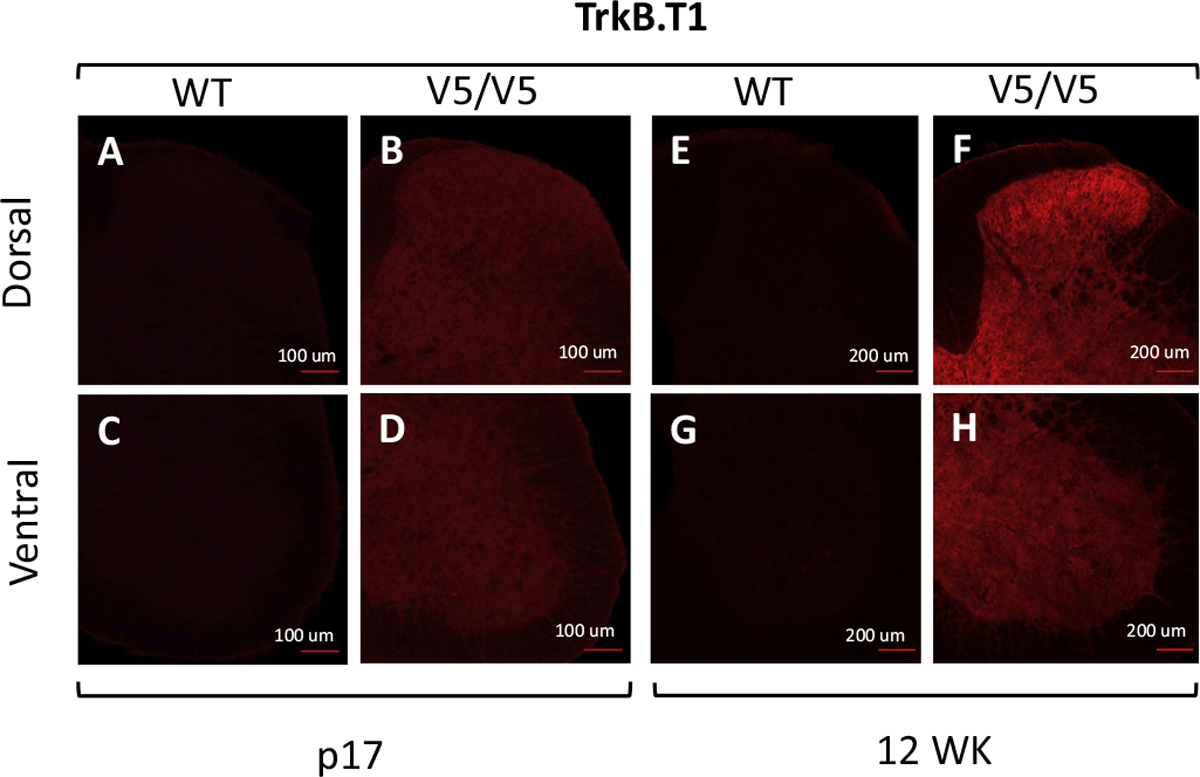
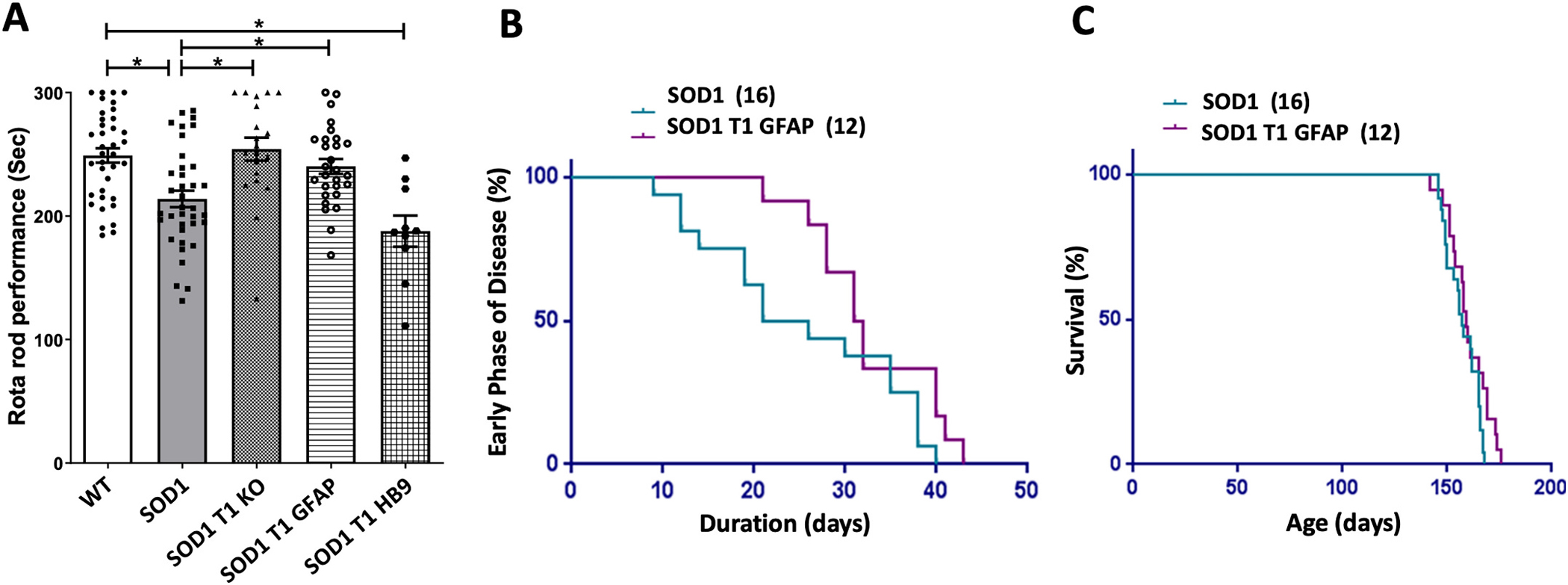
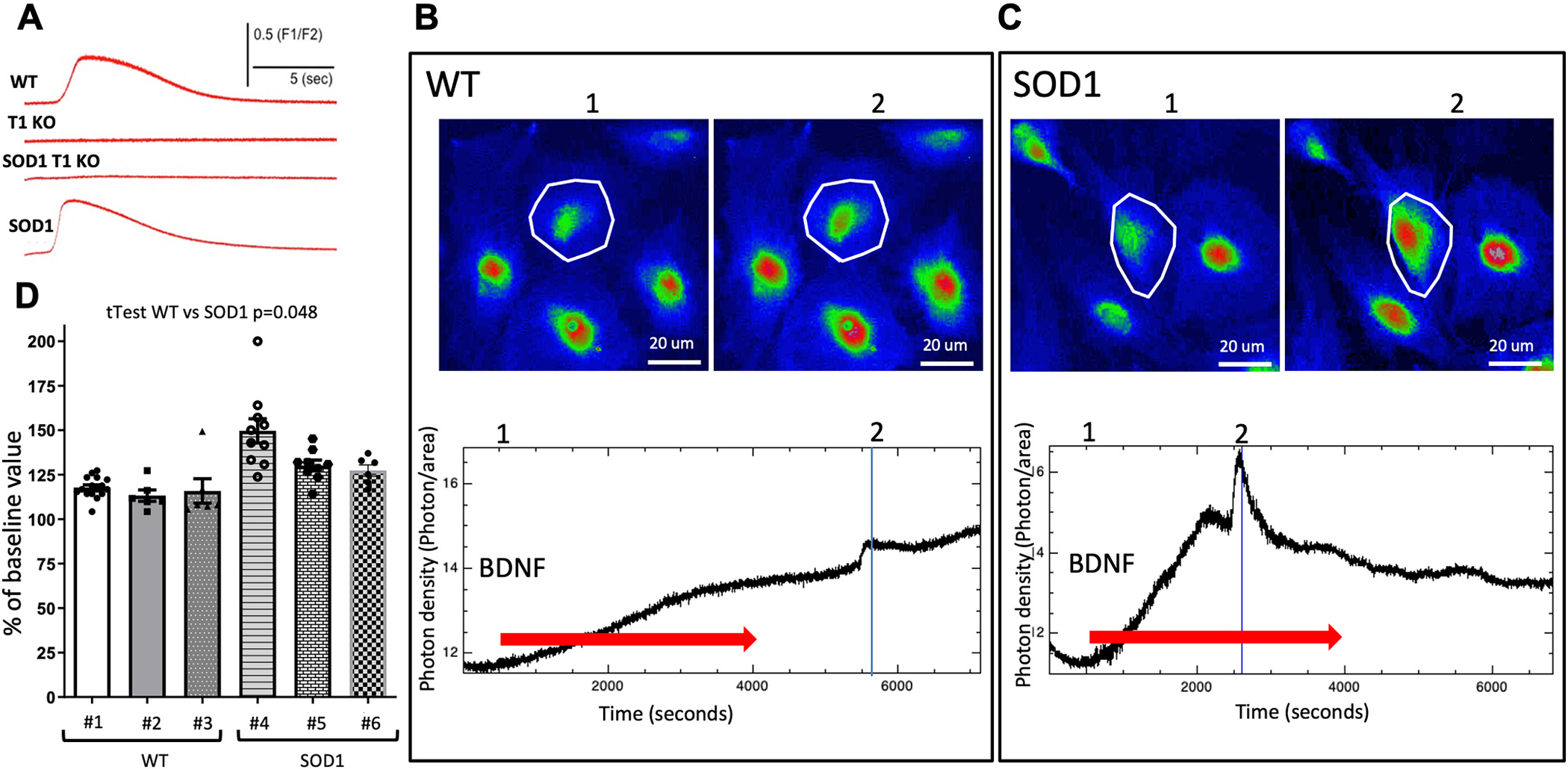
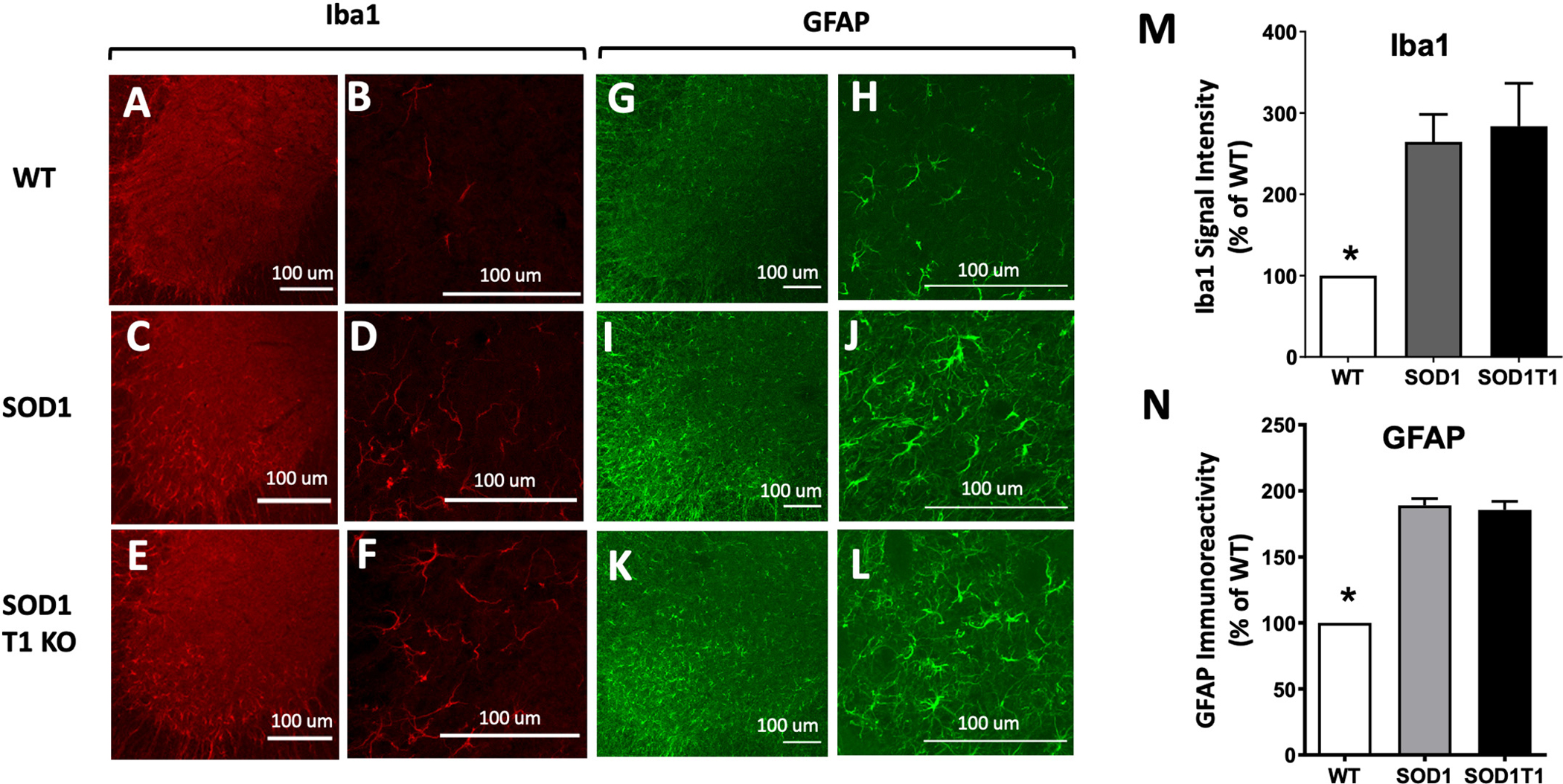
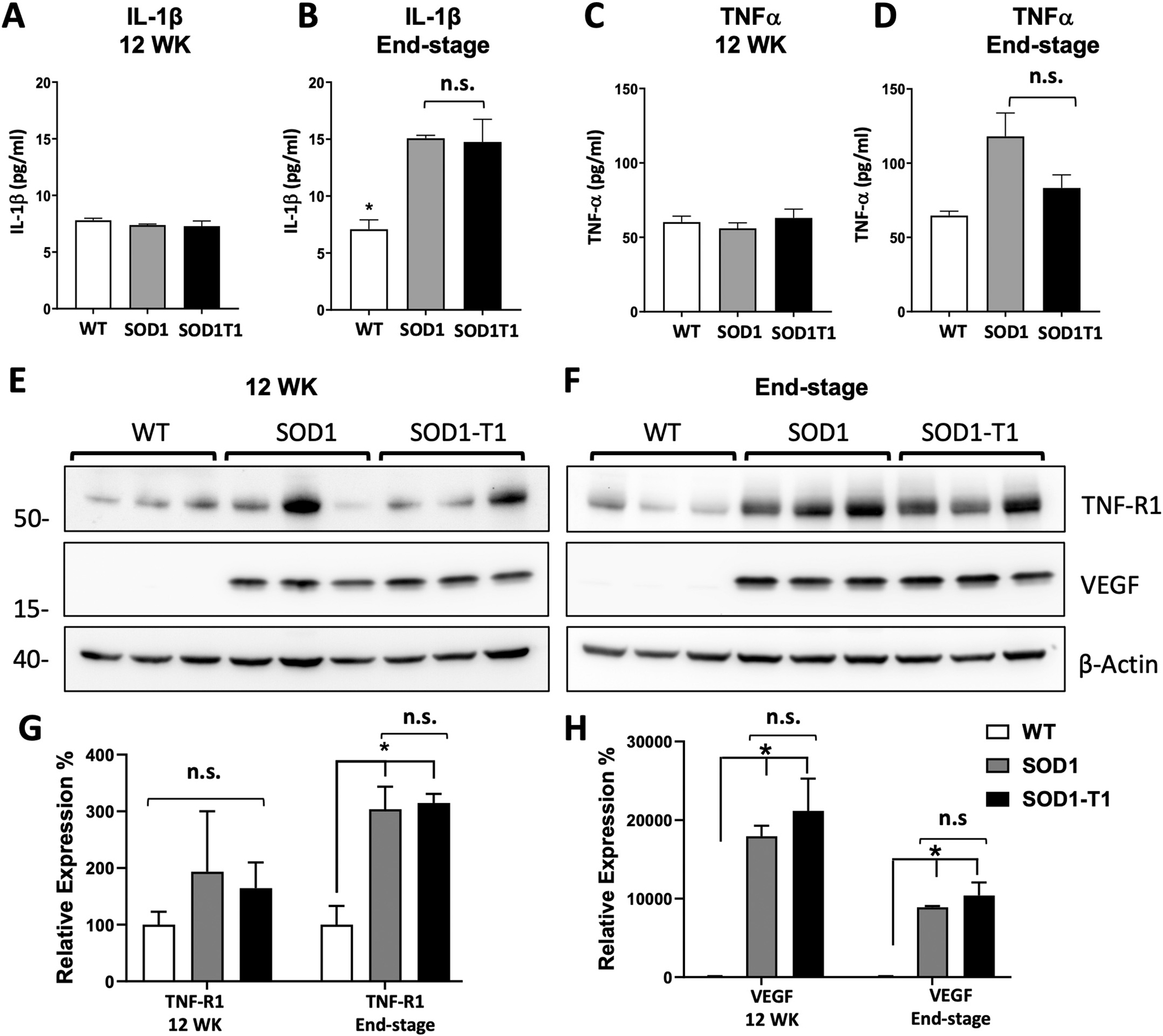
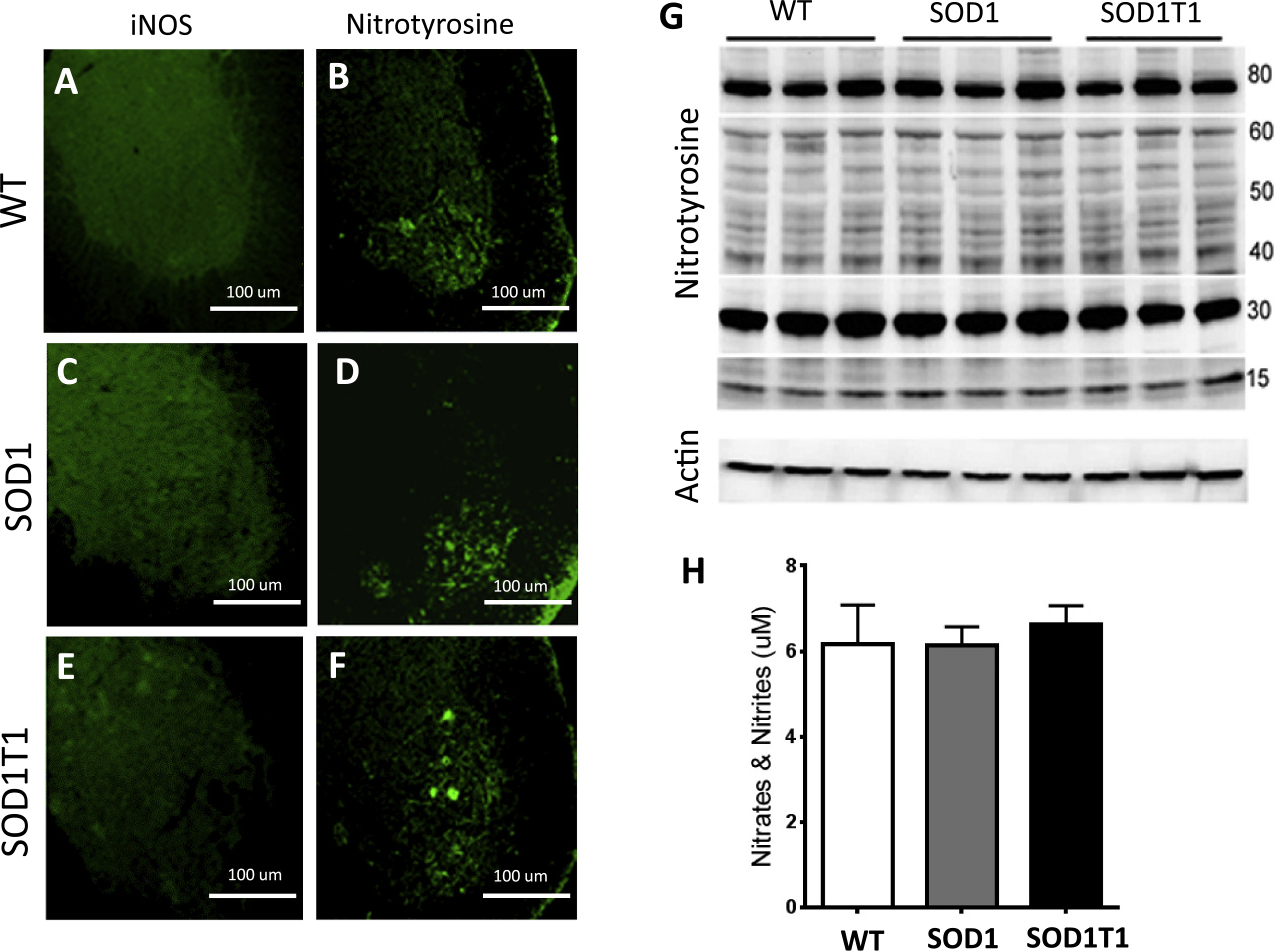
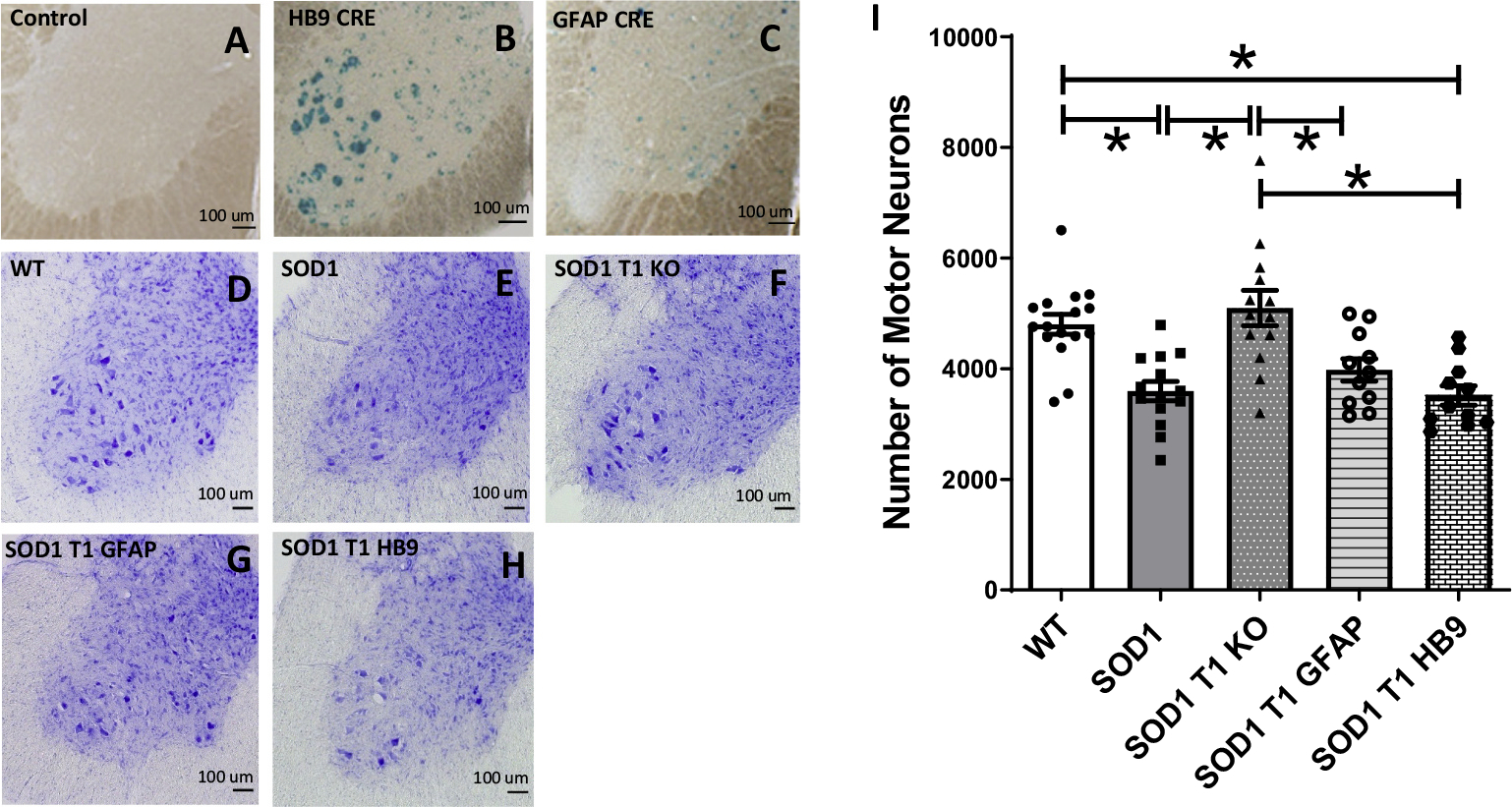
The pathophysiology of Amyotrophic Lateral Sclerosis (ALS), a disease caused by the gradual degeneration of motoneurons, is still largely unknown. Insufficient neurotrophic support has been cited as one of the causes of motoneuron cell death. Neurotrophic factors such as BDNF have been evaluated in ALS human clinical trials, but yielded disappointing results attributed to the poor pharmacokinetics and pharmacodynamics of BDNF. In the inherited ALS G93A SOD1 animal model, deletion of the BDNF receptor TrkB.T1 delays spinal cord motoneuron cell death and muscle weakness through an unknown cellular mechanism. Here we show that TrkB.T1 is expressed ubiquitously in the spinal cord and its deletion does not change the SOD1 mutant spinal cord inflammatory state suggesting that TrkB.T1 does not influence microglia or astrocyte activation. Although TrkB.T1 knockout in astrocytes preserves muscle strength and co-ordination at early stages of disease, its specific conditional deletion in motoneurons or astrocytes does not delay motoneuron cell death during the early stage of the disease. These data suggest that TrkB.T1 may limit the neuroprotective BDNF signaling to motoneurons via a non-cell autonomous mechanism providing new understanding into the reasons for past clinical failures and insights into the design of future clinical trials employing TrkB agonists in ALS.
肌萎缩侧索硬化症(ALS)的病理生理学仍然很大程度上未知,这是一种由运动神经元逐渐退化引起的疾病。运动神经元细胞死亡的一个原因被认为是神经营养因子支持不足。BDNF 等神经营养因子已在 ALS 人类临床试验中进行了评估,但由于 BDNF 的药代动力学和药效动力学不佳,结果令人失望。在遗传性 ALS G93A SOD1 动物模型中,BDNF 受体 TrkB.T1 的缺失通过未知的细胞机制延迟了脊髓运动神经元细胞死亡和肌肉无力。在这里,我们表明 TrkB.T1 在脊髓中广泛表达,其缺失不会改变 SOD1 突变脊髓的炎症状态,这表明 TrkB.T1 不影响小胶质细胞或星形胶质细胞的激活。尽管 TrkB.T1 在星形胶质细胞中的敲除在疾病早期保留了肌肉力量和协调性,但它在运动神经元或星形胶质细胞中的特异性条件性缺失并不能延迟疾病早期运动神经元细胞的死亡。这些数据表明,TrkB.T1 可能通过非细胞自主机制限制了神经营养因子向运动神经元的保护性 BDNF 信号转导,为过去临床失败的原因提供了新的认识,并为未来在 ALS 中使用 TrkB 激动剂进行临床试验的设计提供了见解。