Kamali Golnoosh, Smith Rachel June, Hays Mark, Coogan Christopher, Crone Nathan E, Kang Joon Y, Sarma Sridevi V
Neuromedical Control Systems Laboratory, Department of Electrical and Computer Engineering, Institute of Computational Medicine, Johns Hopkins University, Baltimore, MD, United States.
Neuromedical Control Systems Laboratory, Department of Biomedical Engineering, Institute of Computational Medicine, Johns Hopkins University, Baltimore, MD, United States.
Front Neurol. 2020 Dec 10;11:579961. doi: 10.3389/fneur.2020.579961. eCollection 2020.
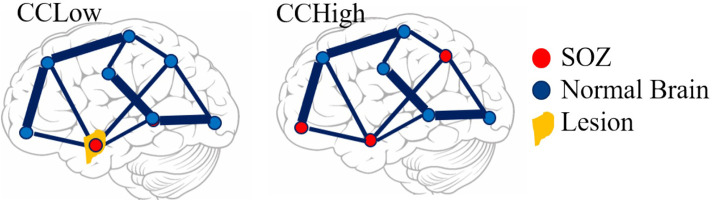
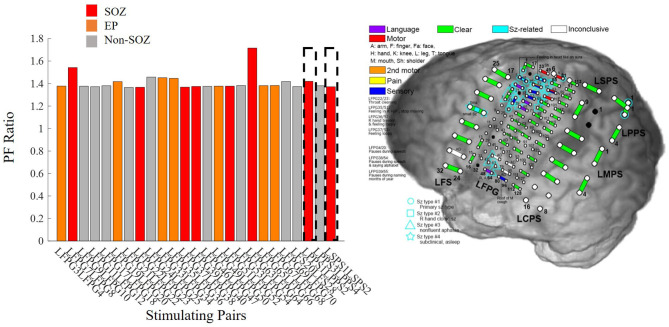
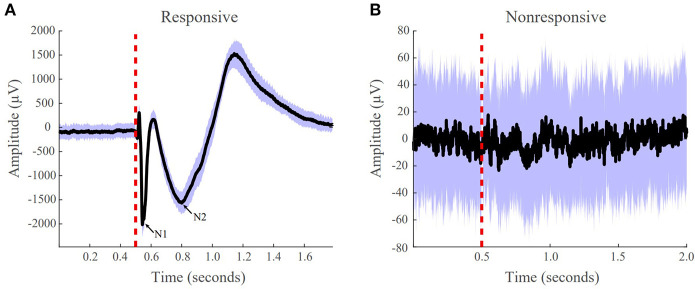
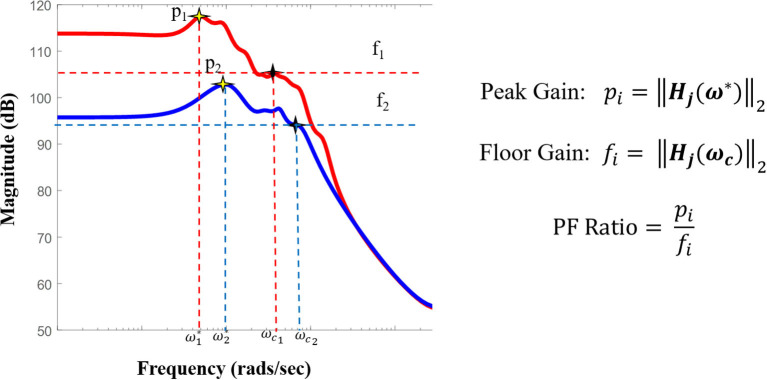
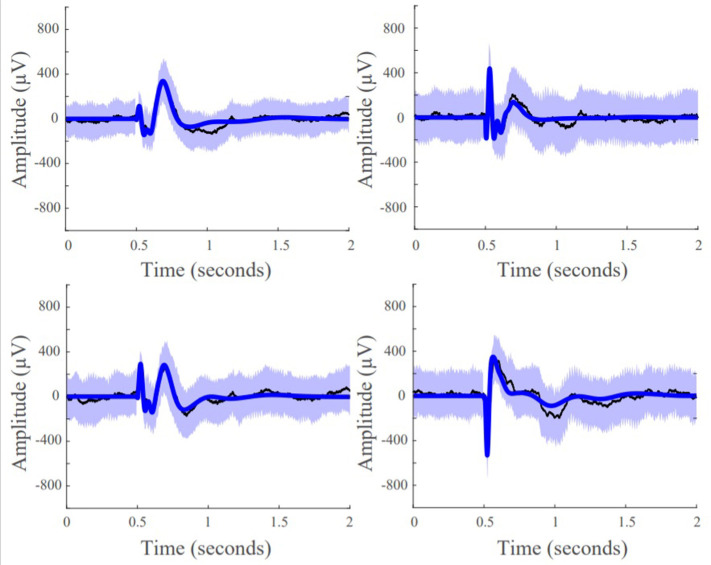
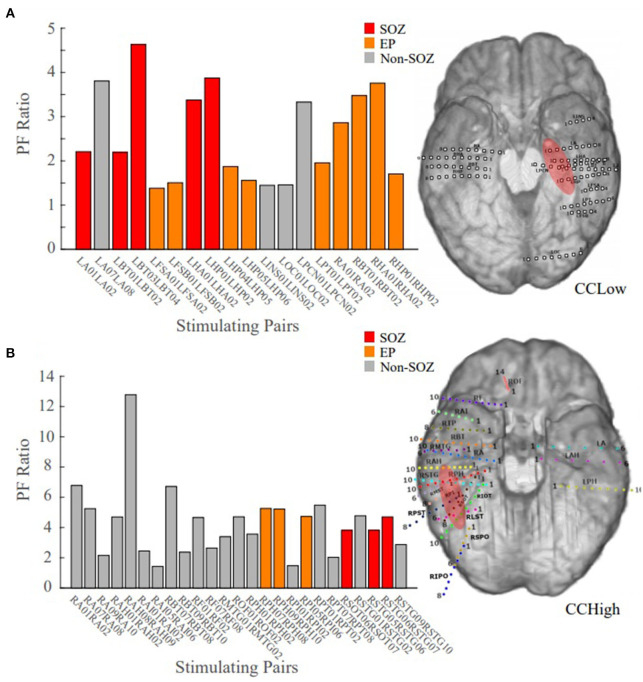
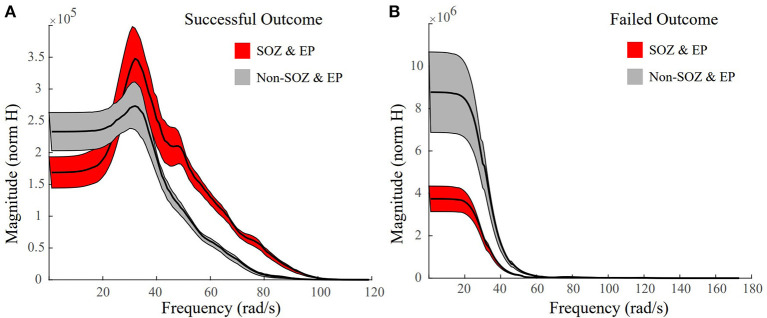
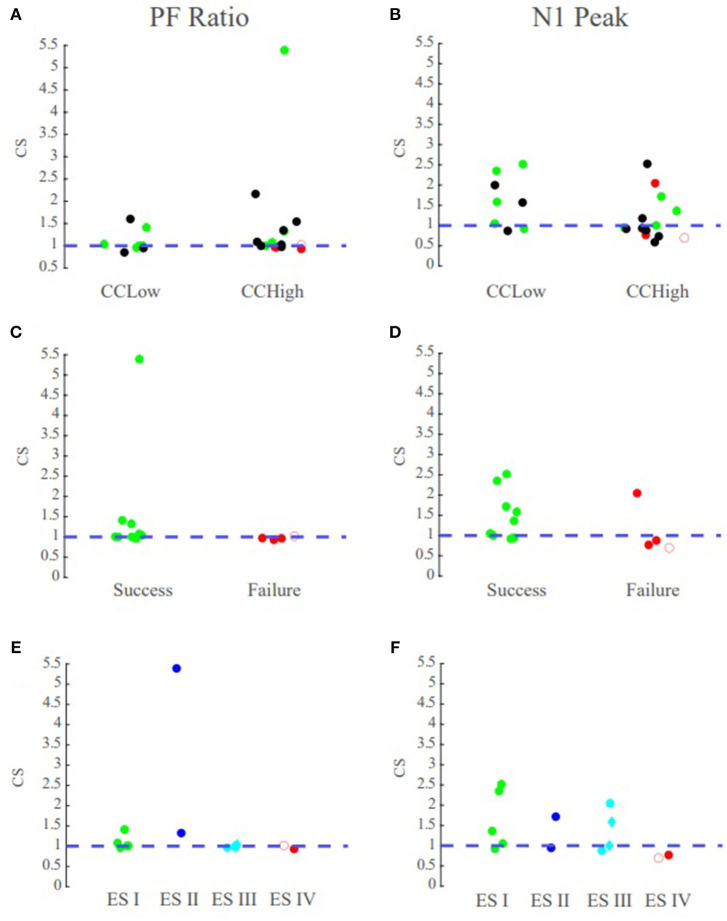
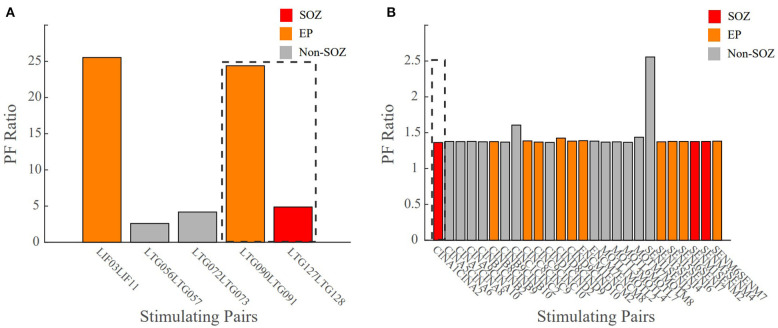
Surgical resection of the seizure onset zone (SOZ) could potentially lead to seizure-freedom in medically refractory epilepsy patients. However, localizing the SOZ can be a time consuming and tedious process involving visual inspection of intracranial electroencephalographic (iEEG) recordings captured during passive patient monitoring. Cortical stimulation is currently performed on patients undergoing invasive EEG monitoring for the main purpose of mapping functional brain networks such as language and motor networks. We hypothesized that evoked responses from single pulse electrical stimulation (SPES) can also be used to localize the SOZ as they may express the natural frequencies and connectivity of the iEEG network. To test our hypothesis, we constructed patient specific transfer function models from the evoked responses recorded from 22 epilepsy patients that underwent SPES evaluation and iEEG monitoring. We then computed the frequency and connectivity dependent "peak gain" of the system as measured by the norm from systems theory. We found that in cases for which clinicians had high confidence in localizing the SOZ, the highest peak gain transfer functions with the smallest "floor gain" (gain at which the dipped 3dB below DC gain) corresponded to when the clinically annotated SOZ and early spread regions were stimulated. In more complex cases, there was a large spread of the peak-to-floor (PF) ratios when the clinically annotated SOZ was stimulated. Interestingly for patients who had successful surgeries, our ratio of gains, agreed with clinical localization, no matter the complexity of the case. For patients with failed surgeries, the PF ratio did not match clinical annotations. Our findings suggest that transfer function gains and their corresponding frequency responses computed from SPES evoked responses may improve SOZ localization and thus surgical outcomes.
手术切除癫痫发作起始区(SOZ)可能会使药物难治性癫痫患者实现无癫痫发作。然而,定位SOZ可能是一个耗时且繁琐的过程,需要对被动患者监测期间捕获的颅内脑电图(iEEG)记录进行目视检查。目前,皮质刺激是在接受侵入性脑电图监测的患者身上进行的,主要目的是绘制功能性脑网络,如语言和运动网络。我们假设单脉冲电刺激(SPES)诱发的反应也可用于定位SOZ,因为它们可能表达了iEEG网络的固有频率和连通性。为了验证我们的假设,我们根据22例接受SPES评估和iEEG监测的癫痫患者记录的诱发反应构建了患者特异性传递函数模型。然后,我们根据系统理论中的范数计算了系统的频率和连通性相关的“峰值增益”。我们发现,在临床医生对SOZ定位有高度信心的病例中,具有最小“底增益”(比直流增益低3dB时的增益)的最高峰值增益传递函数对应于刺激临床标注的SOZ和早期扩散区域时。在更复杂的病例中,刺激临床标注的SOZ时,峰底(PF)比的分布范围很大。有趣的是,对于手术成功的患者,无论病例的复杂性如何,我们的增益比都与临床定位一致。对于手术失败的患者,PF比与临床标注不匹配。我们的研究结果表明,从SPES诱发反应计算得到的传递函数增益及其相应的频率响应可能会改善SOZ定位,从而改善手术结果。