Department of Molecular, Cellular, and Developmental Biology, University of Colorado Boulder, Boulder, CO 80303, United States.
Department of Biochemistry, University of Colorado Boulder, Boulder, CO 80309, United States.
J Mol Biol. 2021 Mar 19;433(6):166791. doi: 10.1016/j.jmb.2020.166791. Epub 2020 Dec 29.
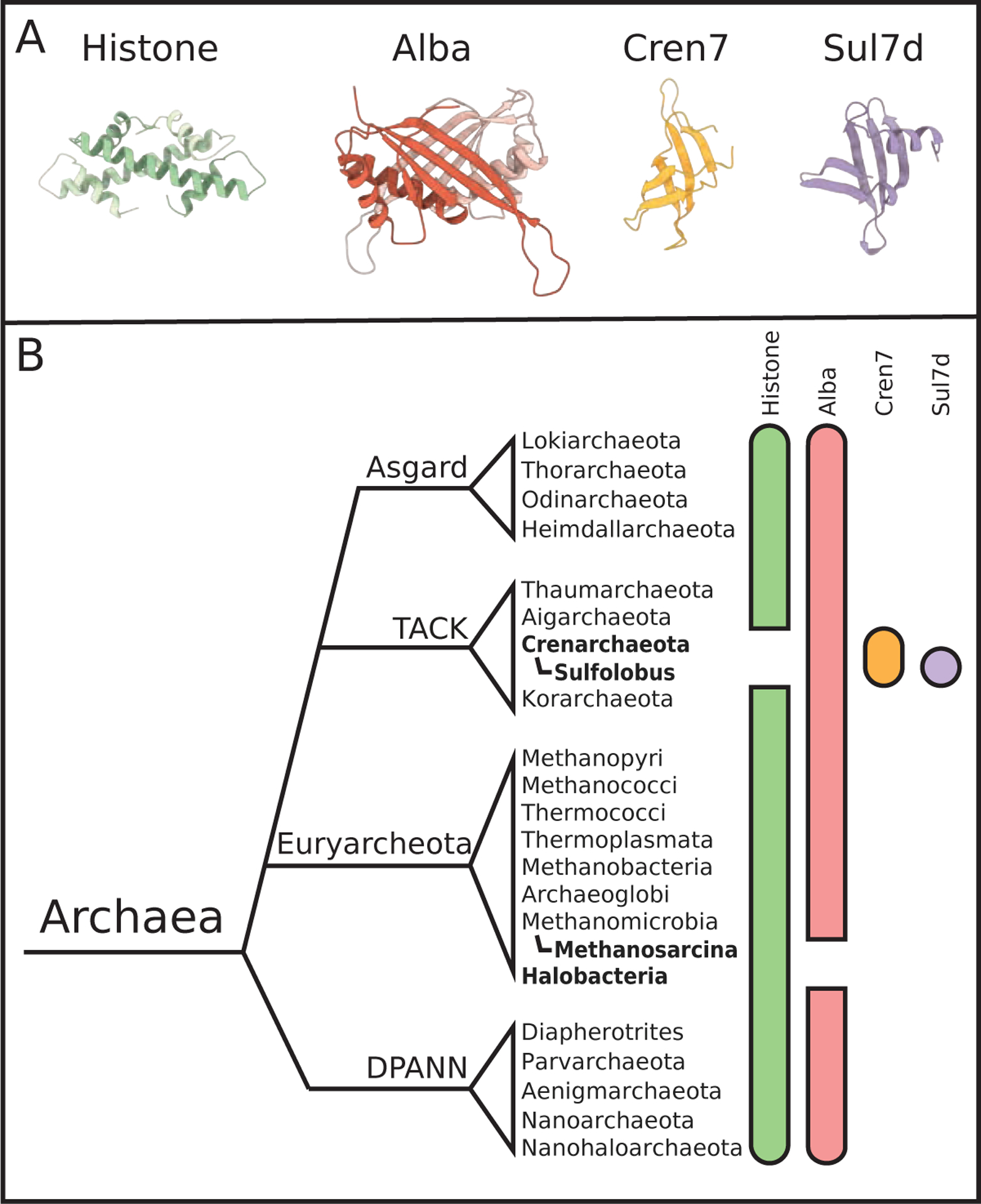
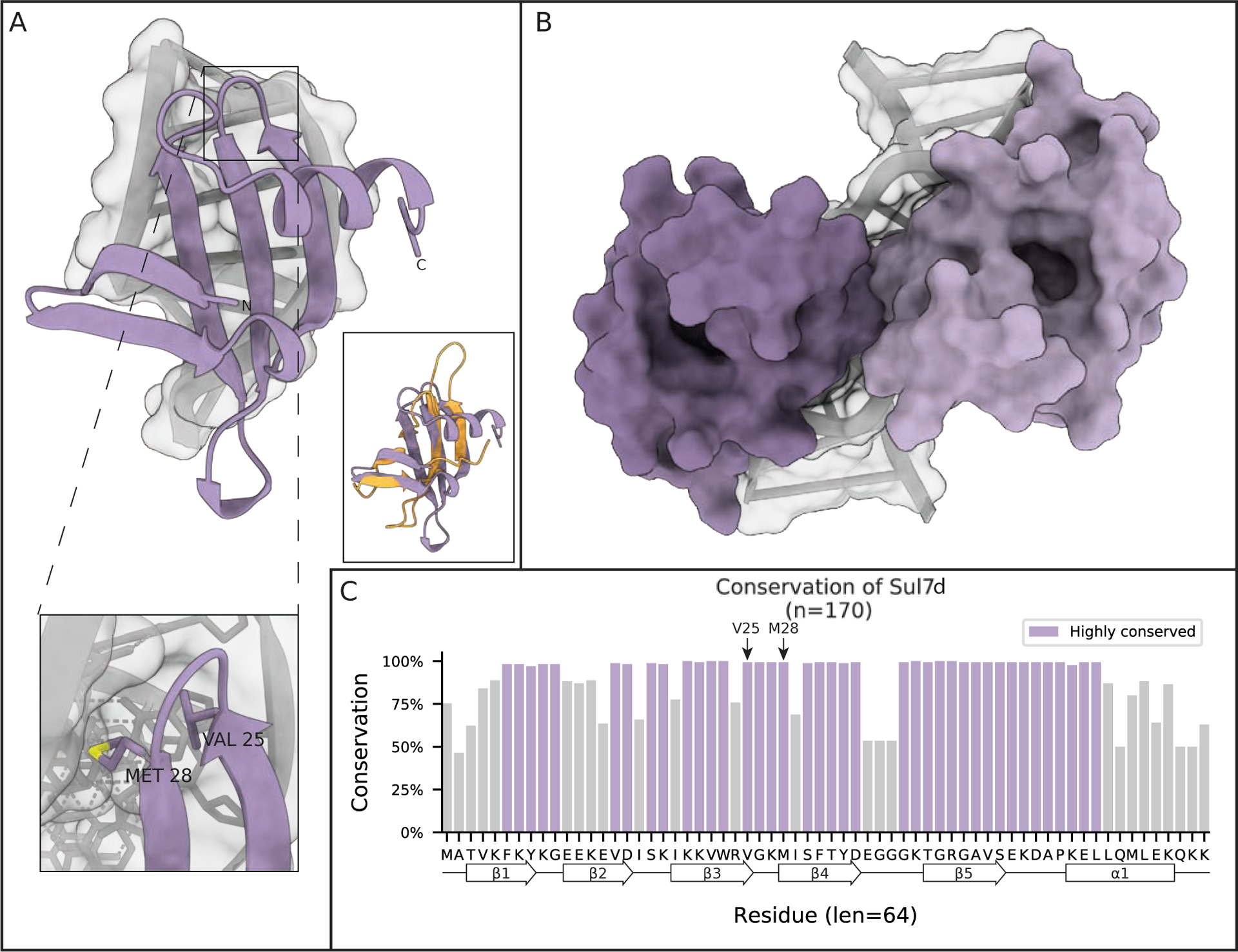
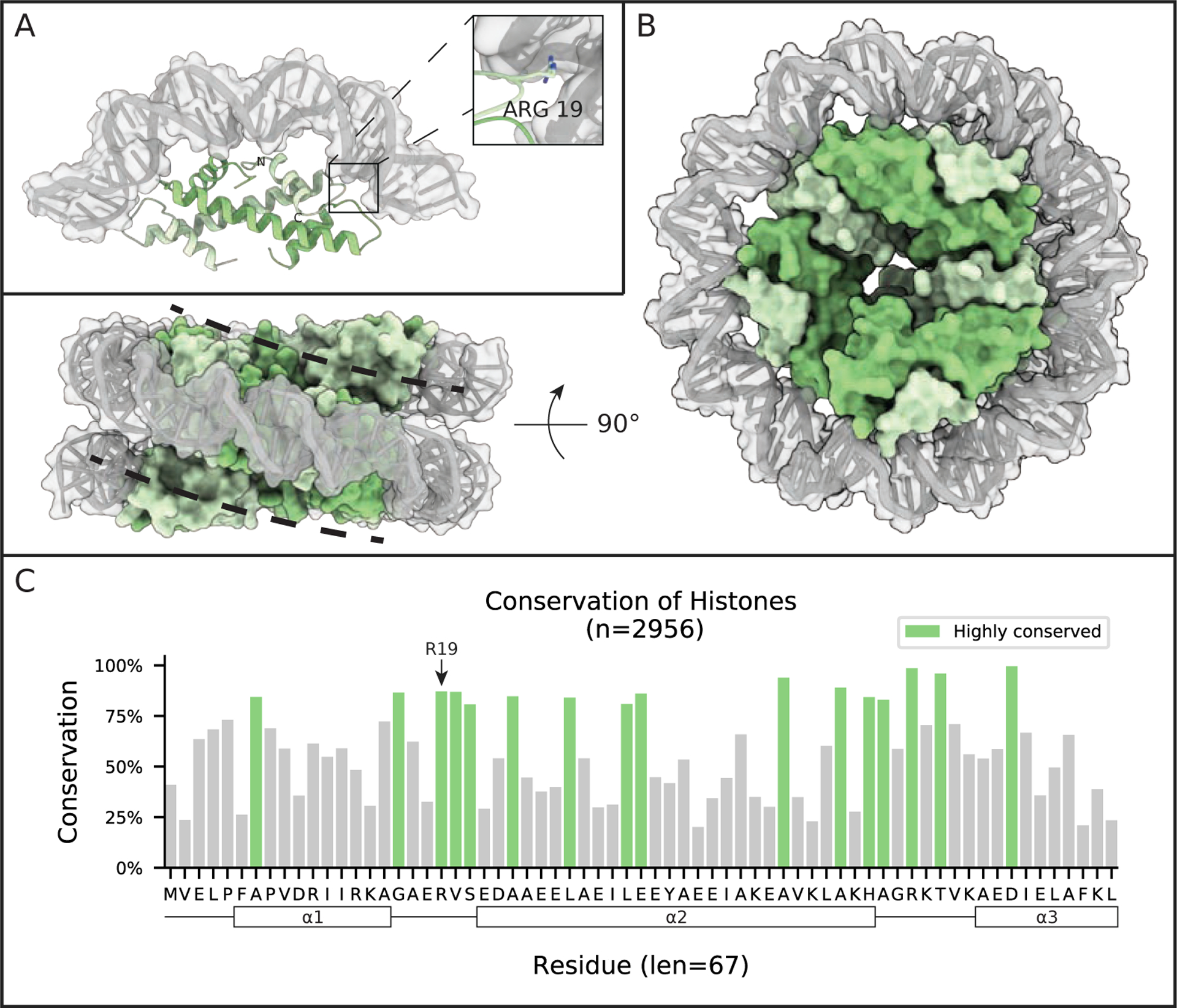
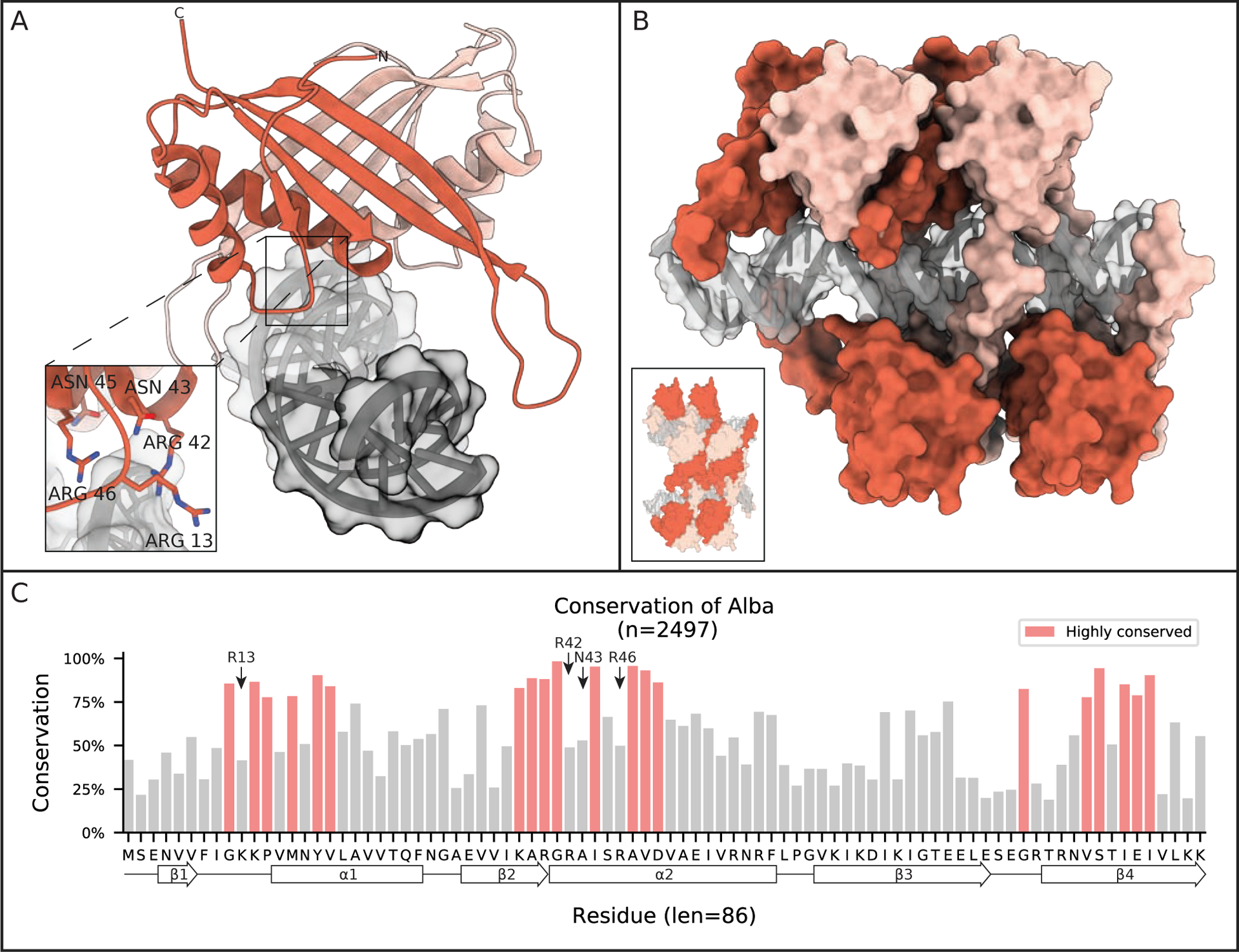
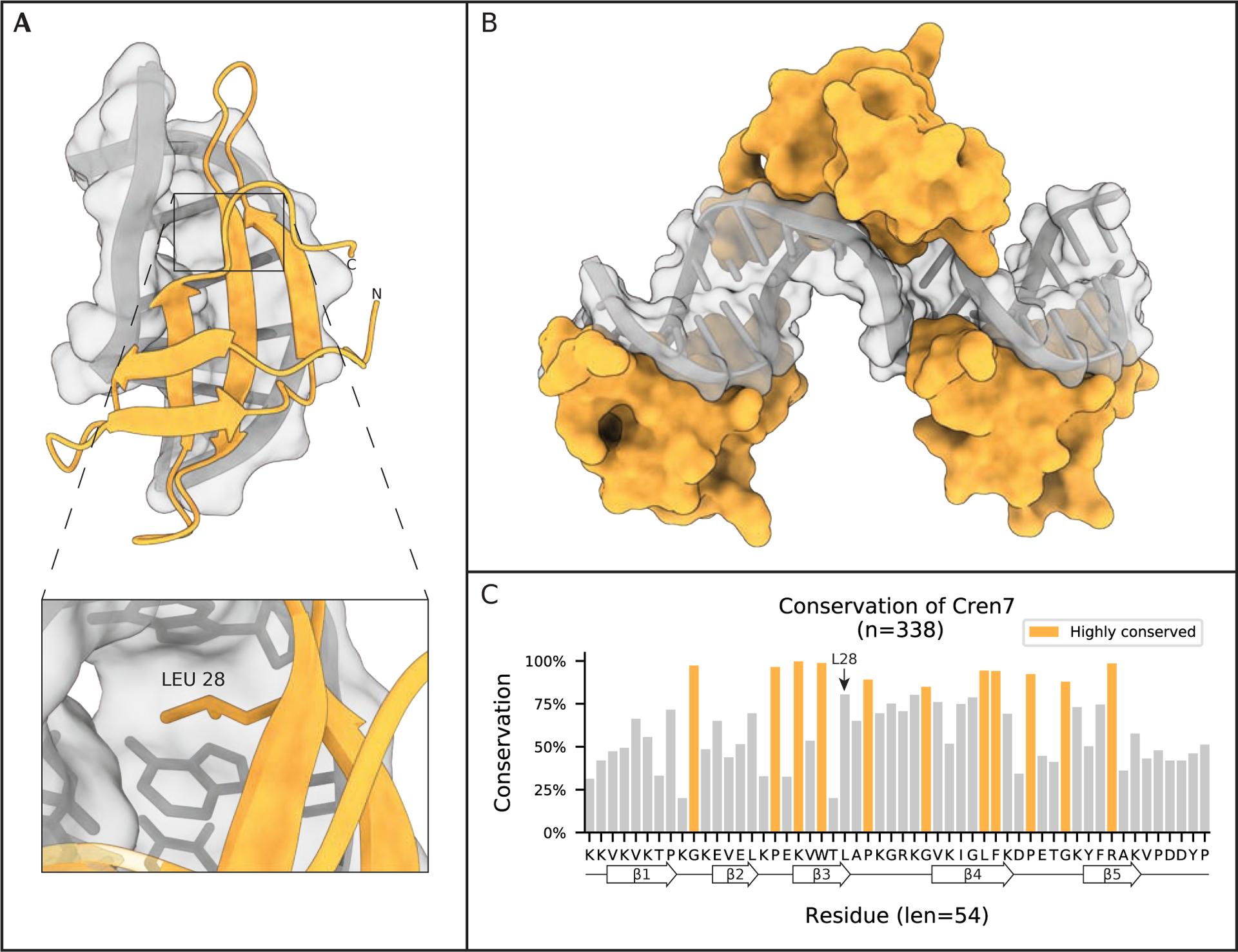
The three domains of life employ various strategies to organize their genomes. Archaea utilize features similar to those found in both eukaryotic and bacterial chromatin to organize their DNA. In this review, we discuss the current state of research regarding the structure-function relationships of several archaeal chromatin proteins (histones, Alba, Cren7, and Sul7d). We address individual structures as well as inferred models for higher-order chromatin formation. Each protein introduces a unique phenotype to chromatin organization, and these structures are put into the context of in vivo and in vitro data. We close by discussing the present gaps in knowledge that are preventing further studies of the organization of archaeal chromatin, on both the organismal and domain level.
生命的三个领域采用各种策略来组织它们的基因组。古菌利用类似于真核生物和细菌染色质中发现的特征来组织它们的 DNA。在这篇综述中,我们讨论了几种古菌染色质蛋白(组蛋白、Alba、Cren7 和 Sul7d)的结构-功能关系的研究现状。我们讨论了单个结构以及推断的高级染色质形成模型。每种蛋白质都为染色质组织带来了独特的表型,这些结构被置于体内和体外数据的背景下。最后,我们讨论了目前阻碍对古菌染色质组织进行进一步研究的知识空白,无论是在生物体还是在领域层面上。