Emerg Infect Dis. 2021 Feb;27(2):396-403. doi: 10.3201/eid2702.203139. Epub 2021 Jan 4.
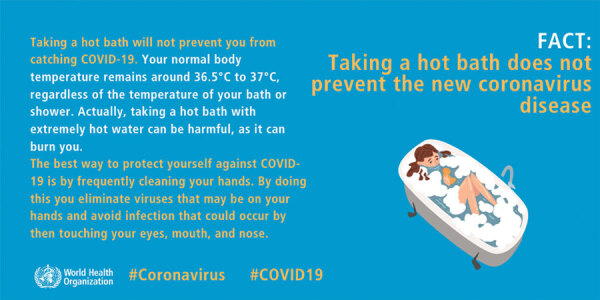
Efforts to address misinformation on social media have special urgency with the emergence of coronavirus disease (COVID-19). In one effort, the World Health Organization (WHO) designed and publicized shareable infographics to debunk coronavirus myths. We used an experiment to test the efficacy of these infographics, depending on placement and source. We found that exposure to a corrective graphic on social media reduced misperceptions about the science of 1 false COVID-19 prevention strategy but did not affect misperceptions about prevention of COVID-19. Lowered misperceptions about the science persisted >1 week later. These effects were consistent when the graphic was shared by the World Health Organization or by an anonymous Facebook user and when the graphics were shared preemptively or in response to misinformation. Health organizations can and should create and promote shareable graphics to improve public knowledge.
应对社交媒体上错误信息的努力在冠状病毒病(COVID-19)出现时具有特殊的紧迫性。在一项努力中,世界卫生组织(WHO)设计并宣传了可共享的信息图,以揭穿冠状病毒的神话。我们使用实验来测试这些信息图的功效,具体取决于位置和来源。我们发现,在社交媒体上接触纠正性图片可以减少对 1 种错误 COVID-19 预防策略的科学误解,但不会影响对 COVID-19 预防的误解。1 周后,对科学的误解仍然减少。当图形由世界卫生组织或匿名 Facebook 用户共享,以及当图形预先共享或响应错误信息时,这些效果是一致的。卫生组织可以而且应该创建和推广可共享的图形,以提高公众的知识。