International Research Centre for Environmental Membrane Biology, Foshan University, Foshan 528000, China.
Tasmanian Institute of Agriculture, College of Science and Engineering, University of Tasmania, Hobart, TAS 7001, Australia.
Int J Mol Sci. 2021 Jan 4;22(1):428. doi: 10.3390/ijms22010428.
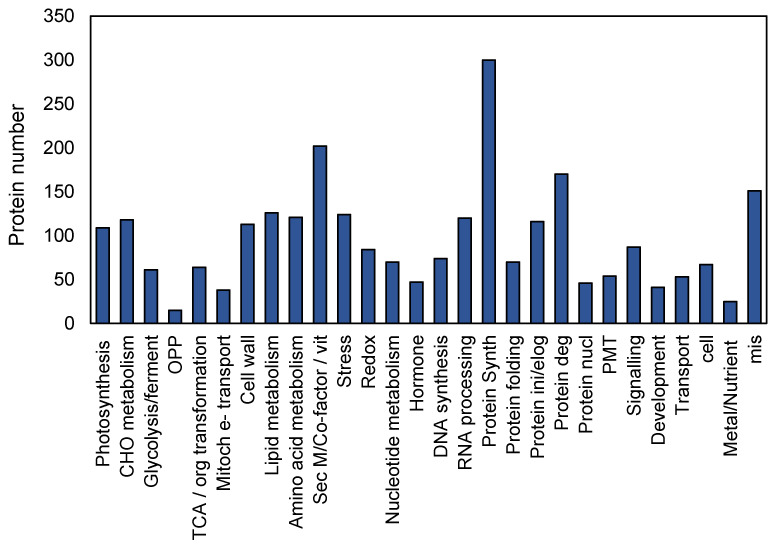
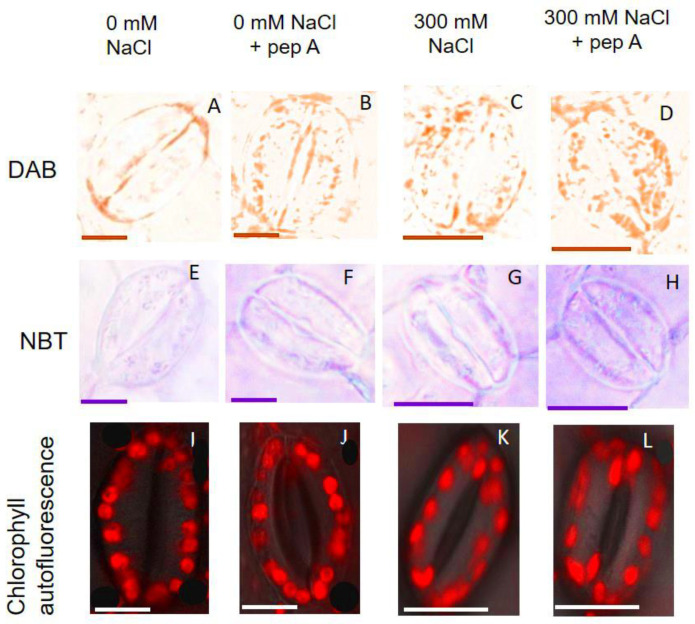
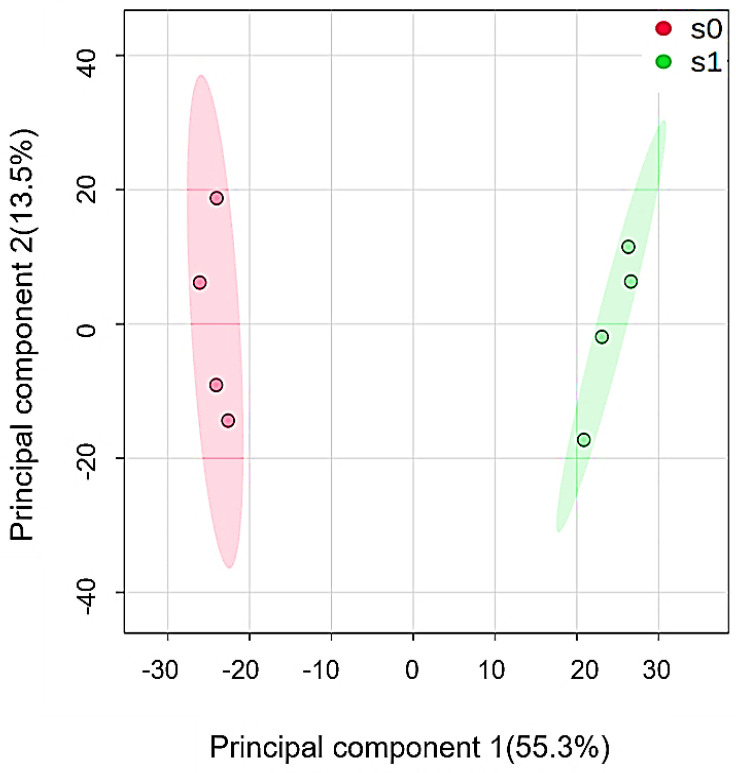
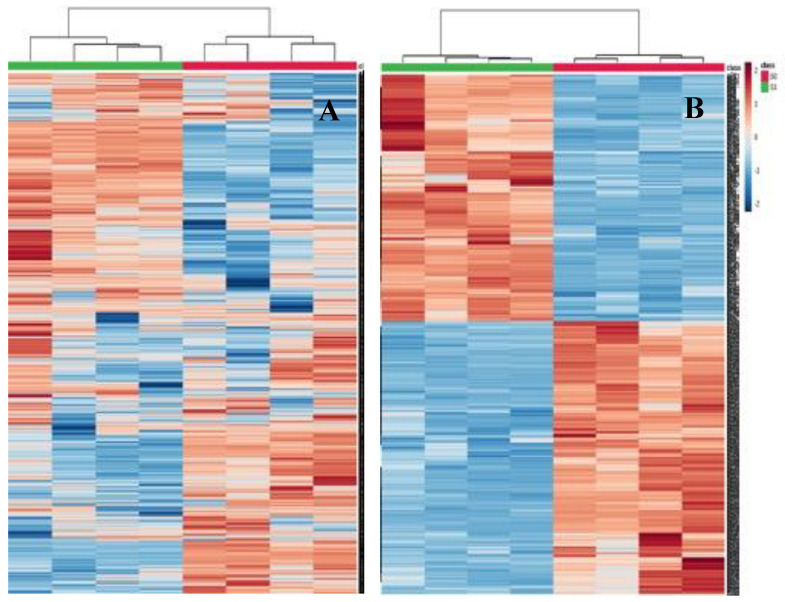
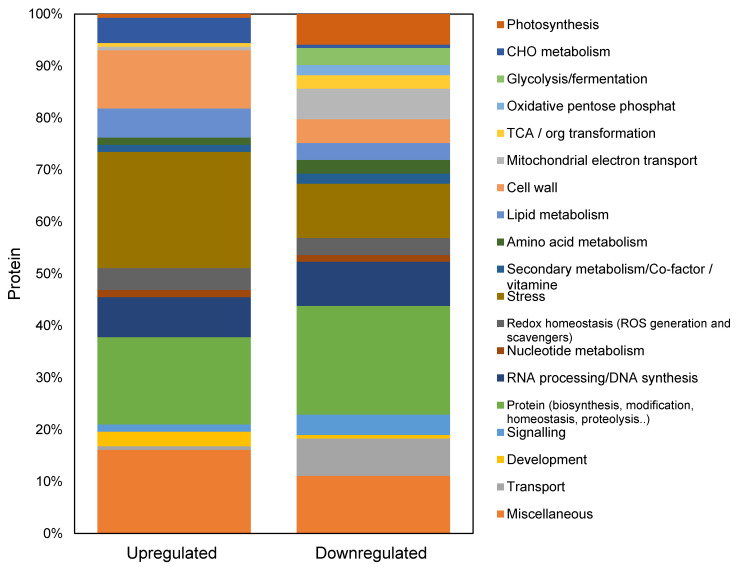
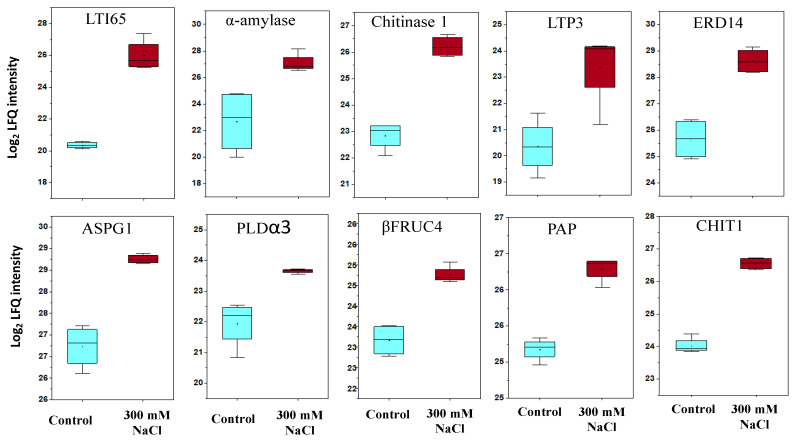
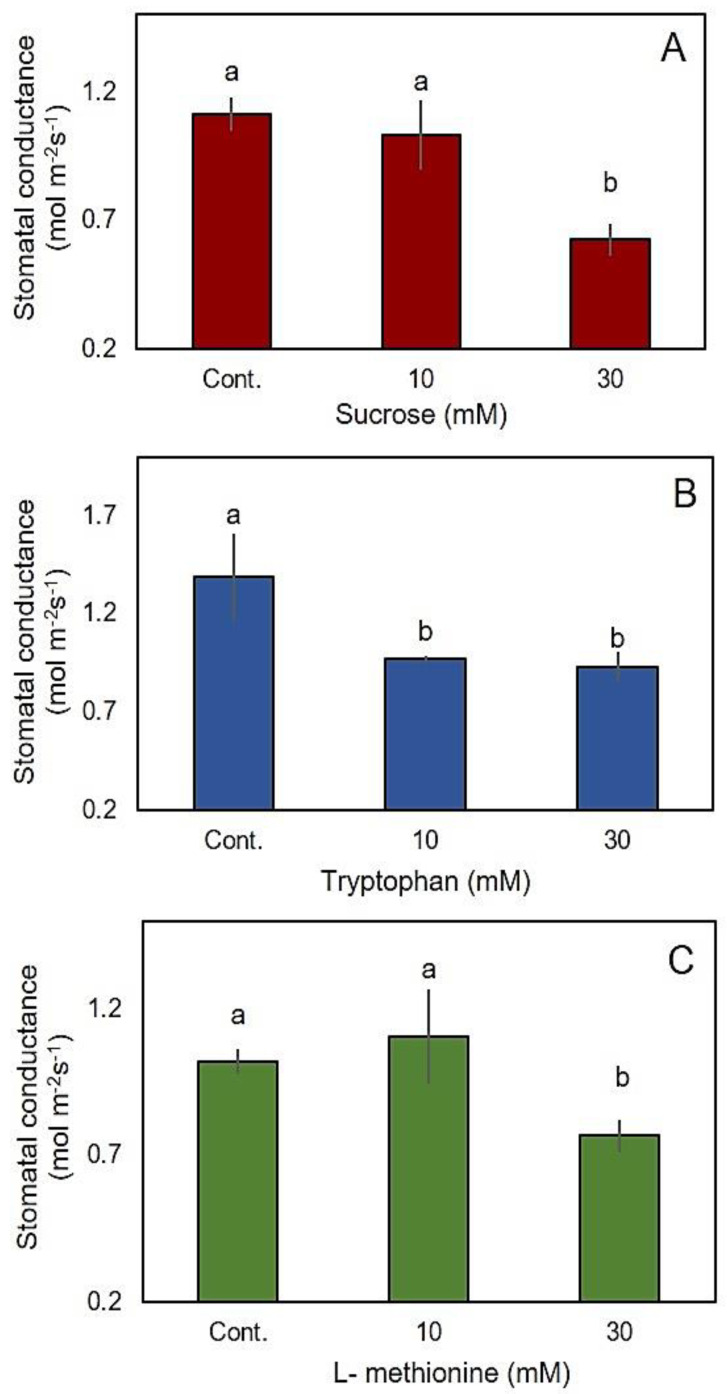
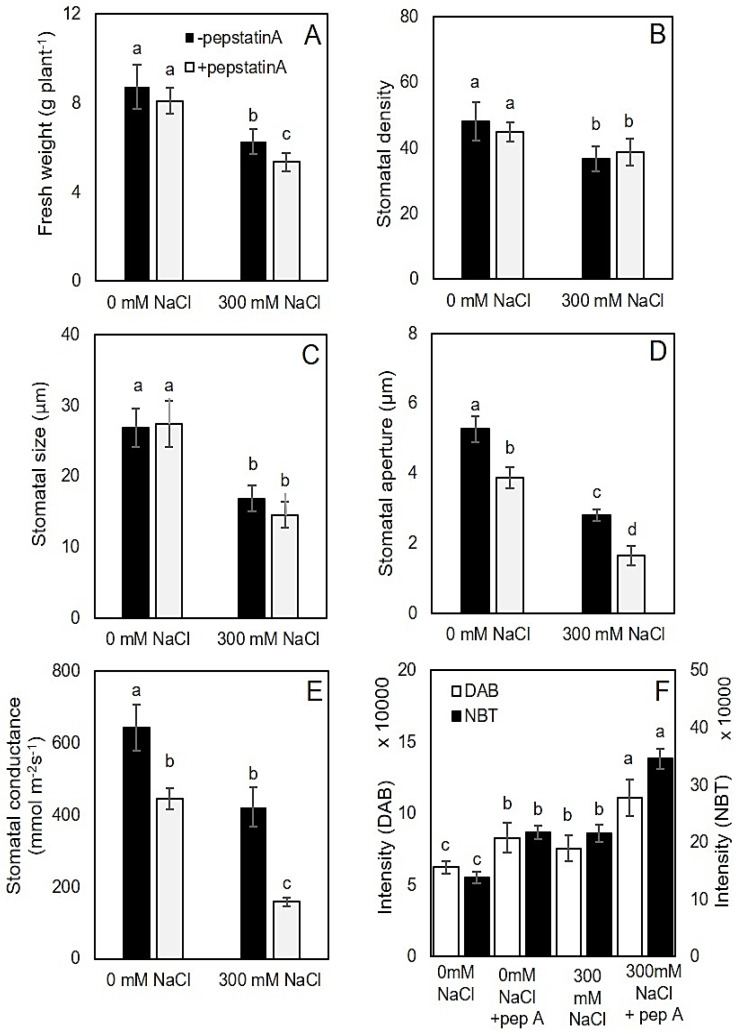
Epidermal fragments enriched in guard cells (GCs) were isolated from the halophyte quinoa ( Wild.) species, and the response at the proteome level was studied after salinity treatment of 300 mM NaCl for 3 weeks. In total, 2147 proteins were identified, of which 36% were differentially expressed in response to salinity stress in GCs. Up and downregulated proteins included signaling molecules, enzyme modulators, transcription factors and oxidoreductases. The most abundant proteins induced by salt treatment were desiccation-responsive protein 29B (50-fold), osmotin-like protein OSML13 (13-fold), polycystin-1, lipoxygenase, alpha-toxin, and triacylglycerol lipase (PLAT) domain-containing protein 3-like (eight-fold), and dehydrin early responsive to dehydration (ERD14) (eight-fold). Ten proteins related to the gene ontology term "response to ABA" were upregulated in quinoa GC; this included aspartic protease, phospholipase D and plastid-lipid-associated protein. Additionally, seven proteins in the sucrose-starch pathway were upregulated in the GC in response to salinity stress, and accumulation of tryptophan synthase and L-methionine synthase (enzymes involved in the amino acid biosynthesis) was observed. Exogenous application of sucrose and tryptophan, L-methionine resulted in reduction in stomatal aperture and conductance, which could be advantageous for plants under salt stress. Eight aspartic proteinase proteins were highly upregulated in GCs of quinoa, and exogenous application of pepstatin A (an inhibitor of aspartic proteinase) was accompanied by higher oxidative stress and extremely low stomatal aperture and conductance, suggesting a possible role of aspartic proteinase in mitigating oxidative stress induced by saline conditions.
从盐生植物藜麦(Wild.)中分离富含保卫细胞(GC)的表皮片段,并在 300mM NaCl 盐胁迫处理 3 周后研究其蛋白质组水平的响应。共鉴定到 2147 种蛋白质,其中 36%的蛋白质在 GC 对盐胁迫的响应中差异表达。上调和下调的蛋白包括信号分子、酶调节剂、转录因子和氧化还原酶。盐处理诱导的最丰富的蛋白有脱水响应蛋白 29B(50 倍)、类渗透压蛋白 OSML13(13 倍)、多囊蛋白-1、脂氧合酶、α-毒素和三酰基甘油脂肪酶(PLAT)结构域包含蛋白 3 样(8 倍)和脱水素早期响应脱水(ERD14)(8 倍)。10 种与“ABA 响应”基因本体论术语相关的蛋白在藜麦 GC 中上调;其中包括天冬氨酸蛋白酶、磷脂酶 D 和质体脂相关蛋白。此外,蔗糖-淀粉代谢途径中的 7 种蛋白在 GC 中也因盐胁迫而上调,同时观察到色氨酸合酶和 L-甲硫氨酸合酶(参与氨基酸生物合成的酶)的积累。蔗糖、色氨酸和 L-甲硫氨酸的外源添加导致气孔开度和导度降低,这对盐胁迫下的植物可能是有利的。8 种天冬氨酸蛋白酶蛋白在藜麦 GC 中高度上调,外源添加胃蛋白酶抑制剂 A(天冬氨酸蛋白酶抑制剂)伴随着更高的氧化应激和极低的气孔开度和导度,表明天冬氨酸蛋白酶可能在减轻盐胁迫引起的氧化应激中发挥作用。